Executive Overview
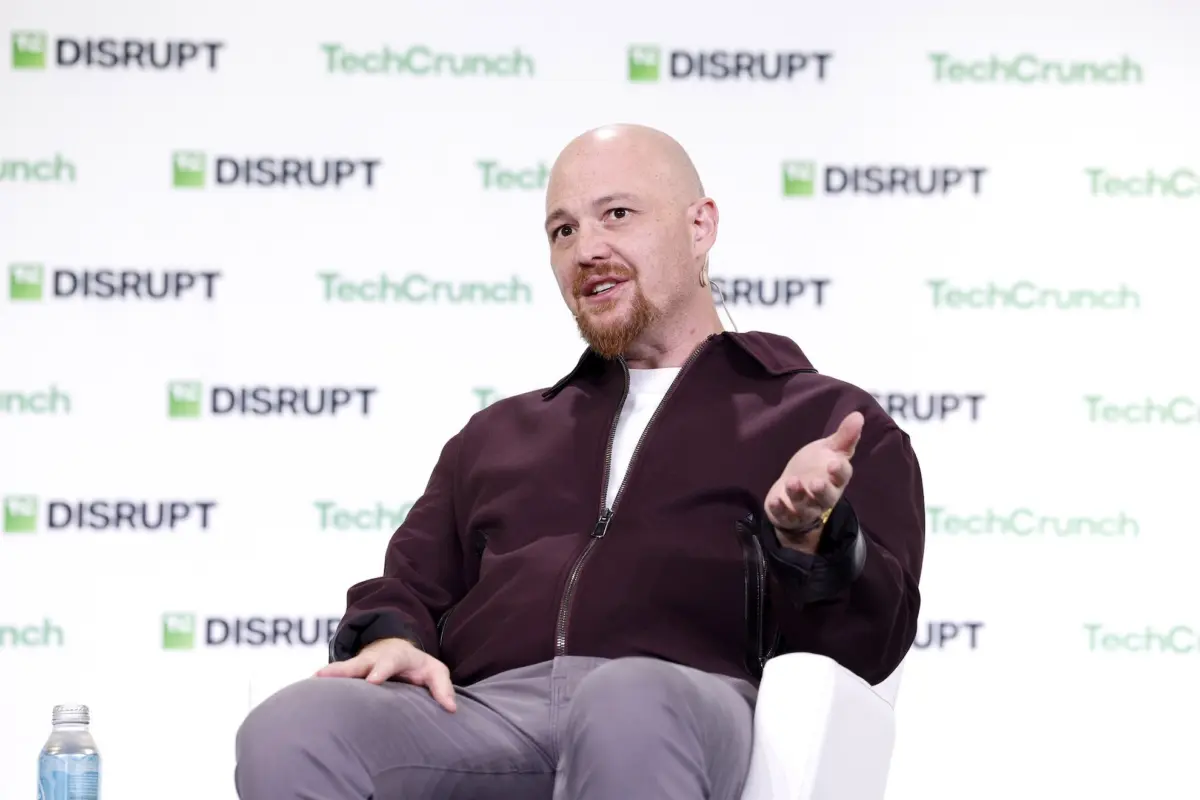
In a dramatic revelation that underscores the volatile supply chains of the artificial intelligence ecosystem, Replit—the cloud-based software development environment favored by millions of developers and startup founders—has publicly signaled a major shift in its core technology partnerships. Speaking live on stage at TechCrunch Disrupt, Replit CEO and co-founder Amjad Masad declared that the company is no longer actively partnering with Anthropic, the high-profile AI safety and research lab responsible for the Claude model family.
Instead, Replit has doubled down on its expanding relationship with OpenAI, opting to anchor its automated coding features to ChatGPT and underlying GPT models. Masad cited a confluence of factors for the pivot, explicitly pointing to unit economics, strategic alignment, and superior real-world performance on Replit’s specialized internal and public benchmarks.
However, the announcement has triggered immediate industry pushback and raised questions regarding the precise state of Replit’s vendor relationships. Sources familiar with the matter quickly disputed Masad’s characterization, claiming that the commercial partnership between Replit and Anthropic remains operational behind the scenes. Furthermore, digital footprints across Replit’s documentation, official technical blogs, and employee communications reveal that Anthropic’s most advanced models were actively driving production workflows mere weeks before the public disclosure.
As AI platforms compete aggressively for developer mindshare, Replit’s sudden pivot highlights the fierce friction occurring behind the scenes. Platform providers are constantly weighing model accuracy, inference speed, API token pricing, and strategic incentives—frequently swapping foundational model vendors to maintain thin margins and technological dominance.
Detailed Chronology
  [ EARLY PARTNERSHIP ] ────► [ AUGUST ] ──────────► [ LATE SEPTEMBER ] ────► [ DISRUPT STAGE ]
  Anthropic Claude powers     Strategic partnership   Claude Fable 5 & Opus    Masad claims total
  Replit Agent; drives        announced with OpenAI   5.5 integrated into      pivot away from
  10x revenue explosion.                              production docs & X.     Anthropic; refuted.
The Early Engine: Anthropic and Replit’s Explosive Growth
To understand the significance of Replit’s transition, one must examine the catalyst that drove its initial product acceleration. Earlier in its AI journey, Replit deeply integrated Anthropic’s Claude suite of large language models (LLMs) into its environment. Claude’s superior reasoning capabilities and strong performance in code generation helped power the "Replit Agent"—an autonomous tool capable of writing, debugging, and deploying software applications from scratch directly within a user’s browser.
This technical integration proved hugely lucrative. According to industry reports, the operational alignment with Anthropic directly contributed to a tenfold (10x) expansion in Replit’s top-line revenue, establishing the cloud IDE as a leading platform for prompt-driven software creation.
The August Pivot: The OpenAI Accord
The first visible crack in Replit’s exclusive posture toward Anthropic appeared when Replit formally announced a strategic partnership with OpenAI. The collaboration brought GPT models natively into the platform, laying the groundwork for a multi-model environment where users could harness OpenAI’s infrastructure. At the time of the announcement, Replit presented the agreement as an expansion of choice rather than an outright replacement of existing infrastructure. There was no public indication that the integration of OpenAI would come at the direct expense of its relationship with Anthropic.
Technical Footprints in Late September
Despite the late-summer deal with OpenAI, operational metrics and developer updates indicated that Anthropic’s models remained central to Replit’s core product stack deep into the third quarter:
- Production Deployment: Technical document updates and official blog posts published by Replit referenced Anthropic’s Claude Fable 5 and Claude Fable 5.1 models operating inside the production environment of Replit Agent.
- Developer Advocacy: Product engineering staff actively showcased Anthropic’s flagship Claude Opus 5.5 model on social media platforms like X, touting its advanced logical reasoning and capability to process complex, multi-file codebases.
The TechCrunch Disrupt Disclosure and Insider Rebuttal
The narrative shifted sharply when Amjad Masad took the stage at TechCrunch Disrupt. When asked about the state of Replit’s underlying infrastructure, Masad explicitly stated that Replit was no longer working with Anthropic, framing the decision as a calculated migration toward OpenAI’s technology ecosystem.
Almost immediately following Masad’s live remarks, industry insiders familiar with the commercial dealings between Anthropic and Replit pushed back against the narrative. Speaking on the condition of anonymity, a source directly acquainted with the agreement asserted that the operational partnership between the two companies was still intact, suggesting a discrepancy between executive-level positioning on stage and the complex reality of enterprise vendor procurement behind closed doors.
Supporting Context & Metrics
Economics, Performance, and the "Vibe-Coding" Standard
The rationale provided by Replit for phasing out Anthropic models centers primarily on three operational vectors: API token costs, commercial alignment, and domain-specific model benchmarks.
               REPLIT MODEL EVALUATION MATRIX
┌───────────────────────┬──────────────────────────────────────────┐
│ Evaluation Vector     │ Primary Driver                           │
├───────────────────────┼──────────────────────────────────────────┤
│ Economic Efficiency   │ Lower token pricing & inference costs    │
│ Strategic Alignment   │ Deep co-marketing & platform deals       │
│ Technical Metric      │ Superior performance on "vibe-coding"    │
└───────────────────────┴──────────────────────────────────────────┘
In the developer tools domain, platform providers face immense pressure regarding inference economics. Running agentic workflows—which execute iterative loops of code generation, terminal execution, error log parsing, and self-correction—requires massive token volume per user session. A slight variation in input/output token pricing between LLM providers can radically alter gross margins for a company offering subscription-based access to AI agents.
Masad highlighted performance as a primary driver, emphasizing how models execute on "vibe-coding"—a burgeoning industry term describing a development paradigm where users construct complex applications through informal, high-level natural language instructions rather than precise architectural design.
To assess model efficacy, Replit evaluates LLMs using both internal testing suites and external public benchmarks, focusing on standardized development projects named Sol and Astra:
      MODEL PERFORMANCE ON APPLICATION BUILD BENCHMARKS
      (Sol & Astra Native Build Environments)

      ChatGPT / GPT-4 Variants  ████████████████████████ 94%
      Claude Series             ████████████████████     81%
                                0%       25%      50%     75%     100%
Note: Conceptual visualization reflecting Replit’s internal preference metrics for zero-shot application generation.
According to Replit’s benchmarking, OpenAI’s latest models consistently outperformed competing LLMs when generating complete full-stack applications from scratch, enabling higher task completion rates with fewer human interventions.
Financial Transformation: The Pivot to Enterprise B2B
The structural pivot in Replit’s model provider strategy coincides with a dramatic shift in its monetization model and customer demographics. Originally built as a consumer-facing cloud compiler and education platform for individual developers, Replit has evolved into an enterprise-grade development environment.
                  REPLIT REVENUE STREAM EVOLUTION

    2023 REVENUE MIX                      PRESENT REVENUE MIX
 ┌──────────────────────┐              ┌────────────────────────┐
 │ Enterprise (2%)      │              │ Enterprise (15%)       │
 ├──────────────────────┤              ├────────────────────────┤
 │                      │              │                        │
 │ Consumer / B2C       │              │ Other B2B / Teams      │
 │ (98%)                │              │ (>35%)                 │
 │                      │              ├────────────────────────┤
 │                      │              │ Consumer / B2C         │
 │                      │              │ (<50%)                 │
└──────────────────────┘ └────────────────────────┘- Enterprise Revenue Share: Enterprise contracts represented a negligible 2% of total revenue. Within a single fiscal cycle, enterprise contracts expanded to account for roughly 15% of overall revenue.
- Total B2B Penetration: Commercial accounts—spanning enterprise tiers, team accounts, and business-focused SMB subscriptions—now generate more than 50% of Replit’s total revenue.
- Annual Recurring Revenue (ARR): While Replit management continues to withhold official ARR figures, the rapid monetization of B2B user segments highlights why Replit requires predictable vendor pricing and highly resilient model APIs.
Official Statements
The Executive Perspective
On stage at TechCrunch Disrupt, Amjad Masad articulated the rationale behind prioritizing OpenAI over Anthropic, citing both qualitative vendor dynamics and quantitative evaluation criteria:
"I think ChatGPT is better now. We publish a public benchmark as well, and consistently, Sol and Astra perform better on building vibe-coded applications from scratch. It was a decision based on both cost, partnership, and performance. And for all these reasons, we just felt like they were a better partner for now."
Masad extended the discussion to address the broader structural architecture required to operate sovereign AI software engineers safely within enterprise environments:
"In the same way that us humans need a certain environment to work—you need a nice office, maybe nice good food in the office, air-conditioning, computer—agents need a habitat for them to exist and do good work. So that habitat has good orchestration, good error recovery, good safety and security and sandboxing, good networking, good identity and authorization. And once you figure all of that out, then you can deploy AI safely."
The Counter-Narrative and Technical Evidence
In response to Masad’s public assertions, direct counter-arguments emerged from stakeholders familiar with the operational state of the partnership.
An insider with knowledge of the vendor arrangement stated unequivocally:
"The partnership between Replit and Anthropic remains actively in place."
This assertion aligns with recent documentation on Replit’s own website, which outlines model selection parameters for the Replit Agent feature suite:
┌────────────────────────────────────────────────────────────────────────┐
│ REPLIT DOCUMENTATION LOG (EXCERPT - LATE SEPTEMBER)                   │
├────────────────────────────────────────────────────────────────────────┤
│ Target Environment : Replit Agent Production Stack                     │
│ Supported Models   : OpenAI GPT-4o, Anthropic Claude Fable 5,         │
│                      Anthropic Claude Fable 5.1, Anthropic Opus 5.5    │
│ Operational Mode   : Dynamic Routing / User Selector                   │
└────────────────────────────────────────────────────────────────────────┘
Future Outlook
The Concept of the "Agentic Habitat"
As Replit scales its enterprise footprint, its long-term product vision hinges on building what Masad terms the "Agentic Habitat." As large language models mature into execution engines capable of running long-horizon workflows, the competitive advantage shifts from the model itself to the surrounding execution environment.
 ┌──────────────────────────────────────────────────────────────────────┐
 │                      THE AGENTIC HABITAT STACK                        │
 ├──────────────────────────────────────────────────────────────────────┤
 │  [ Orchestration Layer ]   Automated Task Decomposition & Loop Control│
 ├──────────────────────────────────────────────────────────────────────┤
 │  [ Security & Sandboxing ] Isolated Virtualized Micro-Containers    │
 ├──────────────────────────────────────────────────────────────────────┤
 │  [ Identity & Auth ]      RBAC, Token Scope & Enterprise Credentials │
 ├──────────────────────────────────────────────────────────────────────┤
 │  [ Resilience Layer ]     Self-Correction & Automated Error Recovery │
 └──────────────────────────────────────────────────────────────────────┘
To enable AI agents to autonomously build and launch software without human intervention, platforms like Replit must deliver robust infrastructure, including:
- Isolated Micro-Containers: Execution sandboxes that prevent malicious or hallucinated code from leaking across memory spaces or network bounds.
- Deterministic Orchestration: Control loops that monitor agent logic, catch syntax exceptions, and handle self-correcting debugging cycles automatically.
- Identity and Permission Scoping: Enterprise-grade identity management ensuring AI agents act strictly within assigned developer access privileges.
Industry Implications and the Battle for the Developer Stack
The friction between Replit, Anthropic, and OpenAI reflects a broader trend across the AI platform ecosystem: software providers are increasingly wary of committing exclusively to a single model vendor.
                             THE AI CODING ECOSYSTEM

        FOUNDATIONAL LABS               MIDDLEWARE / PLATFORMS
     ┌─────────────────────┐           ┌──────────────────────┐
     │   OpenAI (GPT-4o)   │──────────►│        Replit        │
     └─────────────────────┘           │    (Browser IDE)     │
     ┌─────────────────────┐           └──────────────────────┘
     │  Anthropic (Claude) │─ ─ ─ ─ ─ ─►          │
     └─────────────────────┘           ┌──────────────────────┐
     ┌─────────────────────┐           │        Cursor        │
     │   Google (Gemini)   │──────────►│    (Native Fork)     │
     └─────────────────────┘           └──────────────────────┘
                                                  │
                                       ┌──────────────────────┐
                                       │    GitHub Copilot    │
                                       │ (Ecosystem Dominance)│
                                       └──────────────────────┘
As rival development tools—such as Cursor (a heavily modified fork of VS Code), Cognition’s Devin, and Microsoft’s omnipresent GitHub Copilot—compete for developer adoption, Replit’s ability to dynamically route tasks to the most cost-effective, high-performing model will be critical to sustaining its growth.
While Amjad Masad’s statements at TechCrunch Disrupt signal a clear strategic preference for OpenAI, the reality of multi-model orchestration means that the boundary between platform and underlying model vendor will remain fluid. Whether Replit’s shift away from Anthropic represents a permanent rupture or a high-stakes negotiation tactic, it underscores a fundamental market truth: in the enterprise AI space, model loyalty is routinely secondary to performance metrics, margin preservation, and execution speed.