Executive Overview
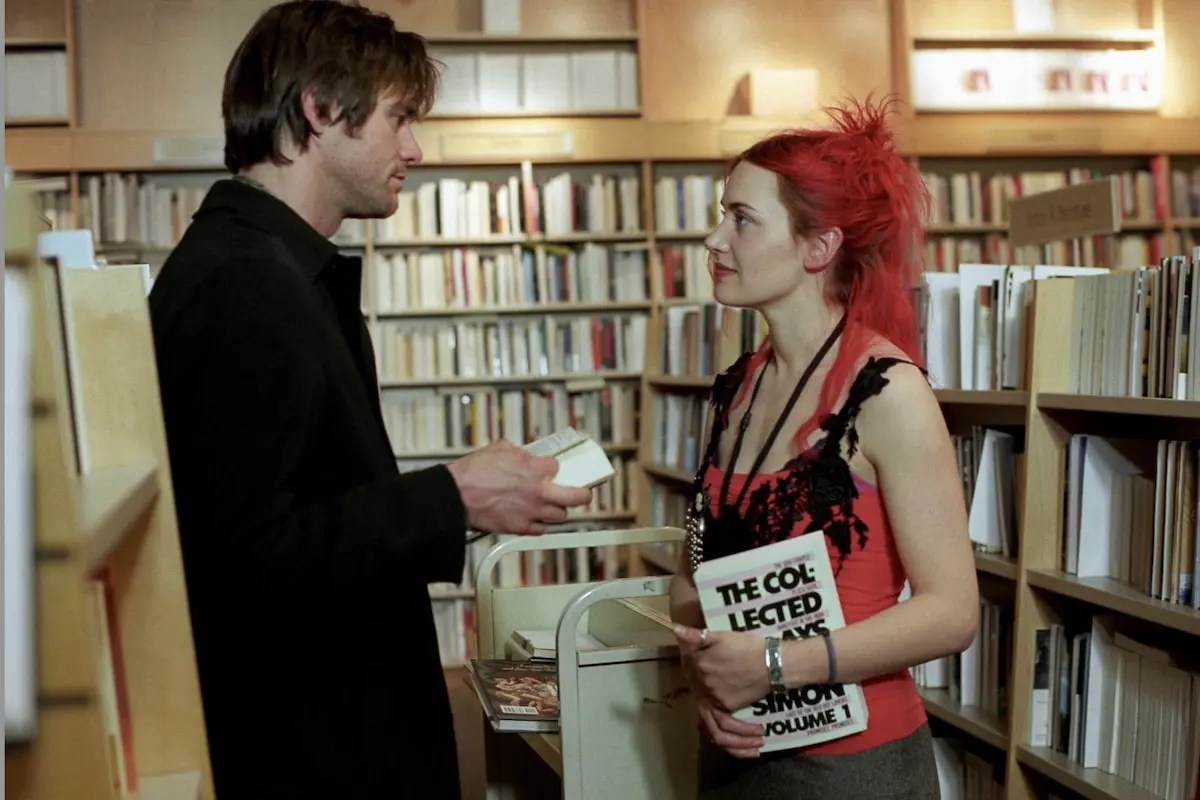
In an era defined by a relentless cultural pendulum swing—oscillating wildly between high-speed digital efficiency and a desperate, aestheticized yearning for the analogue past—a new and quiet battleground has emerged. It is not taking place in corporate boardrooms or tech incubators, but in the narrow, paper-scented aisles of local, independent bookshops.
Across the globe, the timeless ritual of literary discovery is undergoing a radical, troubling transformation. Where readers once lingered over staff-picked recommendations handwritten on index cards, or struck up impromptu conversations with eccentric, encyclopedic booksellers, a growing segment of the reading public is now turning to Large Language Models (LLMs) like ChatGPT, Gemini, and Claude. Armed with prompts seeking titles "similar to Before the Coffee Gets Cold" or "as devastating as Sally Rooney’s latest," modern shoppers are increasingly outsourcing their intellectual curiosity to algorithms.
While nearly six in ten UK adults now incorporate artificial intelligence into various aspects of their daily lives, the migration of book discovery to the digital realm has sent shockwaves through the literary community. Independent booksellers, librarians, and cultural critics are sounding the alarm, warning that algorithmic curation threatens to dismantle the foundational "third spaces" of our communities. Beyond the economic threat to small businesses, this shift portends a sterile, homogenized reading culture: one plagued by algorithmic bias, commercial echo chambers, historic hallucinations—such as major newspapers publishing AI-invented book lists—and, most crucially, the erosion of individual human taste and emotional connection.
Detailed Chronology: The Rise of the Algorithmic Reader
To understand how artificial intelligence breached the sanctuary of the bookshop, one must trace the rapid evolution of convenience culture over the past half-decade.
- The Proliferation of Generative AI (2022–2023): Following the public launch of OpenAI’s ChatGPT, mainstream consumers gained unprecedented access to conversational bots capable of parsing complex queries. Almost overnight, automated search and recommendation generation shifted from a niche tech novelty to a default productivity tool for time-precious workers.
- The Contamination of Mainstream Media (Mid-2024): The cracks in automated curation began to show publicly when media outlets leaned too heavily on automated pipelines. A prominent example occurred when The Chicago Sun-Times published a summer reading list featuring entirely fictional titles—including Nightshade Market by Min Jin Lee and Migrations by Maggie O’Farrell—hallucinated by a chatbot and printed without basic human fact-checking.
- The Shift on the Shop Floor (2025–Present): Independent booksellers began reporting a noticeable behavioral shift among walk-in customers. Rather than browsing tables or seeking guidance from staff, shoppers increasingly entered bookshops physically while mentally anchored in digital space. Interactions shifted from open-ended dialogue to transactional validation: customers arriving with phones in hand, asking staff to track down titles pre-selected by an algorithm.
- Global Institutional Adoption (2026): The trend crystallized internationally. Public institutions, such as regional library systems in South Korea, began rolling out AI-powered kiosk stations that generate hyper-personalized reading lists on demand, explicitly designed to bypass human librarians. This institutional embrace of frictionless, non-human curation widened the divide between efficiency-driven reading and community-based literary exploration.
Supporting Context & Metrics: Convenience vs. Cultural Diversity
The temptation of AI-driven reading recommendations is entirely understandable. Modern life bombards individuals with an unceasing stream of digital noise, professional burnout, and choice paralysis. When faced with millions of published volumes, the promise of a curated reading list generated in three seconds flat acts as a potent psychological balm.
Furthermore, as Madeleine, a London-based bookseller, points out, AI has inadvertently lowered certain psychological barriers to entry: "It’s removed a certain barrier to reading, if you feel intimidated by a large selection of books, or the idea of talking to someone you might perceive as well-read."
Yet, beneath this superficial accessibility lies a deeply flawed ecosystem.
The Mechanics of Algorithmic Bias
Unlike human booksellers—whose reading diets are often eclectic, politically varied, and driven by passion—AI models operate on probabilistic pattern matching. They are structurally bound to commercial interests and popularity metrics.
- The Echo Chamber Effect: ChatGPT and its peers reward what is already popular. They excel at serving up mass-market bestsellers while systematically failing to unearth indie titles, small-press publications, and risk-taking debut authors who desperately need visibility.
- Marginalized Voices: Due to systemic algorithmic bias stemming from training data imbalances, LLMs are statistically less likely to recommend works by authors of color, translated fiction from non-Western traditions, or experimental literature that defies neat categorization.
If millions of readers rely on the same few commercial models for their literary diets, the global reading landscape risks contracting into a monoculture. Taste ceases to be an expression of individuality and becomes a mass-produced commodity dictated by a handful of tech conglomerates.
Official Statements & Industry Perspectives
The backlash against algorithmic encroachment has unified independent booksellers and creative workers across borders, framing the issue not merely as retail competition, but as a defense of human interiority.
The Loss of Emotional Resonance
Independent booksellers emphasize that their trade is fundamentally rooted in empathy—an attribute entirely alien to artificial intelligence.
"Recommending a book is, at its core, recommending an emotion to people. AI can’t feel emotions. Booksellers can."
— Celeste and Ed, Funny Weather (near Hampstead Heath)
This emotional disconnect is frequently palpable when customers test AI-generated recommendations against reality. Danielle Moylan, owner of Lala Books, recalls a perplexed customer who sought help after reading a string of algorithm-recommended books that felt hollow.
"I asked her if she’d used AI," Moylan notes. "There was something about those recommendations. They were in the same genre, but just didn’t have the emotional soul of the first book. They couldn’t have come from a bookseller."
The Threat to Individualism and Creativity
For those working on the frontline of community retail, the stakes involve the very preservation of independent thought. Matt, a bookseller at Morocco Bound in Bermondsey, pulls no punches regarding the societal toll of automated curation:
"Using AI rips away human creativity, makes us dumber, and destroys individualism."
This sentiment is echoed by cultural commentators and creators outside the book trade. Ben, a chef and aspiring novelist, argues that the discomfort of encountering difficult, unexpected, or imperfect books is an essential mechanism for personal growth:
"Just put the book down. Reading a book you don’t love, sitting with that discomfort, is way more useful than reading ten books you like."
Bookseller Madeleine reinforces this philosophy regarding the necessity of intellectual risk: "If you can’t take a risk with the books you’re reading, how are you going to take a risk anywhere else?"
Future Outlook: Reclaiming the Third Space and the Analog Renaissance
As we look toward the remainder of the decade, the cultural war over how we discover art will hinge on a conscious revaluation of "friction."
The efficiency of artificial intelligence promises a frictionless world where every choice is optimized, streamlined, and pre-vetted to match our historical preferences. But in literature, friction is where the magic happens. Stumbling across a bizarre cover on a corner shelf, engaging in a twenty-minute debate with a passionate bookseller about the merits of mid-century Japanese literature, or accidentally purchasing a translation that completely alters one’s worldview—these are the irreplaceable moments of serendipity that define a rich intellectual life.
Independent bookshops—from Morocco Bound and Funny Weather to Lala Books and countless independent storefronts worldwide—serve as vital community "third spaces." They are ecosystems built on care, physical touch, surprise, and human vulnerability.
To safeguard these spaces and our own cognitive autonomy, the path forward is remarkably simple. It requires an intentional act of resistance against the algorithm:
- Forgo the Chatbot: Close the browser tab, put down the phone, and step through the threshold of a local, independent bookshop.
- Embrace the Humble Conversation: Ask a bookseller what they cannot stop thinking about, or share what you are struggling with emotionally rather than generically categorizing your reading preferences.
- Cultivate Productive Discomfort: Take a chance on an unknown author, a translated work from an unfamiliar nation, or a genre outside your comfort zone.
- Value the Tangible: Join local book clubs, discuss your current reads face-to-face with friends, and allow your taste to develop organically through lived human experience rather than algorithmic calculation.
As Danielle Moylan reminds us: "Books are there to be handled, and if you want to have a chat, please do. Community starts with small moments of reaching out to each other."
In a world increasingly mediated by code, choosing to browse, converse, and connect isn’t just an act of support for local retail—it is a radical reclamation of our shared humanity.