Executive Overview
Over the past several years, a quiet yet profound cultural shift has taken place across our social feeds, weekend itineraries, and lifestyle priorities. Snow-capped peaks, rolling emerald meadows, the rhythmic clanging of cowbells, and rustic wooden Alpine cabins have moved from the periphery of traditional vacation tropes into a full-scale cultural obsession. It often feels as though overnight, an entire generation—alongside your best friend’s dog—has transformed into hardened mountaineers clad in high-performance Gore-Tex gear, effortlessly conquering rugged switchbacks and sipping crisp Almdudlers at dizzying altitudes.
This modern hiking boom is far more than a fleeting aesthetic or a localized trend born out of pandemic-era cabin fever. It represents a collective renegotiation of how we spend our leisure time, manage our mental health, and seek out authentic experiences in an increasingly hyper-digital, fast-paced world. Far from being a mere physical pastime, hitting the trails has evolved into a multi-faceted movement centered on personal growth, environmental connection, and community building.
At the vanguard of this movement are innovative collaborations between lifestyle media and industry titans—such as the landmark “Design Your Life” initiative by adidas TERREX and Refinery29. By merging rigorous physical outdoor endurance with introspective life coaching, these programs illuminate a deeper truth: the trails we walk in the physical world often mirror the paths we forge within ourselves. This comprehensive feature explores the anatomy of the modern hiking renaissance, examining why humanity has taken to the hills en masse, the profound psychological and physical dividends of the trail, and how outdoor brands are curating transformative experiences that redefine modern empowerment.
Detailed Chronology: From Fringe Pastime to Cultural Phenomenon
To understand how hiking captured the collective consciousness of contemporary society, one must trace its recent trajectory through distinct cultural milestones over the last decade.
Phase 1: The Digital Detour and the Micro-Adventure Era (2018–2020)
Long before the term "micro-adventure" became a staple of modern lexicon, urban populations were beginning to experience digital fatigue. The constant ping of notifications, the pressure of the attention economy, and the claustrophobia of metropolitan living sparked a counter-movement. City dwellers began looking for accessible escapes that required minimal planning but delivered maximum mental clearance.
During this period, hiking shed its stuffy, hyper-technical reputation. It transformed from an activity associated strictly with hardcore mountaineers into an inclusive, approachable weekend ritual. Social media platforms played a paradoxical role: while digital feeds were saturated with scenic vistas, they simultaneously served as a visual catalyst, inspiring thousands to trade their screens for soil and stone.
Phase 2: The Great Outdoor Migration (2020–2022)
The global disruptions of the early 2020s acted as a massive accelerant for outdoor recreation. With international travel restricted and indoor fitness facilities periodically shuttered, nature emerged as the ultimate, reliable sanctuary. National parks, local nature reserves, and regional trail systems experienced unprecedented foot traffic.
Crucially, this migration was demographically diverse. No longer dominated solely by older generations or traditional outdoor enthusiasts, the trails were suddenly populated by millennials and Gen Z explorers. They brought with them a fresh aesthetic, a penchant for sustainable travel, and a desire to document their journeys—not just for clout, but to share a rediscovered appreciation for the natural world.
Phase 3: The Holistic Integration and Empowerment Movement (2023–Present)
Today, hiking has evolved beyond a weekend hobby into a holistic framework for self-care, mental resilience, and community. The contemporary hiker does not simply walk from point A to point B; they use the journey as a moving meditation.
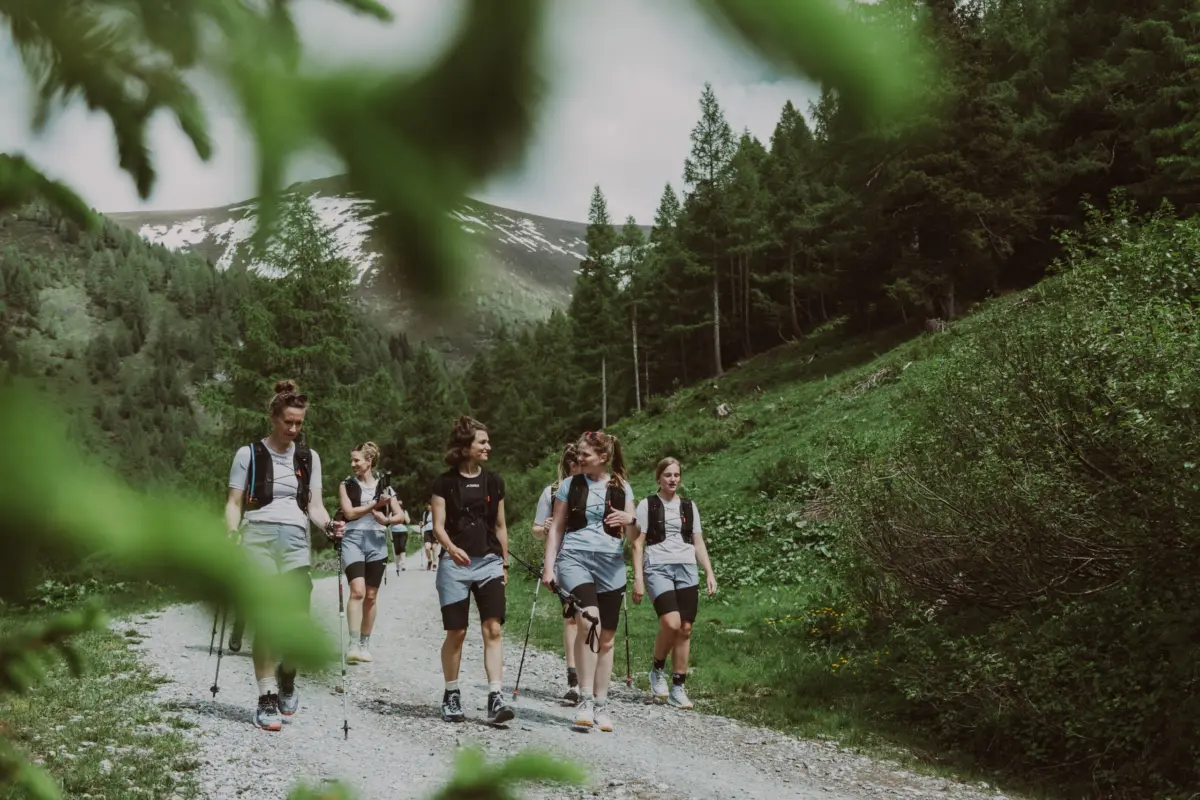
Recognizing this profound shift, forward-thinking brands and organizations have begun curating bespoke outdoor experiences that blend athleticism with personal development. Programs like the adidas TERREX “Design Your Life” hiking days—hosted in breathtaking locations like Germany’s iconic Malerweg in the Elbe Sandstone Mountains—exemplify this modern synthesis. By combining expert-led workshops, leadership coaching, and immersive wilderness treks specifically designed for women, the outdoor industry is actively participating in a cultural dialogue about empowerment, resilience, and intentional living.
Supporting Context & Metrics: Why We Trek
What drives millions of people to voluntarily haul themselves up steep inclines, enduring burning lung capacities and aching quadriceps, only to arrive at a windy summit and beam with exhausted satisfaction? The motivations are as diverse as the landscapes themselves, yet psychological and physiological research points to several core pillars.
1. Universal Accessibility and Economic Equity
Unlike sports that require expensive memberships, specialized facilities, or prohibitive equipment costs, hiking remains remarkably democratic. In its purest form, it requires nothing more than two functional legs and a sense of curiosity. Whether you are a wide-eyed novice stepping onto a trail for the first time or a seasoned trekker equipped with state-of-the-art navigation gear, the path welcomes all. Furthermore, micro-adventures and day-long getaways make it possible for individuals without the time or budget for extended expeditions to reap the rewards of nature right outside their local city limits.
2. The Healing Power of Green Spaces
The mental health benefits of immersion in nature—often referred to by environmental psychologists as "attention restoration theory"—are well-documented. Escaping the cognitive load of urban environments allows our directed attention to rest, mitigating mental fatigue.
- Stress Reduction: Time spent among trees and natural landscapes has been shown to lower cortisol levels, reduce blood pressure, and alleviate symptoms of anxiety.
- The Digital Fast: Unplugging from devices fosters a deep sense of presence. Without the distraction of emails and notifications, hikers can process complex emotions, engage in profound conversations with companions, or simply enjoy the restorative power of silence.
3. Somatic Awareness and Physical Empowerment
In an era where much of our physical exertion is confined to sterile gym environments—staring at digital screens on treadmills or hiding behind heavy gym benches—hiking reintroduces us to raw, functional movement.
- Kinesthetic Feedback: There is an undeniable grounding effect in feeling the uneven terrain beneath your soles, sensing the steady power in your thighs, and noticing your breath synchronize with the climb.
- Overcoming Adversity: The physical challenge of a steep ascent demands mental fortitude. When you push past the point of fatigue, your body performs an immense service, delivering you to a vantage point that rewards every drop of sweat. This physical triumph invariably spills over into mental resilience, teaching the brain that obstacles can be systematically overcome, step by step.
Official Statements and Industry Insights
The intersection of outdoor apparel, brand ethos, and mental health advocacy has created a powerful synergy within the modern sports industry. Major players are no longer content with merely selling gear; they are investing heavily in community-building and transformative consumer experiences.
The Philosophy of adidas TERREX
Brands like adidas TERREX have positioned themselves at the forefront of this cultural movement by championing the belief that outdoor exploration is a catalyst for personal transformation. By creating spaces where women can challenge their physical limits while engaging in deep self-reflection, the brand acknowledges that the modern outdoor consumer seeks more than performance wear—they seek purpose, connection, and empowerment.
In promotional frameworks surrounding initiatives like the Elbe Sandstone Mountains workshop, representatives emphasize that the mountains serve as an unmatched classroom. On the trail, decisions must be made in real-time: Do you push forward, or do you take a much-needed rest? How do you support a struggling companion? These micro-decisions on the trail mirror the macro-decisions we face in our professional and personal lives, making the wilderness an ideal landscape for cultivating life skills.
Future Outlook: The Trail Ahead
As we look toward the future of outdoor recreation and lifestyle culture, several clear trends and projections emerge:
1. The Rise of Intentionally Curated Outdoor Communities
While solo hikes will always hold a sacred place for introspective solitude, the demand for communal outdoor experiences is surging. Group hikes, women-led adventure workshops, and eco-conscious trekking clubs are filling a deep-seated societal need for belonging. As traditional community structures evolve, the trail is rapidly becoming the new town square—a place where authentic bonds are forged over shared struggles and breathtaking views.
2. Sustainability and Conscious Exploration
With the influx of new hikers exploring local and regional landscapes, the imperative for sustainable outdoor ethics has never been higher. The future of hiking will rely heavily on education surrounding "Leave No Trace" principles, supporting regional conservation efforts, and utilizing eco-friendly, durable gear that respects the very ecosystems we seek to enjoy. Brands and outdoor enthusiasts alike are recognizing that protecting our natural playgrounds is a prerequisite for continued exploration.
3. The Continuous Integration of Mind and Body
The boundary between physical fitness and mental wellness will continue to blur. Future outdoor programs will increasingly integrate mindfulness practices, professional coaching, and creative workshops into traditional expedition formats. The goal is no longer just physical peak performance, but holistic human flourishing—equipping individuals with the mental tools to navigate an uncertain world with the same grace, resilience, and trueness of footing they discover on the mountain trails.
Ultimately, the hiking boom is not merely about reaching the summit or securing the perfect photograph for a digital feed. It is a profound, embodied reminder of our capacity for growth. Every step upward is an active, conscious choice—a tangible demonstration that no matter how steep the incline or how thin the air, we possess the inner strength to keep moving forward, one breathtaking step at a time.