

Executive Overview
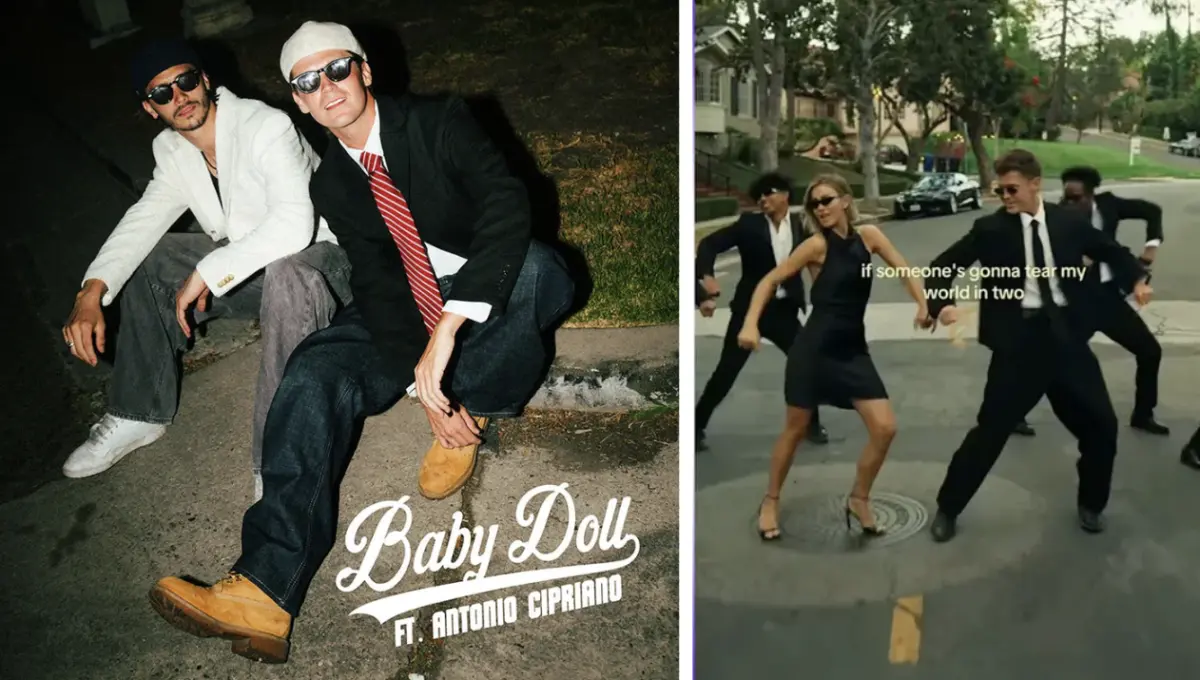
In the fast-paced ecosystem of modern social media, few phenomena capture the public imagination quite like a viral dance trend. By late 2026, the digital landscape found itself under the spell of a new sensation: the Babydoll Dance Trend, colloquially known as the Baby Doll Dance. Set to the infectious, upbeat rhythms of Welsh singer and former The Voice UK finalist Jamie Miller’s single "Babydoll"—released on August 7, 2026—this beginner-friendly two-step routine quickly transformed from a modest promotional push into a cross-platform cultural touchstone.
Characterized by its accessible choreography—featuring a blend of chugs, side steps, ball changes, step-touches, expressive arm circles, and a playful shoulder shimmy—the dance struck a rare chord in the online community. Unlike hyper-technical routines that alienate casual users, the Babydoll Dance was engineered for mass replication. Its rapid ascent, however, was not solely a product of organic platform mechanics. It serves as a textbook modern case study of how a combination of artist-driven pre-release teasing, strategic influencer amplification, and celebrity endorsement can catalyze explosive engagement.
This report provides a comprehensive investigative overview of the Babydoll Dance Trend, detailing its genesis, the mechanics of its spread, the pivotal role played by high-profile figures like actress Jennifer Love Hewitt, and its lasting footprint on the digital culture of late 2026.
Detailed Chronology: From Studio to Screen
The Genesis: Jamie Miller and "Babydoll"
The journey of the Babydoll Dance Trend began well before the official drop of the track. Jamie Miller, whose vocal talents first won audiences over on The Voice UK, had been building anticipation for his upcoming release throughout the summer of 2026. "Babydoll" was officially unleashed to streaming platforms on August 7, 2026, heralded by a high-production music video uploaded to Miller’s official YouTube channel on September 18, 2026. Within a single month, the visual accompaniment amassed over 3.2 million views and nearly 44,000 likes, signaling a robust foundational audience.
However, recognizing the modern necessity of short-form video integration, Miller and his team understood that the track’s success would hinge on interactive elements. Weeks prior to the official release, Miller began uploading teaser videos to TikTok, introducing a simple, upbeat choreography designed to accompany the song’s chorus.
On July 24, 2026, an early promotional post on Miller’s TikTok account (@jamiemillmusic) offered users their first clear look at the routine. Featuring the caption, "I wanna feel like this forever," the video struck an immediate chord, pulling in over 2.9 million views and racking up more than 322,000 likes in roughly three months. Despite these impressive baseline numbers, the trend had not yet crossed the threshold into runaway viral territory. That tipping point required an unexpected catalyst.
The Catalyst: Jennifer Love Hewitt’s Organic Discovery
The trajectory of the Babydoll Dance changed overnight thanks to an organic discovery by veteran actress Jennifer Love Hewitt. Known for her active social media presence, Hewitt stumbled upon the track and was immediately captivated by its melodic charm.
On August 12, 2026, Hewitt—posting under the handle @jenniferhallisay on TikTok—shared a video of herself playing a piano cover of "Babydoll." Accompanying the performance with a caption noting how playing around with the tune brought a smile to her face, the video quickly garnered over 152,000 views and 24,000 likes. More importantly, it served as a bridge between Miller’s dedicated music fanbase and a broader demographic of Millennial and Gen Z users who grew up watching Hewitt’s storied acting career.
Recognizing the cultural weight of this endorsement, Miller swiftly capitalized on the momentum. On August 17, 2026, the singer posted a collaborative dance video featuring Hewitt set to "Babydoll." The cross-pollination of audiences was instantaneous. The post surged to over 2.7 million views and 229,000 likes, cementing the partnership and giving the nascent dance trend the mainstream validation it needed to explode across the algorithm.
Exponential Growth and Mainstream Saturation
With the blueprint validated by Miller and Hewitt, the Babydoll Dance Trend entered its explosive phase through late August, September, and October 2026. The algorithm favored the trend due to its high completion rate—users would watch the short, rhythmic loops repeatedly, drawn in by the approachable yet engaging choreography.
On September 28, 2026, prominent TikTok creators @shelbanddyl shared their rendition of the dance. Their annual couple’s dance format resonated deeply with the platform’s user base, pulling in an astonishing 7.6 million views and 671,500 likes within three weeks. Just two days later, on September 30, pop star Perrie Edwards (posting as @perrie) joined the movement, sharing a sleepover-themed dance video alongside Renae Hughes that netted 2.4 million views in less than three weeks.
The trend soon transcended traditional influencer boundaries, bleeding into family-oriented and multi-generational content. On October 6, 2026, the account @dadandcloshow uploaded a heartwarming and humorous video documenting a creator teaching her father the choreography. The relatable, lighthearted struggle of mastering the steps struck a chord with everyday users, surpassing 2 million views and 159,000 likes in under a fortnight.
Supporting Context & Metrics: Decoding the Virality
To truly understand why the Babydoll Dance Trend resonated so deeply, one must examine the specific anatomical components of the choreography and the psychological triggers that drive user participation on short-form video platforms.
Choreographic Mechanics
The choreography for "Babydoll" was meticulously crafted—whether by design or fortunate accident—to maximize participation. Dance trends that demand elite athletic ability or intense spatial awareness often suffer from high barrier-to-entry friction; users watch them for entertainment rather than recreation.
In contrast, the Babydoll routine relies on foundational, low-impact movements:
- The Chug & Side Step: Providing a steady lateral movement that keeps the dancer centered in the frame.
- Ball Changes & Step-Touches: Classic, rhythm-driven footwork elements that require minimal coordination while maintaining a lively tempo.
- Arm Circles & Shoulder Shimmies: Upper-body flourishes that allow creators to inject personality, facial expressions, and humor into their performances without throwing off their balance.
This structural simplicity turned the trend into an egalitarian space. Whether executed by professional dancers, famous actresses, musical artists, or hesitant fathers attempting the routine in their living rooms, the dance accommodated all skill levels.
Platform Metrics and Cross-Pollination
While TikTok served as the primary incubator for the trend—driven by its robust music-licensing library and hyper-personalized "For You" page algorithm—the Babydoll phenomenon demonstrated exceptional cross-platform durability. As the weeks progressed, content creators systematically mirrored their TikTok successes onto Instagram Reels, YouTube Shorts, and X (formerly Twitter).
Search interest metrics captured a parallel surge. As millions of users encountered the sound clip organically, queries for "Jamie Miller Babydoll lyrics," "Baby Doll dance tutorial," and "Jennifer Love Hewitt piano cover" spiked across search engines. This search behavior created a virtuous feedback loop: curiosity drove external web searches, which in turn directed traffic back to streaming platforms and social media feeds, keeping the song high on global viral charts.
Case Studies: Diverse Interpretations of the Trend
As the Babydoll Dance matured through October 2026, creators began subverting, personalizing, and expanding upon the core choreography. This creative divergence is a definitive marker of a healthy, self-sustaining viral trend.
1. The Humorous Interlude: @daddyandcarly
Among the more viral variations was a submission by user @daddyandcarly, which featured a humorous take on the choreography. Subverting the energetic expectations of the trend, the creator joked that her father’s favorite version of the dance move was affectionately dubbed "The Couch Potato." This self-deprecating humor resonated with audiences who appreciated the lighthearted puncture of overly polished internet perfection, generating millions of views and demonstrating that failing or modifying the dance could be just as entertaining as nailing it.
2. Aesthetic and Lifestyle Adaptations: @ashleyguijt and @stxvxntran
Creators like @ashleyguijt and @stxvxntran utilized the trend to project distinct lifestyle aesthetics. While Ashley Guijt focused on crisp, clean execution that aligned with mainstream fashion and lifestyle content on TikTok, @stxvxntran integrated the routine into unexpected subcultures, notably motorcycle and biker communities. By juxtaposing the soft, romantic undertones of Jamie Miller’s vocals and the bubbly choreography with rugged, unconventional backdrops, these creators expanded the demographic reach of the trend far beyond its initial pop-music demographic.
3. Community Engagement: @javajoe54
The trend also fostered collaborative amateur content. User @javajoe54 documented a multi-generational group effort, highlighting how learning the routine became a social activity. Titled simply around the persistence required to get the steps right ("It took a few tries, but we finally learned the Babydoll dance"), such videos emphasized the community-building aspects of digital dance trends—transforming solitary scrolling into an active, shared offline-to-online experience.
Official Statements and Industry Impact
While major record labels and independent artists frequently attempt to manufacture viral moments by paying influencers to push specific audio tracks, the trajectory of Jamie Miller’s "Babydoll" highlights the enduring potency of hybrid strategies: combining authentic artist-led promotion with organic celebrity adoption.
In interviews and digital updates following the song’s takeoff, representatives for Jamie Miller noted that the track was envisioned as an emotional pop ballad first, with its rhythmic sensibilities acting as an unexpected vehicle for movement. Industry analysts have pointed to the campaign as a masterclass in modern music marketing. By releasing the track with pre-baked choreographic assets (such as Miller’s own early July promotional videos), the artist provided a ready-made toolkit for the internet.
When Jennifer Love Hewitt independently engaged with the material, it validated the track’s broad emotional appeal—proving that the song resonated across generations, from Gen Z digital natives to Millennial and Gen X pop culture veterans. Consequently, "Babydoll" transitioned from a standard single release into a cultural moment, boosting Miller’s streaming numbers, expanding his subscriber base across YouTube and TikTok, and securing his footprint in the competitive landscape of 2026 pop music.
Future Outlook
As the calendar turns past the peak of the late 2026 digital cycle, the longevity of the Babydoll Dance Trend offers valuable insights into the future of social media choreography.
Viral trends are notoriously fleeting, often burning brightly for a few weeks before being subsumed by the next algorithmically favored obsession. However, songs that successfully anchor themselves to physical movements—such as the two-step routine created for "Babydoll"—tend to enjoy extended shelf lives on streaming services long after the initial wave of video submissions plateaus.
For Jamie Miller, the success of the Babydoll Dance Trend establishes a formidable baseline for his future releases, proving that his creative team understands how to bridge the gap between traditional vocal performance and interactive short-form video culture. For the broader digital ecosystem, the trend stands as a reminder that virality cannot always be forced through corporate mandate; rather, it thrives when an artist provides the spark, trusted influencers fan the flames, and the global community is given the creative freedom to make the art their own.




