Executive Overview
The debate surrounding capital punishment in the United States has long hinged on the sanitized illusion of painless termination. For decades, states have relied on medicalized procedures—primarily lethal injection—to shroud the inherent brutality of state-sanctioned killing in a veneer of clinical modernity. However, the catastrophic failure of Tennessee’s September 30 attempt to execute death row inmate Christa Pike has violently stripped away this illusion.
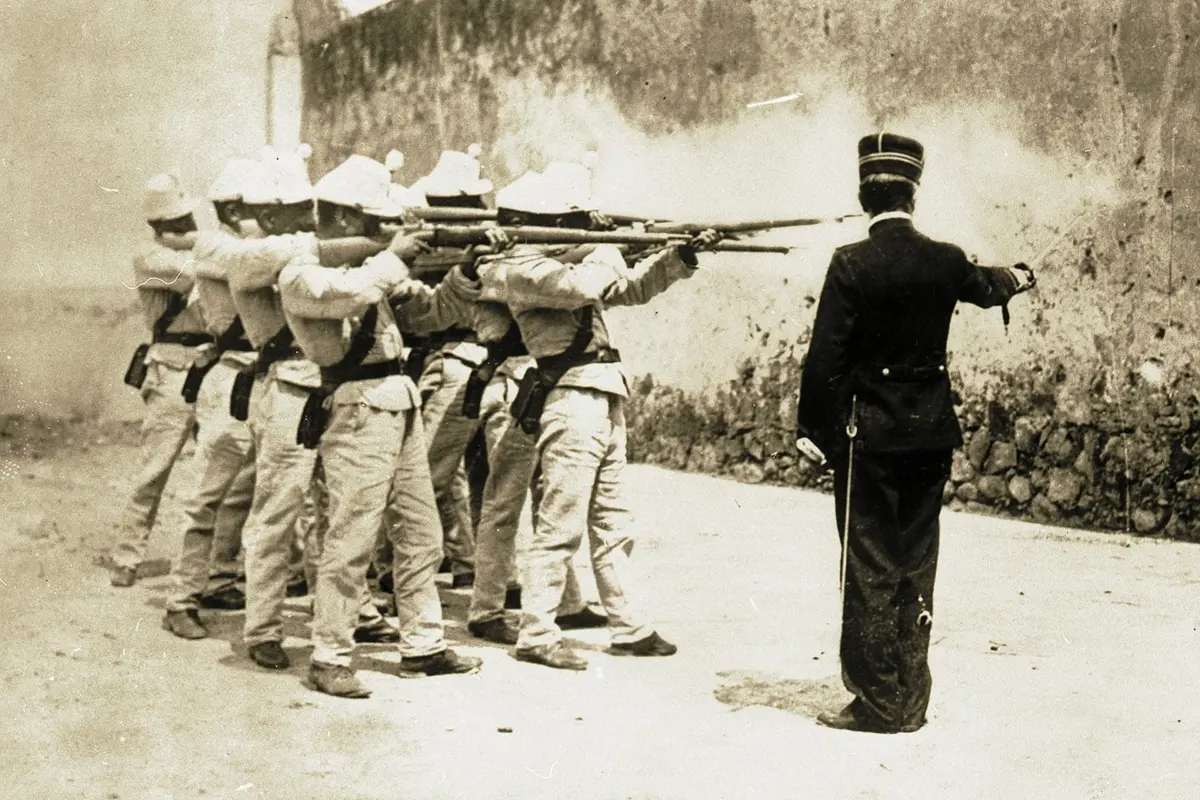
Pike’s ordeal—characterized by compromised venous access, severe physical trauma, emergency hospitalization, and eventual revival only to be shackled to a hospital bed—has forced a reluctant public and legal establishment to confront a grim question: If the state must take a life, which method is genuinely less cruel: the deceptive agony of the lethal injection and nitrogen hypoxia, or the raw, unvarnished violence of a firing squad?
Drawing on expert medical testimony, investigative autopsy findings, and firsthand accounts from spiritual advisors who have witnessed numerous executions, this article examines the mechanics of modern execution methods. It reveals how the quest for a "humane" execution has routinely resulted in profound suffering, prompting some abolitionists and death row inmates alike to reevaluate methods once dismissed as medieval relics.
Detailed Chronology: The Botched Execution of Christa Pike
The events surrounding Christa Pike’s scheduled execution on September 30 mark one of the most glaring failures in the modern history of American capital punishment.
The Warnings Before the Chamber
Weeks before the scheduled execution date, legal counsel for Pike raised severe concerns regarding her physical condition. Pike suffers from complex medical issues, including small, compromised veins and a pre-existing blood condition. Recognizing the high probability of procedural failure, Pike’s legal team retained Dr. Joel Zivot, an intensive care physician and outspoken critic of capital punishment methods.
Dr. Zivot formally warned state officials that attempting a standard intravenous lethal injection on Pike would likely result in catastrophic complications. Specifically, he cautioned that inserting lines into compromised vasculature could lead to extravasation—where the lethal drugs leak into surrounding tissue rather than entering the bloodstream directly—prolonging the process and causing excruciating localized pain and tissue necrosis.
The Execution Chamber Failure
Despite these warnings, the state proceeded with the execution protocol on the evening of September 30. Administrators administered two doses of the lethal sedative pentobarbital. As Dr. Zivot and other medical experts predicted, the intravenous lines failed to establish proper systemic access, causing the drugs to pool in Pike’s arm tissue rather than inducing rapid central nervous system shutdown.
Rather than dying quickly and quietly, Pike was subjected to a prolonged, agonizing medical emergency behind closed doors. When it became clear that the execution was neither proceeding as planned nor resulting in death, prison officials took the extraordinary step of halting the process.
Hospitalization and Legal Limbo
Pike was urgently removed from the execution facility and transported to an outside hospital. There, medical personnel intubated her and placed her on a mechanical ventilator to sustain her life.
After days in intensive care, Pike regained consciousness. She now occupies a horrific legal and physical limbo: conscious, recovering from emergency medical intervention, and shackled to a hospital bed. Her failed execution has not only sparked profound constitutional and ethical questions regarding the definition of cruel and unusual punishment, but it has also thrust Tennessee’s Department of Correction into the center of a national firestorm regarding the operational viability of its execution protocols.
Supporting Context & Metrics: The Illusion of Clinical Cleanliness
To understand the public acceptance of lethal injection, one must examine how the procedure was intentionally designed to mimic a peaceful medical procedure rather than a penal execution.
The Myth of the "Peaceful" Lethal Injection
Introduced decades ago as a supposedly humane alternative to the electric chair and the hangman’s noose, the three-drug (and later single-drug) lethal injection protocol was heavily endorsed for its clinical appearance. The use of sterile needles, intravenous drips, and personnel wearing surgical or professional attire creates what Dr. Zivot describes as "a sheen of modernity, technological advancement, even sophistication."
Yet, extensive autopsies and forensic pathology reviews paint a starkly different picture. Independent analyses of individuals executed via lethal injection—particularly those involving pentobarbital or midazolam-based protocols—reveal terrifying internal pathology. Far from drifting off to sleep, many inmates experience pulmonary edema, effectively drowning in their own blood and bodily fluids as fluid accumulates in their lungs while they remain paralyzed by chemical agents.
Exploring Alternative Methods: Nitrogen Hypoxia
As pharmaceutical companies increasingly restrict the sale of drugs used in lethal injections, states have scrambled for alternatives. One such method is nitrogen hypoxia, which involves forcing an inmate to breathe pure nitrogen gas through a specialized mask, displacing oxygen and causing death by suffocation.
States have touted nitrogen hypoxia as a clean, bloodless alternative. However, eyewitness accounts tell a harrowing story. The Rev. Jeff Hood, a Catholic priest and founder of the Execution Intervention Project who has witnessed nearly a dozen executions, describes nitrogen hypoxia as intensely traumatic.
According to Hood, the execution mask—extending from the hairline to beneath the chin—traps bodily fluids as the inmate suffocates. Saliva, mucus, tears, and gastric contents pool within the mask, creating a cascading waterfall effect of fluids that is visible to witnesses. The physical reality of the process is anything but clinical; it is a violent, protracted struggle for air.
Official Statements and Expert Perspectives
The psychological and physical toll of witnessing executions has driven a profound shift in how legal scholars, medical professionals, and spiritual leaders view capital punishment methods.
The Medical Perspective: Dr. Joel Zivot
Dr. Zivot has consistently argued that the medicalization of execution is an ethical violation of the healing arts and a deceptive practice for the public.
"My work on autopsy analyses of executed individuals reveals that lethal injection kills not quietly and peacefully, but instead by drowning the executed prisoner in their own blood," Zivot noted in previous evaluations of state execution protocols. "Lethal injection involves individuals with health care training, giving it a sheen of modernity… [that] hides the cruelty that is inherent in killing someone."
The Witness Perspective: Rev. Jeff Hood
In a recent interview discussing the psychological reality of executions, Rev. Jeff Hood reflected on the question of whether any execution can truly be considered "good" or humane:
"Well, none of them are good, but there are some that function certainly more systematically than others," Hood stated. Comparing methods he has witnessed, he noted that standard lethal injections appear comparatively orderly only because the chemical paralysis masks the internal chaos, whereas methods like nitrogen hypoxia display the raw horror of biological failure directly to witnesses.
When asked to choose between modern methods and a firing squad, Hood’s assessment is stark:
"If I had to choose between a nitrogen execution and firing squad, I would choose a firing squad every day of the week. If I had to choose between a lethal injection and a firing squad, I would choose a firing squad every day of the week. Why? It’s a lot quicker. I think it’s a lot more humane, to be quite frank."
Hood emphasizes that the appeal of the firing squad—paradoxically, to some death row inmates—is its absolute finality and speed. Unlike chemical protocols prone to intravenous failure or mechanical asphyxiation leaks, a coordinated rifle volley targets vital organs with immediate, devastating kinetic energy.
Future Outlook: The Return of the Firing Squad and the Constitutional Crisis
Christa Pike’s botched execution has accelerated a dark calculus within the American legal system. As states struggle to acquire execution drugs and face mounting legal challenges over the constitutionality of botched lethal injections and nitrogen gas chambers, several jurisdictions are actively reconsidering or expanding authorization for the firing squad.
The Implication of Forced Transparency
The resurgence of the firing squad introduces a profound philosophical and political dilemma for proponents of the death penalty. Methods like lethal injection and nitrogen hypoxia allow the state to hide the visceral reality of death behind medical drapes and opaque chamber glass.
Conversely, a firing squad forces absolute transparency. It requires state actors, witnesses, and the public to confront the raw, bloody mechanics of state-sponsored killing. As Rev. Hood points out, utilizing a firing squad forces "everyone to see, to hear, to feel the execution in a way that other methods don’t."
This transparency creates a high barrier for states:
- Operational Complications: Finding willing volunteer shooters and retrofitting secure execution facilities to handle ballistic requirements presents significant logistical hurdles.
- Political Fallout: The overt violence of firearms makes the sanitization narrative impossible to sustain, potentially galvanizing public opposition.
Conclusion: A Hellish Middle Ground
As Christa Pike recovers under armed guard in a hospital bed, her future remains uncertain. Whether the state of Tennessee will attempt to schedule a secondary execution or whether her legal team will successfully commute her sentence based on constitutional protections against cruel and unusual punishment remains to be seen.
However, the broader cultural and legal takeaway is undeniable. Pike’s case has unmasked the fundamental fiction of modern execution methods. Whether through a failing intravenous line, a leaking gas mask, or a rifle barrel, the machinery of death remains inherently brutal. As the debate over lethal injection versus the firing squad continues to evolve, the American public is forced to reckon with an inescapable truth: there is no clean way for the state to take a human life.