
Executive Overview
In the grand tradition of video game role-playing games (RPGs), the overarching promise has historically been one of unyielding empowerment. Players are cast as the Chosen One—an idealized, hyper-competent proxy designed to effortlessly conquer adversity, outsmart brilliant tacticians, and save the world against insurmountable odds. It is a comforting power fantasy, offering a clean vacation from the mundane friction and chronic incompetence of everyday life.
Yet, as the genre matures, a fascinating counter-movement is taking shape. PC Gamer Online Editor Fraser Brown recently examined this industry-wide obsession with flawlessness, arguing that constant victory inevitably breeds monotony. While titles like The Witcher and Mass Effect rely on unflappable protagonists who never slip on ice or suffer public indignity, the true magic of interactive storytelling often lies in the opposite direction.
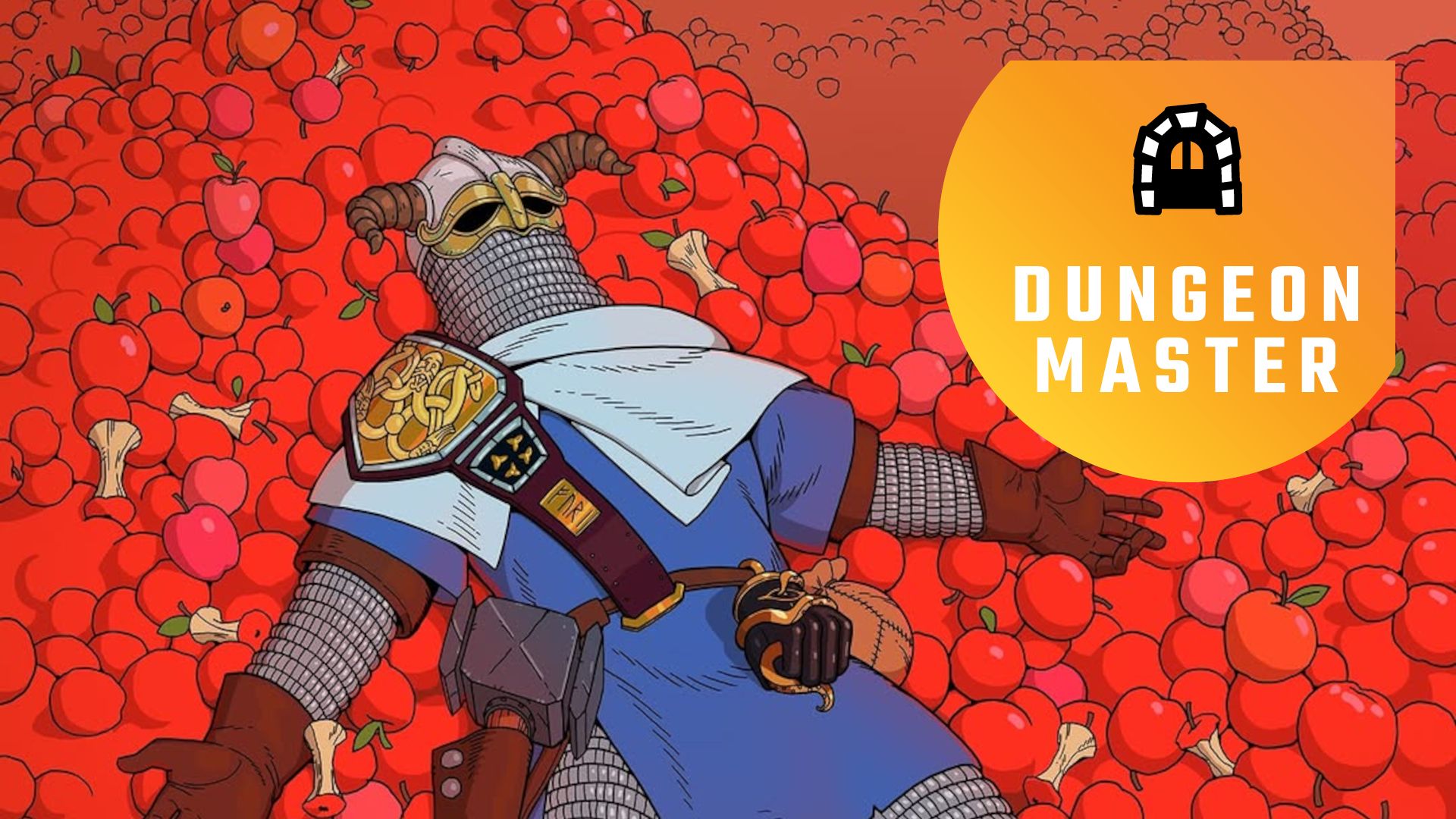
Today, a new generation of Computer Role-Playing Games (CRPGs) and Tabletop Role-Playing Games (TTRPGs) are discovering that "idiots have more fun." By trading sterile, predictable power fantasies for systems that embrace Murphy’s Law, games like Baldur’s Gate 3, Disco Elysium, Esoteric Ebb, and Kingdom Come: Deliverance 2 are proving that the most memorable gaming anecdotes are born from failure, poor decision-making, and catastrophic miscalculations.
Detailed Chronology: The Evolution of Failure in RPG Design
The Era of the Flawless Hero (Early CRPGs to the 2010s)
For decades, early digital role-playing games were heavily influenced by tactical combat and rigid progression curves. Success meant optimizing statistics, minimizing mistakes, and driving inexorably toward a predetermined narrative climax.
- The Punishment Paradigm: In early RPG design, failure was treated as a binary state. Failing a skill check or losing a critical battle usually resulted in an abrupt "Game Over" screen or forced the player to reload a previous save. This design philosophy communicated a strict underlying message: there was only one correct path, and deviations were penalized.
- The Illusion of Danger: Even when branching narratives were introduced, developers often constructed safety nets. Players could make questionable choices, but the overarching narrative quickly corrected course, ensuring the protagonist remained spotless, righteous, and ultimately triumphant.
The Tabletop Roots of Chaos
While digital RPGs sanitized the hero’s journey, Tabletop Role-Playing Games (TTRPGs) leaned in the exact opposite direction. Systems rooted in horror and survival—such as Call of Cthulhu and Mothership—thrived on misfortune.
- Embracing the Critical Fail: Dice systems with natural failures introduced genuine risk. Players learned to love the comedic and dramatic potential of cursed rolls.
- Improv Comedy and Tragedy: TTRPGs functioned less like strict military campaigns and more like collaborative improvisational theater. A party of bumbling adventurers who accidentally insulted a local noble or set fire to a tavern produced far more legendary campaign stories than a group of hyper-optimized heroes clearing a dungeon efficiently.
The Modern Renaissance of the Anti-Hero and the Misfit (Present Day)
In recent years, CRPGs have successfully bridged the gap between digital interactivity and tabletop chaos, introducing mechanics that actively reward players for making disastrous decisions.

- Baldur’s Gate 3 (2023): Larian Studios married cinematic presentation with unpredictable dice mechanics, ensuring that failure was constantly nipping at the player’s heels. Choosing paths like the Dark Urge introduced unscripted, chaotic consequences that subverted traditional heroism.
- Disco Elysium, Zero Parades, and Esoteric Ebb: These titles codified the "failure-as-content" design philosophy. Instead of punishing the player, failed skill checks opened up entirely new branches of dialogue, psychological breakdowns, and bizarre side objectives—such as running an election campaign for a position the player was not even running for.
Supporting Context & Metrics: Why Imperfection Drives Engagement
To understand why players are increasingly drawn to flawed protagonists, we must look at player psychology and narrative design metrics. According to recent qualitative studies within the gaming community, narrative-driven RPGs achieve higher player retention and emotional resonance when consequences feel permanent and unpredictable.
The Mechanics of Consequence
When a game permits failure without instantly ending the session, it transforms a mechanical setback into a storytelling engine. Consider the following structural differences in modern RPG design:

| Design Approach | Traditional Power Fantasy | Modern Permissive RPGs |
|---|---|---|
| Core Objective | Eliminate obstacles efficiently. | Navigate complications and fallout. |
| Handling Failure | Game Over / Reload Save. | Narrative branching / New complications. |
| Player Emotion | Satisfaction of mastery. | Surprise, amusement, and tension. |
| Anatomy of a Story | "I arrived, fought, and won." | "I botched the plan, got chased by town guards, but somehow scraped through." |
The "Underdog Effect"
As Fraser Brown notes through his experience with Kingdom Come: Deliverance 2, getting caught during a heist and subsequently being forced to compete in a high-stakes swordfighting tournament under heavy handicaps fundamentally altered the emotional payoff of victory. When a player succeeds despite their own incompetence, the resulting triumph feels infinitely more earned than a pre-ordained victory handed down by destiny.
Official Industry Perspectives & Developer Insights
Game directors and narrative designers across the industry have increasingly championed permissive game systems that treat player mistakes not as bugs to be avoided, but as vital narrative textures.
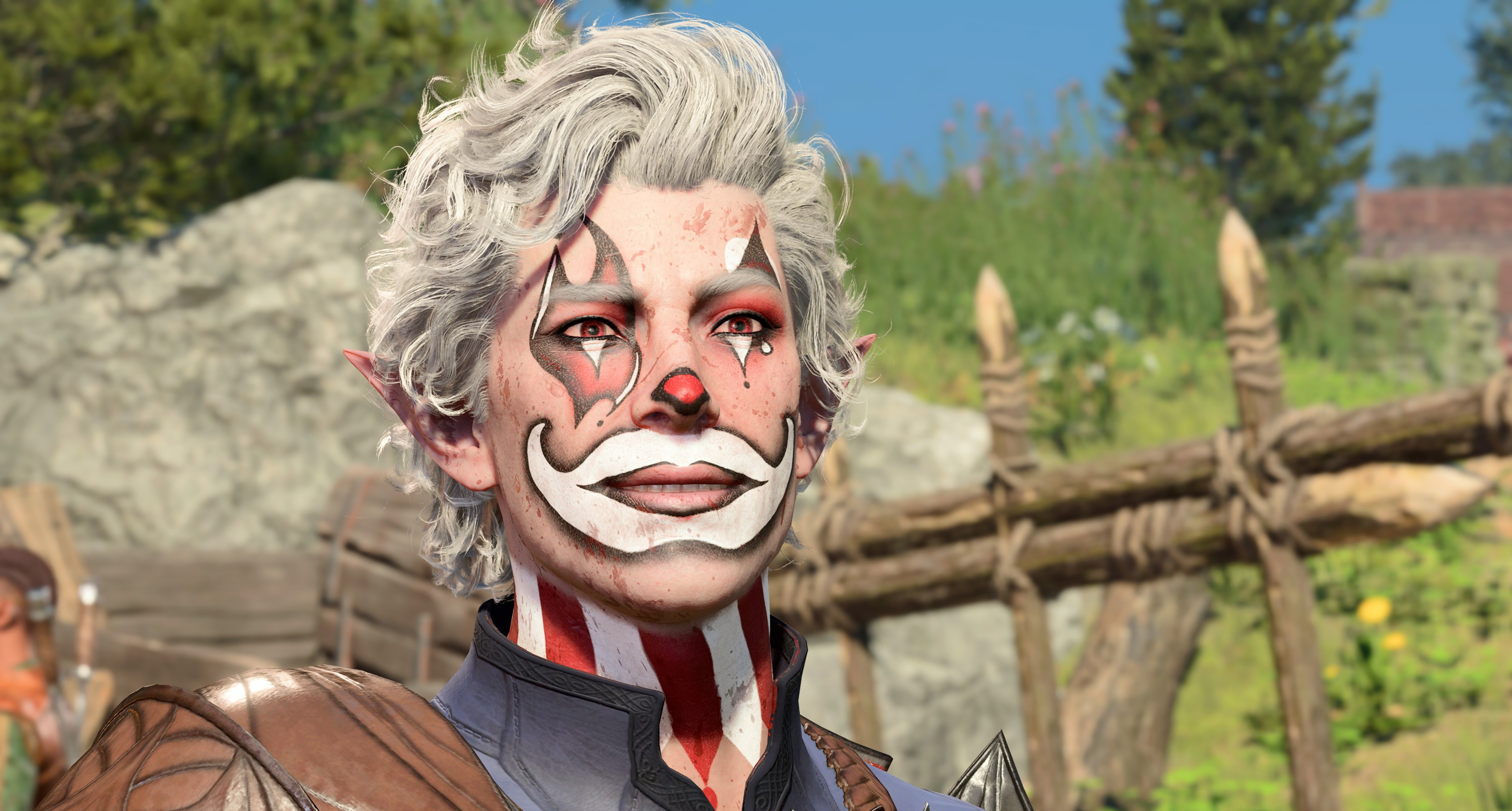
- The "Yes, and" Philosophy: Industry veterans frequently compare good RPG design to improvisational comedy. A permissive Game Master—whether human or algorithmic—must be willing to roll with absurd player suggestions.
- Challenging the Chosen One Tropes: Narrative designers at studios like ZA/UM and Warhorse Studios have argued that modern players suffer from "chosen-one fatigue." After decades of saving various fantasy universes from ancient evils, audiences are eager to explore smaller, messier, and more grounded human experiences where the stakes are deeply personal and frequently ridiculous.
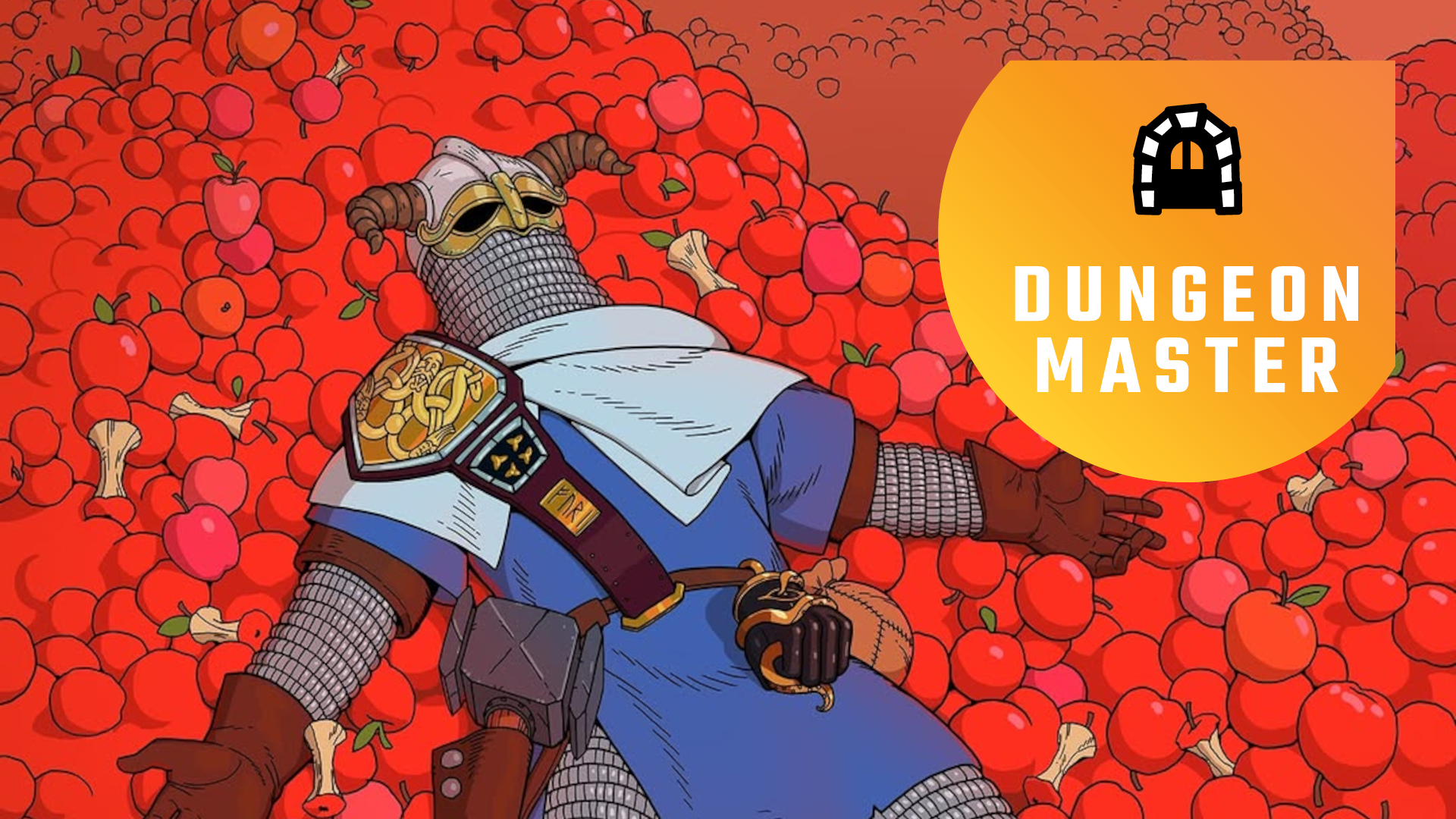
- Embracing Emergent Storytelling: Rather than scripting every emotional beat, modern RPGs create sandbox-like narrative environments where system interactions generate unscripted comedy. Whether it’s a detective having an existential breakdown over a telephone or a cleric face-planting into a pile of apples, these moments anchor the player in a living, reactive world.
Future Outlook: Where Goes the RPG Genre?
As procedural generation, advanced artificial intelligence, and deep systemic integration continue to evolve, the future of the RPG genre looks increasingly chaotic—in the best possible way.
The Decline of the Linear Power Fantasy
While blockbuster cinematic spectacles will always retain a massive audience, the indie and mid-tier CRPG scenes are carving out a dominant space for systemic unpredictability. Developers are realizing that players do not need to feel like invincible gods to enjoy a game; often, they prefer feeling like resourceful disasters trying desperately to keep their heads above water.
What Lies Ahead for Game Masters and Developers
- Deeper Failure States: Future RPGs are expected to move further away from rigid "win/lose" states, introducing sophisticated narrative webs where failing a quest line opens up entirely new, unexpected chapters of gameplay.
- AI-Driven Improvisation: As natural language processing and generative storytelling tools integrate with game mechanics, the traditional "Yes, and" philosophy of tabletop gaming will become more viable in single-player digital environments. NPCs will dynamically react to player stupidity with realistic confusion, disgust, or amusement.
- Redefining Success: Ultimately, the industry is shifting toward a metric of engagement based on memorability rather than perfection. Games that give players the tools to make a complete fool of themselves—and survive to tell the tale—will continue to define the bleeding edge of interactive storytelling.