Executive Overview
The global fashion landscape is undergoing a profound structural and cultural realignment. As the industry transitions through the autumn of 2024, the boundarylines separating high-concept luxury, independent streetwear, and cinematic merchandise continue to dissolve. This week’s news cycle underscores a broader commercial reality: consumer desire is increasingly driven by interdisciplinary collaborations, nostalgic subcultural touchstones, and high-profile multimedia crossovers.
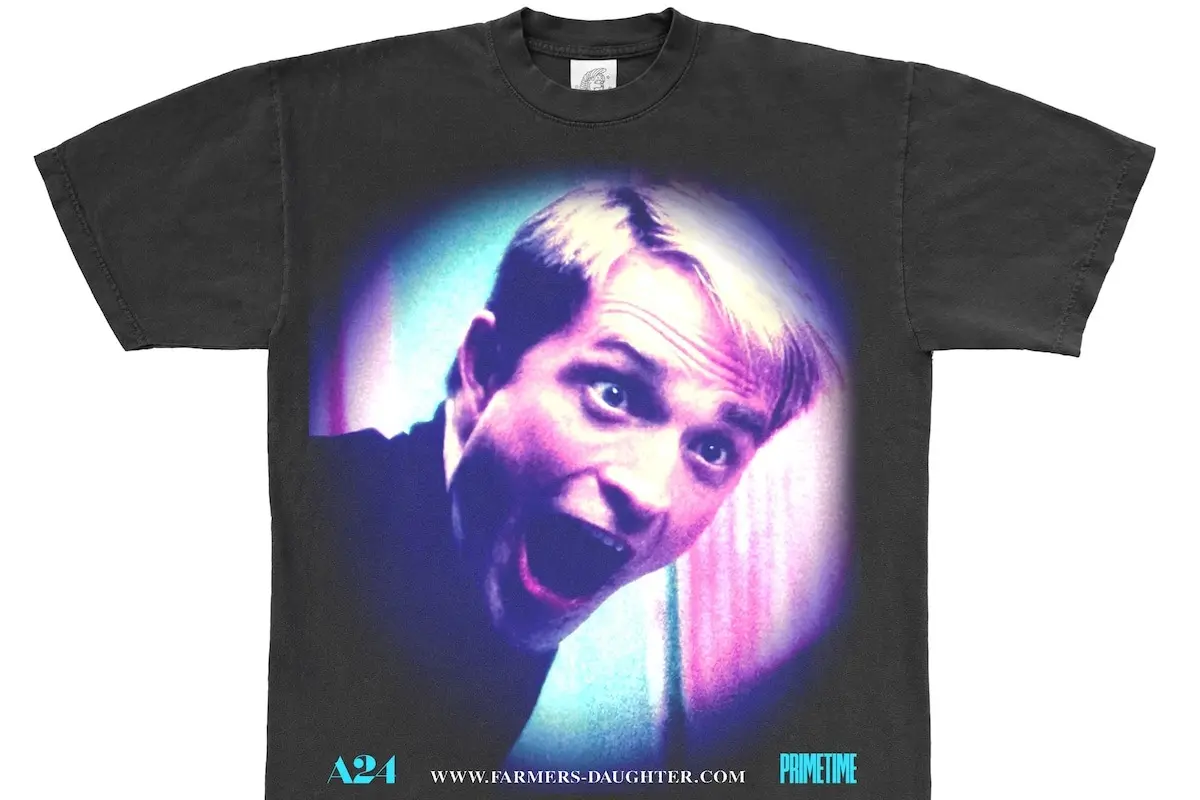
At the center of this cultural convergence is the persistent, almost ubiquitous commercial power of Robert Pattinson. Nearly two decades after the actor first permeated the pop-conscious zeitgeist as Edward Cullen, his likeness—alongside carefully curated cinematic quotes—remains a prized commodity in contemporary streetwear. The latest manifestation of this phenomenon arrives via LA-based streetwear imprint Farmer’s Daughter, which has partnered once again with A24 to release an exclusive merchandise capsule for the upcoming film Primetime.
Simultaneously, the upper echelons of the luxury market are experiencing a seismic upheaval. A wave of high-profile creative director departures has swept across legacy European houses. Anthony Vaccarello’s confirmation of his departure from Saint Laurent, swiftly followed by Veronica Leoni exiting Calvin Klein and Seán McGirr stepping down from Alexander McQueen, signals an aggressive period of musical chairs within executive design boardrooms. Brands are actively reassessing their creative trajectories to recapture flagging consumer engagement.
Complementing these structural shifts are blockbuster campaigns from heritage and contemporary players alike. From Moncler’s recruitment of generational music icons Cher, Grace Jones, and BLACKPINK’s Jennie, to Vans aligning with modern cultural architect SZA, and unexpected festive rollouts led by Kris Jenner for Ferragamo, the overarching narrative is clear. Success this season demands radical cultural relevance, unexpected pairings, and an uncompromising commitment to narrative-driven design.
Detailed Chronology
The Cinematic Merchandising Renaissance: A24, Farmer’s Daughter, and Primetime
The commercialization of Robert Pattinson’s image has evolved from informal fan-made memorabilia into a sophisticated, high-fashion streetwear category. Since the premiere of Twilight in 2008, the market has absorbed countless iterations of Team Edward merchandise. However, the contemporary resurgence has been engineered by independent labels and prestige studios like A24, who recognize the cultural currency of ironic, highly specific cinematic apparel.
Following the rapid sell-out of Bershka’s Twilight-inspired collection two years ago—which single-handedly sparked a sartorial nostalgia cycle—and A24’s spring release of a coveted zip-up featuring Pattinson and Zendaya from The Drama, the stakes have been raised.
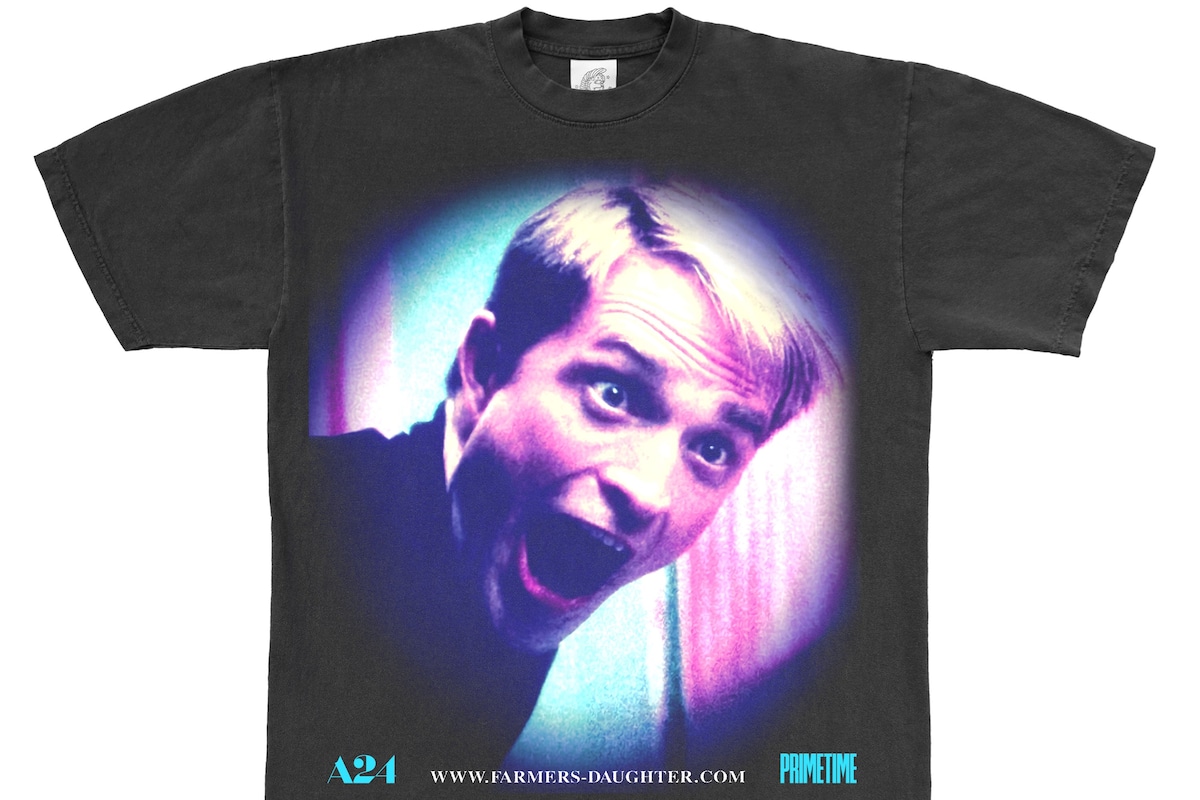
Now, Farmer’s Daughter has unveiled its comprehensive Primetime collection. The film, scheduled to hit UK cinemas at the end of October, is a gripping dramatization of Chris Hansen’s infamous 2006 television reality series To Catch a Predator, with Pattinson stepping into the role of the American TV host. The fashion capsule reflects the tense, unsettling tone of the cinematic source material. Comprising two T-shirts, a specialized hoodie, and a weather-resistant raincoat, the collection features direct, provocative quotes from the film stamped across the garments. Most notably, the hoodie features the phrase "YOU KNOW HOW THIS LOOKS, RIGHT?" emblazoned down its sleeves.
Brand founder Alix Ross, reflecting on the genesis of the collaboration, noted that his immediate reaction to viewing the film was disbelief, exclaiming, "Actually, what the fuck?" Ross praised the collaborative ecosystem facilitated by the studio: "Lance [Oppenheim] is an amazing filmmaker. Rob [Pattinson] is my favorite actor. I love working with A24. They’re the best, they are always down to support my ideas." The collection went live on the Farmer’s Daughter digital storefront this week.
The Great Designer Shuffle: Vaccarello, Leoni, and McGirr Exit Legacy Houses
While independent labels lean into cinematic grit, legacy luxury houses are grappling with significant internal instability. The autumn release cycle has been dominated by sudden creative director departures that point to mounting pressures within major luxury conglomerates.
The exodus began with confirmation that Anthony Vaccarello is stepping down from his long-standing role at Saint Laurent. Vaccarello, who steered the Kering-owned Parisian house through a period of razor-sharp, ultra-modern sex appeal and commercial dominance, leaves behind a definitive aesthetic legacy. His departure immediately sparked intense speculation across trade publications regarding his successor and his future creative endeavors.

The corporate shake-up rapidly accelerated as two more major houses announced leadership vacuums. Veronica Leoni has officially departed Calvin Klein, ending a chapter that sought to revitalize the American brand’s minimalist heritage through a modern European lens. Simultaneously, Seán McGirr has left Alexander McQueen. McGirr’s tenure at McQueen had been watched closely by industry critics seeking to understand how the house would evolve following the long era of Sarah Burton. These consecutive departures underscore a systemic industry impatience, where creative directors face intense pressure to deliver immediate commercial and critical wins in an unforgiving economic climate.
Archival Preservation and Independent Longevity: Yang Li’s NOTHING EVER ENDS
Amidst corporate instability, independent designers continue to chart alternative paths for brand longevity. Beijing-born, London-based designer Yang Li is celebrating ten years of his eponymous label by breaking away from conventional retail calendars.
Li is opening the doors of his Whitechapel studio for a monumental archive sale titled NOTHING EVER ENDS. Rather than curating a standard end-of-season clearance, the designer has mined over 30 past collections, offering collectors and fashion historians rare access to a decade’s worth of conceptual, subculture-informed garments. The event highlights the growing appetite for archival fashion, as younger consumers increasingly reject fast-fashion cycles in favor of authenticated, historical design pieces with narrative integrity.
Cross-Industry Cultural Campaigns: Vansza, Moncler, and Ferragamo
The commercial calendar for late October is further crowded by high-impact marketing campaigns that bridge music, film, and traditional fashion.
- Vansza: SZA’s formal transition into a high-profile fashion collaborator reached a milestone this week with the debut of her campaign alongside Vans. Photographed by India Sleem and aptly titled Vansza, the imagery showcases the genre-defying artist’s distinct visual style applied to the classic skate-brand framework. The inaugural drop is slated for release on October 22.
- Moncler Re/Icons: Outerwear titan Moncler demonstrated its penchant for unexpected casting yesterday (October 15) by unveiling its latest campaign captured by Gabriel Moses. The project gathers three undisputed cultural titans across generations: Cher, Grace Jones, and BLACKPINK’s Jennie. Designed to spotlight the brand’s Re/Icons collection, the campaign successfully bridges Hollywood royalty, disco-era avant-garde, and contemporary K-pop dominance.
- Ferragamo’s Holiday Rollout: Though Halloween has yet to pass, Ferragamo has officially initiated the festive retail season with the launch of its holiday campaign, The Joy of Loving. The campaign centers on the concept of modern family structures, enlisting matriarch Kris Jenner alongside sibling models Paloma and Sage Elsesser.
- Louis Vuitton and Callum Turner: Continuing Pharrell Williams’ narrative-driven vision for Louis Vuitton menswear, actor Callum Turner fronts the house’s latest trunk campaign. Posed alongside a canine co-star—a Rhodesian Ridgeback—Turner models the latest collection while engaging in playful banter, reinforcing the brand’s pivot toward cinematic storytelling in its accessory marketing.
Craftsmanship and Heritage: Margaret Howell’s London Workroom
In a quiet counter-narrative to digital-first hype drops and celebrity-studded campaigns, British heritage institution Margaret Howell has doubled down on localized manufacturing. The brand has officially opened its new London Workroom—a purpose-built production space designed to house a team of specialist artisans. The facility ensures the preservation of the label’s storied shirtmaking heritage. The first batch of garments produced entirely within the new London Workroom is scheduled to hit shelves this autumn, serving as a testament to the enduring value of transparent, local craftsmanship.

Supporting Context & Metrics
To contextualize these developments, industry analysts point to several underlying consumer and macroeconomic trends shaping the fourth quarter of 2024:
| Trend / Phenomenon | Key Catalyst / Brand | Market Impact |
|---|---|---|
| Cinematic Merchandising | Farmer’s Daughter x A24 (Primetime) | Blurs the line between movie promotion and luxury streetwear, commanding premium price points based on cultural exclusivity. |
| Executive Turnover | Saint Laurent, Calvin Klein, Alexander McQueen | Highlights board-level dissatisfaction with current sales velocities and a growing desire for fresh creative direction. |
| Archival Collectibility | Yang Li (NOTHING EVER ENDS) | Captures the burgeoning secondary market demand for sustainable, historical, and intellectual garment design. |
| Cross-Vertical Crossovers | Vans x SZA, Moncler x Cher/Grace/Jennie | Leverages multi-generational star power to capture fragmented, digitally native consumer segments across global markets. |
The appetite for film-adjacent apparel is no longer confined to traditional box-office windows. Independent labels utilizing small-batch, high-creativity drops are outperforming mass-market merchandise licensees by treating cinematic source material as high art. Simultaneously, the turbulence at houses like Saint Laurent and Alexander McQueen signals that legacy conglomerates are willing to absorb short-term disruption to secure long-term brand relevance.
Official Statements
Alix Ross, Founder of Farmer’s Daughter, on the Primetime collaboration:
"Lance [Oppenheim] is an amazing filmmaker. Rob [Pattinson] is my favorite actor. I love working with A24. They’re the best, they are always down to support my ideas."
Industry Commentary on the Autumn Creative Shuffles:

"The simultaneous departure of creative leadership across multiple heritage houses reflects an industry-wide anxiety. Conglomerates are no longer willing to wait out slow-burn artistic visions; the demand for immediate cultural resonance and commercial translation has reached a fever pitch."
Future Outlook
As the industry looks toward the winter buying season and early 2025 planning, several trajectories are becoming clear.
First, the intersection of cinema and streetwear will continue to yield aggressive, highly coveted capsule collections. Independent brands that secure direct partnerships with prestige studios like A24 will maintain an advantage in capturing youth culture market share, out-maneuvering traditional luxury houses that rely solely on seasonal runway presentations.
Second, the vacancies at Saint Laurent, Calvin Klein, and Alexander McQueen will set off a high-stakes game of musical chairs among mid-career designers and industry veterans. The appointments made in the coming months will fundamentally redefine the aesthetic identity of these houses for the next decade. Success will hinge on a designer’s ability to balance commercial viability with uncompromising brand storytelling.
Finally, consumer preference is increasingly polarized between hyper-fast digital collaborations (such as Vansza and blockbuster celebrity campaigns) and deeply rooted commitments to heritage and craftsmanship (exemplified by Margaret Howell’s new London Workroom and Yang Li’s archival preservation). Brands that successfully navigate this dichotomy—balancing digital-first cultural relevance with tangible product authenticity—will emerge as the dominant market leaders of tomorrow.