Executive Overview
In a gaming landscape increasingly defined by cross-platform accessibility, launcher interoperability, and the ubiquitous rise of handheld gaming devices like the Steam Deck, the walls guarding proprietary digital storefronts are occasionally breached in surprising ways. The latest instance of this ongoing industry evolution arrives from an unexpected partnership between Blizzard Entertainment and Polish powerhouse CD Projekt Red.
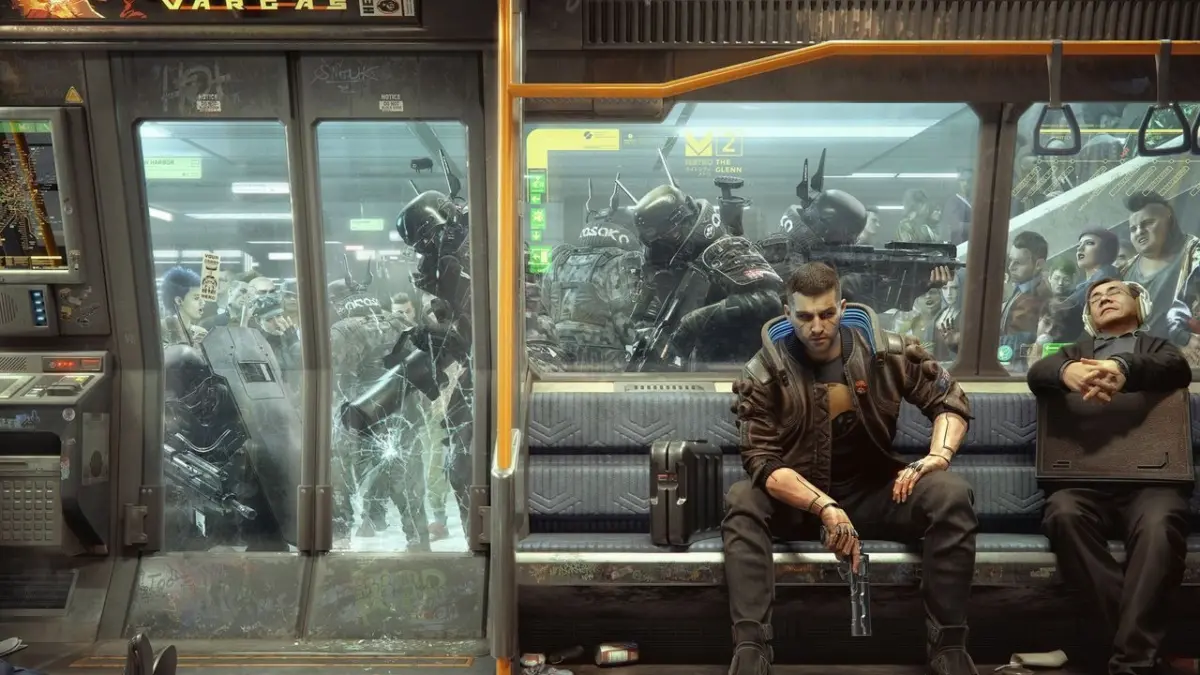
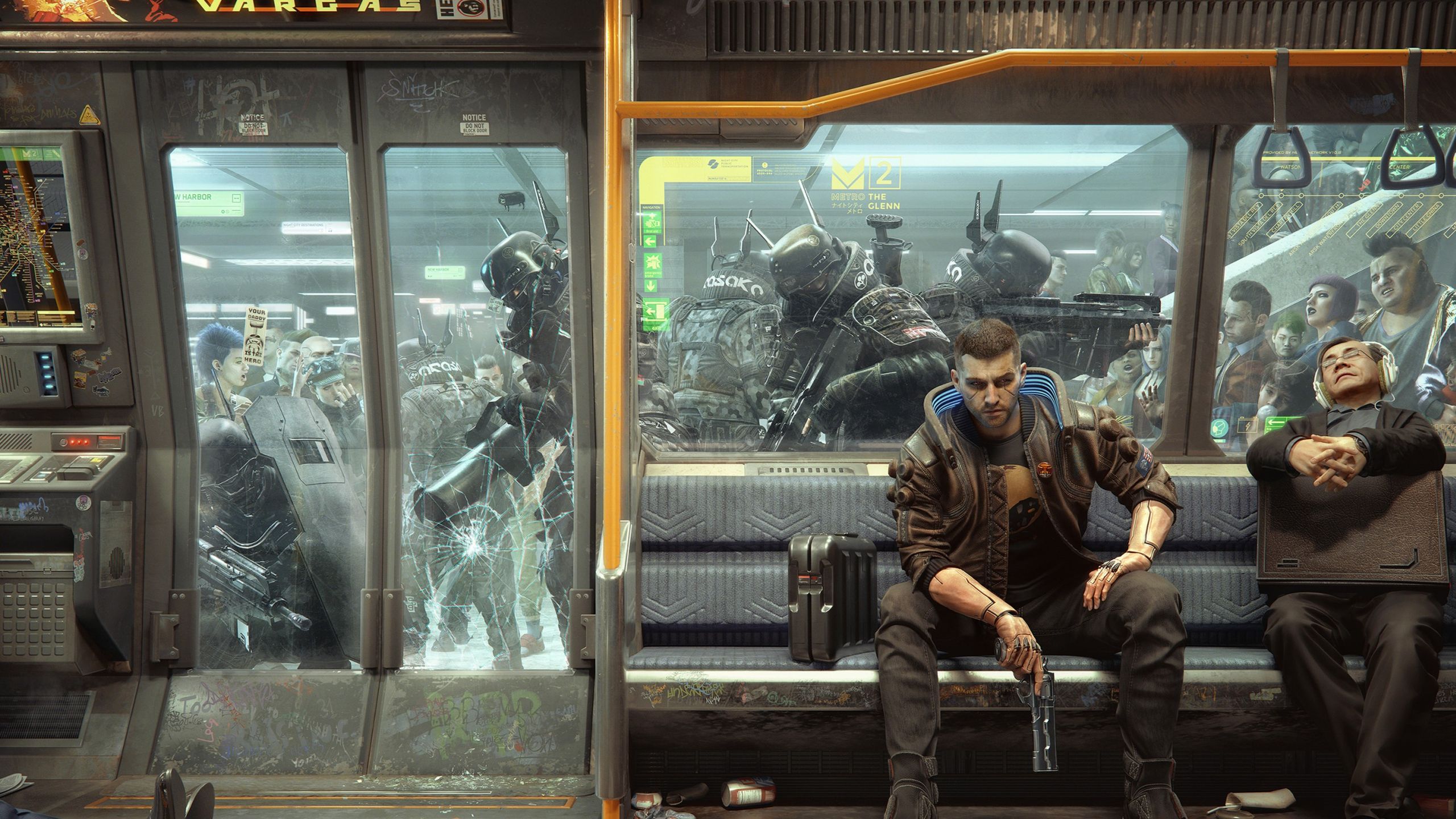
During a major announcement at BlizzCon, executives confirmed that Cyberpunk 2077—alongside its critically acclaimed expansion, Phantom Liberty—is officially making the jump to Blizzard’s native PC launcher, Battle.net, later this year. This strategic crossover follows hot on the heels of previous announcements regarding The Witcher 3: Wild Hunt and its upcoming iterations.
Yet, for many PC gaming enthusiasts, this announcement evokes a distinct sense of irony. While third-party monoliths like CD Projekt Red increasingly integrate their flagship titles into Battle.net, Blizzard’s own treasured catalog of classic, retro-leaning titles remains largely absent from valve’s dominant Steam platform. As major publishers continually experiment with where and how players access their libraries, this unusual distribution strategy highlights a broader corporate tug-of-war over digital storefront supremacy, ecosystem retention, and the shifting economics of PC game distribution.
Detailed Chronology: From Platform Exclusivity to Unlikely Partnerships
To understand the weight of the Cyberpunk 2077 Battle.net integration, one must examine the shifting relationship between traditional platform silos and open multi-storefront strategies over the past several years.
The Breakdown of Walled Gardens
For decades, major publishers maintained strict control over their software delivery networks. Blizzard’s Battle.net (historically known as Blizzard Battle.net or simply the Blizzard App) was built to serve as an exclusive walled garden for franchises like World of Warcraft, Diablo, StarCraft, and Overwatch. Similarly, CD Projekt’s ecosystem relied heavily on its sister company, GOG.com, alongside mainstream heavyweights like Steam and the Epic Games Store.
However, financial incentives and changing consumer habits have steadily eroded these barriers. The catalyst for Blizzard’s modern multi-publisher pivot began when the company cautiously opened its doors to select non-Blizzard titles, resulting in quirky additions to the launcher like Call of Duty integration following Activision’s overarching corporate consolidation, alongside curious anomalies that many players routinely forget exist on the platform.
The Gamescom and BlizzCon Pipeline
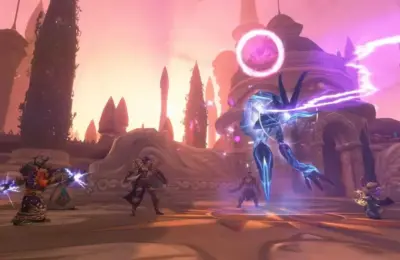
The timeline accelerated significantly at Gamescom, where CD Projekt and Blizzard initially teased that The Witcher 3: Wild Hunt‘s remastered ecosystem rollout would touch down on Battle.net. This preliminary move raised eyebrows across the industry, signaling that the corporate boundary lines between the two companies were growing increasingly porous.
The partnership was cemented at BlizzCon. Company representatives formally announced that Cyberpunk 2077 and its narrative expansion would officially launch on Battle.net before the year’s end. Rather than standing as an isolated experiment, the integration is part of a broader cross-pollination initiative. Alongside the software release, the partnership introduces deep cross-game incentives: players who pre-purchase The Witcher 3‘s upcoming Songs of the Past DLC directly through Battle.net will unlock an exclusive Geralt cosmetic skin for the barbarian class in Diablo 4. Furthermore, promotional roadmaps indicate that additional "Witcher-themed content" is slated to hit Battle.net ecosystems through 2027, while Overwatch prepares to host Cyberpunk: Edgerunners-themed cosmetics aligning with the second season premiere of the hit Netflix animated series on October 20.
Supporting Context & Metrics: The Steam Deck Dilemma and Platform Discrepancies
While the cross-platform availability of Cyberpunk 2077 on Battle.net represents a technical victory for CD Projekt Red’s distribution reach, it highlights a persistent frustration within the PC gaming community: the uneven availability of Blizzard’s own foundational legacy titles.
The Steam Deck Factor
In contemporary PC gaming, optimization for handheld devices—most notably the Valve Steam Deck—is a vital metric for success. Consumers frequently voice a desire for classic Blizzard titles (such as legacy Warcraft real-time strategy games and early Diablo iterations) to be natively supported on Steam, which simplifies installation and control mapping on Linux-based handheld hardware.
Despite Blizzard’s recent willingness to bring select modern hits—namely Diablo 2: Resurrected, Diablo 4, and Overwatch—over to Steam, the vast majority of its historical library remains tethered exclusively to Battle.net or affected by controversial digital preservation hurdles.
The Digital Preservation Debate
The landscape of game preservation has grown increasingly fragile. While the original Diablo remains available via GOG, archiving efforts for Blizzard’s historical catalog have faced severe friction. Notably, the first two Warcraft real-time strategy titles were unceremoniously delisted from GOG when remastered versions were introduced several years ago.
While storefronts like GOG have introduced ambitious new policies aimed at preserving classic software indefinitely—often providing steep discounts and community-focused workarounds when corporate licenses lapse—the juxtaposition between third-party software like Cyberpunk 2077 finding a cozy home on Battle.net, contrasted against the difficult accessibility of historical Blizzard titles, underscores an ongoing friction between corporate catalog control and consumer-driven preservation demands.
To contextualize the current ecosystem layout on Battle.net, consider the following distribution anomalies:
- Non-Blizzard Titles on Battle.net: Cyberpunk 2077, The Witcher 3 (Remastered rollout), alongside historical anomalies and unexpected multi-publisher inclusions that periodically populate the launcher’s storefront.
- Blizzard Titles Available on Steam: Diablo 2: Resurrected, Diablo 4, and Overwatch.
- Legacy Discrepancies: Original Warcraft titles removed from external preservation storefronts during remaster cycles, leaving players reliant on strict launcher ecosystems.
Official Statements and Industry Implications
Neither CD Projekt Red nor Blizzard has shied away from leaning into the novelty of this partnership, framing the cross-listing as a win-win for player engagement and ecosystem synergy.
Industry analysts point out that expanding storefront footprints reduces reliance on any single digital marketplace, insulating publishers from sudden shifts in revenue splits or platform policies. For CD Projekt Red, securing an additional storefront for Cyberpunk 2077 provides another direct-to-consumer pipeline, bypassing the heavy commission structures found elsewhere while capturing users deeply entrenched in the Blizzard ecosystem.
Conversely, for Blizzard, enriching Battle.net with globally recognized AAA open-world RPGs transforms its native launcher from a single-purpose utility used primarily for World of Warcraft and Overwatch into a more generalized, multi-publisher gaming hub. By bundling cosmetic crossovers—such as bringing the legendary Witcher, Geralt of Rivia, directly into the grimdark world of Sanctuary via Diablo 4—both companies leverage mutual intellectual properties to drive pre-orders and maintain active user engagement metrics across diverging genres.
Future Outlook: What Lies Ahead for Battle.net and Cross-Publisher Collaborations
As the dust settles on the latest BlizzCon revelations, the industry is left wondering how far this trend of cross-publisher launcher integration will go.
The immediate future points toward deeper thematic integrations rather than mere software hosting. With crossover cosmetics locked in for Diablo 4 and Overwatch stretching well into 2027—including upcoming cross-promotions tied to the global cultural phenomenon of Cyberpunk: Edgerunners Season 2—players should expect boundaries between traditionally separate game universes to blur further.
Whether this trend will eventually soften Blizzard’s stance on pushing its entire classic catalog onto open marketplaces like Steam remains uncertain. For now, PC gamers face an ironic reality: while navigating Battle.net to play Cyberpunk 2077 may have once sounded like a sci-fi fever dream, it is rapidly becoming the new normal in an industry where platform boundaries are increasingly negotiable, provided the financial and strategic incentives align.