The digital marketing landscape is undergoing a structural transformation, shifting away from superficial vanity metrics and algorithmic wild-card optimization toward intentional discovery architecture, deep audience retention frameworks, and seamless cross-platform utility. As social media platforms mature into integrated commerce and utility ecosystems, brands can no longer rely on sporadic, one-off viral hits to sustain growth. Instead, success demands a sophisticated approach to asset longevity, community-driven AI integration, and multi-channel storytelling.
This intelligence briefing synthesizes the most significant insights, strategic plays, and platform updates impacting digital marketers, founders, and content strategists today. Key developments span foundational SEO optimization for dormant text assets on professional networks, Hollywood-inspired series architecture for short- and long-form video creators, and sweeping platform rollouts across Amazon, Meta, TikTok, X, and YouTube. By analyzing these shifts, forward-thinking organizations can turn long-forgotten archives into passive discovery engines, leverage emerging AI-driven workflows safely, and capture high-intent consumer traffic directly at the point of engagement.
The pace of platform updates continues to accelerate, altering how brands capture leads, track audience scale, and distribute creative assets. Below is the chronological record of critical ecosystem updates deployed across major digital channels.
1. Meta Streamlines Authentication and Direct-Response Lead Generation
Meta Login Updates (August 27): Meta introduced an upgraded Login with Facebook experience for developers, emphasizing frictionless user acquisition. The deployment features one-tap sign-in capabilities across Android and web browsers, alongside architectural improvements to authentication stability on iOS. Furthermore, Limited Login sessions now support background credential refreshes without prompting repetitive user sign-ins, while Fast App Switch routes eligible authorization flows directly through the native Facebook application, dramatically reducing drop-off rates during mobile onboarding.
Automated Comment-to-DM Testing: Meta began testing a powerful direct-response feature for advertisers termed "Reply to Keywords." This capability automatically dispatches a targeted private message to users whenever their comment on an advertisement contains a pre-selected keyword or phrase. Advertisers can configure up to five distinct triggers tied to automated responses containing promotional links, contact data, or scheduling portals. Currently undergoing early-stage testing primarily on Instagram, this feature bridges public community engagement with private, high-conversion sales funnels.
2. E-Commerce Convergence: Amazon Integrates with YouTube Shopping
Amazon YouTube Shopping Affiliate Rollout: In a monumental convergence of social video and social commerce, Amazon formally integrated its expansive product catalog into the YouTube Shopping Affiliate program. Eligible U.S. creators can now seamlessly tag and promote physical goods directly within standard YouTube videos, Shorts, and live streams. Creators link an active Amazon Associates or Influencer account to their YouTube channel, utilizing manual tagging or automated system-tagging options. While buyers complete transactions securely on Amazon, qualifying commissions are distributed transparently through YouTube’s native AdSense infrastructure, creating a direct monetization pipeline for lifestyle and educational creators.
3. Short-Form Acceleration and Out-of-Home Expansion
Instagram First Draft Rollout: To alleviate the friction of manual video editing, Instagram launched "First Draft" globally. This auto-editing feature analyzes a batch of imported raw clips and automatically compiles a preliminary Reel edit in under 10 seconds. Embedded natively within the standard creation workflow, First Draft acts as a rapid starting point rather than a rigid final product, eliminating tedious timeline assembly while preserving total creative control for the creator.
TikTok Out of Phone European Expansion: TikTok aggressively scaled its "Out of Phone" initiative via six strategic media partnerships across the United Kingdom, France, Belgium, Spain, and Italy. This program extracts digital creator content from mobile feeds and syndicates it across physical digital out-of-home (DOOH) screens situated in high-traffic real-world environments—including urban transit networks, retail centers, gyms, universities, and hospitality venues. For enterprise marketers, this infrastructure merges native social creative with physical-world proximity marketing.
4. X Transforms Enterprise Advertising and AI Interoperability
Native Lead Gen Ads Global Release: X deployed Lead Gen Ads on a global scale, providing brands with a native mechanism to capture consumer data via integrated forms without redirecting traffic to external web landing pages. The ad format supports diverse multimedia creative types and pre-fills form fields for returning respondents to eliminate friction. Captured leads are centrally managed, exported, or piped directly into enterprise CRM systems through X’s newly launched Leads Center.
Ads MCP Server for Third-Party AI Integration: In an unprecedented move toward conversational marketing operations, X launched an Ads MCP (Model Context Protocol) server. This infrastructure allows advertisers to securely bridge their live campaign metrics and historical analytics directly into compatible AI agents, including Grok, Claude Code, and custom-built enterprise environments. Marketers can now query complex advertising performance data using natural language, enabling rapid, data-backed optimization via conversational AI workflows.
5. YouTube Overhauls Metrics, Feeds, and Continuous Streaming
Standardized View Metrics (August 24): YouTube officially standardized its public view counting methodology across all video formats. Aligning long-form videos, podcasts, and live streams with the exposure-based counting system previously reserved for Shorts, a public view is now registered the moment a video begins playback. This adjustment gives creators a unified metric to communicate total reach and brand exposure to sponsors, while traditional metrics like CTR, audience retention, and YPP monetization thresholds remain governed by distinct engagement parameters.
Prompt-Based Custom Feeds: YouTube initiated a U.S.-based test allowing viewers to construct and save up to eight personalized discovery feeds using natural-language prompts. Users can articulate precise viewing interests, moods, or topical queries, pinning these custom channels directly to their home interface. On mobile devices, this replaces traditional interest-based topic chips, giving audiences unprecedented agency over algorithmic content recommendations.
YouTube Stations Expansion: Expanding beyond music curation, YouTube scaled its "Stations" experiment globally to encompass professional media channels, educational podcasts, and creator portfolios. Stations deliver 24/7 continuous streams of curated video blocks complete with live chat functionality, accessible via mobile, desktop, and living-room television interfaces. This gives digital publishers a powerful medium to package legacy archives into always-on shared viewing experiences.
Strategic Deep Dives: Content Architecture & Discovery Optimization
1. Resurrecting Dormant Assets: The SEO Strategy for Legacy LinkedIn Newsletters
A common pitfall in digital publishing is treating archived content as dead inventory. According to insights shared by digital strategist Judi Fox at Social Media Marketing World, past LinkedIn newsletters sitting in archives can generate thousands of supplemental views, inbound calls, and authoritative brand impressions long after publication—provided they are optimized for modern search indexing.
Most creators fail to realize that professional networks operate on high-authority domains that are aggressively indexed by search engines and large language model (LLM) discovery agents.
The Optimization Playbook: Fox revealed that simply revisiting newsletters published two to four years prior and editing their core SEO metadata fields yielded over 15,000 incremental views within a single year, requiring zero supplementary promotional ad spend.
The Conversion Loop: To maximize commercial utility, marketers must audit legacy archives and actively re-insert conversion links—such as calendar booking portals or product landing pages. If a brand temporarily paused its inbound sales pipeline, returning to legacy content to reactivate those booking links ensures that historical thought-leadership assets function as a perpetual, compounding discovery engine.
2. Hollywood Storytelling Frameworks for Video Series Architecture
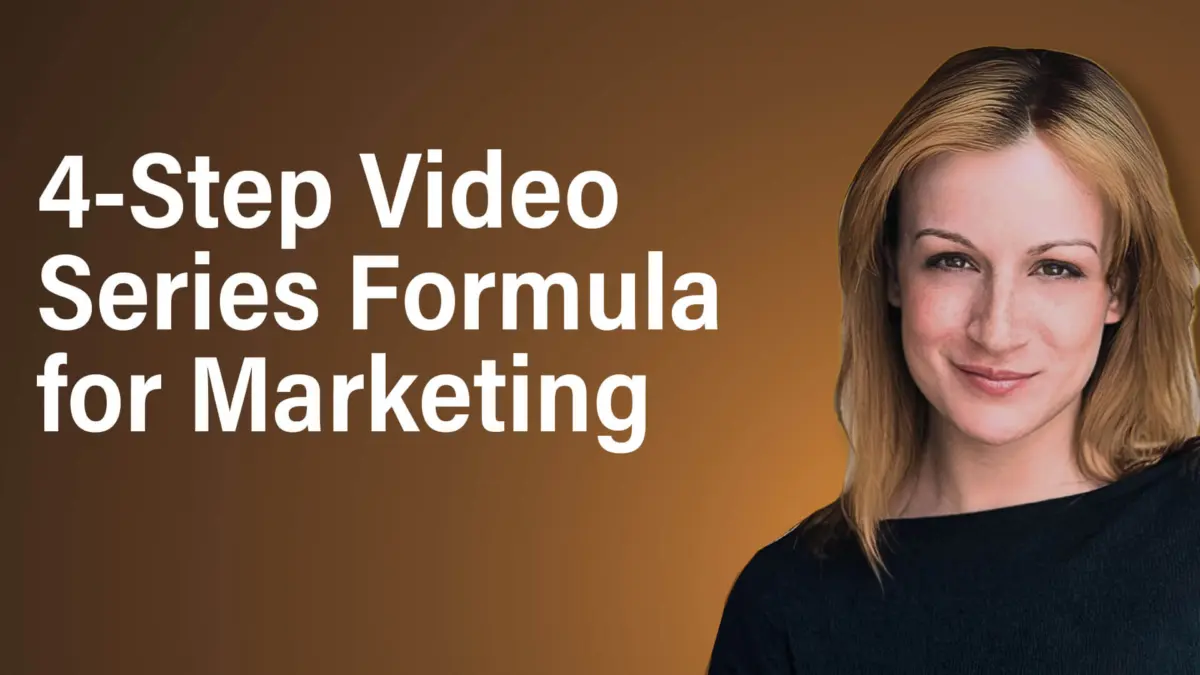
The era of chasing viral one-off hits to achieve brand velocity is effectively over. Major social platforms have fundamentally re-engineered their recommendation algorithms to favor series-style content that secures repeat viewership rather than isolated, transient clicks. Video strategist and Writers Guild Award winner Daryn Strauss argues that founders and personal brands must abandon erratic content experimentation in favor of structured, serialized storytelling frameworks adapted from cinematic traditions.
Why Single Viral Hits Fail Enterprise Growth
Chasing algorithmic virality often attracts low-intent, unsegmented audiences whose lifetime value to a business is negligible. Sustainable creator-led growth relies on watch-time velocity, repeat viewership frequency, and the deliberate cultivation of buyer trust. When a brand structures its content as an ongoing narrative arc, viewers transition from casual scrollers into loyal community members and high-converting prospects.
The Four-Part Educational Video Formula
To prevent burnout while maintaining narrative momentum, Strauss advocates for a streamlined, four-part formula that transforms dense educational topics into high-retention video assets without exhaustive scripting:
The Hook & Promise: Instantly establish the specific stakes and articulate the exact transformation the viewer will experience by staying to the end.
The Inciting Incident or Core Friction: Validate the audience’s immediate frustration, operational pain point, or misconception surrounding the topic.
The Core Framework: Deliver the actionable insight, step-by-step methodology, or mental model using concise, unscripted authenticity.
The Clear Next Step: Guide the viewer seamlessly toward a defined call-to-action, avoiding ambiguous sign-offs.
Character Archetypes and Series Bingeability
To eliminate comparison syndrome and establish distinct brand positioning, creators must identify their specific role within their audience’s journey by leaning into core content archetypes (such as the Challenger, the Educator, the Documentarian, the Guide, or the Visionary).
Furthermore, turning standalone videos into a binge-worthy series requires four foundational components:
Choosing a Core Quest: Define the overarching mission or transformation the series addresses.
Building Inter-Episode Tension: Introduce unresolved questions at the conclusion of clips to encourage profile exploration and binge-watching.
Repeatable Formatting: Establish consistent visual and structural motifs that reduce cognitive load for the viewer.
Comfort Alignment: Match the format’s complexity with the creator’s natural communication style to ensure long-term publishing consistency.
Supporting Context & Metrics: The State of AI Adoption
As marketing departments scramble to integrate artificial intelligence into daily operations, a profound operational disconnect has emerged between corporate support and individual initiative. Data from the forthcoming Third Annual AI Marketing Industry Report by Social Media Examiner underscores a reliance on self-directed experimentation rather than institutional training:
[ AI Marketing Experimentation & Adoption Landscape ]

85% of Marketers  ██████████████████████████████████ (Learn via Self-Experimentation)
 7% of Marketers  ███ (Receive Formal Company Training)
>50% of Marketers ██████████████████ (Fund AI Tools Out of Pocket)
The Self-Taught Majority: A striking 85% of marketers learn artificial intelligence entirely through independent experimentation and trial-and-error.
Corporate Training Deficit: Only 7% of organizations provide formal, structured AI training programs for their marketing teams.
Personal Financial Investment: More than 50% of marketing professionals utilize personal funds to purchase software licenses and tools required to execute modern AI-driven campaigns.
This data illustrates that while AI has become an operational necessity, SMBs and corporate marketing units are largely leaving employees to navigate complex tool stacks without strategic guidance. Navigating this landscape requires structured benchmarks, peer-tested workflows, and verified prompt frameworks to eliminate operational guesswork.
Official Statements & Industry Perspectives
Industry leaders emphasize that sustainable modern marketing relies on authenticity, systemic optimization, and human-led creative direction rather than generic automation.
"Generic AI content is easy to spot—and easy to ignore. The marketers standing out are creating work that actually sounds like them: a clear point of view, a distinct voice, and a human behind the words."
— Michael Stelzner, Founder of Social Media Examiner and the AI Business Society
Stelzner’s assessment speaks to the core fatigue consumers experience in saturated digital feeds. As automated content generation scales, distinct human perspective acts as the primary differentiator for brand authority and audience retention.
Similarly, strategic communications surrounding platform updates—such as Meta’s login optimizations and YouTube’s standardized exposure metrics—reflect a broader industry push toward operational transparency. Platforms are increasingly providing brands with standardized telemetry, enabling marketers to evaluate cross-channel performance with greater accuracy.
Future Outlook: Strategic Recommendations for Marketers
As the digital ecosystem evolves over the next 12 to 24 months, marketing leaders must pivot from tactical execution to architectural strategy. Based on the intelligence gathered in this briefing, organizations should immediately implement the following four-part roadmap:
Conduct a Legacy Asset Audit: Do not let archived newsletters, long-form articles, and evergreen white papers sit dormant. Perform an immediate SEO optimization sweep on historical content hosted on high-authority domains (such as LinkedIn, Medium, and owned blogs), updating metadata and re-inserting active conversion links to capture compounding organic search and AI-discovery traffic.
Transition from Viral Chasing to Series Production: Reallocate creative resources away from fragmented, one-off viral videos. Adopt Hollywood-style narrative frameworks, establish repeatable episodic formats, and design multi-part video series that prioritize watch-time and repeat viewership over transient impressions.
Embrace Conversational and Native Integrations: Capitalize on emerging platform integrations—such as Amazon shopping tags on YouTube, Meta’s automated comment-to-DM triggers, and X’s native Lead Gen Ads. Reducing friction between discovery and conversion is paramount in high-intent environments.
Formalize AI Workflows and Governance: Given that 85% of marketers are learning AI in isolation, organizations must establish internal AI guilds, shared prompt libraries, and verified workflows. Bridging the corporate training gap ensures brand voice integrity while protecting team members from redundant out-of-pocket tool expenditures.
By aligning content distribution strategies with platform algorithm incentives and deep audience engagement principles, brands can secure resilient, long-term growth across an increasingly competitive digital terrain.