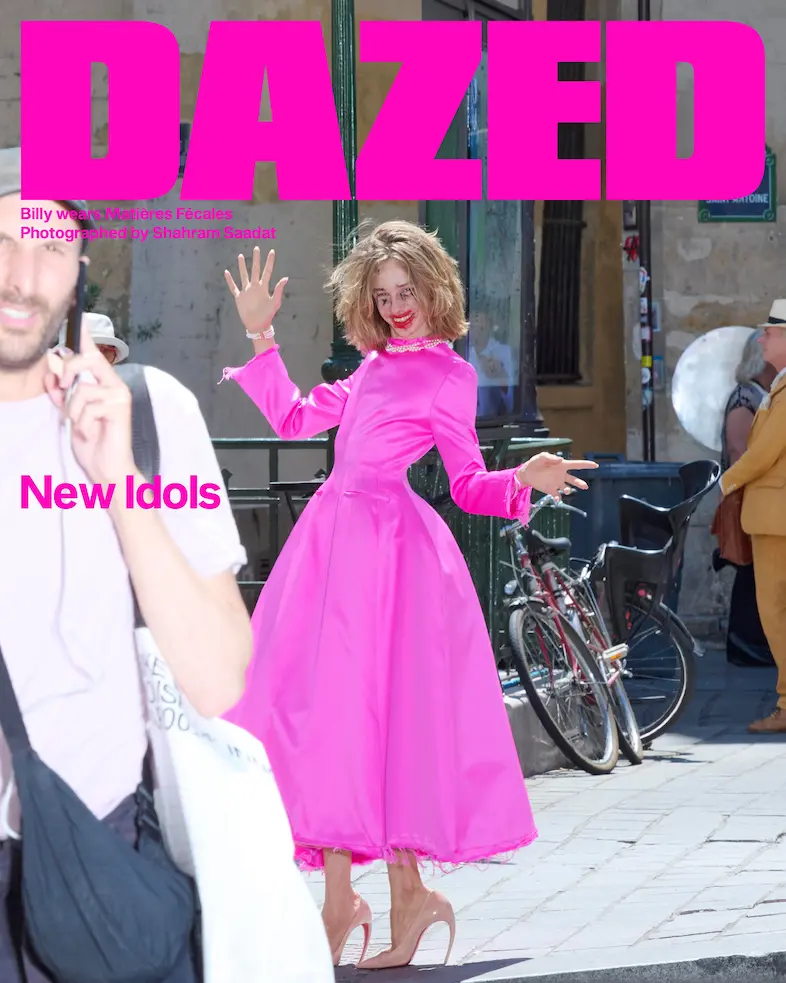
Executive Overview
In the fast-paced ecosystem of contemporary luxury fashion, true disruption is a rare commodity. Brands frequently mistake transient shock value for genuine subversion, relying on surface-level provocations that fade with the changing of a season. Yet, for nearly a decade, the Canadian design duo Hannah Rose Dalton and Steven Raj Bhaskaran—working collectively as Matières Fécales—have operated far beyond the standard paradigms of trend and taste.
What began as a fiercely uncompromising digital experiment in alienoid clubwear and manipulated digital aesthetics has systematically actualized into a formidable luxury house. Today, Matières Fécales commands the attention of high fashion’s upper echelons. Their path from DIY Depop vendors to official Paris Fashion Week darlings represents a profound paradigm shift.
Endorsed by industry architects such as Rick Owens, Michèle Lamy, and Dover Street Market president Adrian Joffe, Dalton and Bhaskaran have successfully translated their terrifying, otherworldly visions into high-end retail reality. From custom red-carpet moments for Zendaya, Demi Moore, and Lady Gaga to politically charged runway spectacles critiquing billionaire wealth hoarding, Matières Fécales proves that the avant-garde can survive commercial growth without sacrificing its razor-sharp teeth.
Detailed Chronology: From Digital Phantoms to the Paris Runway
1. The Genesis: Montreal, 2014
The foundation of Matières Fécales was laid in a fashion illustration classroom at LaSalle College in Montreal. Dalton, a diplomat’s daughter raised in the privileged enclave of Westmount, initially projected an image of pristine, traditional femininity—dressing in pussy-bow blouses, pleated skirts, and Tory Burch flats. Bhaskaran, a lower-income student navigating the aftermath of an intensely turbulent childhood involving domestic upheaval and familial dislocation, viewed Dalton through a lens of defensive cynicism.
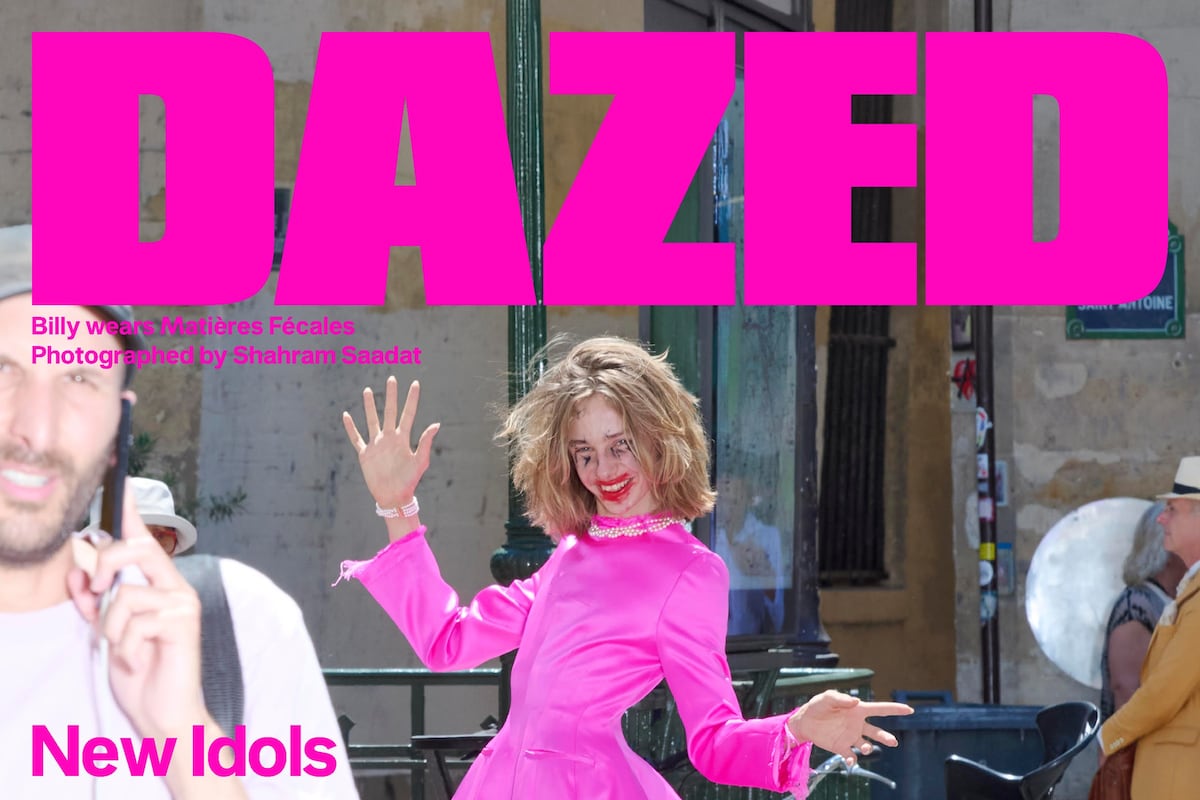
Drawn together initially out of scholastic convenience—Bhaskaran sought a classmate whose notes he could copy—their dynamic rapidly evolved into an unbreakable creative and romantic partnership. Both shared a profound alienation from the toxic normativity of their environments.
Following a pivotal awakening prompted by the 2013 Rana Plaza factory collapse, Dalton abandoned fast fashion entirely, turning instead to found materials like newspapers to recreate her childhood school uniforms. Simultaneously, Bhaskaran dove headfirst into Montreal’s underground rave and drug culture. Together, they forged an identity rooted in defiance, eventually choosing the name Matières Fécales—a blunt acknowledgment of their shared perspective that the broader fashion industry was fundamentally broken.
2. Instagram Infamy and the 2018 London Debut
By the mid-2010s, the duo was selling mid-priced extreme clubwear via a highly popular Depop storefront. However, their true breakthrough arrived through Instagram. Dalton and Bhaskaran began posting images of digitally altered bodies, alienoid garments, and otherworldly prosthetics. Dalton frequently appeared atop flesh-toned stilts extending from her heels, her feet digitally distorted into en-pointe skin shoes.
In October 2018, the digital illusion became physical reality. Staging their debut catwalk show, titled Non-Human, at the Mandrake Hotel in London, they shocked the fashion world. When models emerged on bare, mutant feet supported by ten-inch silicone spears bursting from their heels, the industry sat up and paid attention. The show translated their internet-born fantasies into visceral, three-dimensional luxury, drawing the immediate admiration of Rick Owens, who cold-emailed the pair after reading a New York Times profile. Owens quickly integrated them into his inner circle, cementing their status as fashion’s most compelling outsiders.
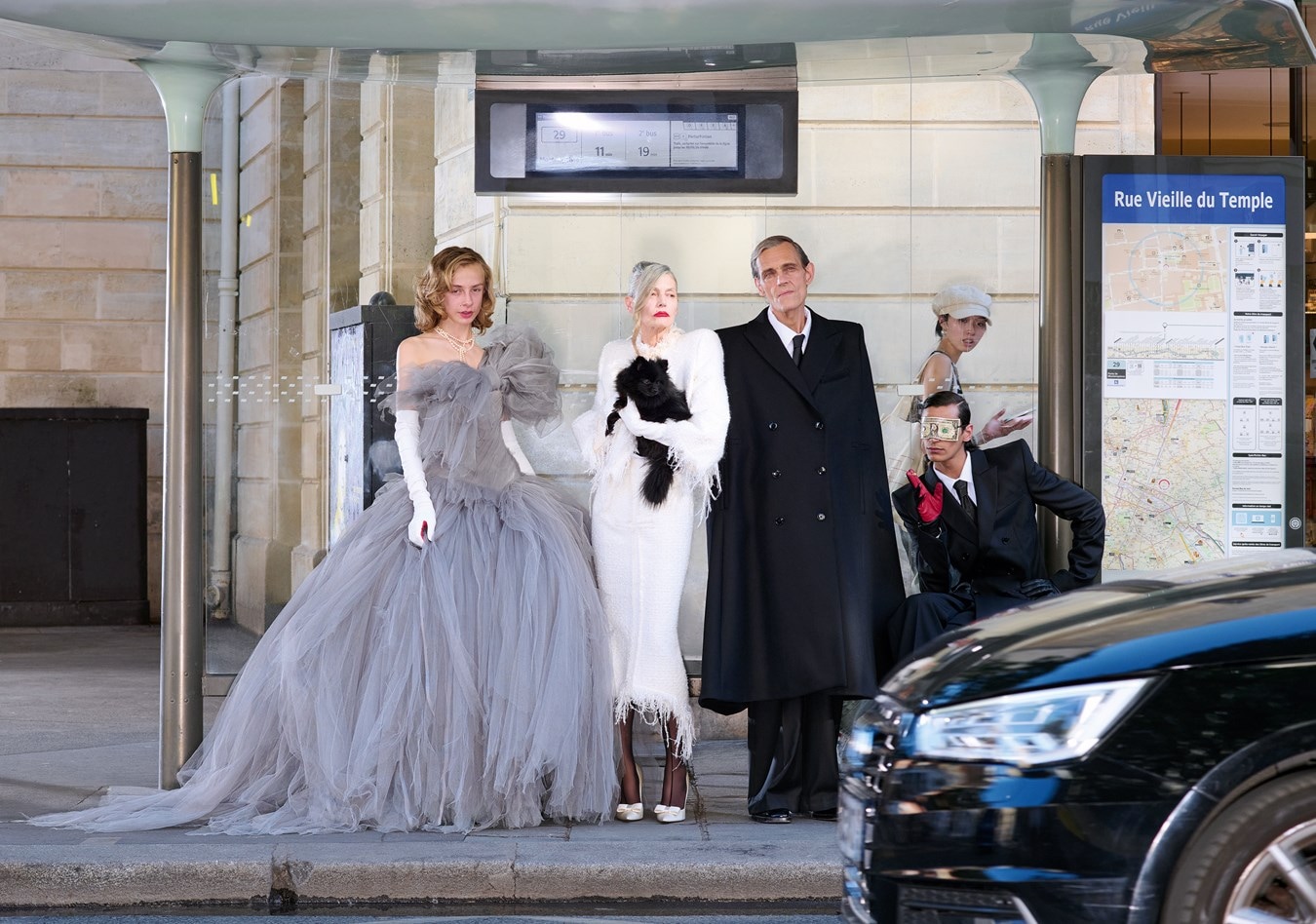
3. The Pandemic Pause and the Dover Street Market Breakthrough
The global disruption of 2022 forced Dalton and Bhaskaran to temporarily put their brand on hold after relocating to Paris, where they confronted the immense friction and elitism of the European fashion capital.
Salvation arrived through a chance backstage encounter with Adrian Joffe at a Madonna concert. After pitching an upscale, luxury-tier evolution of Matières Fécales, Joffe left them on standby for four grueling months. Finally, while DJing at Michèle Lamy’s 80th birthday celebration in Venice, Bhaskaran received the text that changed everything: “let’s do this.”
This partnership unlocked Dover Street Market Paris as their permanent studio home, bridging the gap between underground performance art and international commercial luxury.
4. The One Percent and the 2026 Met Gala Interventions
By 2026, Matières Fécales had firmly established themselves on the official Paris Fashion Week schedule. Their A/W26 collection, The One Percent, served as a blistering satire of billionaire wealth inequality and the obsessive, predatory quest for immortality. Featuring models styled as menacing, blood-palmed elites, blindfolded socialites, and longevity advocates like Bryan Johnson, the collection solidified their mastery of high-end tailoring.
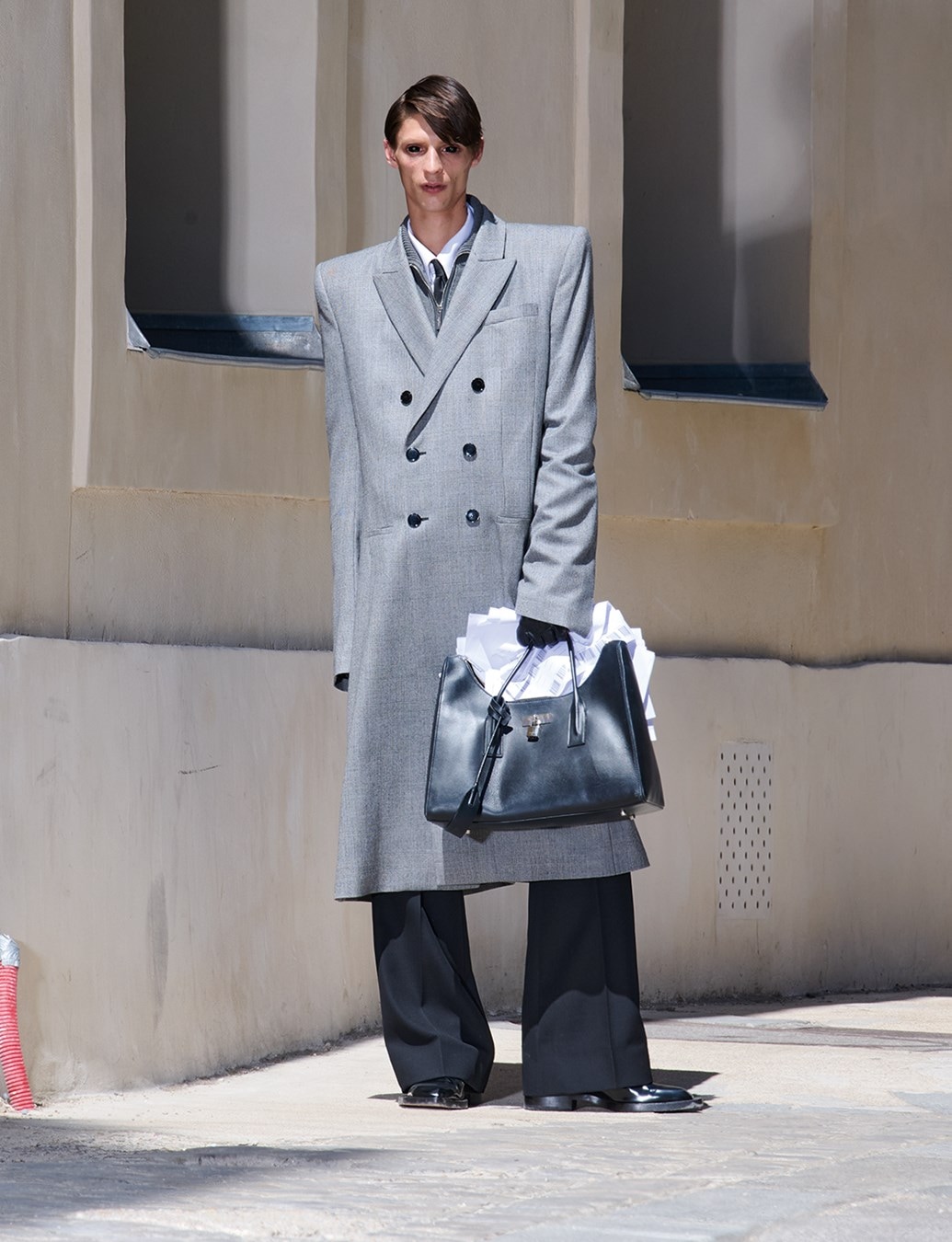
The collection’s cultural shockwaves peaked during the 2026 Met Gala. Actor Sarah Paulson walked the carpet wearing a shredded ball gown and dollar-bill mask straight from The One Percent collection, delivering a thinly veiled critique of the gala’s billionaire backers, including Amazon’s Jeff Bezos. Despite mainstream media misreporting the stunt as an expensive purchase, Dalton and Bhaskaran clarified that the look was a loaned piece—a strategic intervention proving that systemic critique is most effective when executed from within the belly of the beast.
Supporting Context & Metrics
- Founding Year: 2015 (Depop launch); 2018 (Runway debut).
- Primary Studio Location: Dover Street Market Paris (established early 2025).
- Key High-Profile Collaborations & Clients: Zendaya, Lady Gaga, Demi Moore, Chappell Roan, Gabbriette, Kylie Jenner, and Sarah Paulson.
- Key Mentors & Allies: Rick Owens, Michèle Lamy, Adrian Joffe, and Law Roach.
- Core Aesthetic Philosophy: Deconstructing traditional beauty standards, challenging anatomical limitations, and interrogating the ethics of luxury, class, and wealth inequality through haute couture.
Official Statements & Design Philosophy
The creative ethos of Matières Fécales rests on a foundation of profound skepticism toward conventional beauty. Speaking on their selective approach to dressing public figures, Bhaskaran outlined their primary litmus test:
"Anything custom goes through us. We start by asking, ‘Would this person protect us on the street if we were being harassed?’"
Addressing the apparent hypocrisy of critiquing elite wealth structures while operating within a luxury industry, Dalton draws a direct parallel to the fine art market:
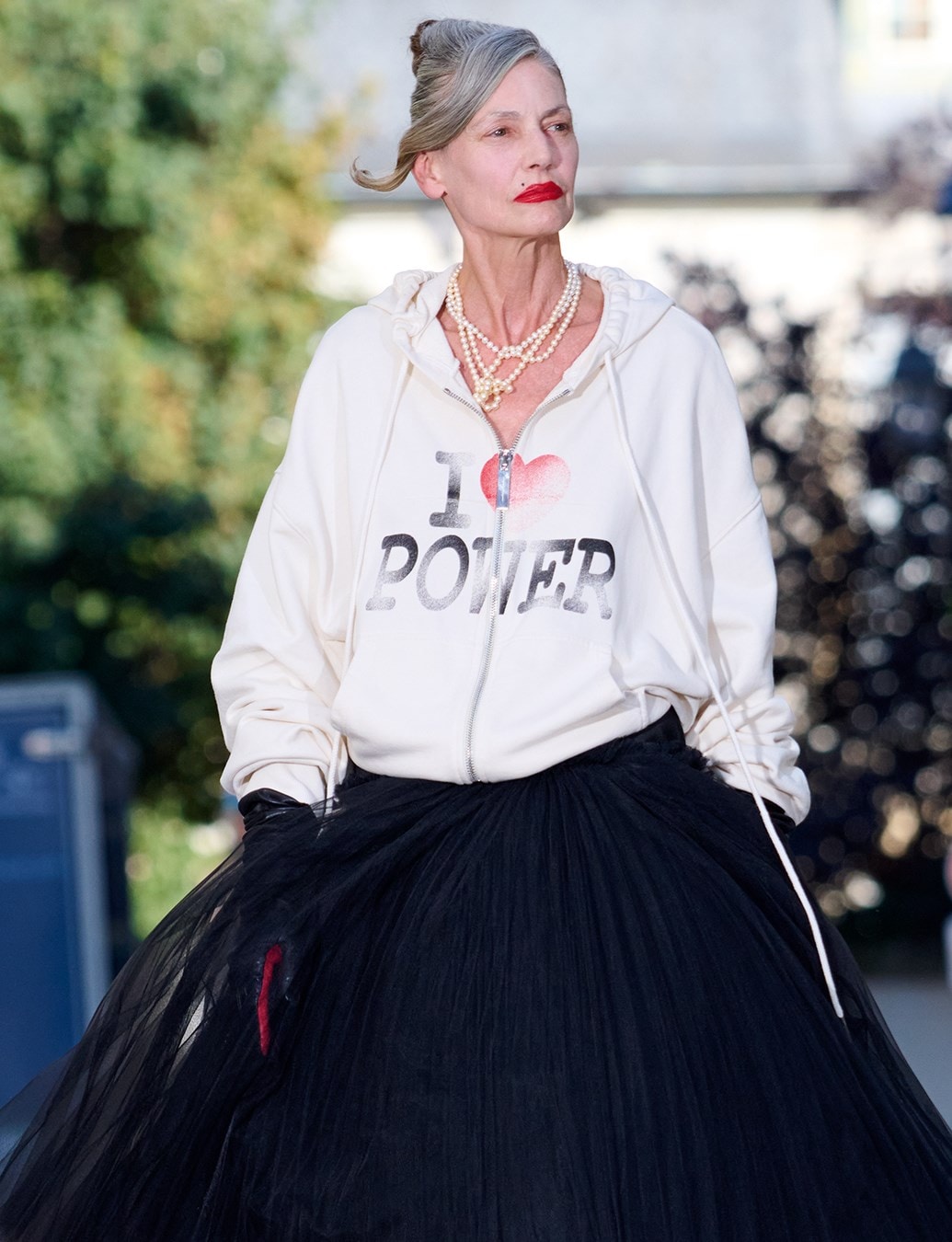
"It relates back to, ‘Do you see fashion as art?’ In art you can make a statement like that, but in fashion it’s like, ‘Oh, you can’t do that.’ A painting is worth more than a dress. Art is a business, too."
Bhaskaran further elaborates on their approach to systemic critique from an insider position:
"The only way to deconstruct and reconstruct dynamics is from within… It’s how we see life."
Reflecting on their surreal journey from marginalized outsiders to the darlings of Paris Fashion Week, Bhaskaran summarizes their current standing with characteristic dry wit:
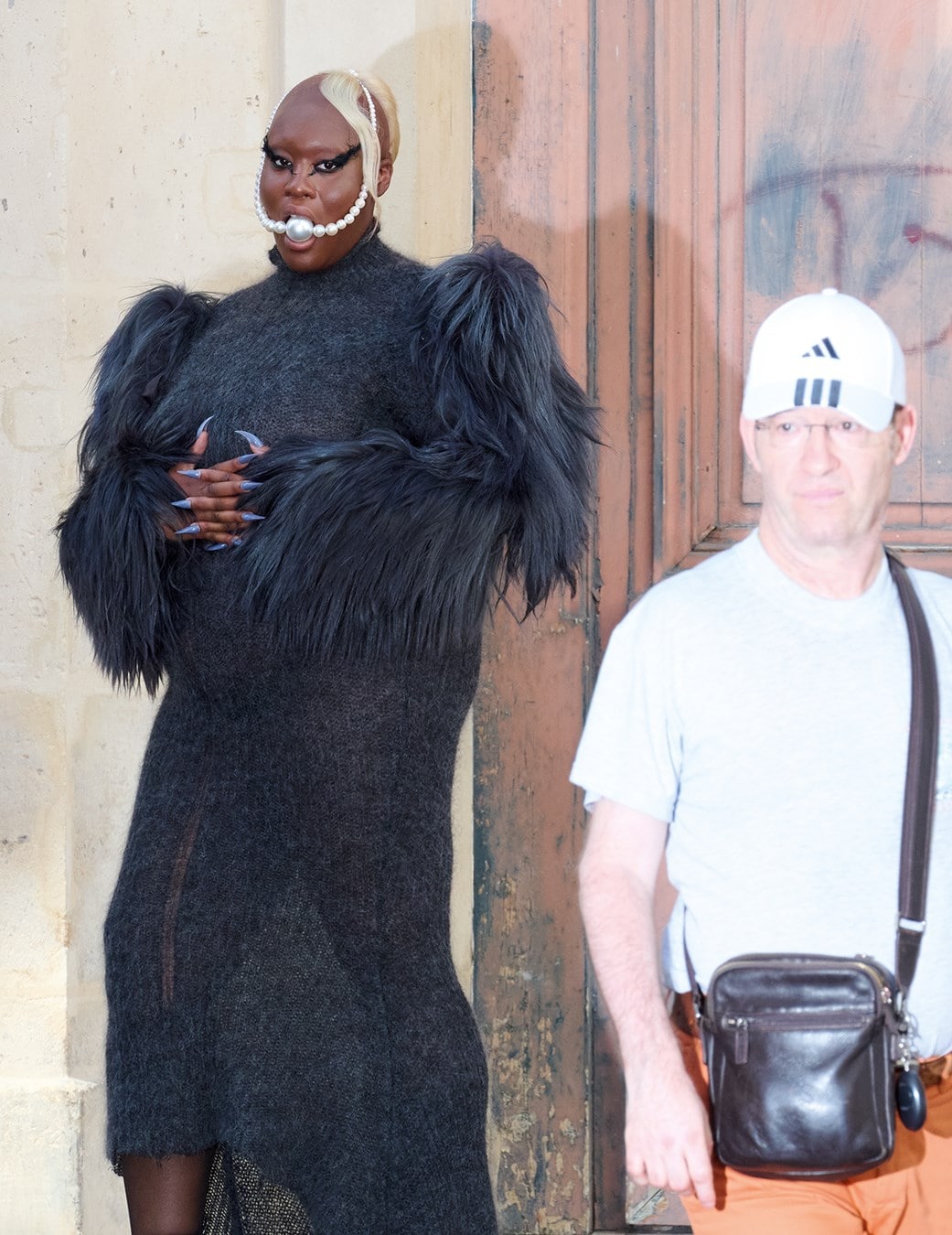
"What’s amazing is that we’re a real brand, selling luxury clothes that are beautiful and desirable… We’re, like, popular today."
Future Outlook
As Matières Fécales looks beyond their triumphant A/W26 season, the brand stands at a critical juncture. Having successfully scaled the ramparts of traditional luxury without compromising their harrowing aesthetic integrity, Dalton and Bhaskaran have proven that outsider art can wield mainstream power.
The challenge ahead lies in maintaining their transgressive edge as they transition from insurgent disruptors to institutional fixtures. With a permanent home at Dover Street Market, an ever-expanding roster of A-list devotees, and a willingness to bite the hand that feeds them on the world’s most watched red carpets, Matières Fécales is no longer just predicting the future of fashion—they are actively enforcing it.