Executive Overview
The web development landscape is undergoing a silent yet seismic transformation. As modern browsers rapidly converge on standardized implementations, web developers are steadily gaining access to low-level layout and state capabilities that previously required heavy JavaScript runtimes. In the latest edition of the industry-favorite developer digest, What’s !important #16, the front-end community is treated to an array of cutting-edge styling paradigms, native structural queries, and mathematical optimizations.
From the impending arrival of the sibling-index() function in Firefox 154—pushing the feature squarely into "Baseline: Newly Available" status—to complex structural designs like the 2026 FIFA World Cup knockout brackets built entirely in CSS, the web ecosystem is proving its resilience and scalability. Furthermore, advanced layout calculations are entering uncharted territory with the introduction of the CSS infinity keyword, while UX discussions around default lazy-loading and container scroll-state queries point toward an increasingly performant and declarative web.
This report examines these critical updates, contextualizing their impact on modern architecture, browser compatibility, and the ongoing evolution of styling standards.
Detailed Chronology of Recent Web Platform Advancements
The march of web standards is relentless, driven by the collaborative efforts of browser vendors, standards bodies, and the open-source developer community. The developments highlighted in this period span multiple core disciplines, from layout automation to performance optimization.
1. The Rise of sibling-index() and Dynamic Animations
Following closely on the heels of Chris Coyier’s comprehensive In-N-Out Animations series, developer Temani Afif published groundbreaking demonstrations on utilizing the sibling-index() function for dynamic CSS animations. Scheduled to land in Firefox 154 on August 18, 2026, this implementation is a major milestone, propelling the feature into the "Baseline: Newly Available" tier.
Traditionally, staggering animations across dynamic lists required inline styles or JavaScript injection to calculate delays based on element indices. With sibling-index(), the browser natively computes an element’s index among its siblings, allowing developers to write self-contained stylesheets where animation timing, transforms, and transitions automatically scale relative to structural position.
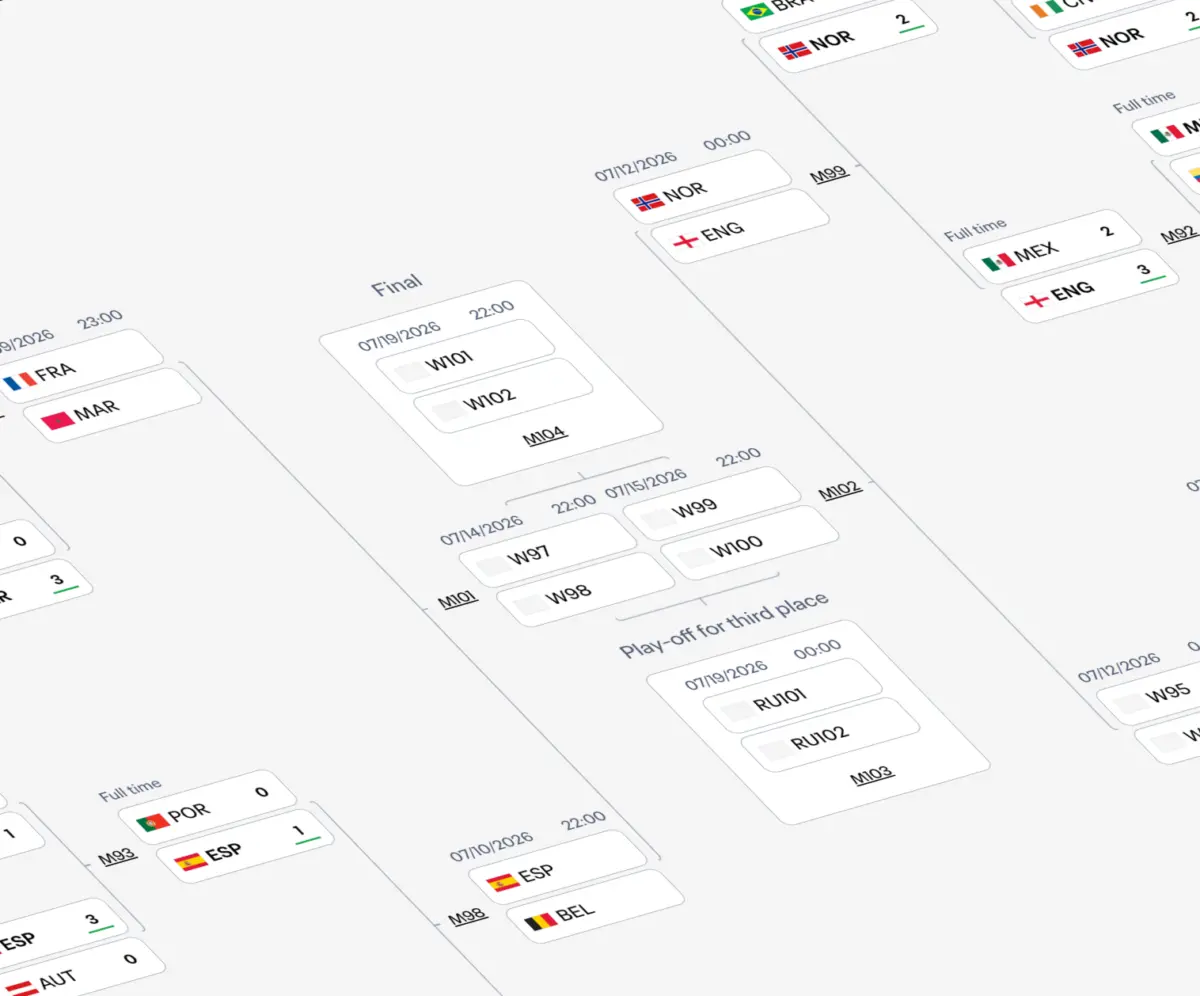
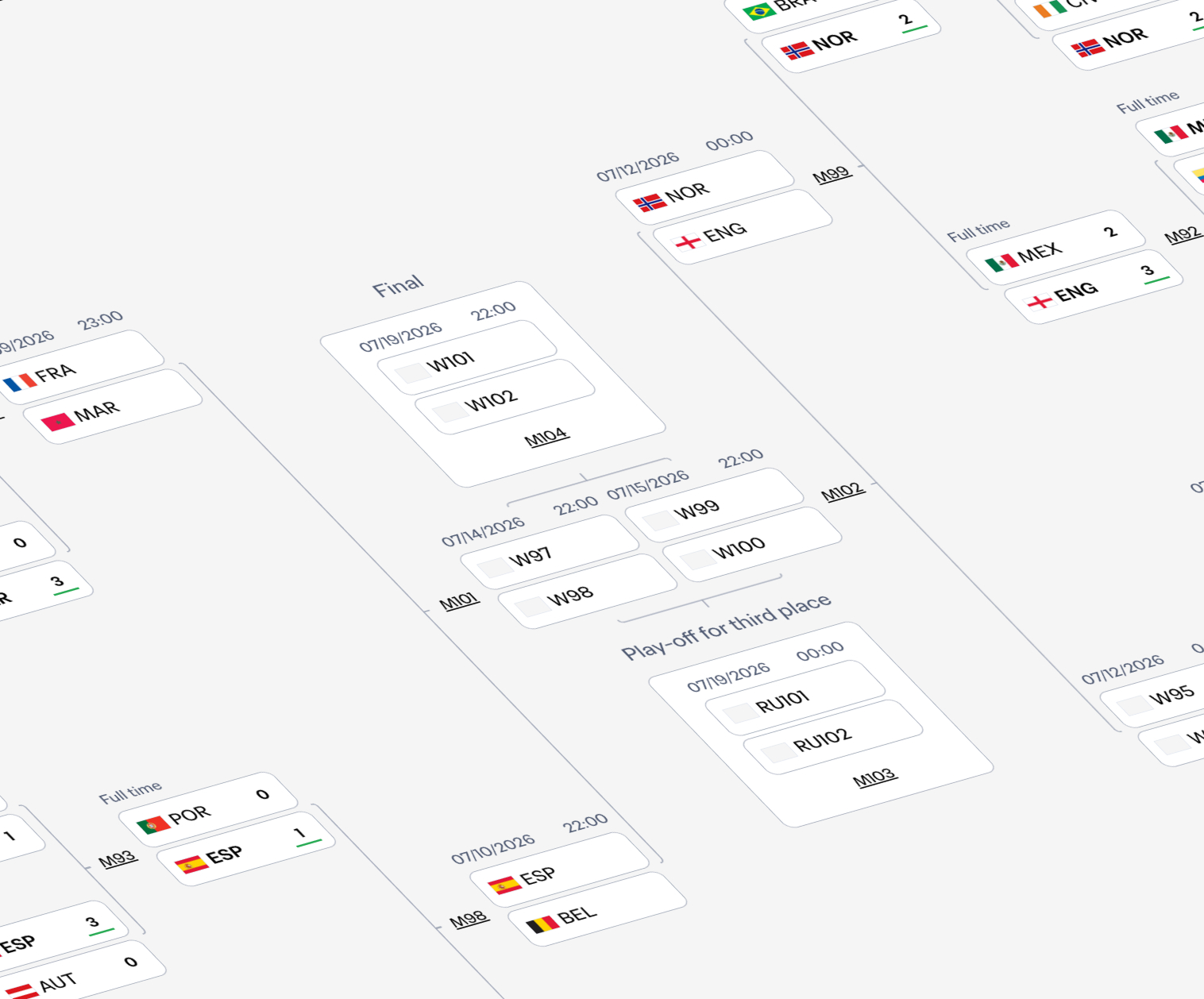
2. Crafting Complex Layouts: The 2026 FIFA World Cup Brackets
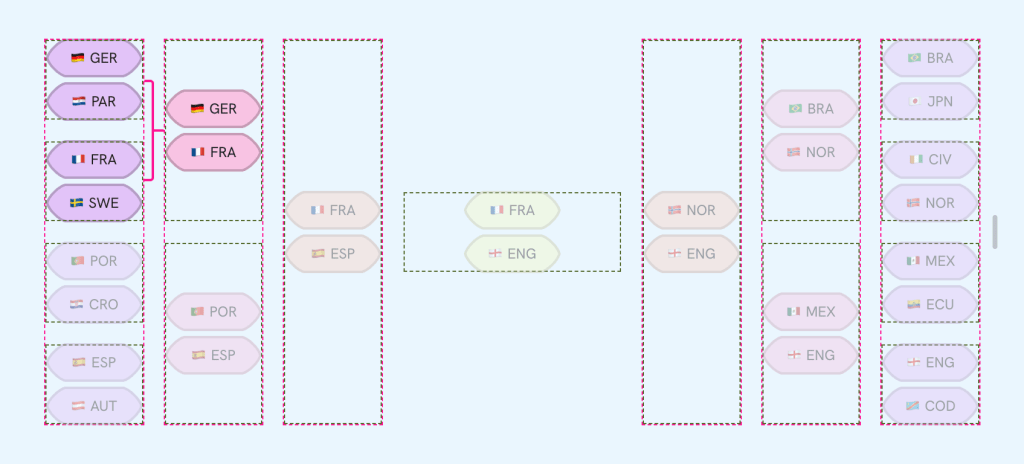
With the dust settling on the 2026 FIFA World Cup, front-end architect Ahmad Shadeed revisited the tournament through a technical lens. Shadeed published a deep-dive tutorial demonstrating how to construct complex, multi-tiered knockout brackets purely using modern CSS layout primitives (Grid and Flexbox).
The feat highlights how far CSS has evolved from simple box-model styling. By leveraging modern layout techniques, developers can construct intricate, responsive data-visualization structures without relying on brittle SVG hacks or heavy JavaScript manipulation trees, proving that modern CSS is fully equipped for dashboard-level UI design.
3. Unleashing Mathematical Boundaries with infinity
Mathematics has steadily integrated into CSS via functions like calc(), clamp(), and trigonometric properties. However, the introduction of the infinity keyword (along with its negative counterpart, -infinity) pushes this capability into abstract computational design.
Engineered for advanced constraint solving and layout mathematics, infinity allows developers to handle edge cases in custom properties and derived values. As demonstrated by Adam Argyle, one of the most striking use cases involves advanced shape styling. For instance, setting properties like:
corner-shape: square;
/* is functionally equivalent to */
corner-shape: superellipse(infinity);

corner-shape: notch;
/* is functionally equivalent to */
corner-shape: superellipse(-infinity);
By pushing superellipse curvature metrics to infinity, developers can instantaneously toggle between hyper-rounded, perfectly squared, or sharply notched border profiles natively in the stylesheet.
4. Container "Stuck" Queries and Scroll-State Intelligence
Building upon the revolution of container queries, the introduction of container scroll-state queries marks a monumental leap in component-driven architecture. Chris Coyier explored the practical implications of querying whether a sticky element has entered a "stuck" state via @container scroll-state(stuck: <keyword>).
Historically, detecting when a position: sticky element hit its boundary required performance-heavy JavaScript IntersectionObserver implementations or scroll event listeners. Container stuck queries delegate this monitoring directly to the browser’s rendering engine, allowing components to dynamically restyle themselves (such as dropping a shadow or altering background opacity) the exact microsecond they dock to the viewport edge.
Supporting Context & Metrics
To fully appreciate the gravity of these updates, one must evaluate them within the broader context of web performance, browser adoption lifecycles, and developer ergonomics.
Browser Compatibility and the Baseline Metric
The concept of "Baseline"—managed by the WebDX Community Group—has become the gold standard for tracking feature readiness. When a feature reaches Baseline: Newly Available, it means it is supported across all major browser engines (Chromium, Firefox, and Safari). The integration of sibling-index() into Firefox 154 completes the interoperability trifecta, freeing enterprise teams to adopt structural index queries without fearing cross-browser regressions.
However, advanced features still face adoption barriers. While Chrome and Edge frequently spearhead experimental CSS specifications, features like container scroll-state queries (stuck) face the classic multi-vendor lag, remaining unsupported in Safari and Firefox as of mid-2026. Developers deploying these tools must rely on @supports queries or progressive enhancement frameworks to maintain stable fallback experiences.
The Performance Debate: Default Lazy-Loading
A vital architectural debate ignited in the developer community following a proposal by Dr. Lea Verou regarding default lazy-loading. Referencing a historical proposal by Tab Atkins Jr. (CAS), Verou noted the friction involved in manually optimizing asset delivery:
img, video
    loading: lazy;
Under this paradigm, the web platform would invert its default behavior, treating non-critical media as lazy-loaded by default, requiring developers to explicitly declare loading="eager" only for above-the-fold hero elements. Proponents argue this single change would drastically improve Core Web Vitals (specifically Largest Contentful Paint and Cumulative Layout Shift) across millions of legacy and poorly optimized websites globally. Critics, however, warn of potential race conditions in browser parsing engines where late-discovered images might suffer unnecessary rendering delays if layout constraints are not rigorously defined.
Official Statements and Community Perspectives
The discourse surrounding What’s !important #16 underscores a broader philosophical shift in web development: shifting work from JavaScript runtimes back to the browser’s native layout and rendering engine.
- Temani Afif on Native Indexing: "By letting the browser handle structural indexing natively, we eliminate the synchronization bugs that inevitably occur when state management libraries and DOM nodes fall out of alignment during animations."
- Ahmad Shadeed on Layout Scalability: "Data visualization like tournament brackets used to mean writing procedural SVG generation scripts. CSS Grid has matured to a point where the layout engine itself is our most powerful drawing tool."
- Lea Verou on Asset Optimization: "We spend an immense amount of developer hours fixing performance bottlenecks that could be systematically resolved if our platform defaults favored efficiency over legacy behavior."
- Johannes Bechberger on Procedural Styling: "Animating hand-drawn text paths used to require deep XML manipulation. By combining modern CSS custom properties with smart comment-driven code structures, we can achieve organic aesthetics with minimal overhead."
Future Outlook: The Next Decade of the Web Platform
As the front-end community looks beyond current iterations, the trajectory of web standards points toward hyper-declarative styling, automated performance defaults, and deep integration of advanced mathematical models into CSS.
Curiously, structural anomalies continue to amuse the community; notably, Chrome’s public roadmap has raised eyebrows by projecting version releases out over the next 14 years, culminating temporarily with Chrome 499. While software roadmaps of that scale are largely symbolic or placeholders for automated tracking systems, they highlight the perpetual, uninterrupted evolution of the browser ecosystem.
In the near term, developers should prepare for:
- Wider Baseline Adoption: The widespread availability of structural functions like
sibling-index()will phase out legacy utility classes for alternating row colors and staggered entrance animations. - Mainstream Scroll-State Integration: As Safari and Firefox eventually adopt container scroll-state queries, sticky navigation elements and complex sidebars will become entirely declarative.
- Advanced Shape Automation: The standardization of keywords like
infinitywill open doors for generative CSS art and mathematical design systems that bypass traditional raster image dependencies.
Web development is entering an era of unprecedented capability. Editions like What’s !important #16 serve as vital waypoints, guiding engineers through a landscape that is simultaneously more powerful, more performant, and infinitely more expressive than ever before.