Executive Overview
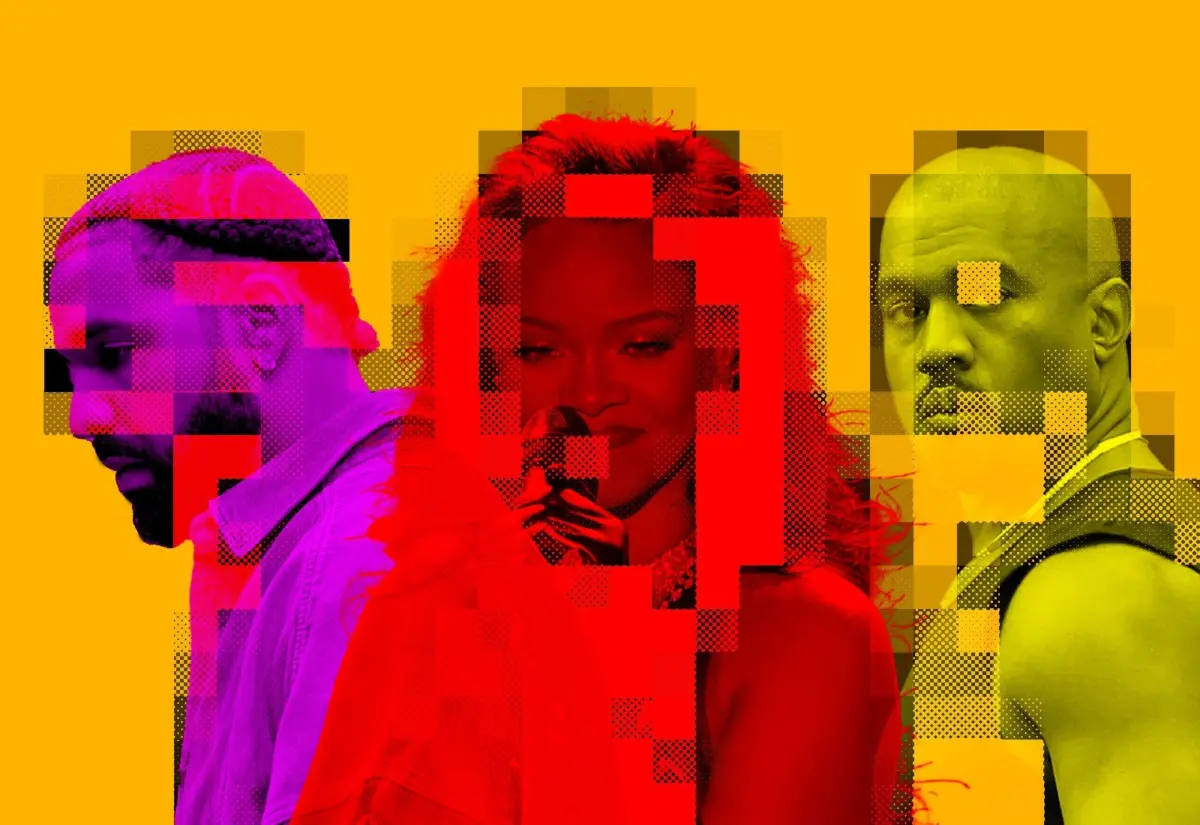
The modern music industry finds itself hurtling toward an unprecedented technological precipice. Across digital platforms like YouTube, Instagram, and TikTok, millions of listeners are routinely fooled by hyper-realistic, AI-generated tracks featuring the voices of their favorite artists performing songs they never recorded. From superstar DJ David Guetta dropping an artificial Eminem vocal live in concert to viral collaborations like "Heart on My Sleeve"—a seamless, computer-generated duet between Drake and The Weeknd—generative artificial intelligence has democratized audio forgery.
What began as a niche experiment for tech-savvy hobbyists has rapidly evolved into an existential threat for major record labels, a legal labyrinth for intellectual property attorneys, and a cultural watershed for artists whose identities are being digitized without their consent. While fans celebrate the sheer novelty of hearing Kanye West cover indie rock staples or Freddie Mercury conduct an AI-powered choir, the industry’s power players are scrambling to fortify their legal walls. Universal Music Group has already begun lobbying streaming giants to block AI developers from scraping copyrighted material, and top-tier music lawyers are warning of uncharted legal territories. As the Pandora’s box of voice-cloning technology flies open, the music world is forced to confront a sobering reality: the boundary between authentic human expression and synthetic mimicry has officially dissolved.
Detailed Chronology: From Discord Servers to Mainstream Panic
The rise of generative audio tools did not happen overnight; it is the result of a rapid convergence between open-source machine learning projects and hyper-engaged internet subcultures.
The trajectory of this movement can be traced through several critical milestones:
- Late 2022 to Early 2023: Open-source voice conversion models, most notably So-Vits-SVC, explode in popularity across developer forums and gaming communities. Initially utilized for harmless voice modulation, users quickly realize these tools can be trained on isolated acapellas to replicate the distinct timbre, cadence, and vocal fry of famous musicians. A dedicated TikTok hashtag for So-Vits-SVC surpasses 2 million views.
- February 2023: Superstar DJ David Guetta pushes the envelope into live performance, broadcasting a concert clip where he plays a track featuring an unauthorized, AI-generated Eminem vocal. Around the same time, French hip-hop act AllttA releases "Savages," utilizing an AI-generated Jay-Z vocal that draws critical praise for its uncanny emotional resonance.
- March 2023: Underground fan communities seize control of the technology. Operating within Discord servers dedicated to unreleased Kanye West tracks—often referred to as the "Kanye unreleased community"—hobbyists begin training custom models on leaked studio vocals. A 22-year-old Oklahoma creator operating under the moniker "YeezyBeaver" releases a surprisingly charming AI cover of the Plain White T’s hit "Hey There Delilah" performed by Kanye West. The track goes viral, establishing a blueprint for hundreds of similar novelty covers.
- Early April 2023: The viral momentum peaks with "Heart on My Sleeve," an impeccably produced track mimicking Drake and The Weeknd. Speculated by industry insiders to be a calculated marketing ploy by an AI startup, the song amasses millions of streams before copyright holders force its removal. Simultaneously, an AI-generated track of Drake "covering" Ice Spice’s "Munch (Feelin’ U)" circulates online, prompting a visceral reaction from the Canadian superstar.
- Mid-April 2023: Drake takes to Instagram to denounce the Ice Spice cover, declaring it "the final straw." Shortly after, Universal Music Group (UMG) fires a shot across the bow of the tech industry, formally petitioning streaming services like Spotify and Apple Music to block AI developers from scraping protected master recordings. Major copyright takedowns sweep across YouTube, signaling the beginning of an aggressive corporate counter-offensive.
Supporting Context & Metrics: The Mechanics of Voice Cloning
To understand why the music industry is in a state of panic, one must understand the technical accessibility and sheer speed of modern generative tools.
The Technology: So-Vits-SVC and Beyond
At the heart of the current boom is So-Vits-SVC (Soft-Voice-To-Singing-Voice-Conversion), an open-source framework hosted on GitHub. Unlike older text-to-speech engines that sound robotic and stilted, So-Vits-SVC allows a user to feed hours of cleaned vocal stems (isolated vocals) of a specific artist into a neural network.
The model analyzes the target artist’s pitch, vibrato, accent, and emotional delivery. Once trained—a process that can take anywhere from a few hours to a couple of days on consumer-grade hardware—a user can sing or speak into a microphone in their own voice, and the software instantly translates the audio into the pristine vocal likeness of the target artist.
The Hobbyist Economy and Fan Culture
For creators like YeezyBeaver and a college student known online as "pieawsome," these tools represent an extension of long-standing internet traditions.
"I realized we had enough Kanye material where we could probably make an AI model out of it to finish some of the songs," pieawsome explained. "People started working with it, and [the music produced] got passed around a bunch of people."
Many young creators view their work through the lens of participatory fan culture, comparing AI voice-modelling to video game "modding" or the writing of derivative fanfiction. Jered Chavez, a 19-year-old student at the University of South Florida who runs an Instagram page featuring AI-generated mashups of rappers singing anime theme songs, argues that comedy acts as a shield against malicious intent.
However, Chavez readily acknowledges the slippery slope of the medium. His viral videos—featuring heavyweights like Drake, Kanye West, and Kendrick Lamar performing the closing theme to Rascal Does Not Dream of Bunny Girl Senpai—highlight the surreal cultural amalgamation that AI facilitates. Yet, he is acutely aware that using an artist’s likeness without permission is, at its core, "putting words in people’s mouths."
Industry Vulnerability and Economic Fallout
Financial analysts have begun quantifying the threat. An influential analyst report from BNP Paribas Exane recently categorized generative AI music as a "new disruptive threat" to the traditional label business model. The primary fear is twofold:
- Market Dilution: Streaming platforms are already inundated with millions of tracks. The frictionless generation of infinite AI-mimicked music threatens to dilute royalty pools, starving independent and mid-tier human artists of vital income.
- Brand Erosion: Artists risk losing control over their public personas. When an AI model generates a controversial, offensive, or sub-par track attributed to a major star, the artist’s brand equity takes a direct hit without their having any agency in the creation process.
Official Statements and Legal Perspectives
As copyright strikes multiply and record executives hold emergency strategy sessions, the legal community is grappling with a technology that has outpaced existing legislation.
The Record Labels Strike Back
Universal Music Group, home to a massive roster that includes Drake, Rihanna, Taylor Swift, and The Weeknd, has taken a proactive stance. By demanding that streaming platforms actively police their ecosystems against data-scraping algorithms, UMG is attempting to choke off the raw material required to train high-fidelity voice models.
Industry analysts note that while copyright law strictly protects particular sound recordings and underlying musical compositions, the legal status of a person’s voice or style remains murkier.
Legal Gray Areas: Identity Theft vs. Fair Use
Legal experts are deeply divided on how existing statutes apply to AI voice cloning. Jonathan Bailey, former Chief Technology Officer of music tech company Soundwide, offers a stark assessment of the practice:
"I think you can make a persuasive argument that using AI to reanimate Jay-Z’s voice to have him rap or sing something he never created is kind of a form of identity theft."
Despite such strong ethical condemnations, navigating the courtroom is another matter entirely. Donald Passman—a legendary music attorney at Gang, Tyre, Ramer, Brown & Passman, Inc., who has represented industry titans like Adele and Taylor Swift—declined to offer definitive predictions on the matter. Citing the need to preserve legal flexibility for future litigation, Passman summarized the prevailing sentiment among top legal minds: "It’s way too new."
Traditional avenues of recourse typically rely on the Right of Publicity (which protects a person’s name, image, and likeness from commercial exploitation) and common-law copyright infringement. However, because many hobbyists distribute AI tracks for free on Discord and TikTok without direct commercial monetization, traditional statutory penalties are difficult to enforce.
Future Outlook: Navigating the Synthetic Frontier
The genie cannot be put back in the bottle. Even as major labels deploy automated copyright takedowns and pressure streaming services to sanitize their platforms, the underlying open-source software is publicly accessible, easily downloadable, and continuously improving.
Jered Chavez captures the resignation felt by many digital creators:
"I guess that’s one way of tackling it. But honestly, now this technology is out there, I don’t think people are ever going to stop using it. The responsibility lies in the judgment of the people that are making [AI-generated music]. I try to use my best judgment. This is kind of new territory for everyone."
What Lies Ahead?
The future of music in the age of generative AI will likely be defined by three major developments:
- Legislative Reform: Lawmakers in Washington and the European Union are already facing mounting pressure to draft targeted legislation explicitly protecting vocal likenesses and establishing clear guardrails against unauthorized generative training sets.
- Watermarking and Detection Tech: Major technology firms and audio startups are racing to develop cryptographic watermarking for human-recorded vocals, allowing streaming platforms to instantly flag and filter unverified synthetic clones.
- Authorized Collaboration: Rather than waging an unwinnable war against technology, forward-thinking artists may begin licensing their own official AI voice models. This would allow fans and producers to legally generate new music featuring an artist’s voice, with royalties automatically routed to the creator.
Ultimately, the proliferation of AI-generated music forces a profound philosophical question upon the creative world: What makes art valuable—the technical output of a voice, or the lived human experience behind it? As the legal battles loom and the technology marches forward, the music industry must rapidly adapt to a world where hearing is no longer believing.