Executive Overview
The global fashion landscape for Autumn/Winter 2026 (AW26) is undergoing a structural realignment characterized by heritage revivals, strategic creative director appointments, and innovative retail incursions. As the industry transitions from a period of macroeconomic recalibration into a hyper-targeted consumer engagement cycle, heritage houses and contemporary labels alike are deploying disruptive campaign strategies, experimental retail pop-ups, and hyper-local product capsules to capture market share.

This report provides a comprehensive, authoritative examination of the primary developments shaping the AW26 season. From Mulberry’s ingenious, nominative marketing blitz for its latest handbag release and Christopher Kane’s highly anticipated creative debut at the British institution, to structural retail takeovers by Korean powerhouses like SYSTEM at Harrods and high-octane conceptual campaigns by Maison Margiela, Agent Provocateur, and Jil Sander, this season marks a distinct return to narrative-driven luxury. Concurrently, regional pride and community-led initiatives—such as the Air Jordan 4 ‘LDN’ and Red Flagged’s ESEA Heritage Month portraiture—underscore a localized approach to global brand storytelling.

Detailed Chronology
Early to Mid-September 2026: The Retail and Campaign Pipeline
The opening weeks of September have established an accelerated release calendar, setting the tone for the international fashion month circuit.

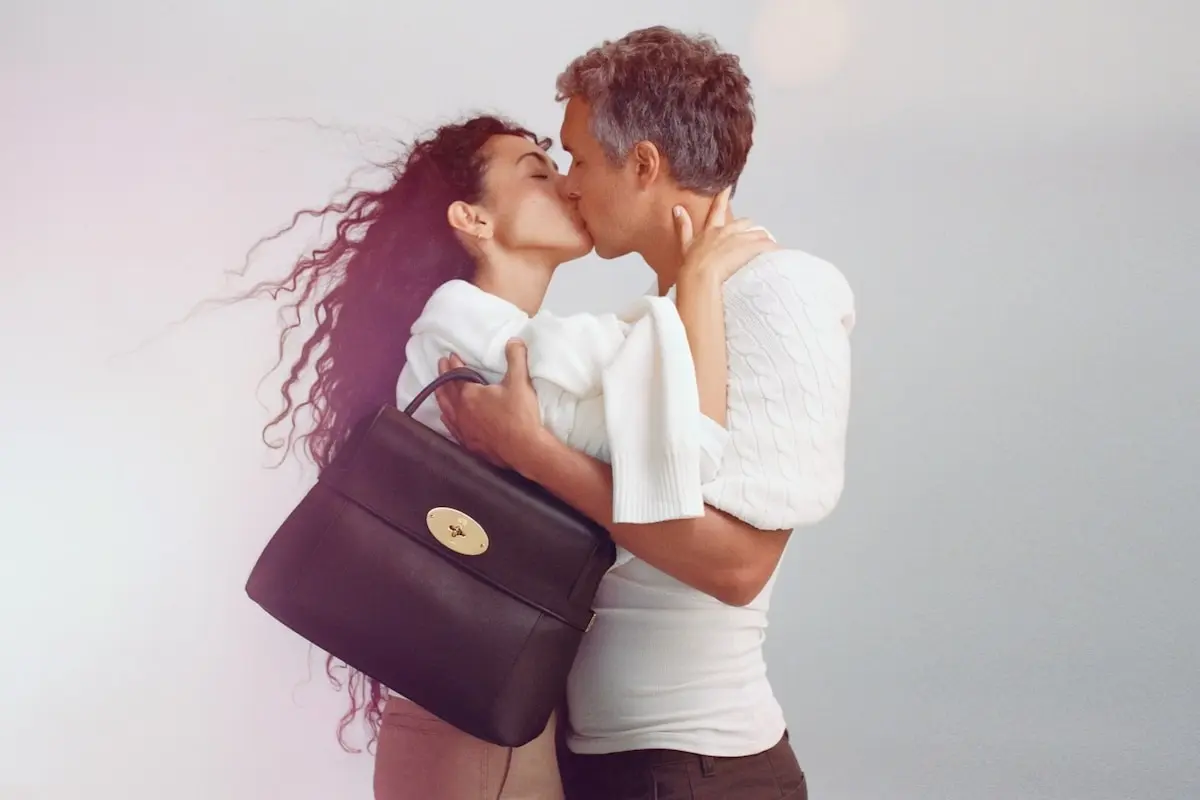
- Mulberry’s Nominative Strategy: Following the viral, eight-minute sell-out of its 55th-anniversary Bayswater capsule earlier this year, Mulberry initiated its autumn push with the launch of the "Stevie" bag. Captured by New York-based photographer Stevie Dance, the campaign utilized a strict casting parameter: every individual featured was named Stevie. Offered in two distinct silhouettes and a rich palette ranging from amethyst to ebony, the drop reinforces the brand’s grip on cultural relevance twenty years after the height of the original "It bag" era.
- Margiela’s Cinematic Thriller: Maison Margiela unveiled its AW26 campaign via a psychological thriller short film starring actress Rebecca Hall. Continuing the house’s legacy of enforced anonymity—stretching from Martin Margiela’s faceless tenure to Glenn Martens’ artisanal masking—the film features Hall confronting her own masked double, blurring the boundaries between identity and high fashion.
- Agent Provocateur’s Cinematic Revival: Lingerie giant Agent Provocateur leaned into its legacy of provocative, cinematic advertising with an AW26 campaign directed through the lens of Steven Klein. Starring Irina Shayk, the Basic Instinct-inspired visual series reasserts the brand’s unapologetic sensuality.
- Alaïa’s Teckel Expansion: Building on the momentum of its contemporary handbag lines, Alaïa introduced the Teckel Flap bag. The design immediately permeated the street-style ecosystem, spotted on the arms of cultural fixtures including Alex Consani, Teyana Taylor, and Tracee Ellis Ross.
- Jil Sander’s Runway Takeover: Under the creative direction of Simone Bellotti, Jil Sander commandeered a private airport runway for its AW26 campaign. Photographed by Moni Haworth and fronted by Edie Campbell and Daisuke Ueda, the campaign frames the runway as a site of liminal transition and new beginnings.
- Air Jordan’s Capital-Specific Drop: Expanding its regional footprint, Jordan Brand introduced the Air Jordan 4 ‘LDN’. Captured by Tom Schwimmbeck, the campaign highlights London’s creative and basketball subcultures, featuring figures such as Fatzoo (Marc Jefferson), Haytham Sicander, Ghadir Mustafa, and the collective Simply British Ballers.
- Moncler’s Fifth Avenue Extravaganza: Moncler initiated New York Fashion Week with the grand opening of its flagship Fifth Avenue boutique. The star-studded opening night featured Mark Ronson on the decks and a guest list comprising Serena Williams, Anna Wintour, Cher, Julia Roberts, and Anne Hathaway.
- END. LABEL’s Hometown Debut: UK luxury and streetwear institution END. launched its proprietary apparel line, END. LABEL. Photographed in Newcastle—the retailer’s foundational home—the campaign stars Isabella Burley, Marli Jessop, Trackie McLeod, and Knats.
- SYSTEM’s Harrods Incursion: South Korean contemporary giant SYSTEM executed its maiden UK retail activation, launching a dedicated pop-up space within London’s Harrods department store. Operating from September 7 through November 2, the pop-up introduces the brand’s Seoul-honed aesthetic to a European luxury clientele.
- Red Flagged and ESEA Heritage Month: Co-founded by Ed Lee and Alex Han, the UK creative community Red Flagged partnered with photographer Julian Song to document prominent East and Southeast Asian creatives in an outdoor gymnasium setting. The cast featured Chet Lo, Susie Lau, Lydia Chan, Rahel Stephanie, Benny Andallo, Xiaoqiao, Tsunaina, Clara Rosa, Le Fil, Jaokha Jaokha, Jeff Hahn, and Zee-2.
- Valentino Garavani’s Office Infiltration: Following its runway debut, the Valentino Garavani Stud Up trainer was launched via an action-oriented campaign. The video depicts a parkour athlete wreaking havoc inside creative director Alessandro Michele’s office at Palazzo Mignanelli, testing the footwear’s structural integrity through urban acrobatics.
Supporting Context & Metrics
The Resurgence of the Heritage Handbag Market
The commercial success of Mulberry’s 55-year anniversary Bayswater re-release—which saw 55 unique iterations sell out in under eight minutes—highlights a broader consumer appetite for archive-validated accessories. In an economic climate where luxury consumers are increasingly value-conscious, houses with historical provenance are outperforming newer market entrants by leveraging nostalgia.

| Brand / House | Key Launch / Initiative | Strategic Objective | Market Response / Metric |
|---|---|---|---|
| Mulberry | Stevie Bag & Bayswater Capsule | Capitalize on 2000s archival equity and viral community casting | First anniversary drop sold out in <8 minutes; high digital engagement via "Stevie-only" casting |
| Alaïa | Teckel Flap Bag | Expand the successful Teckel ecosystem into structured flap silhouettes | Immediate organic adoption among high-profile cultural arbiters (Consani, Taylor, Ross) |
| SYSTEM | Harrods Department Store Pop-Up | Establish bricks-and-mortar footprint in the UK luxury market | Two-month exclusive retail window (Sept 7–Nov 2) targeting international clientele |
| END. | END. LABEL | Transition from multi-brand retailer to proprietary product producer | Strong regional resonance via Newcastle-rooted campaign featuring prominent British talent |
The Evolution of Experiential and Narrative Campaigning
Traditional print advertisements have been largely superseded by high-production-value narrative shorts and performance art. Maison Margiela’s psychological thriller framework and Valentino Garavani’s office-parkour stunt reflect a broader industry mandate: campaigns must function as standalone entertainment media to pierce through algorithmic fatigue on platforms like Instagram and TikTok.

Furthermore, regional specificity has become a primary driver of consumer loyalty. The localized release of the Air Jordan 4 ‘LDN’ and the community-first approach of Red Flagged’s ESEA Heritage Month portraiture demonstrate that global brands must embed themselves within hyper-local subcultures to maintain authenticity.

Official Statements
While direct transcriptions of brand press releases vary, executive leadership across the participating houses have emphasized structural evolution and cross-disciplinary collaboration for the AW26 season:

- On Mulberry’s Creative Trajectory: Industry analysts note that Christopher Kane’s impending debut as creative director next week at London Fashion Week represents a pivotal structural pivot for the British brand, balancing its historic leathergoods dominance with a sharper, avant-garde ready-to-wear vision.
- On Moncler’s Retail Strategy: Moncler’s executive board noted that the Fifth Avenue flagship opening is part of a broader experiential retail strategy designed to merge high-altitude performance wear with New York urban luxury culture.
- On SYSTEM’s International Expansion: Representatives for SYSTEM highlighted that the Harrods partnership serves as a crucial testing ground for European brick-and-mortar expansion, bridging the gap between Seoul’s dynamic design district and Knightsbridge luxury retail.
Future Outlook
As the AW26 season progresses through the international fashion capitals, several structural trends are poised to dictate market performance over the next 12 to 18 months:

- Hyper-Targeted Experiential Retail: Permanent and temporary retail spaces will increasingly rely on immersive, localized activations (such as SYSTEM at Harrods and Moncler’s Fifth Avenue hub) to justify physical shopping in an omni-channel ecosystem.
- The Archival Dividend: Brands possessing substantial design heritage from the 1990s and 2000s will continue to mine their archives, utilizing limited-edition capsules to manufacture urgency and test consumer demand before wider production runs.
- Subcultural Authenticity as Currency: Global sportswear and luxury conglomerates will further decentralize their marketing strategies, ceding creative control to localized collectives—exemplified by Jordan Brand’s London-centric campaign and Red Flagged’s community portraiture—to ensure long-term credibility among Gen Z and millennial consumers.
The coming weeks of London, Milan, and Paris Fashion Weeks will ultimately test whether these ambitious narrative campaigns and retail investments translate into sustained Q4 revenue growth across the global luxury sector.