Executive Overview
Two years ago, Microsoft declared generative artificial intelligence a "generational shift" in technology—a paradigm shift on par with the advent of the internet and the mobile phone. Eager to capture first-mover advantage, the Redmond-based tech giant embarked on an aggressive, multi-front product blitz, launching a dizzying array of AI-powered utilities, interfaces, and experimental features under the "Copilot" brand.
Today, that frantic era of feature-creep is giving way to a period of strict discipline and strategic retrenchment.
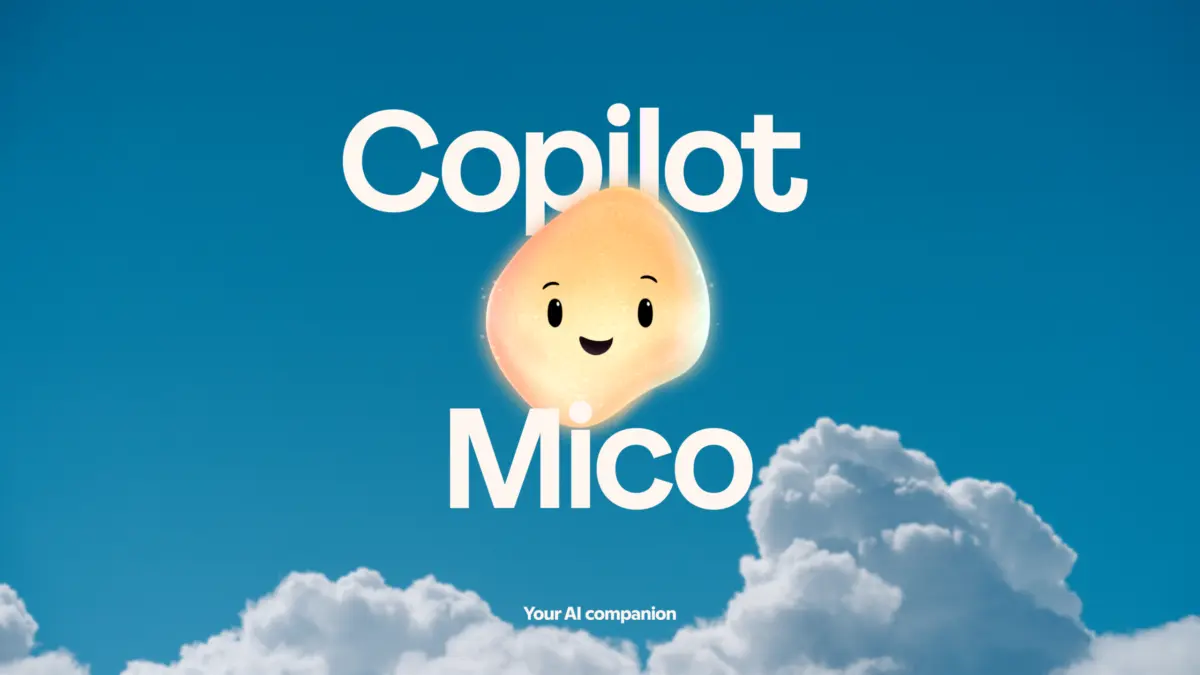
In a significant course correction first reported by GeekWire and confirmed through official support documentation, Microsoft has begun merging its consumer-facing Copilot applications with its enterprise-focused Microsoft 365 Copilot platform. This unification is accompanied by a sweeping purge of underperforming, experimental, and consumer-centric features. By August 18, 2026, Microsoft will officially deprecate features such as Copilot Group Chats, AI-generated podcasts, the Copilot Labs experimental playground, and its consumer-tier Deep Research tool. Even Mico—the animated, floating-blob avatar designed as a spiritual successor to the infamous Clippy—is being retired.
This consolidation represents a mature admission of two fundamental realities in the current AI landscape. First, the boundary between personal productivity and professional workflow is highly fluid; users do not want to navigate separate, fragmented AI silos. Second, Microsoft’s initial scattershot product strategy proved too complex and confusing to mount a decisive threat to unified market leaders like OpenAI’s ChatGPT, Google’s Gemini, and Anthropic’s Claude. As the generative AI market shifts from novel experimentation to practical utility, Microsoft is streamlining its portfolio to build a singular, cohesive "super app."
Detailed Chronology: From Bing Chat to App Consolidation
To understand the necessity of Microsoft’s current consolidation strategy, one must trace the rapid, often chaotic evolution of the company’s AI product roadmap over the past three years.
[Early 2023] Bing Chat Launches (The OpenAI Partnership Era)
       │
[Late 2023] Rebranded to "Copilot" (Fragmented across Windows, Web, and Office)
       │
[Early 2024] Feature Proliferation (Copilot Pro, Copilot Labs, AI Podcasts, "Mico" Avatar)
       │
[Mid 2025] Internal Realignment (Jacob Andreou memo: Copilot must "earn the right to exist")
       │
[Current/2026] The Great Consolidation (Consumer & Business apps merge; legacy features purged)
1. The Dawn of the "Sydney" Era (Early 2023)
In early 2023, Microsoft blindsided the tech industry by integrating OpenAI’s GPT-4 architecture directly into its search engine, launching Bing Chat. The technology, initially codenamed "Sydney," generated massive engagement but also exposed the volatility of consumer-facing LLMs. Microsoft quickly realized that raw search integration was not enough to dethrone Google.
2. The Rebranding Blitz and Product Fragmentation (Late 2023)
By the end of 2023, Microsoft rebranded Bing Chat to "Copilot" and began embedding it across its entire ecosystem: Windows 11, Microsoft Edge, mobile apps, and the Microsoft 365 suite. However, this aggressive expansion led to severe product fragmentation. Users were confronted with multiple versions of Copilot: a free consumer tier, a $20-per-month "Copilot Pro" subscription, and a $30-per-user-per-month "Microsoft 365 Copilot" tier for enterprises. Each version operated with different user interfaces, underlying models, data privacy standards, and functional capabilities.
3. The Experimental Overload (2024–2025)
In an effort to appeal to everyday consumers, Microsoft’s consumer AI division—led by high-profile hires from Inflection AI—began introducing lifestyle and social features. The company launched "Copilot Labs" to test experimental tools, rolled out personalized AI-generated audio podcasts, introduced interactive Group Chats, and debuted "Mico," an animated, expressive AI mascot. Meanwhile, the enterprise division focused on heavy-duty data analysis, semantic indexing, and security compliance.
This dual-track development created a jarring user experience. Professionals using Microsoft 365 Copilot during the day found a completely different, almost cartoonish interface when using the consumer app at home. The administrative friction of switching between Microsoft Accounts (MSA) and corporate Entra ID credentials further alienated users.
4. The 2026 Retrenchment
Recognizing that this complexity was hindering adoption, Microsoft executives initiated a quiet restructuring. The company began aligning its development pipelines, culminating in the current announcement to merge the consumer and business codebases. This transition, scheduled for complete rollout by August 2026, will phase out consumer-centric novelties in favor of a unified, utility-driven interface.
The Feature Purge: What Is Being Retired and Why
The decision to merge the apps is not merely an architectural change; it is an aggressive pruning of features that failed to find market fit. The following key features are scheduled for retirement:
| Feature | Target Deprecation Date | Strategic Reason for Retirement | Replacement / Migration Path |
|---|---|---|---|
| Mico (Animated Mascot) | Immediate / Phased | Dismissed as a distracting gimmick; undermined professional utility. | Clean, minimalist, text-and-voice interface. |
| AI-Generated Podcasts | August 18, 2026 | High compute costs; low repeat engagement rates. | None. |
| Copilot Group Chats | August 18, 2026 | Failed to compete with native messaging apps (Teams, WhatsApp). | Traditional collaboration tools. |
| Copilot Labs | August 18, 2026 | Fragmented the user experience with unstable, half-baked tools. | Unified beta testing via Windows Insider. |
| Deep Research (Consumer) | August 18, 2026 | High operational costs; hard to monetize in the free tier. | "Researcher" (for paying Microsoft 365 subscribers). |
| Standalone App Files | Transistional | Consolidation of storage infrastructure. | Automatic migration to user OneDrive accounts. |
The Death of "Mico" and the "Clippy" Legacy
Microsoft has long struggled with the concept of the digital assistant mascot. The introduction of Mico—a morphing, floating blob that reacted dynamically to user queries—was an attempt to humanize AI. However, much like its 1990s predecessor Clippy, Mico was met with mixed reviews. In professional settings, an animated character can feel juvenile and distracting. By abandoning Mico, Microsoft is signaling a shift toward a clean, invisible, utility-first design philosophy.
The Failure of Social and Creative AI Gimmicks
Features like AI-generated podcasts and Group Chats were designed to make Copilot a social destination. However, market data indicates that consumers view generative AI primarily as a utility—a tool for drafting emails, summarizing long documents, coding, or conducting deep web research. Social AI interactions remain a niche market dominated by specialized platforms like Character.ai. By removing these features, Microsoft can reallocate expensive GPU compute resources toward high-value enterprise and productivity tasks.
Supporting Context & Metrics: The Industry-Wide "Great Unification"
Microsoft is not acting in a vacuum. The decision to simplify Copilot reflects a broader, industry-wide consolidation in the generative AI space. The initial "app store" model of AI—where companies launched dozens of specialized, single-purpose AI utilities—is rapidly collapsing into a "super app" model.
┌────────────────────────────────────────────────────────┐
│               THE AI UNIFICATION TREND                 │
├──────────────┬─────────────────────────────────────────┤
│ Company      │ Consolidation Action                    │
├──────────────┼─────────────────────────────────────────┤
│ Microsoft    │ Merges Consumer & Business Copilot apps │
├──────────────┼─────────────────────────────────────────┤
│ OpenAI       │ Integrates "Operator" agent into Chat   │
├──────────────┼─────────────────────────────────────────┤
│ Anthropic    │ Merges "Cowork" directly into Claude    │
├──────────────┼─────────────────────────────────────────┤
│ Google       │ Integrates Deep Research into Gemini    │
└──────────────┴─────────────────────────────────────────┘
Competitor Landscape
- OpenAI: Rather than launching a suite of separate applications for agentic workflows, OpenAI is integrating its highly anticipated agentic feature, Operator, directly into the core ChatGPT interface.
- Anthropic: The company recently consolidated its workspace collaboration tool, Cowork, directly into the main Claude chat interface, eliminating the need for users to bounce between different environments.
- Google: Google has steadily folded its advanced capabilities—such as Gemini Advanced, deep research, and multimodal web browsing—into a singular Gemini app, rather than maintaining them as disparate, experimental features.
The Economic Realities of Generative AI
Building and running large language models is incredibly expensive. Wall Street has grown increasingly skeptical of the massive capital expenditures (CapEx) tech giants are funneling into AI infrastructure, demanding clear paths to monetization.
Microsoft’s CapEx has surged to historic highs to support its Azure AI infrastructure. To justify these expenditures, Microsoft must drive high-margin, recurring revenue. The most reliable path to this revenue is through enterprise subscriptions (Microsoft 365 Copilot at $30 per user) rather than ad-supported or low-cost consumer services. Merging the apps allows Microsoft to streamline its development costs, running a single, highly optimized codebase that serves both audiences while reserving premium features (like Deep Research/Researcher) for paying subscribers.
Official Statements and Internal Pressures
The strategic shift was foreshadowed internally in mid-2025. According to an internal memo obtained by The Information, Jacob Andreou, Microsoft’s Executive Vice President overseeing the consumer Copilot product, issued a candid mandate to his team. Andreou wrote that the Copilot application needed to "earn the right to exist" in its customers’ daily lives.
Andreou’s memo made it clear that the company could no longer afford to support features that failed to drive daily active usage (DAU) or meaningful retention. The app had to transition from a novelty to an indispensable utility.
In public support documentation detailing the upcoming changes, Microsoft framed the consolidation as a user-centric optimization:
"We are constantly evaluating our feature set to ensure we are delivering the most cohesive, secure, and productive experience possible. By bringing the consumer and business capabilities of Copilot under a single, unified framework, we are simplifying the experience for our users, making it easier to transition between personal productivity and professional tasks while maintaining the rigorous security standards our customers expect."
Regarding the deprecation of specific consumer features, Microsoft’s support documentation added:
"As part of this transition, we are retiring several legacy and experimental features, including Copilot Group Chats, Copilot Labs, and AI podcasts, effective August 18, 2026. This allows us to focus our resources on core capabilities that deliver the highest value to our users."
Future Outlook: The Road to the AI "Super App"
As Microsoft marches toward its August 2026 deadline, the tech giant is positioning Copilot to become the ultimate "super app"—a unified interface that acts as an operating-system-level agent.
The Convergence of Personal and Professional Identity
The primary challenge of a unified Copilot app lies in identity management and data governance. Under the new model, the app must seamlessly toggle its behavior based on the user’s active credentials.
- When logged in with a personal Microsoft Account (MSA), Copilot will function as a helpful personal assistant, utilizing consumer web search and personal OneDrive storage, while operating under standard consumer privacy terms.
- When the user switches to their corporate Entra ID, the application must instantly activate enterprise-grade data protection (EDP). This ensures that corporate data is never ingested into public training sets and that all queries comply with strict corporate compliance policies.
The Agentic Era
By clearing away the clutter of podcasts, social chats, and animated mascots, Microsoft is freeing up development bandwidth to focus on the next frontier of generative AI: autonomous agents. The future of Copilot is not chat-based search, but action-based execution. Microsoft is heavily investing in agentic capabilities that can navigate complex corporate software, automate multi-step workflows, and execute tasks across Outlook, Teams, Excel, and third-party enterprise tools.
Conclusion
Microsoft’s decision to merge its Copilot applications and purge underperforming features represents a pivot from a defensive, hype-driven product strategy to an offensive, utility-driven one. By stripping away the gimmicks and focusing on a unified, powerful, and secure "super app," Microsoft is betting that the future of AI belongs to the platform that can seamlessly bridge the gap between a user’s personal life and their professional workflow. Whether this streamlined approach will allow Microsoft to definitively eclipse OpenAI and Google remains to be seen, but it undoubtedly marks the end of generative AI’s wild, experimental infancy.