Executive Overview
Snow-capped peaks, lush emerald meadows, heavy brass cowbells chiming in the distance, and rustic timber cabins: over the past few years, hiking scenery has held our digital feeds completely "in a chokehold." It often feels as though everyone in your social circle—including your best friend’s dog—has transformed overnight into a hardened, high-altitude mountaineer. Dressed head-to-toe in technical Gore-Tex apparel, this new wave of outdoor enthusiasts conquers dizzying elevations before pausing to sip regional sodas like Almdudler from the edge of precipitous cliffs.
Yet, this sudden mass migration from urban pavements to rugged switchbacks begs a critical question: When did everyone build up the calves for this, and—more importantly—why are we all suddenly so obsessed with the great outdoors?
This comprehensive report investigates the cultural, psychological, and physical drivers behind the contemporary hiking boom. Beyond examining the surging popularity of trail culture as a lifestyle movement, we explore how brands are capitalizing on this existential shift toward nature. Specifically, we analyze the intersection of outdoor athletics and personal empowerment through initiatives like the adidas TERREX “Design Your Life” Hiking Days—an immersive wilderness workshop held along Germany’s legendary Malerweg trail in the Elbe Sandstone Mountains.
As we dissect the intersection of mental health, consumer habits, and eco-tourism, one reality becomes clear: hiking is no longer merely a weekend hobby; it is a profound societal recalibration.
Detailed Chronology: The Evolution of the Modern Hiking Trend
To understand how weekend warriors became a defining demographic of the 2020s, we must trace the timeline of how outdoor recreation transitioned from a niche, equipment-heavy subculture into an accessible, highly curated lifestyle movement.
Phase 1: The Pandemic Catalyst (2020–2021)
When global lockdowns restricted indoor activities, urban populations faced an unprecedented deficit of open space. Parks, greenbelts, and regional nature reserves saw record-breaking visitor numbers. Deprived of gyms, offices, and social venues, individuals turned to local walking trails as the only socially distanced outlet for mental and physical preservation. The initial barrier to entry was low: all it required was a pair of sneakers and the willingness to step outside.
Phase 2: The Digital Ascent and Micro-Adventures (2022–2023)
As travel restrictions lifted, the desire for hyper-local exploration evolved into the concept of the "micro-adventure." People began seeking out regional escapes rather than distant international vacations. Platforms like Instagram and TikTok were flooded with aesthetic, high-saturation footage of misty forests, cascading waterfalls, and summit vistas. Hiking transformed from a utilitarian form of exercise into a premier form of digital self-expression. Wearing technical outerwear—even in non-alpine urban environments—became a dominant street-style trend (often referred to as "gorpcore").
Phase 3: The Holistic Integration (2024–Present)
Today, hiking is recognized as a holistic wellness practice rather than just a physical pursuit. The movement has expanded past simple recreation into a vehicle for mental clarity, community building, and personal transformation. Brands and outdoor organizations have seized this momentum, curating specialized experiences that merge athletic endurance with life coaching, mindfulness, and sustainability. The modern hiker is just as concerned with mental resilience and ecological mindfulness as they are with vertical mileage.
Supporting Context & Metrics: The Psychology and Mechanics of the Trail
The mass adoption of hiking is underpinned by a compelling combination of physical benefits, psychological restoration, and economic accessibility.
Why We Fall in Love with the Trail
There are countless reasons why people are falling head over heels for hiking. First and foremost, low-impact aerobic exercise in the fresh air delivers undeniable physiological advantages. Beyond functioning as a phenomenal glute and lower-body workout, hiking offers a built-in sense of adventure coupled with panoramic rewards. It reconnects us with the natural world, offering a much-needed reprieve from digital connectivity and screen fatigue.
Crucially, hiking remains one of the most egalitarian sports in existence. Aside from two reasonably sturdy, reliable legs, it requires virtually no initial financial investment. In its most basic form, hiking is entirely free.
Accessibility and the Rise of Micro-Adventures
Another distinct advantage of the sport is its extreme versatility. Whether you are a total novice or a hardened professional outfitted with gear that rivals an archaeological excavation, anyone can participate.
Furthermore, you do not need to wake up like Heidi to the chime of cowbells in an idyllic alpine setting every morning. Through spontaneous micro-adventures and short weekend getaways, individuals can experience the restorative power of nature even on a tight schedule. Along the way, hikers organically discover hidden corners of their local landscapes in a sustainable, low-impact manner.
These picturesque local geographies—characterized by mystical rock formations, idyllic waterfalls, fairytale forests, and sweeping views over enchanted valleys—served as the primary muse for the great painters of the German Romantic movement centuries ago. Today, they offer modern society the exact same therapeutic escape.
The Mental and Social Dimensions
Because shared joy is double joy, a hiking trip achieves its ultimate peak when undertaken with friends or a romantic partner. The depth of conversation achieved while walking side-by-side on a quiet trail is remarkably difficult to replicate in standard social settings.
Then, there is the undeniable mental health benefit. Hiking strips away the distractions of modern life. Without weight benches, gym mirrors, or complex fitness equipment to hide behind, we are left to contend purely with ourselves. We feel the raw strength in our legs, the uneven grade of the trail beneath our soles, and the burning sensation in our lungs as the air thins at higher elevations. Our bodies perform immense feats of endurance to propel us higher and higher.
At the summit, a unique psychological reward awaits. Breathless and smiling broadly, we unpack our seating mats for a well-deserved trailside lunch (Vesper) or capture the panoramic view with our smartphones. In that moment, we feel a deep, abiding sense of pride—both physical and personal.
Official Statements: Merging Athletics and Self-Discovery
Forward-thinking outdoor brands have recognized that modern hiking is as much an internal journey as an external one. Chief among these is adidas TERREX, which has consistently championed the philosophy that outdoor endurance fosters profound mental resilience.
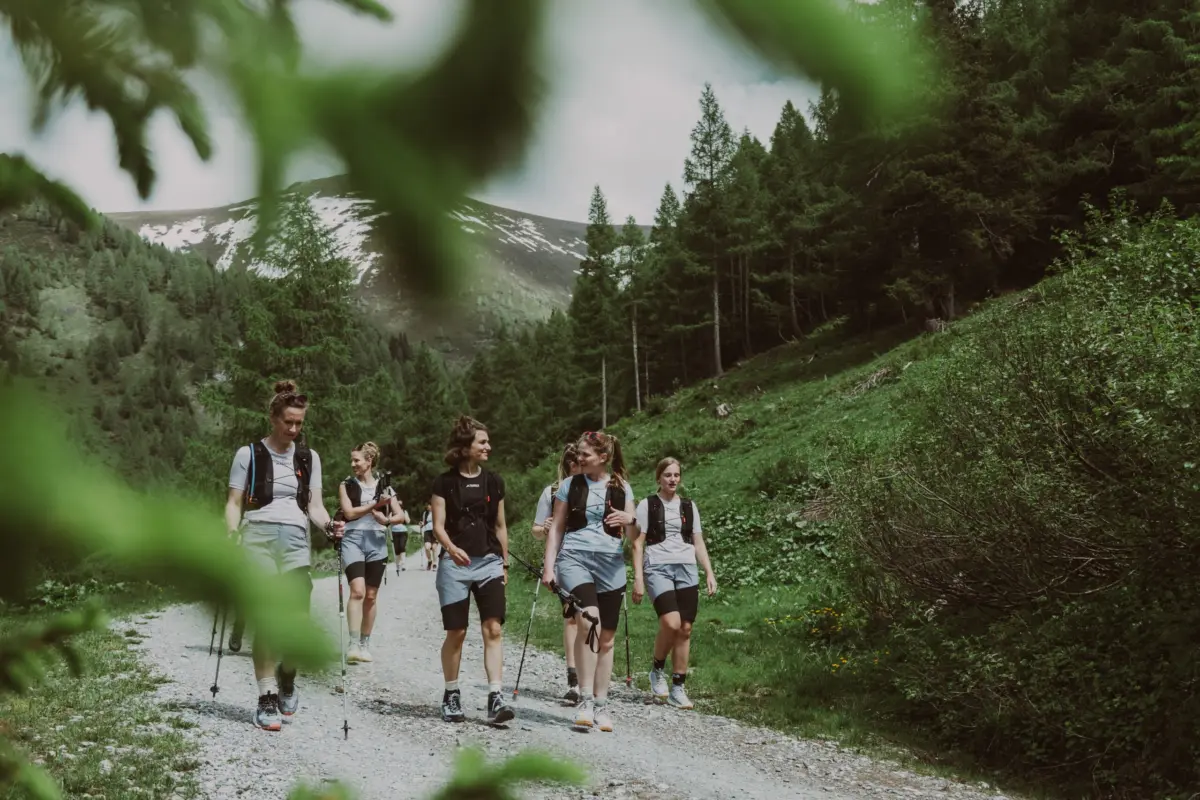
To support outdoor enthusiasts looking to transcend their perceived limits, adidas TERREX developed immersive initiatives designed to merge athletic challenges with personal mentorship. A prime example of this philosophy in action is the “Design Your Life” Hiking Days—an exclusive wilderness and coaching workshop hosted along one of Germany’s premier trails, the Malerweg in the Elbe Sandstone Mountains.
The "Design Your Life" Experience
The initiative was created for women seeking to connect with like-minded individuals while exploring breathtaking natural landscapes. More than just a physical trek, the program tackles fundamental life questions: How do we make better decisions? How do we foster personal growth? How can we actively design our future rather than simply letting it happen?
Participants selected for the immersive weekend receive a comprehensive, all-expenses-paid package covering:
- Three nights of double-room accommodation at the historic Berghotel Bastei in the Elbe Sandstone Mountains.
- Full culinary provisions (with tailored vegan and vegetarian options).
- Professional workshop facilitation and life coaching.
- Expert local mountain and trail leadership.
- Professional event photography to document the journey.
- A comprehensive adidas TERREX outdoor gear package valued at approximately €1,000.
The program targets resilient, open-minded women who meet specific physical and mental criteria: individuals possessing trail triteness (Trittsicherheit), the cardiovascular endurance to manage daily hikes of 500 to 600 vertical meters over six to seven hours, and an enthusiastic appetite for personal growth and community building.
Future Outlook: What the Hiking Boom Means for Society
As we look toward the future of outdoor recreation, the cultural momentum behind hiking shows no signs of slowing down. The trend represents a permanent shift in how urban populations value leisure, wellness, and environmental stewardship.
1. The Demystification of Adventure
The traditional gatekeeping of extreme sports is dissolving. As programs like the adidas TERREX workshops demonstrate, high-end outdoor pursuits are increasingly focused on inclusivity, education, and emotional intelligence rather than purely competitive machismo. By lowering the psychological barriers to entry, the outdoor industry is fostering a more diverse community of adventurers.
2. Mindful Tourism and Sustainability
With local micro-adventures replacing carbon-heavy long-haul travel for many weekend getaways, regional tourism is experiencing a renaissance. Hikers are learning to appreciate the ecological fragility of their home regions. This physical proximity to nature naturally breeds a stronger commitment to environmental conservation and sustainable travel practices.
3. Translating Trail Resilience to Daily Life
Ultimately, the most enduring legacy of the modern hiking movement is psychological. When we push ourselves up a steep mountain switchback, we confront discomfort, fatigue, and self-doubt. We learn how to pace ourselves, when to take a rest, and how to keep moving forward one step at a time.
These micro-decisions on the trail mirror the challenges we face in our professional and personal lives. By conquering physical elevations, we internalize a powerful mental framework: with the right preparation, the right community, and a willingness to endure the climb, any summit is attainable.