

Executive Overview
Snow-capped peaks, lush green meadows, cattle adorned with resonant brass bells, and rustic wooden alpine huts: over the past year, hiking aesthetics have held our digital feeds firmly in a chokehold. It often feels as though overnight, everyone—along with your best friend’s dog—transformed into professional alpinists scaling vertical rock faces, decked out in high-tech Gore-Tex, and sipping regional sodas at dizzying altitudes. But behind the photogenic content and the curated social media presence lies a profound cultural shift.
Why has hiking, once perceived as a niche hobby for seasoned outdoor enthusiasts or a Sunday-stroll fallback for retirees, suddenly become the ultimate status symbol of wellness, self-discovery, and modern leisure?
This comprehensive report explores the multifaceted rise of the contemporary hiking phenomenon. We examine the psychological and physical drivers behind our collective urge to escape the urban grind, the democratization of outdoor sports through micro-adventures, and how forward-thinking brands—such as adidas TERREX with their immersive "Design Your Life" initiative—are leveraging this momentum to forge deep, experiential connections with modern consumers. Far more than a passing digital trend, hiking has established itself as a blueprint for holistic well-being, personal resilience, and intentional living.
Detailed Chronology: From Pandemic Respite to Digital Dominance
To understand how hiking captured the cultural zeitgeist, we must trace its trajectory over recent years. The modern outdoor boom did not happen overnight; it is the culmination of shifting lifestyle priorities accelerated by global disruptions.
Phase 1: The Lockdown Catalyst (2020–2021)
During the height of global lockdowns and travel restrictions, traditional leisure avenues—gyms, international travel, entertainment venues—were abruptly closed off. Nature remained one of the few accessible outlets. Urban dwellers and suburbanites alike flooded local parks, greenbelts, and regional hiking trails. What began as a desperate measure to escape cabin fever quickly unlocked a dormant appreciation for the outdoors. People realized that profound physical and mental relief was accessible just a short drive or train ride away from their front doors.
Phase 2: The Social Media Metamorphosis (2022–2023)
As restrictions lifted, the habits formed during confinement evolved. Hiking shed its purely utilitarian or rustic image and was successfully rebranded by content creators, outdoor brands, and lifestyle influencers. The trail became a runway. Technical apparel merged with streetwear aesthetics, turning functional gear like trail runners, fleece pullovers, and windbreakers into everyday staples (a trend often categorized as "gorpcore"). High-altitude selfies, panoramic Reels of misty valleys, and aesthetic picnic spreads on summit ledges flooded Instagram and TikTok feeds, making the mountain summit the ultimate backdrop for personal branding.
Phase 3: The Experiential & Transformational Era (2024 and Beyond)
Today, hiking has transcended aesthetic appreciation to become an intentional vehicle for personal growth and mental health. Consumers are no longer content with merely looking at pictures of mountains; they want to experience the visceral reality of physical exertion, unadorned by digital noise. Brands have taken note, pivoting away from traditional billboard advertising toward immersive, community-driven experiences that merge outdoor sports with personal development, coaching, and female empowerment.
Supporting Context & Metrics: The Anatomy of a Movement
What drives millions of people to trade comfort for steep inclines, heavy breathing, and sore leg muscles? The appeal of hiking is rooted in a unique combination of physiological benefits, economic accessibility, and psychological liberation.
1. The Low Barrier to Entry
Unlike sports requiring expensive club memberships, specialized court rentals, or complex gear investments, hiking remains remarkably democratic. At its core, it requires little more than two functional legs and a sense of curiosity. For the vast majority of trails, access is free. Whether you are a broke student taking a weekend train to the nearest national park or a seasoned enthusiast with archaeological-grade navigation equipment, the trail welcomes everyone equally.
2. The Rise of the Micro-Adventure
Not everyone has the luxury of waking up like Heidi to panoramic alpine vistas and cowbells every morning. Recognizing this, modern explorers have mastered the art of the "micro-adventure." Spontaneous day trips, weekend getaways, and brief excursions into local nature reserves allow individuals to reap the mental and physical rewards of wilderness immersion without uprooting their lives. This localized exploration also champions sustainable tourism, encouraging people to uncover the hidden gems of their home countries rather than boarding carbon-heavy flights for every break.
3. A Glorious Glute and Cardio Workout
From a physiological standpoint, hiking is an unrivaled full-body workout. It provides a phenomenal cardiovascular challenge while doubling as a rigorous lower-body conditioning session, targeting glutes, quadriceps, hamstrings, and calves. Unlike sterile gym environments where fitness is tracked on digital displays behind heavy dumbbells, hiking connects physical exertion directly to the environment. You feel the strength in your legs, the steepness of the terrain beneath your soles, and the burning sensation in your lungs as the air thins. Your body performs extraordinary feats of endurance to propel you higher.
4. The Mental Health Sanctuary & Digital Detox
Perhaps the most compelling driver of the hiking boom is its mental health dividend. In an era dominated by relentless digital connectivity, screen fatigue, and information overload, the trail serves as an offline sanctuary.
Psychologically, hiking strips away distractions. Without the buffer of gym equipment or social facades, hikers are forced to confront their inner monologues. The rhythmic motion of walking, combined with awe-inspiring natural scenery—mystical rock formations, cascading waterfalls, fairy-tale forests, and endless valley views that once inspired the great painters of German Romanticism—induces a state of mindfulness.
When you reach the summit, panting and grinning broadly as you unpack your packed lunch on a foam sitting pad, a profound sense of accomplishment washes over you. You are proud of your physical and personal achievement. The trail teaches invaluable mental frameworks: how to push past fatigue, how to rest when out of breath, how to appreciate beauty in real-time, and how to trust oneself step by step. These are cognitive patterns that transfer directly into everyday life, career challenges, and personal relationships.
Official Industry Initiatives: Case Study – adidas TERREX & "Design Your Life"
Recognizing the deep psychological and physical intersections between outdoor sports and personal empowerment, leading athletic brands are redefining how they engage with their consumer base. A prime example is the strategic initiative launched by adidas TERREX.
Understanding that outdoor exploration is as much an internal journey as an external one, adidas TERREX developed immersive experiential formats tailored to modern outdoor enthusiasts. A flagship execution of this philosophy was the “adidas TERREX Design Your Life” Hiking Days, held in the breathtaking Elbe Sandstone Mountains (Elbsandsteingebirge) along Germany’s iconic Malerweg (Painter’s Way).
Bridging Coaching and Alpinism
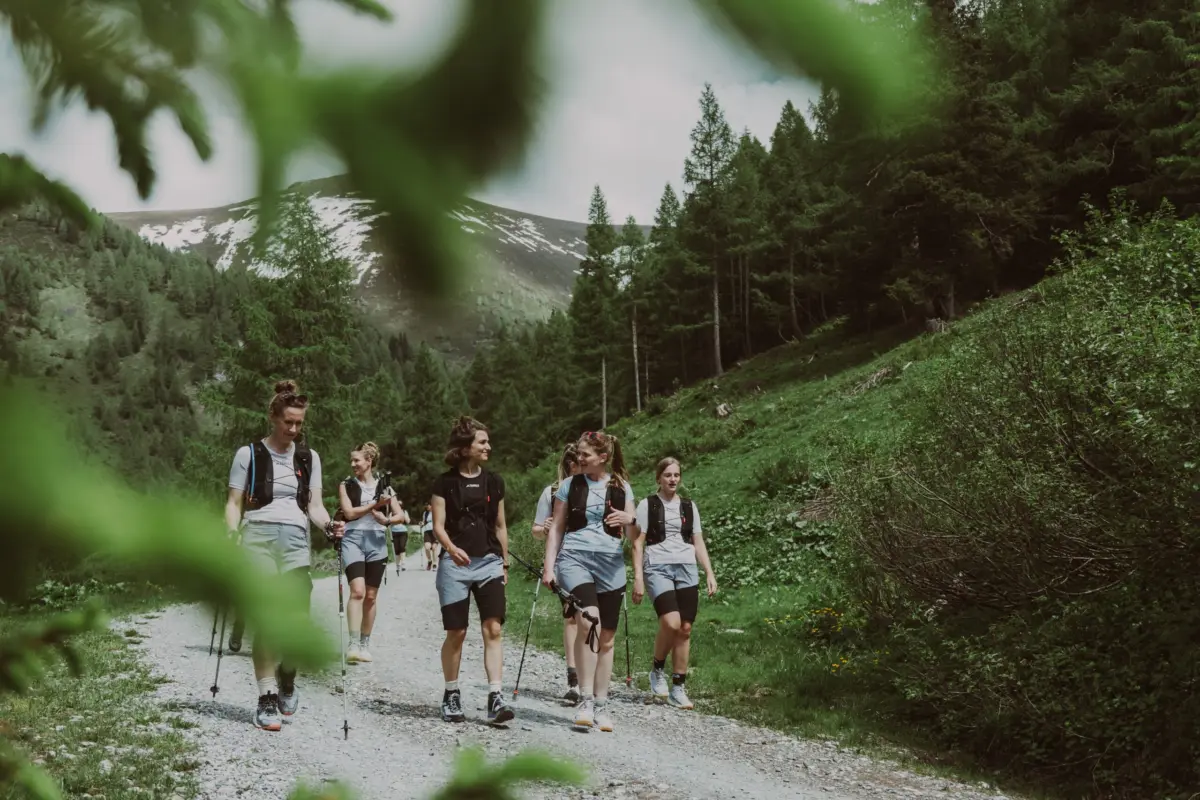
Designed as an exclusive, transformative weekend retreat for women, the event seamlessly married high-performance athletic hiking with professional life coaching. The core mission: to bring together a community of like-minded women in a stunning natural setting to explore what it means to make bold decisions, foster personal growth, and actively shape their futures.
The initiative addressed key demographic and psychological desires within the modern female outdoor community:
- Connection & Community: Fostering spaces where outdoor sportswomen can bond, share experiences, and build lasting support networks.
- Self-Discovery: Helping curious, motivated women unlock untapped potential through guided workshops led by professional coaches and certified mountain guides.
- Holistic Support: Providing fully funded, high-end experiences—including three nights of accommodation at the historic Berghotel Bastei, gourmet plant-forward catering, professional photography to capture the memories, and comprehensive gear allotments (including top-tier apparel and footwear packages valued at approximately €1,000 per participant).
By curating events that require genuine physical grit—such as navigating 500 to 600 vertical meters of elevation gain across 6- to 7-hour daily hikes—while offering deep emotional and strategic life workshops, brands like adidas TERREX are moving beyond traditional product marketing. They are selling transformation, empowerment, and belonging.
Future Outlook: Where is the Hiking Trend Heading?
As we look toward the future of outdoor recreation, several key trajectories are shaping the landscape:
1. The Intersection of Wellness and Adventure
The boundary between wellness retreats and outdoor adventure is dissolving. Consumers no longer view vacations as mere relaxation; they seek purposeful travel that fosters mental clarity, physical vitality, and personal reinvention. Hiking will increasingly be integrated into holistic health paradigms, prescribed not just as physical exercise, but as active meditation and stress mitigation therapy.
2. Inclusivity and Representation
The historical stereotype of the rugged, solitary male mountaineer is officially obsolete. The future of the trail is diverse, inclusive, and increasingly female-led. Initiatives that prioritize women, BIPOC communities, and beginners are dismantling traditional gatekeeping in outdoor sports, ensuring that the mental and physical benefits of nature are accessible to all demographics.
3. Sustainable Stewardship
With increased trail traffic comes the critical responsibility of environmental preservation. As micro-adventures and domestic tourism remain popular, outdoor brands, local governments, and hiking communities must prioritize sustainable stewardship. Educating the new generation of hikers on Leave No Trace principles, trail maintenance, and ecological respect will be paramount to protecting the very landscapes that captured our feeds in the first place.
Conclusion
The hiking phenomenon is far more than a fleeting aesthetic or a social media fad. It is a collective return to our roots—a physical manifestation of our deep-seated desire to disconnect from the digital matrix, reconnect with our bodies, and rediscover the profound mental clarity found at the top of a mountain. Whether through a grueling multi-hour alpine ascent or a spontaneous afternoon micro-adventure, the trail offers a timeless reminder: step by step, we have the power to navigate any incline life puts in our path.




