Executive Overview
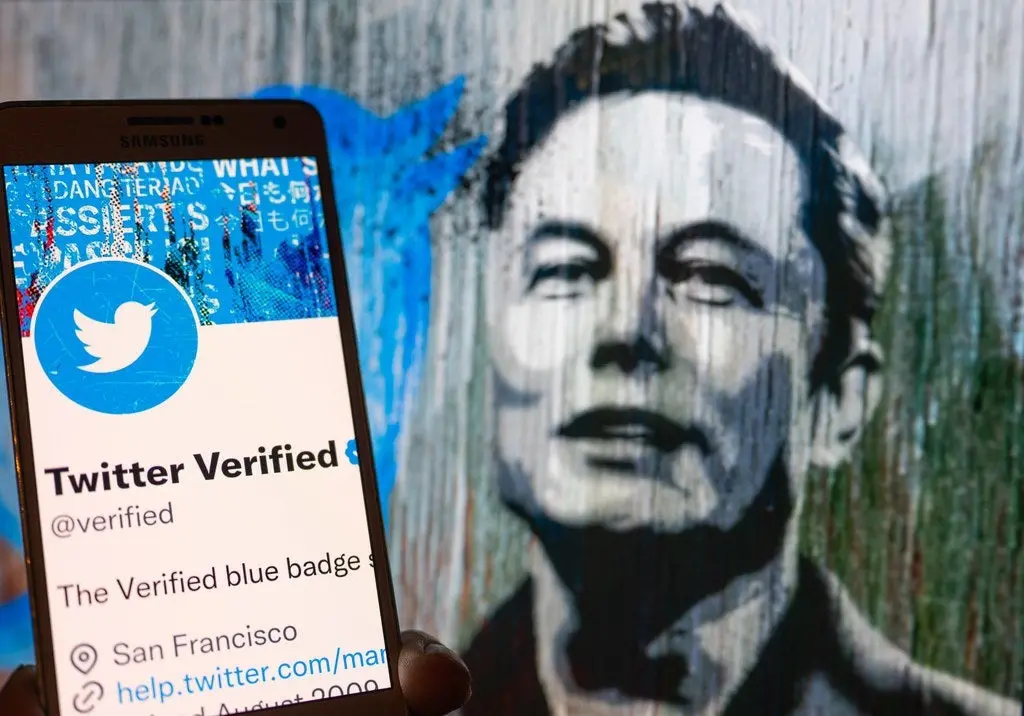
The social media landscape is undergoing a seismic, irreversible shift. In a move that has sent shockwaves through digital media, public relations, and online communities alike, Twitter—under the leadership and vision of owner Elon Musk—is dismantling its decades-old verification system. The company announced that legacy verified accounts—those iconic blue checkmarks once bestowed upon journalists, politicians, public figures, and institutions based on authenticity and notable public interest—will be systematically stripped of their status. The deadline: April 1. Unless these legacy users subscribe to the newly revamped, fee-based Twitter Blue service, their symbols of digital legitimacy will vanish.
Simultaneously, the platform is rolling out a paradoxical feature that allows these very same paid subscribers to hide their blue checkmarks. This pivot underscores a growing irony: the badge that once signified prestige and elite status has arguably devolved into a potential badge of embarrassment. For many, paying $8 to $11 a month for a digital symbol now signals merely that a user has opened their wallet, rather than achieved public distinction.
Beyond the psychological and branding implications for individual users, these structural changes herald a fundamental overhaul of how content is distributed, discovered, and monetized on the platform. By restricting algorithmic amplification—specifically via the critical "For You" algorithmic feed—largely to paid accounts, Twitter is constructing a pay-to-play ecosystem. Unpaid, regular users face the prospect of relegation, potentially limited to the chronological "Following" feed. For brands, marketers, and independent creators, this represents a disruptive new paradigm: organic reach is no longer earned through engagement alone, but effectively filtered through a subscription gate.
This comprehensive report examines the chronology of Twitter’s verification overhaul, the mechanics of the emerging two-tier digital ecosystem, the financial and strategic motivations behind the decisions, and the long-term outlook for the platform and its millions of users.
Detailed Chronology: From Status Symbol to Subscription Product
To understand the weight of the current transition, it is necessary to retrace the timeline of how Twitter’s verification system evolved from a security measure into the ideological battleground it is today.
The Origins of the Blue Checkmark
Introduced in 2009, the blue verification checkmark was never intended to be a badge of honor or an endorsement. It was born out of necessity. Following a high-profile lawsuit filed by baseball legend Tony La Russa against Twitter over a fake account impersonating him, the platform instituted a verification program. Its sole purpose was straightforward: to confirm that the person or entity behind an account was genuinely who they claimed to be. Celebrities, politicians, athletes, and major journalists were vetted through private channels and granted the check to protect the public from misinformation and impersonation.
Over time, however, the cultural perception of the checkmark shifted. It became a status symbol—a digital equivalent of a red velvet rope. Users coveted it, and non-verified users often felt marginalized. Twitter struggled for years with a backlog of verification requests and faced persistent criticism regarding a perceived lack of transparency in how checkmarks were distributed.
The Musk Takeover and the Birth of Twitter Blue
When Elon Musk acquired Twitter in late 2022, he targeted the legacy verification system almost immediately, criticizing it as an unfair "lords and peasants" system. His solution was to democratize—and monetize—the feature.
In November 2022, Twitter launched the initial, chaotic iteration of Twitter Blue, which allowed anyone to purchase a blue checkmark. This rollout was swiftly met with a wave of impersonation accounts mimicking corporations, politicians, and celebrities, forcing Twitter to temporarily pause the program.
Despite the early turbulence, leadership pressed forward. Throughout early 2023, infrastructure was quietly built to sunset the old system. The announcement that legacy verified accounts would lose their badges starting April 1 marked the definitive end of an era. Free, merit-based verification was officially dead, replaced by a commercial subscription model.
The Paradox of Hiding the Checkmark
As the April 1 deadline approached, developers discovered code within Twitter indicating a new feature: the ability for paid subscribers to hide their blue checkmarks. Industry analysts and observers immediately noted the irony. If paying for Twitter Blue was meant to be a proud display of platform support, why would users want to conceal it?
The rationale appears to be rooted in reputational management. Following months of online discourse where the blue checkmark became a target of ridicule—often associated with internet trolls, aggressive self-promoters, and accounts amplifying divisive content—many high-profile individuals and brands expressed reluctance to display the badge. By offering the option to pay for the algorithmic benefits of Twitter Blue while retaining the aesthetic anonymity of an unverified account, Twitter attempted to solve a self-inflicted public relations dilemma.
Supporting Context & Metrics: The Pay-to-Play Economy
The restructuring of Twitter’s verification model is not merely a cosmetic update; it is an aggressive engineering of the platform’s underlying economics and distribution algorithms.
Algorithmic Amplification and the "For You" Feed
The core utility of modern social media platforms lies in discovery. On Twitter, discovery is largely driven by the "For You" page—an algorithmic feed designed to serve users content from accounts they do not necessarily follow, based on interests, engagement patterns, and platform trends.
Under the new operational framework, algorithmic amplification is increasingly gated. Tweets from unpaid, regular accounts risk being buried, marginalized, or completely excluded from the "For You" feed. Conversely, paid Twitter Blue subscribers receive priority placement and boosted visibility.
This creates a starkly stratified user experience:
- The "For You" Feed: Transformed into an expansive, highly commercialized arena dominated by paid subscribers, self-promoters, brands, and aggressive marketers willing to pay the subscription fee.
- The "Following" Feed: Preserved as a chronological feed consisting exclusively of accounts a user explicitly chooses to follow. This space functions much like Twitter did in its earliest days—unfiltered by algorithmic curation, but severely limited in terms of organic reach and viral discovery for creators.
Implications for Brands and Marketers
For corporate entities and digital marketing agencies, the calculus of social media strategy is undergoing a rapid rewrite. Historically, brands invested heavily in organic content creation—building witty copy, engaging directly with consumers, and leveraging cultural moments to secure viral reach for free. Simultaneously, they allocated separate budgets for paid advertising campaigns (Promoted Tweets).
The new Twitter ecosystem blurs these traditional lines. By capping significant organic amplification primarily to paid users, Twitter has effectively transformed Twitter Blue into a low-cost alternative to traditional advertising. For a nominal monthly fee, brands can secure the algorithmic visibility that previously required substantial ad spend or massive, highly engaged organic followings. While this may initially attract corporate budgets, it simultaneously risks turning the primary discovery feeds into a relentless stream of corporate advertising and promotional noise.
Official Statements and Industry Reaction
The transition has elicited intense reactions from across the digital media ecosystem, drawing commentary from public figures, digital rights advocates, and the platform’s remaining corporate communications representatives.
The Corporate Stance
Twitter’s official communications, historically sparse under Musk’s leadership, have framed the changes as a necessary step toward financial sustainability and the elimination of bot-driven manipulation. The company maintains that transitioning to a subscription-based verification model democratizes the platform, allowing anyone to access tools previously reserved for an elite few, while simultaneously generating recurring revenue to support platform development.
Regarding the decision to allow users to hide their verification status, platform engineers and representatives have emphasized user choice, suggesting that digital expression should be flexible and tailored to individual privacy and branding preferences.
Public and Institutional Backlash
Conversely, the reaction from journalists, academic institutions, emergency services, and legacy verified users has been largely critical. Major news organizations have publicly stated they will not pay for employee verification, arguing that doing so sets a dangerous precedent for institutional credibility and undermines the public service mission of journalism.
Furthermore, public safety agencies—such as weather services, police departments, and transit authorities—have raised serious concerns. In emergency situations, the blue checkmark previously served as an infallible beacon of authenticity, assuring the public that severe weather alerts or crisis updates originated from verified, official sources. Stripping these accounts of their badges unless they pay introduces friction and potential confusion during critical moments when clarity is a matter of public safety.
Future Outlook: Where is Twitter Headed?
As the dust settles on the verification purge, the long-term trajectory of the platform remains a subject of intense debate among tech analysts, economists, and digital sociologists.
The Viability of the Subscription Model
The ultimate success or failure of Twitter’s strategy hinges on conversion rates. Can Twitter convince enough casual users, creators, and brands to pay for a service that was once free? Early data suggests that adoption rates among legacy verified users have been low, with many prominent figures openly refusing to subscribe. However, the platform is banking on a new class of ambitious creators, entrepreneurs, and businesses who view the subscription fee as a mandatory cost of doing business in the digital attention economy.
The Quality of Discourse on the "For You" Page
Another critical question is how platform health and user retention will be affected. If the "For You" page becomes saturated with commercial hucksters, clickbait, and paid trolls—as critics predict—user fatigue could set in. A degraded algorithmic experience might drive users away from the discovery feed entirely, confining them to the safer, quieter confines of the chronological "Following" feed or pushing them toward emerging competitor platforms.
Conclusion
Twitter’s pivot away from legacy verification toward a paid, subscription-driven model marks the end of an era for internet governance and digital identity. By tying visibility and authenticity to a monthly fee, the platform has fundamentally altered the social contract between itself and its users. Whether this bold economic experiment revitalizes the platform’s financial future or accelerates its cultural fragmentation is a question that will be answered in the critical months ahead.