formed the French Protests
Executive Overview
In the spring of 2023, the streets of France transformed into a theater of profound civil unrest. Millions marched, chanted, and clashed with law enforcement to protest controversial pension reforms spearheaded by President Emmanuel Macron. At the epicenter of this modern revolution stood neither a traditional broadcast anchor nor a veteran political correspondent, but a 32-year-old video journalist named Rémy Buisine. Operating primarily through smartphone-based livestreams on platforms like TikTok, Facebook, and the Brut digital media app, Buisine emerged as an unprecedented window into the turbulence for millions of global viewers.
His work transcends traditional reporting. By offering uninterrupted, hours-long broadcasts from the teargassed frontlines, Buisine redefined how civil unrest is consumed, democratizing the journalistic craft and capturing the visceral heartbeat of a nation in revolt. This report examines Buisine’s pivotal role in the French protests, the operational realities of frontline social media journalism, the cultural shift in how younger generations consume news, and the long-term implications of real-time, unedited digital broadcasting on modern democracy.
Detailed Chronology: Anatomy of a Protest Day
To understand Buisine’s impact, one must witness the rhythm of a day on the ground. On April 6, 2023, a massive national mobilization brought anywhere from 57,000 to 400,000 protesters—depending on whether you consult police or union estimates—to the boulevards of Paris.
The Gathering Storm
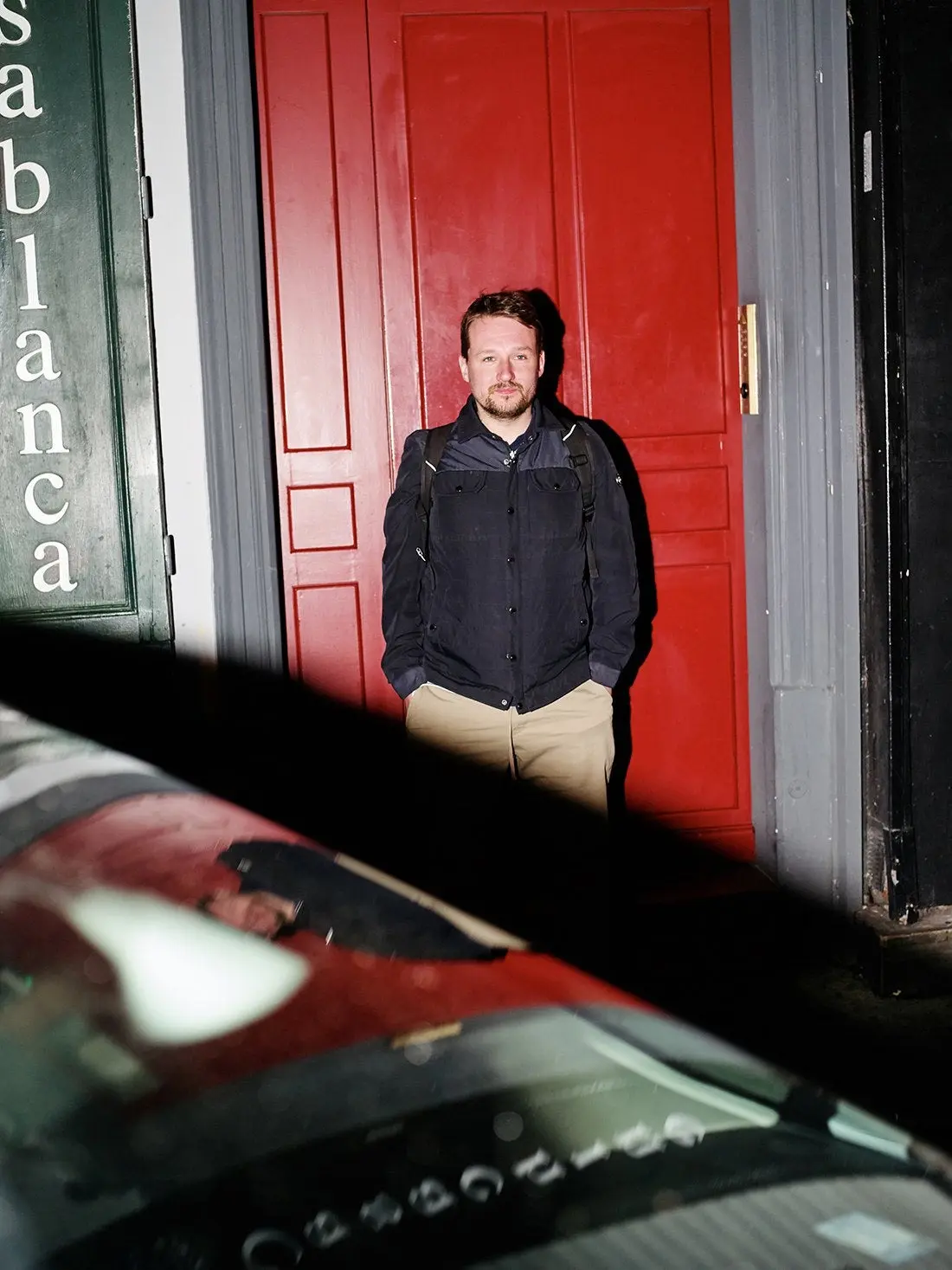
The protest had been moving for half an hour before Buisine and this reporter connected. Blending seamlessly into the civilian throng in a navy puffer jacket and blue jeans, devoid of his neon-yellow press armband at first glance, Buisine cut a deceptively casual figure. Yet, he was already managing multiple tracks of work: directing a colleague to film the rear of the march, coordinating posts for Instagram, and answering a ceaseless stream of greetings from fans, peers, and volunteer street medics.
Moving steadily toward the vanguard near Montparnasse station, Buisine’s gear transformation signaled the shift from peaceful march to volatile confrontation. He pulled hermetically sealed goggles and a gas mask from his backpack, looping the mask over his neck and stashing tear gas decontaminant spray within easy reach.
The Frontlines at Vavin
At 3:29 p.m., a loud, anonymous explosion echoed down the boulevard, drawing jeers and chanted profanities from the youthful crowd. Buisine and his entourage approached the Vavin metro station exit, where groups of individuals dressed entirely in black—colloquially known as blocs noirs—loitered with masked faces. Just feet away, a wall of gendarmerie forces lined the width of the boulevard with riot shields raised.
At 3:37 p.m., the gendarmerie fired warning shots. The atmosphere instantly pressurized. While cautious protesters retreated, Buisine pushed forward, phone raised to capture the unfolding dynamics. As black-clad youths advanced, banging metal barricades against the asphalt, it was time for this reporter—lacking protective gear or press credentials—to pull back. Buisine, however, immediately dropped his bag, strapped on his helmet, and went live.
Escalation and Kettling
Within a minute, the first tear gas canister tore through the air. Over the next several hours, Buisine’s camera captured escalating chaos: protesters breaking into a building after a resident threw objects from a window, the awning of the historic Café de la Rotonde catching fire, and a prolonged standoff at the Place d’Italie.
Trapped alongside defiant protesters kettled by police at a metro entrance, Buisine documented the raw resilience of the demonstrators. At one point, the cornered crowd chanted in unison: "Ah Rémy, allez, allez, allez!"
After police eventually dispersed the crowd, Buisine tracked the splintered groups down Avenue d’Italie, where makeshift barricades of burning wood and garbage bins were erected. Even as deputies arrived for impromptu street-corner interviews, Buisine seamlessly juggled his reportage with thanking new digital followers by name.
The Midnight Toll
At 10:54 p.m., after logging seven and a half hours on air and recording over 28,000 steps, Buisine finally ended his TikTok livestream. On that platform alone, 1.8 million viewers had tuned in.
Yet, the workday was far from over. While trying to unwind at a nearby kebab restaurant—though struggling to eat due to lingering tear gas inhalation—he continued uploading clips to Instagram and TikTok. He did not return to his apartment until 3:00 a.m., his body surging with a relentless cocktail of adrenaline and exhaustion. By 9:30 a.m. the following morning, he was back online, leading an editorial meeting as Brut’s head of short-form content.
Supporting Context & Metrics: The Rise of Brut and Social Journalism
From Horticultural School to Global Reach
Buisine’s journey to the journalistic vanguard was entirely unconventional. Growing up in a working-class village in northeastern France, he struggled academically and was steered away from elite universities. After graduating from a horticultural technical high school, he managed social media profiles for soccer players before moving to Paris in 2013 to handle community management for local radio stations.
In 2015, capitalizing on the nascent livestreaming app Periscope, Buisine began broadcasting the El Khomri labor law protests in his spare time. He learned the trade organically: observing what audiences engaged with through real-time comment sections and soliciting advice from veteran journalists on the ground.
Recognizing the potency of this direct-to-consumer medium, Brut hired Buisine as a founding member in 2016. Initially met with skepticism by the French political establishment—many politicians feared direct social media engagement—Brut’s digital-first footprint rapidly expanded. By 2020, Buisine’s influence was cemented when he conducted a historic two-and-a-half-hour livestreamed interview with President Emmanuel Macron.
The Metrics of Engagement
Buisine’s coverage of the 2023 pension reform protests catalyzed unprecedented growth for Brut. During the height of the demonstrations, his livestreams—stretching up to eight hours across teargas-choked frontlines—attracted concurrent peaks of 70,000 viewers on TikTok alone. Over a single month, Brut’s TikTok account swelled by one million followers, stabilizing at 4.2 million.
| Metric | Data Point / Description |
|---|---|
| Duration of Peak Livestream | Up to 8 continuous hours on the frontline |
| Peak Concurrent Viewership | ~70,000 viewers (TikTok) |
| Total Stream Reach (Single Day) | 1.8 million views (TikTok alone) |
| Audience Growth | +1,000,000 TikTok followers in one month |
| Physical Toll | 28,000+ steps per protest shift; severe fatigue and adrenaline spikes |
The Secret to His Appeal: Radical Listening
What sets Buisine apart in an era of polarized media is his commitment to prolonged, uninterrupted dialogue. As 18-year-old prominent protester Ritchy Thibault noted, Buisine does not merely capture soundbites; he routinely spends 10 to 20 minutes interviewing ordinary citizens on the street, allowing them to articulate the nuanced socioeconomic grievances driving them to action.
For Buisine, this empathy stems from his working-class roots. He recognizes in the protesters’ cries against governmental disregard the same anxieties faced by the communities of his youth. This personal investment explains why he puts his physical safety on the line nightly, enduring baton strikes and tear gas despite press protection laws. Ironically, attacks against Buisine often serve as tragic catalysts for viewership spikes, thrusting the risks of modern frontline journalism into stark relief.
Official Statements and Institutional Impact
The friction between traditional governance and digital-native journalism has been a defining feature of the Macron administration’s recent legislative battles.
When the French government invoked Article 49.3 of the Constitution on March 16, 2023, forcing the pension reform bill through the National Assembly without a parliamentary vote, it crossed a psychological Rubicon for the French public. The move galvanized over 6,000 citizens—predominantly under the age of 30—to spontaneously occupy the Place de la Concorde.
Government officials and law enforcement agencies have frequently criticized the chaotic nature of the "wild" protests, pointing to property damage, arson, and assaults on public infrastructure as justifications for heavy-handed crowd-control measures, including the deployment of paramilitary gendarmerie units and tear gas.
Conversely, press freedom advocates and media watchdogs have raised alarms regarding the systemic targeting of journalists during these demonstrations. Despite legal protections for accredited press, reporters covering the frontlines have routinely faced hostility from security forces. Buisine’s livestreams have served as an invaluable, unedited public archive, often contradicting official police narratives regarding the escalation of street violence and providing verifiable documentation of police overreach.
Future Outlook: The Evolution of News in the TikTok Era
The phenomenon of Rémy Buisine highlights a permanent structural shift in global media consumption. Traditional evening news broadcasts are increasingly bypassed by younger demographics who demand transparency, interactivity, and immediacy.
- The Death of Gatekeeping: Platforms like TikTok and Instagram have dismantled traditional editorial gatekeeping. News is no longer strictly curated by executive producers in sterile television studios; it is broadcast live from the pavement, narrated by individuals enduring the very tear gas they are filming.
- The Burnout Economy of Real-Time Media: Buisine’s lifestyle—defined by chronic sleep deprivation, relentless connectivity, and physical hazards—underscores the unsustainable human cost demanded by 24/7 digital news cycles. As media outlets pivot entirely toward short-form, high-engagement video, the industry must grapple with the mental and physical health toll inflicted on frontline digital journalists.
- Global Portability of Local Unrest: Buisine’s broadcasts regularly attract international audiences desperate for English translations, proving that localized civil unrest now resonates on a borderless, global stage. Local pension reforms in Paris instantly become masterclasses in civic resistance watched by digital natives worldwide.
As Buisine packed his bags for Marseille following a tragic building collapse just days after the Paris protests concluded, it became clear that his work is never truly done. Whether covering labor strikes, pension riots, or sudden urban catastrophes, Rémy Buisine and the rise of mobile-native livestreams have permanently rewritten the playbook of modern journalism, proving that the future of news belongs to those willing to stand in the smoke, hold up a smartphone, and truly listen.