Executive Overview
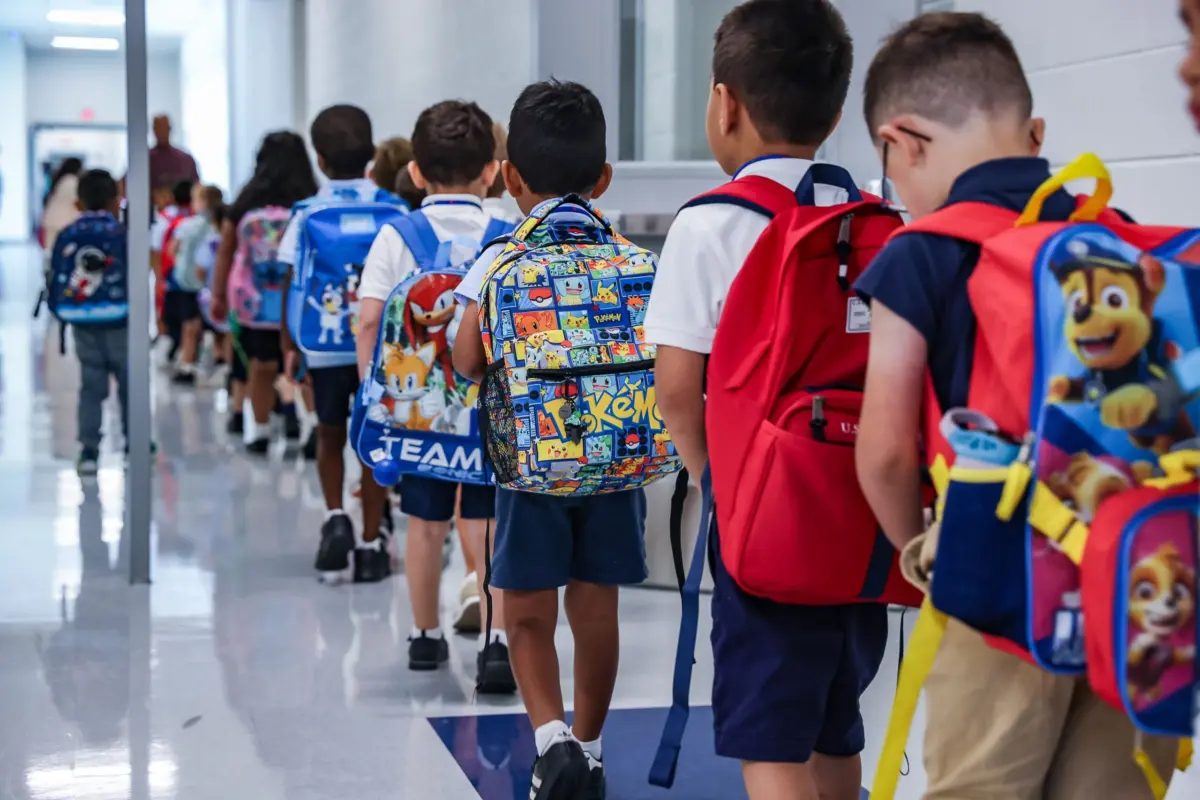
As a new academic year gets underway, millions of American families navigate the familiar routines of school supply shopping, packing lunches, and coordinating carpools. Yet, for parents of immunocompromised children, the return to school is overshadowed by a much graver, high-stakes calculus. The United States is currently experiencing an alarming public health crisis: a 35-year high in measles infections, with nearly 3,000 confirmed cases recorded in 2026 alone.
This resurgence is not merely a statistical anomaly; it is a live-fire emergency that has already claimed its first fatalities of the year in Pennsylvania. For the estimated 2.6 percent of American children living with compromised immune systems—whether due to genetic disorders, congenital conditions, or life-saving oncology treatments like chemotherapy—the steady decline in national vaccination rates has transformed the classroom from a place of learning into a zone of profound peril.
Caught between the Scylla of severe, potentially fatal infection and the Charybdis of social isolation brought on by remote learning, families are forced to make agonizing choices. From pulling teenagers out of brick-and-mortar schools to entirely redesigning travel routes to bypass infection hotspots, parents are shouldering an unbearable burden. This crisis exposes deep fractures in communal public health responsibilities, pitting individual choices against collective safety and raising urgent questions about equity, medical vulnerability, and the future of inclusive education in America.
Detailed Chronology: From Fading Immunity to the 2026 Outbreak
To understand the acute anxiety gripping vulnerable households, one must trace the compounding erosion of public health safeguards that paved the way for the current crisis.
The Slow Creep of Vaccine Hesitancy
For decades, the measles, mumps, and rubella (MMR) vaccine stood as one of modern medicine’s greatest triumphs, having virtually eliminated endemic measles in the United States by the year 2000. However, a steady, multi-year erosion in routine childhood vaccination rates—accelerated by pandemic-era disruptions, misinformation, and a rising tide of vaccine hesitancy—chipped away at herd immunity.
Public health experts have long maintained that maintaining community protection against measles requires a vaccination coverage threshold of at least 95 percent within a given population or school district. As compliance rates slipped below this critical margin in pockets across the country, the highly contagious virus found fertile ground.
The Spark and Spread in 2026
The consequences of falling vaccination rates manifested sharply as the calendar turned to 2026. Outbreaks flared simultaneously in multiple states, fueled by pockets of un- and under-vaccinated individuals.
- South Carolina’s Upstate Crisis: Early in the year, Spartanburg County, South Carolina, became the epicenter of a massive outbreak. The localized surge resulted in nearly 1,000 confirmed cases and 21 hospitalizations. Data from the state Department of Public Health revealed that roughly 91 percent of these cases occurred among children and teens, the vast majority of whom were either entirely unvaccinated or possessed an unknown vaccination status. Even a subsequent 94 percent surge in vaccine administration during the height of the outbreak could not prevent widespread community disruption.
- The Pennsylvania Surge: As the fall semester approached, Pennsylvania emerged as another major flashpoint, recording the nation’s first two measles-related deaths of 2026. Counties like Chester and Lancaster watched in dismay as local kindergarten and middle school vaccination rates plummeted. In Lancaster County, for instance, only 87.6 percent of kindergartners and 83.3 percent of seventh-graders were fully protected against the virus—leaving gaping holes in community defenses.
The Return to School Amid Crisis
By August and September 2026, the intersection of the new school term and soaring measles metrics created a pressure cooker for families of medically vulnerable children. Parents who had successfully navigated the acute phases of the COVID-19 pandemic found themselves reliving old nightmares. Rather than fading into memory, infectious disease threats have become a persistent structural hazard of modern American life, compelling parents to constantly reevaluate whether their local schools remain safe environments for their children.
Supporting Context & Metrics: The Vulnerable Population and the Science of Measles
To fully grasp the magnitude of the current crisis, it is essential to examine the underlying demographics of the immunocompromised population, alongside the biological realities of the measles virus.
Who Are the Immunocompromised Children?
According to benchmark estimates from the Centers for Disease Control and Prevention (CDC), approximately 2.6 percent of children in the United States are immunocompromised. This translates to hundreds of thousands of minors whose immune systems cannot mount a robust defense against pathogens.
The origins of these vulnerabilities vary widely:
- Genetic Immunodeficiencies: Conditions such as immunoglobulin A (IgA) deficiency or primary immunodeficiencies mean the body naturally fails to produce sufficient antibodies required to fend off routine germs.
- Acquired Immunodeficiencies: Children undergoing active treatments for cancer (such as chemotherapy and radiation) or those who have received organ transplants must take immunosuppressive medications to prevent organ rejection, leaving their defenses systematically dismantled.
- Chronic Metabolic Disorders: Conditions like mitochondrial disease severely deplete a child’s overall physiological resilience, making even minor infections uniquely hazardous.
The Biological Menace of Measles
Measles is not merely a childhood rash accompanied by a fever; it is one of the most contagious infectious agents known to science. Spreading easily through respiratory droplets suspended in the air for up to two hours after an infected person leaves a room, a single case can infect up to 90 percent of close contacts who lack immunity.
The clinical complications are severe and manifold:
- Life-Threatening Sequelae: Measles frequently triggers pneumonia, acute encephalitis (swelling of the brain), and severe respiratory distress, which account for the vast majority of fatalities.
- Immune Amnesia: Perhaps most insidiously, scientific research has demonstrated that the measles virus triggers a phenomenon known as "immune amnesia." The virus actively destroys a significant portion of the body’s memory cells, effectively wiping clean the immune system’s historical record of prior infections and vaccinations. Consequently, survivors are left starkly vulnerable to an array of other bacterial and viral diseases they had previously fought off or been inoculated against.
The Fragility of Medical Interventions
Many immunocompromised children cannot receive live-virus vaccines like the MMR shot because their systems cannot process it safely. Instead, they rely heavily on passive immunity boosters, such as weekly infusions of immunoglobulin—concentrated antibodies harvested from donated human blood plasma—to help their bodies stave off infection. However, these treatments are not a silver bullet; they require rigorous monitoring, offer temporary protection, and cannot fully compensate for a lack of community-wide herd immunity.
Official Statements and Personal Narratives: The Human Toll
Statistics and epidemiological charts capture the scale of the outbreak, but the human cost is best understood through the lived experiences of parents and advocates caught on the front lines.
Voices from the Front Lines
Victoria Schiano, National Community Engagement Coordinator for Little Lobbyists
Operating as a voice for children with complex medical needs, Schiano describes the current climate as "absolutely terrifying." Living in Chester County, Pennsylvania—an area bearing high local case counts—Schiano watches helplessly as neighborhood vaccination rates dip far below the 95 percent threshold.
Her 10-year-old son, who battles mitochondrial disease and receives weekly immunoglobulin infusions, represents the literal margin between life and death in this debate.
"Measles is dangerous for anyone, but for him, this absolutely could be life or death," Schiano notes.
Despite utilizing masks, plexiglass classroom barriers, and rigorous hygiene protocols, Schiano has been forced to restrict her son’s participation in normal childhood activities, such as karate classes and playdates with friends.
"He just wants to play and to do all the things that he sees other kids doing."
Amalia, Parent in Spartanburg County, South Carolina
Choosing anonymity to protect her family’s privacy, Amalia pulled her 16-year-old son—who suffers from an IgA deficiency—out of traditional schooling to transition him back to remote learning. Even though her son received the measles vaccine, regular medical monitoring shows his antibody protection continually wanes. Living through both the COVID-19 pandemic and the massive Upstate measles outbreak shattered her faith in community safety nets.
"Covid happened, and then measles happened, and we just feel like it’s not going to be the last time," Amalia reflects. "If it’s not measles, it’s going to be something else because rates for other vaccines have fallen, too."
Furthermore, Amalia highlights the severe social alienation and hostility she has encountered from neighbors and community members over public health measures like masking and vaccination.
"Some people don’t want to take ownership of the responsibility of public health. I think it’s something we’re supposed to share across humanity. It’s not supposed to be carried by one person."
Cortney and Grace, South Carolina
Cortney’s 17-year-old daughter, Grace, lives with a severe underlying medical condition where even common pathogens like rhinoviruses can trigger hospitalizations. During the height of the local measles outbreak, Cortney altered her family’s travel patterns to strictly avoid unnecessary stops in affected counties, treating medical trips like tactical operations.
Compounding the biological threat is a social hazard: Grace chooses not to wear a mask at school despite her vulnerability, driven by the acute fear of being bullied or ostracized in a community hostile to health-related precautions.
"You worry that your family could be targeted," Cortney says. "It’s unfortunate that we have to think about that."
Future Outlook: Navigating the New Normal of Public Health Vulnerability
As the nation looks toward the remainder of 2026 and beyond, the resurgence of measles serves as a grim watershed moment for American public health, education, and social cohesion.
The Looming Educational Dilemma
The immediate future threatens a return to fragmented schooling. Parents like Schiano stand prepared to pull their children out of classrooms at the first whispered confirmation of a local measles case. Yet, educators and child psychologists issue frequent warnings about the compounding costs of remote learning: rising rates of clinical depression, severe social isolation, and stunted behavioral development among youth. For immunocompromised students, choosing physical safety currently requires sacrificing social integration and mental well-being—a profound systemic failure.
The Erosion of the Social Contract
Beyond the classroom, the measles crisis exposes a deeper fraying of the communal social contract. Public health relies on an unspoken agreement: that individuals will tolerate minor inconveniences or fulfill civic duties—such as getting vaccinated—to protect the collective whole, particularly its most fragile members. The open hostility toward mask-wearing, the proliferation of misinformation regarding vaccine safety, and the emergence of vitriolic school board debates suggest that this consensus has broken down.
When parents of vulnerable children feel compelled to relocate simply to find a community that respects basic hygiene and science, it signals a fractured republic.
A Call for Systematic Reform
Experts suggest that reversing this trend will require an aggressive, multi-pronged approach:
- Rebuilding Trust in Public Health Institutions: Local health departments must find more effective, empathetic ways to communicate vaccine safety and combat misinformation without alienating hesitant populations.
- Strengthening School Enforced Standards: State legislatures must re-evaluate non-medical exemption loopholes that allow vaccination rates to plummet in specific districts below herd immunity thresholds.
- Enhancing Indoor Air Quality and Safety Protocols: Schools must receive sustained federal and state funding to upgrade HVAC and filtration systems, creating safer indoor environments that inherently reduce the transmission of airborne pathogens like measles, influenza, and SARS-CoV-2.
Until systemic reforms take root, America’s immunocompromised children will remain on the precipice. For these children and their families, the daily journey to school should not be an exercise in survival roulette, but until community-wide responsibility is restored, the hazard remains painfully real.