EXECUTIVE OVERVIEW
In the hyper-accelerated ecosystem of modern internet culture, viral phenomena often emerge from unexpected intersections. The latest cultural touchstone to capture the collective imagination of social media platforms—particularly TikTok, Instagram, and YouTube—is known colloquially as "Happy Day, Ronaldo Day."
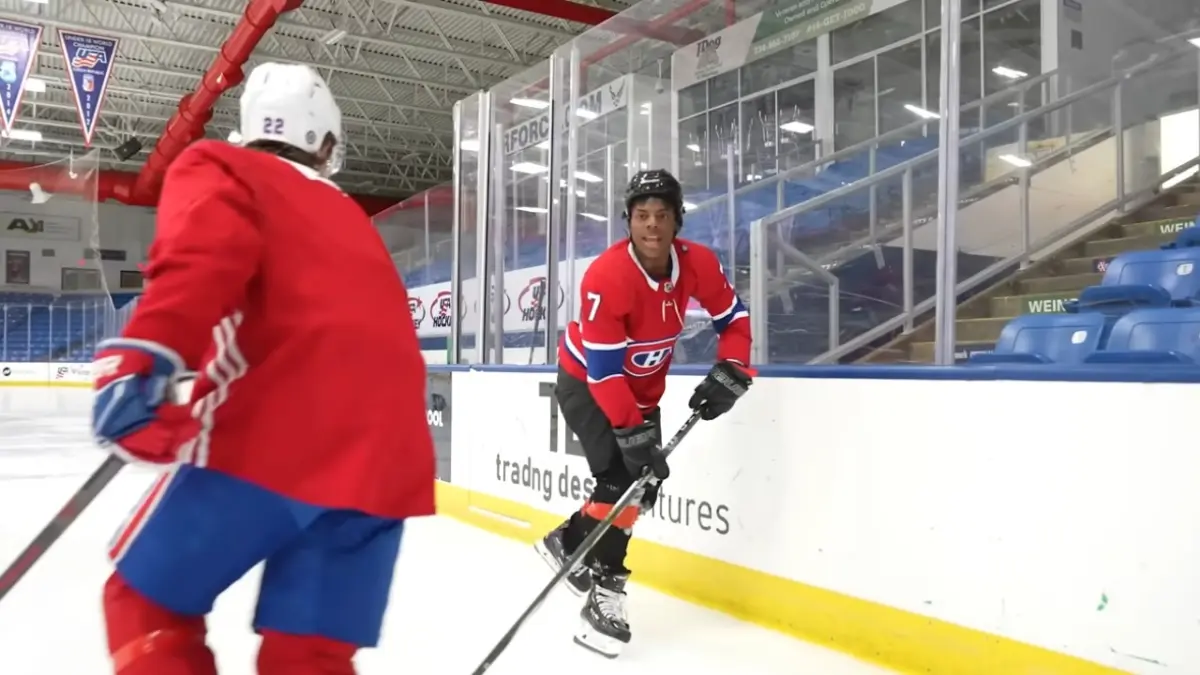
This ubiquitous meme format centers on a specific, comedic, and jarringly abrupt moment involving high-profile streamer and YouTuber Darren Watkins Jr., universally recognized as IShowSpeed. In the clip, Watkins is seen joyfully skating across an ice hockey rink, enthusiastically singing "Happy day, Ronaldo day"—a tribute to his idol, football legend Cristiano Ronaldo—only to be violently body-checked into the rink’s plexiglass wall by a professional hockey player.
Originally captured during a collaborative YouTube video uploaded in June 2024, the multi-second clip slumbered in relative obscurity before experiencing a explosive resurgence in September 2026. Transformed by the internet’s creative and absurdist machinery into brainrot edits, hyper-stylized video remixes, and meticulously staged accuracy reenactments, "Happy Day, Ronaldo Day" has generated millions of views and established itself as a prime example of how user-generated content adapts, deconstructs, and immortalizes singular pop-culture moments.
This investigative report provides a comprehensive examination of the phenomenon, tracing its trajectory from a routine sports-collaboration video to an international internet sensation. We explore the chronology of its origins, analyze the mechanics of its viral spread, categorize its diverse manifestations across digital platforms, and evaluate its broader cultural impact on the ecosystem of modern streaming and digital media.
DETAILED CHRONOLOGY: FROM THE ICE RINK TO THE ALGORITHM
To understand the cultural footprint of "Happy Day, Ronaldo Day," one must trace its journey chronologically, separating its humble production origins from its eventual weaponization by algorithmic content creators.
Phase 1: The Genesis – June 2024
On June 14th, 2024, IShowSpeed published a high-production-value video to his primary YouTube channel titled "IShowSpeed Learns Hockey with Cole Caufield." The video featured the internet personality stepping out of his comfort zone to train on ice with Montreal Canadiens star NHL forward Cole Caufield. True to IShowSpeed’s signature chaotic style, the segment was designed for comedic unpredictability, blending genuine athletic ineptitude with theatrical bravado.
At the exact 4:00 timestamp of the original broadcast, the pivotal incident occurs. Watkins, attempting to navigate the unfamiliar dynamics of ice skating, picks up momentum while vocalizing an impromptu, celebratory chant: "Happy day, Ronaldo day!"—a spontaneous homage to Portuguese football icon Cristiano Ronaldo, whom Watkins frequently references in his content.
Before the streamer can complete his musical thought or establish full control over his skates, he is blindsided by a textbook, albeit merciless, hockey body check delivered by an opposing player. The impact sends Watkins hurtling directly into the rink’s protective wall, punctuated by the unmistakable acoustic crunch of pads hitting boards and the streamer’s immediate transition from singing to bewildered shock. Over the span of two years, the original YouTube upload steadily accumulated over 5.4 million views, functioning as a sleeper cell of comedic timing waiting to be extracted by the internet.
Phase 2: The Dormant Interlude and Early Resurgence – Mid-2026
While the original video enjoyed steady passive viewership, the specific 10-second interaction remained dormant as an independent meme format until mid-2026. The initial sparks of its viral revival began on June 29th, 2026, when Instagram user suubwway reposted the isolated segment with the wry, deadpan caption, "Speed started crying." This post quietly harvested over 21,600 likes within three months, laying the groundwork for algorithmic rediscovery by proving that the isolated clip possessed standalone comedic value outside of its original long-form context.
Phase 3: The September 2026 Explosion
The true tipping point occurred in September 2026. Within a matter of weeks, the clip transitioned from a niche repost to a dominant cultural meme framework across TikTok and Instagram Reels.
- September 20th, 2026: TikTok creator
@goldendandelion74published a hyper-edited "brainrot" variant of the clip, injecting surrealist visual overlays, distorted audio frequencies, and hyper-kinetic pacing. The video struck a chord with Gen Z and Generation Alpha digital sensibilities, rocketing to over 925,000 views in just five days. - September 22nd, 2026: Expanding the meme’s narrative potential, TikTok user
@incousinhouse19published a split-screen edit juxtaposing the collision alongside a simulated Google search query reading, "When is Ronaldo day." The existential absurdity of searching for a non-existent holiday fueled rapid sharing, pushing the view count past 1.5 million within 72 hours. - September 23rd, 2026: Amplifying the hyperbole, creator
@praisepraezeeedited the clip to imply that the body check resulted in catastrophic, life-threatening injuries, splicing in unrelated archival footage of hospital machinery. The dark humor resonated, garnering more than 700,000 views. - September 24th, 2026: The physical comedy of the moment inspired live-action replication. TikToker
@nethemesposted an "accuracy reenactment"—a meticulously choreographed recreation of the collision filmed by fans on a local rink—which accumulated over 1.6 million views in a single day.
SUPPORTING CONTEXT & METRICS: QUANTIFYING THE PHENOMENON
The viral trajectory of "Happy Day, Ronaldo Day" is best understood through the lens of modern engagement metrics and platform dynamics.
Platform Distribution and Engagement Vectors
Unlike text-based memes or static image macros, "Happy Day, Ronaldo Day" relies heavily on audio-visual kinetics. Consequently, its spread was heavily concentrated on short-form video platforms:
- TikTok: Serving as the primary engine of dissemination, TikTok accounted for over 85% of the derivative content associated with the meme. The platform’s native editing tools—such as CapCut integrations—lowered the barrier to entry for creators looking to produce stylistic edits, "brainrot" remixes, and narrative spin-offs.
- Instagram Reels: Functioning as a secondary amplifier, Instagram captured the older demographic of IShowSpeed fans who favored retrospective meme roundups and highlight reels.
- YouTube Shorts: Repurposed clips from the original 2024 video continued to generate algorithmic traffic, serving as a feedback loop that continually funneled new viewers back to the source material.
Cultural Anatomy: Why Did It Resonate?
Communication theorists and digital culture analysts point to three primary factors driving the meme’s sudden dominance in late 2026:
- The Juxtaposition of Joy and Pain: The comedic contrast between IShowSpeed’s genuine, unbridled euphoria ("Happy day, Ronaldo day") and the sudden, unceremonious violence of the hockey check creates an involuntary comedic reaction.
- The Cult of IShowSpeed: As one of the most visible and emotionally expressive streamers on the internet, Watkins’ hyper-reactive persona makes him an ideal canvas for internet satire. His absolute dedication to the bit—whether real or exaggerated—provides creators with endless material for reaction-based content.
- The Absurdist Meta-Narrative: Formats like the Google search edit ("When is Ronaldo day") reflect a broader shift in digital humor toward post-ironic absurdity, where memes manufacture fictional lore and treat non-existent concepts as empirical reality.
OFFICIAL STATEMENTS AND DIGITAL REACTIONS
As "Happy Day, Ronaldo Day" saturated digital feeds throughout September 2026, public figures, sports organizations, and content creators weighed in on the cultural phenomenon.
While neither IShowSpeed nor Cole Caufield issued formal written press releases regarding the meme’s resurgence, both acknowledged the digital chatter through indirect channels. During a subsequent live stream in late September, Watkins laughed off clips sent in by viewers through his Discord server, shouting his signature ad-libs while watching fans recreate the hit on synthetic ice rinks.
Meanwhile, sports media brands seized the moment for cross-platform marketing. Major sports aggregator accounts, including Overtime, published dedicated TikTok tributes celebrating the collision, bridging the gap between mainstream professional sports culture and internet streaming subculture.
Digital culture commentators noted that the phenomenon highlights a growing trend: the retroactive mining of creator archives. In an era where content consumption moves at breakneck speed, older videos are increasingly subjected to archaeological digs by fans looking for isolated moments to recycle into micro-trends.
FUTURE OUTLOOK: THE PERMANENCE OF THE MEME
As the initial wave of September 2026 viral saturation normalizes, digital media analysts are left to evaluate the long-term legacy of "Happy Day, Ronaldo Day."
Like many short-form video trends, the hyper-specific edits will likely experience algorithmic fatigue, eventually receding into the vast catalog of internet history. However, its impact on the digital lexicon is secure. The phrase "Happy Day, Ronaldo Day" has entered the vernacular of online gaming and sports chat rooms, serving as an instant shorthand for sudden, unexpected misfortune amidst unwarranted optimism.
Furthermore, the phenomenon underscores the symbiotic relationship between professional sports leagues and digital content creators. By collaborating with mainstream athletes like Cole Caufield, creators like IShowSpeed not only expand their own brand equity but inadvertently plant the seeds for organic, multi-platform cultural moments that outlive the original broadcast.
Ultimately, "Happy Day, Ronaldo Day" stands as a testament to the unpredictable nature of internet virality—a reminder that a single second of synchronized singing and physical comedy, caught on camera in 2024, can be resurrected two years later to captivate millions across the globe.