Looking back at the landscape of youth culture in the mid-to-late 2010s, one recognizes a very specific alchemy. It was an era defined by fluid subcultures, cross-pollinating aesthetics, and a rare optimism regarding the digital frontier. Fashion, music, film, and nascent internet subcultures were not merely in conversation with one another; they were actively collapsing into a single, cohesive ecosystem. Traditional industry hierarchies—long governed by gatekeepers, seasonal buyer appointments, and rigid professional definitions—were unraveling under the weight of a hyper-connected generation.
DJs and underground rappers were suddenly stepping into roles as creative directors; high-fashion luxury houses were courting skateboarding models for impromptu limited-edition capsule drops; and the raw, unpolished energy of late-night club culture became the blueprint for global luxury collections. In this chaotic, exhilarating climate, the possibilities felt infinite.
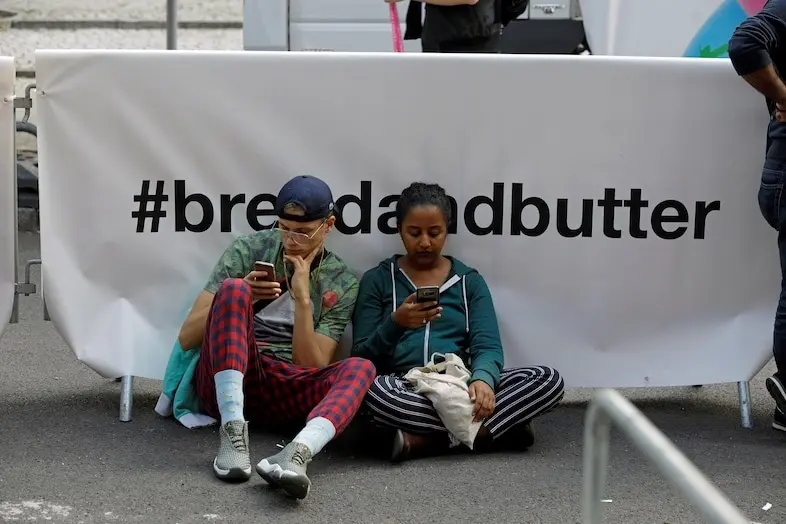
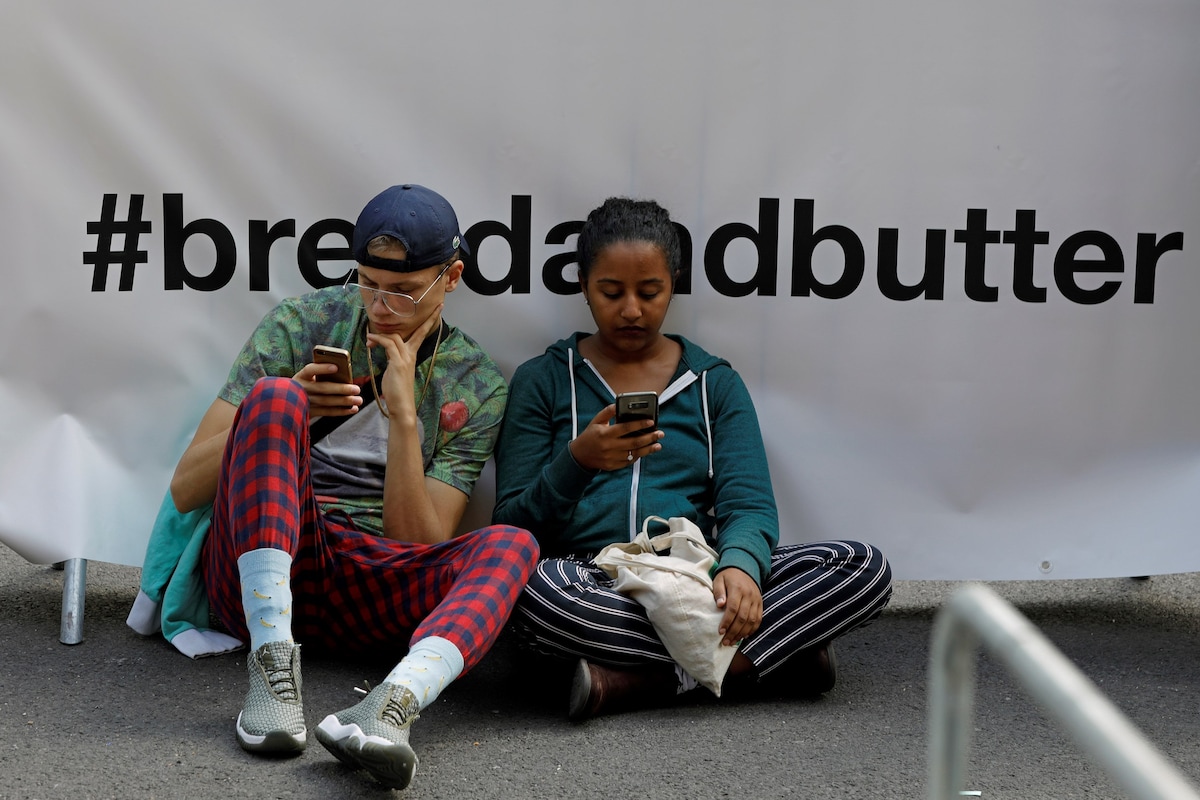
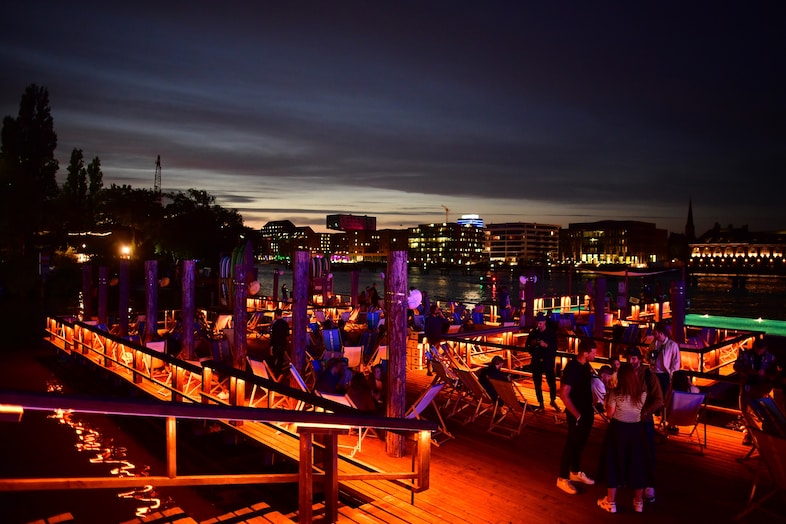
For three unforgettable summers in Berlin, European e-commerce titan Zalando harnessed this exact cultural collision to stage Bread&&Butter. Part fashion trade show, part high-energy music festival, and entirely a celebration of youth expression, the event transformed Arena Berlin into a living, breathing laboratory for the coolest style the city—and the internet—had to offer. Drawing crowds exceeding 30,000 attendees during its peak 2017 and 2018 editions, Bread&&Butter was designed as an antidote to the notoriously exclusive, cloistered nature of traditional fashion weeks. It democratized style, welcoming everyday consumers, internet-native youth, and industry insiders alike into the same mosh pits, runway front rows, and roller-disco rinks.
This deep-dive retrospective looks back at the ascent of Bread&&Butter, mapping its evolution, chronicling its monumental music and fashion lineups, and analyzing its enduring legacy on European youth culture.
Detailed Chronology: The Three-Year Evolution of a Cultural Phenomenon
To understand the impact of Bread&&Butter, one must trace its roots and how it rapidly transformed from an adopted trade-show concept into a cultural powerhouse that captured the zeitgeist of the 2010s.
The Inception (2016): Tearing Down the Velvet Rope
When Zalando first acquired and re-imagined the Bread&&Butter format in 2016, the European fashion industry was experiencing an identity crisis. The traditional trade show model—designed strictly for B2B buyers, editors, and retail executives—was fundamentally misaligned with how contemporary consumers, particularly Gen Z and Millennials, discovered, interacted with, and purchased clothing.
Zalando’s radical proposition was simple yet revolutionary: open the doors to the public.
From its very first iteration, Bread&&Butter rejected the exclusionary VIP culture that had defined the fashion calendar for decades. Instead of hiding collections behind closed doors, the festival paired runway presentations with live musical acts, immersive workshops, panel discussions, and after-parties. This inclusivity immediately signaled a shift in Berlin’s creative landscape. The hard boundaries that had historically separated fashion, music, visual art, and nightlife were dissolving into porous, collaborative membranes. Attendees were not passive observers; they were active participants in a multi-sensory brand experience.
The Breakthrough (2017): Haute Couture Meets Street Culture
By its second year, Bread&&Butter had firmly established its footing at Arena Berlin, scaling up its ambitions and curation. The 2017 edition served as a masterclass in high-low juxtaposition. In a move that shocked traditionalists, avant-garde haute couture visionaries Viktor&Rolf brought their conceptual artistry directly to the Berlin waterfront, sharing festival space with foundational streetwear and sportswear giants like Topman, G-Star RAW, Converse, and Levi’s.
The festival grounds became a playground of interactive consumer experiences. Attendees could customize brand-new pairs of Nikes on the spot, lace up roller skates at the Wrangler retro disco, and wander through a meticulously curated Vivienne Westwood archival exhibition—all under the same sprawling canopy of tents.
Meanwhile, the music programming stepped up dramatically. Friday night reached a fever pitch when boundary-pushing pop auteur M.I.A. closed out the evening with a politically charged, high-octane performance. Over the weekend, artists like FKA twigs and Austrian indie-rock sensations Bilderbuch commanded the stages, while cultural polymaths like the late Virgil Abloh stepped behind the DJ decks to soundtrack the intersection of high fashion and hip-hop.
The Zenith and Grand Finale (2018): Mapping What’s Next
If 2016 was an experiment and 2017 was a breakthrough, the 2018 edition of Bread&&Butter was a full-scale cultural summit. Expanding its footprint across Arena Berlin, the festival hosted over 40 global brands, rolled out more than 100 exclusive product drops and limited-edition capsules, and presented six pop-up fashion performances alongside nine rigorous panel discussions.
The 2018 lineup read like a curated playlist of the internet’s most vital sonic architects: Princess Nokia, Stefflon Don, and Gunna delivered electrifying performances that bridged the gap between American trap, UK underground rap, and New York punk-rap ethos. Simultaneously, publications and creative collectives hosted after-parties that brought the raw, unapologetic energy of Berlin’s legendary club underground straight into the festival grounds.
Crucially, 2018 was also forward-looking. Through panels like the presciently titled "What’s Next?", the festival convened internet-native icons—including influencer and model Jazzelle Zanaughtti, genre-bending artist Kodie Shane, Elias Riadi of the cult-favorite YouTube fashion show PAQ, and Marc Goehring, Fashion Director of 032c—to debate the exact ways social media, digital streaming, and hyper-connectivity were rewriting the future of fashion and music.
Supporting Context & Metrics: The Anatomy of a Modern Festival
To fully appreciate the scale of Bread&&Butter’s operational success, it is helpful to examine the quantifiable impact and structural pillars that supported the event across its lifespan.
Historically, fashion weeks were designed to manufacture desire through scarcity. Only a privileged few—department store buyers, print magazine editors, and high-net-worth clients—were granted physical access to new collections, leaving the general public to consume the output months later via glossy magazines or edited television broadcasts.
Bread&&Butter inverted this model entirely. By positioning itself as a "see-now, buy-now" consumer festival, it anticipated the direct-to-consumer digital revolution. When brands unveiled collections at Arena Berlin, the clothes were immediately accessible, touchable, and in many cases, purchasable on-site. This frictionless accessibility bridged the psychological gap between the runway and the wardrobe, establishing a new benchmark for how fashion brands could engage directly with their communities without relying on traditional media intermediaries.
Intersection of Margins: Ballroom and Underground Culture
One of Bread&&Butter’s most enduring achievements was its commitment to platforming marginalized subcultures that had historically birthed mainstream trends without receiving institutional credit. A prime example was the Bold Ball, hosted in collaboration with Indie magazine. Paying direct homage to the rich, queer history of New York and global ballroom culture, the event featured fierce voguing competitions, runway categories, and masterclass DJ sets from Berlin underground luminaries like Lucy Liu Ninja and Byrell The Great.
By integrating ballroom culture alongside mainstream rap acts and haute couture exhibitions, Bread&&Butter acknowledged a fundamental truth of 2010s style: contemporary streetwear and high fashion owed an immense, undeniable debt to queer, Black, and brown club communities.
Official Statements and Industry Reflections
Reflecting on the cultural climate that permitted an event like Bread&&Butter to thrive, industry observers have often pointed to the unique ecosystem of Berlin during that decade—a city defined by cheap real estate, nocturnal freedom, and an influx of international creative talent.
In various retrospective analyses of the festival’s impact, brand executives and cultural commentators emphasized that Zalando’s vision was never merely about selling merchandise; it was about community building.
"Bread&&Butter arrived at a precise historical inflection point," notes cultural historian and Berlin-based fashion researcher Lena Weber. "The traditional fashion system was suffocating under its own elitism, while a new generation of youth was consuming culture horizontally through Instagram, SoundCloud, and Tumblr. Zalando recognized that if you want to speak to this generation, you cannot talk down to them from a runway. You have to invite them into the mosh pit."
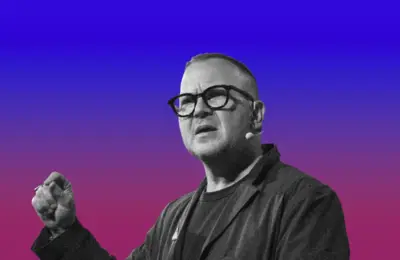
Furthermore, panel discussions from the 2018 iteration underscored an acute self-awareness among creators regarding the digital shifts altering their industries. Speaking on the "What’s Next?" panel, 032c Fashion Director Marc Goehring articulated the ethos driving the era:
"We are no longer living in silos. A kid scrolling through Instagram in Berlin, Tokyo, or New York consumes music, architecture, politics, and luxury fashion at the exact same velocity. Events like Bread&&Butter succeed because they reflect this exact mental speed—fast, chaotic, inclusive, and entirely genre-less."
Future Outlook: The Legacy of Bread&&Butter in a Post-Pandemic Landscape
As the fashion and events industries continue to evolve in the wake of global disruptions, digital acceleration, and changing consumer habits, the ghost of Bread&&Butter looms large.
While Zalando ultimately pivoted its marketing strategies away from physical festival formats after 2018, the structural blueprint established by Bread&&Butter has been widely adopted across the globe. Today, the "brand experience festival"—where music, retail, advocacy, and interactive technology merge into a weekend-long carnival—has become the gold standard for marketing to Gen Z. Festivals like ComplexCon in the United States and various global streetwear summits trace their ideological lineage directly back to what Zalando built along the Spree River in Berlin.
Yet, recapturing the specific lightning-in-a-bottle magic of 2016–2018 Berlin remains a formidable challenge. That era possessed a unique, pre-algorithm optimism—a moment when digital subcultures felt expansive rather than siloed, and when physical spaces could still surprise an internet-saturated generation.
As Zalando and other European retail giants look toward the future of youth culture engagement, the legacy of Bread&&Butter serves as both a high-water mark and an enduring reminder. It proves that when brands create physical spaces that genuinely honor the intersections of diverse creative communities, art, music, and fashion, the resulting cultural collision can leave an indelible mark on an entire generation.