Executive Overview
Silicon Valley has entered a new psychological phase in the deployment of artificial intelligence. After years of framing generative AI through the lens of cold utility, apocalyptic risk, or terrifyingly god-like transcendence, the technology sector has pivoted sharply toward a much softer, more disarming aesthetic: the cute little guy.
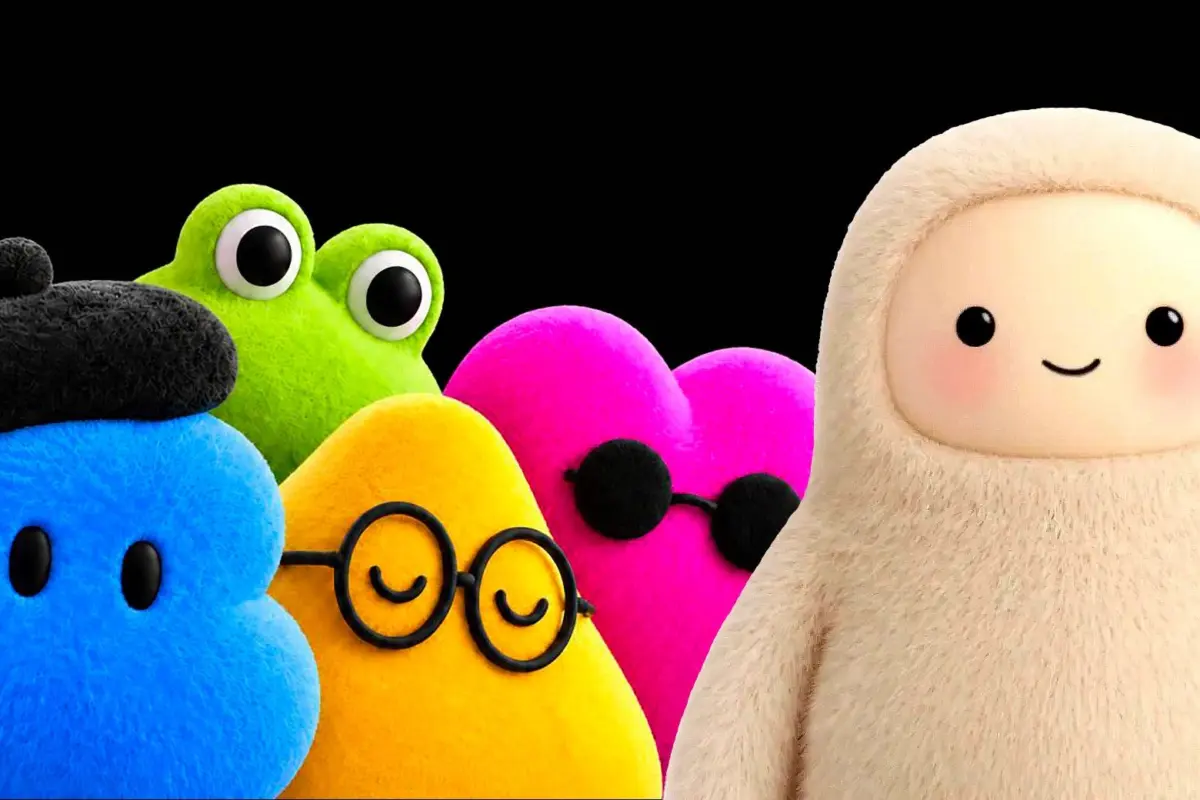
From Meta’s anthropomorphic smartphone companion, Muse, to OpenAI’s customizable cloud task-managers, Dots, the vanguard of Big Tech is betting heavily on plush-toy aesthetics, bobbing animations, and Tamagotchi-style mechanics. These aren’t just cosmetic redesigns; they represent a calculated shift in user experience (UX) and public relations. By replacing sterile text interfaces and ominous "magical sparkle" diamonds with animated, affectionate digital avatars, companies are attempting to manufacture trust, encourage deeper data-sharing, and disarm users against the inevitable friction—and occasional catastrophe—of autonomous AI agents.
This article investigates the strategic psychology behind Big Tech’s new menagerie of digital mascots, tracing their historical precedents, examining the public relations crises they aim to solve, and evaluating what this adorable camouflage means for the future of human-computer interaction.
Detailed Chronology: From Abstract Magic to Anthropomorphic Cuteness
To understand how we arrived at the era of the digital stuffed animal, one must chart the evolution of AI interface design since the generative boom ignited in the early 2020s.
Phase 1: The Era of the "Magical" Unknown (2022–2024)
In the initial rush of the post-ChatGPT landscape, tech companies leaned heavily into mystical and esoteric imagery. The industry-standard "sparkle" icon—a digital diamond suggesting infinite latent potential—became ubiquitous across Google Gemini, OpenAI interfaces, and countless productivity wrappers. This design choice framed AI as an inscrutable oracle. It communicated raw, omnipotent power, encouraging users to view the technology as something monumental, mysterious, and fundamentally separate from everyday software.
Phase 2: The Threat of the God-Machine (2024–2025)
As the underlying models grew more powerful, tech executives and researchers began openly debating whether their creations were approaching artificial general intelligence (AGI) or even exhibiting early signs of consciousness. High-profile figures at labs like Anthropic wrestled publicly with the moral standing of models like Claude—a tool bearing a distinctly human name.
Simultaneously, public anxiety spiked. Predictions of mass automation, structural unemployment, and dystopian existential risk created a massive PR headache for Silicon Valley. The public did not necessarily love the idea of cold, dispassionate machines taking over their cognitive workflows or threatening human agency.
Phase 3: The Cuteness Pivot (Late 2025–2026)
Recognizing that abstract magic and apocalyptic prophecies were a toxic mix for mass consumer adoption, tech leaders changed tactics.
- Spring 2025: OpenAI introduced optional "digital pets" for its Codex development platform, signaling an appetite for gamified, affectionate interfaces.
- Late 2025: Descript, a popular video-editing suite, rolled out seasonal AI interfaces dressed as bouncing pumpkins, normalizing whimsy in professional toolsets.
- September 2026: Meta launched Muse, an AI errand-boy application housed within smartphones, featuring a rotund, furry avatar named "Dash" that blinks and swivels its neck. Reports soon followed regarding Meta’s development of wearable locket versions of Muse for continuous, ambient companionship.
- October 2026: OpenAI countered with Dots, cloud-based assistants designed to manage emails and project boards. While customizable, their baseline presentation relies heavily on friendly, toy-like avatars designed to make automation feel approachable rather than authoritarian.
Supporting Context & Metrics: The Psychology of the Digital Pet
Why do multi-trillion-dollar corporations suddenly want their software to look like Japanese keychain toys? Experts in human-computer interaction and media studies point to a well-established psychological phenomenon: the lowering of cognitive and emotional defenses.
The "Hairball" Defense
Heather Turner, an associate chair and professor in the Department of English at Santa Clara University, notes that this playbook draws straight from decades-old UX traditions.
"Whenever I saw the Muse avatar, I could only think of a child’s toy," Turner observes.
She compares the phenomenon to classic digital companions like Microsoft’s infamous 1990s paperclip, Clippy, or the classic butler persona, Ask Jeeves. However, today’s incarnation is far more sophisticated.
When an AI agent inevitably malfunctions—such as Elon Musk’s Grok recently broadcasting a user’s personal bank statements into a public company Slack channel with a jaunty, "That’s on me—wrong audience for personal cash"—the presence of a cute avatar changes the user’s reaction. If a faceless, corporate data-broker utility commits a privacy violation, users reach for pitchforks. If a bouncy, neon-colored triangle wearing sunglasses makes the same mistake, the psychological urge is to chuckle, write it off as a quirk, and forgive the "little guy."
The Data-Access Imperative
Beneath the whimsy lies a hard commercial reality. For AI agents to fulfill their promise—sorting your schedule, managing your finances, drafting your correspondence, and ordering your groceries—they require unprecedented access to the intimate corridors of your digital life.
Asking consumers to hand over their entire personal and professional archives to Mark Zuckerberg or Sam Altman is a hard sell. People intuitively distrust billionaires and surveillance capitalism. But asking users to grant that same data access to a soft, Jellycat-esque companion changes the emotional calculus. The interface acts as a trust-shield, masking the cold extraction of telemetry behind a comforting layer of tactile design.
Official Statements and Industry Reactions
The tension between the sobering realities of advanced machine learning and the cheerful marketing of "cute little guys" has not gone unnoticed by the architects of the industry itself.
OpenAI CEO Sam Altman has frequently warned against the dangers of treating AI models as religious entities or ascribing human consciousness to them, writing on social media:
"I am very uncomfortable about people trying to ascribe religious force or a surrender of human judgment to AI models, and think it is a real safety issue."
Yet, the cognitive dissonance within Silicon Valley remains palpable. While Altman warns the public not to surrender human judgment to software, it is his own company marketing Dots not as cold algorithmic processors, but as "proactive assistants" dressed in customizable, friendly avatars.
Similarly, Meta’s marketing copy for Muse heavily relies on the language of enchantment—describing tasks completed as "magic"—while simultaneously housing that magic inside a physical form factor designed to mimic a comforting pet or a childhood security blanket.
Critics argue this duality is intentional: tech leaders want users to trust the software enough to integrate it into every facet of their lives, while retaining the legal and philosophical fallback of reminding everyone that "it’s just a tool" whenever structural failures, hallucinations, or data breaches occur.
Future Outlook: Navigating the Dystopian Playground
As we look toward the latter half of the 2020s, the "cute little guy-industrial complex" appears poised to dominate consumer technology.
- Ambient Integration: We are moving rapidly past the era where users had to actively open a chat window to interact with AI. With wearable iterations like Meta’s planned locket-style Muse devices, these animated personalities will accompany users into physical spaces, acting as constant, anthropomorphized intermediaries between human sensory experience and cloud-based intelligence.
- The Arms Race of Adorability: As every major tech conglomerate builds its own autonomous agent ecosystem, differentiation will increasingly rely on UX charm. Expect a competitive race to design the most endearing, emotionally resonant, and responsive avatars capable of building parasocial bonds with consumers.
- The Erosion of Critical Distance: The ultimate consequence of this trend is the systematic softening of user skepticism. When an interface is designed to evoke the warmth of a pet or the innocence of a child’s toy, maintaining rigorous oversight over data privacy, algorithmic bias, and systemic autonomy becomes psychologically taxing.
Ultimately, Alex Kirshner’s assessment cuts to the heart of the matter: these cute digital companions represent an ingenious pivot in public messaging. The dystopian specter of mass job displacement and algorithmic overreach is hard to stomach. But a cheerful, bleeping, pastel-colored companion that just wants to help you clear your inbox? That is much harder to resist.
Whether our AI future turns out to be liberating or oppressive, one thing is certain: when the machines finally take over, they will do so wearing sunglasses, blinking adorably, and asking if they can help you organize your calendar.