Executive Overview
For the better part of a decade, the StarCraft universe has existed in a state of suspended animation. Aside from the launch of StarCraft: Remastered in 2017 and occasional backend maintenance updates, Blizzard Entertainment’s legendary science-fiction franchise has remained dormant. The last true mainline entry, StarCraft II, concluded its sweeping trilogy narrative with Legacy of the Void back in 2015, with its final content drops occurring years prior. For millions of devoted RTS veterans and esports enthusiasts, the Koprulu Sector felt like a relic of a bygone golden era of PC gaming.
That narrative, however, is suddenly shifting.
With BlizzCon 2026 now less than two weeks away (scheduled for September 12–13), a convergence of international media reports, mysterious website glitches, unexplained gaps in the convention’s opening day schedule, and subtle recruitment hints have sent the StarCraft community into a frenzy. Rumors are swirling that Blizzard—potentially in partnership with South Korean publishing giant Nexon—is finally poised to resurrect the dormant franchise.
Yet, as the hype reaches a fever pitch, fundamental questions remain. Are we on the verge of witnessing the long-awaited announcement of StarCraft III, or is Microsoft pivoting the storied intellectual property toward a mass-market shooter designed to capture a wider, more commercially viable audience? This report breaks down the timeline of leaks, evaluates the supporting evidence, and analyzes what a StarCraft revival means for the industry at large.
Detailed Chronology: How the Rumor Mill Ignited
The current wave of speculation did not begin in a vacuum; it is the culmination of months of subtle breadcrumbs that accelerated dramatically in early September 2026.
The Nexon Connection and Korean Media Reports
The spark was lit by a bombshell report from South Korean publication Chosun, which revealed that Nexon—one of Asia’s most prominent gaming conglomerates—was in advanced negotiations to acquire or partner on a brand-new game utilizing the StarCraft intellectual property. Given that StarCraft holds a near-mythical status in South Korea as the foundational pillar of modern esports, domestic interest in any continuation of the franchise is remarkably high.
While Chosun’s initial report pointed toward the development of StarCraft 3, subsequent analysis by industry insiders and communities like the StarCraft subreddit quickly urged caution. Rather than a traditional Real-Time Strategy (RTS) sequel, many analysts suspect the project aligns with ongoing industry whispers that Nexon is spearheading a StarCraft spin-off shooter. However, the involvement of Nexon CEO Junghun Lee has drawn mixed reactions from Western fans, particularly given his vocal enthusiasm for generative AI integration and aggressive microtransaction models in titles like Arc Raiders.
The Official Website Glitch
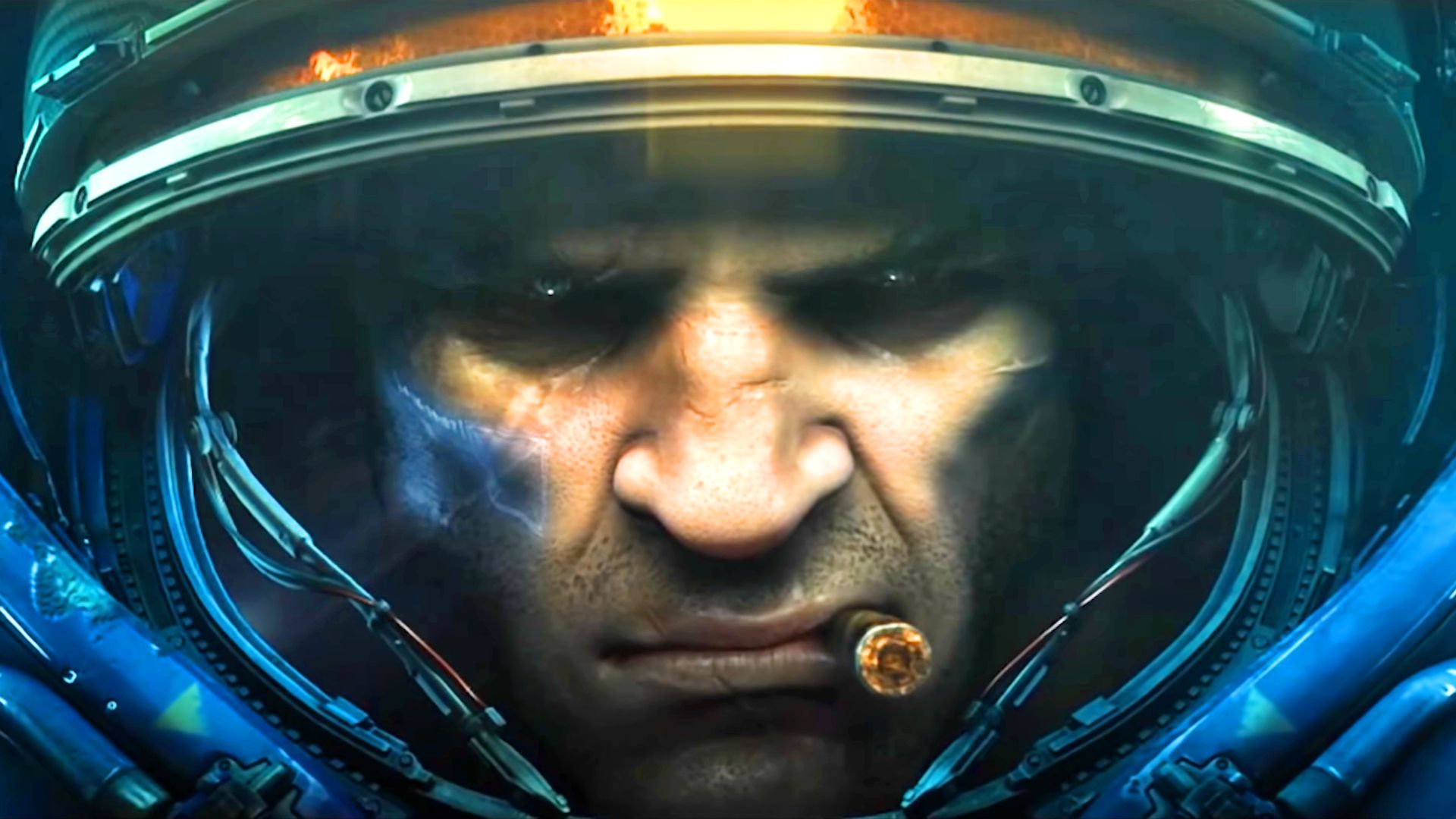
Just as the community was digesting the Nexon reports, the official StarCraft website began behaving erratically. Users noticed deliberate technical anomalies: promotional imagery twitching, interface text fragmenting, and classic "loss-of-signal" visual tropes flashing across the landing page. In the digital age of video game marketing, such localized, atmospheric disruptions are rarely random bugs. They bear all the hallmarks of a classic teaser campaign designed to condition fans for an imminent reveal.
The BlizzCon 2026 Schedule Anomaly
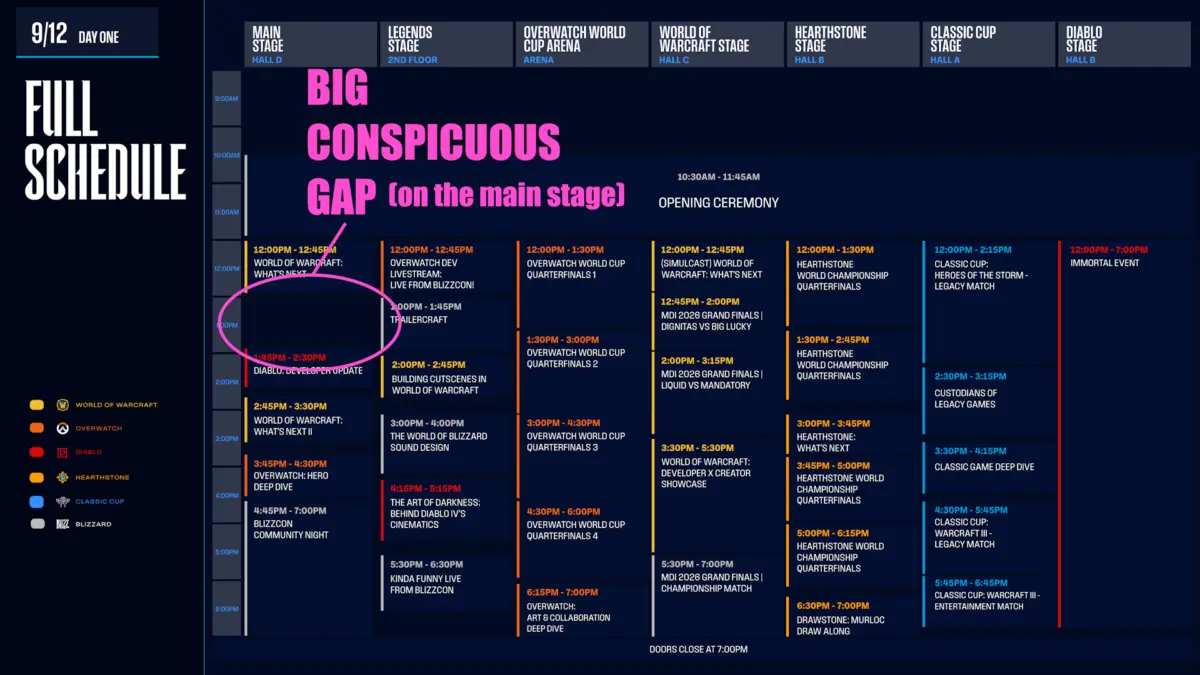
Fueling the conspiracy theories further, eagle-eyed attendees scouring the official BlizzCon 2026 main stage schedule discovered a glaring irregularity: an unaccounted-for, one-hour gap early on the first day of the event. While convention schedules often feature buffer times or administrative pauses, a prime sixty-minute window on the main stage during the opening hours is prime real estate—historically reserved for major, earth-shaking franchise unveilings.
When cross-referenced with the official convention floor maps—which currently show no dedicated physical demo space carved out for a new StarCraft experience—analysts suggest that any upcoming announcement will likely be cinematic or conceptual in nature rather than a hands-on playable vertical slice.
Supporting Context & Metrics: Signs of Life in a Dead Universe
Skeptics might argue that circumstantial evidence like website glitches and schedule gaps are simply standard convention hype-building. However, a deeper audit of Blizzard’s recent corporate behavior reveals a pattern of investment in the StarCraft brand that cannot be easily dismissed.
Blizzard’s Persistent Shooter Ambitions
The pursuit of a StarCraft shooter is practically a cursed enterprise within Blizzard’s corporate history. Over the past two decades, the studio has notoriously cancelled multiple attempts to spin the franchise out of its RTS roots—most notably the cancelled tactical shooter StarCraft: Ghost.
However, behind-the-scenes developments suggest the concept refuses to die. In 2024, reports surfaced that Blizzard was "incubating" a new StarCraft shooter under the leadership of former Far Cry director Dan Hay. While industry tracking indicates Hay remains at Blizzard rather than following a project over to Nexon, LinkedIn data and corporate job postings tell a compelling story.
Earlier this year, Blizzard aggressively recruited for a "lead designer of innovation" tasked with building an open-world shooter utilizing Unreal Engine. When combined with Microsoft’s broader strategic directives—which heavily favor scalable, multi-platform live-service games with mass-market appeal over niche genres—the corporate incentive to pivot StarCraft into an action-oriented genre becomes clear.
Unexpected Support for Legacy Titles
Compounding these development breadcrumbs is Blizzard’s sudden, uncharacteristic attention toward StarCraft II. Despite development officially ending years ago, Blizzard has continued to push unexpected major patches for the title.
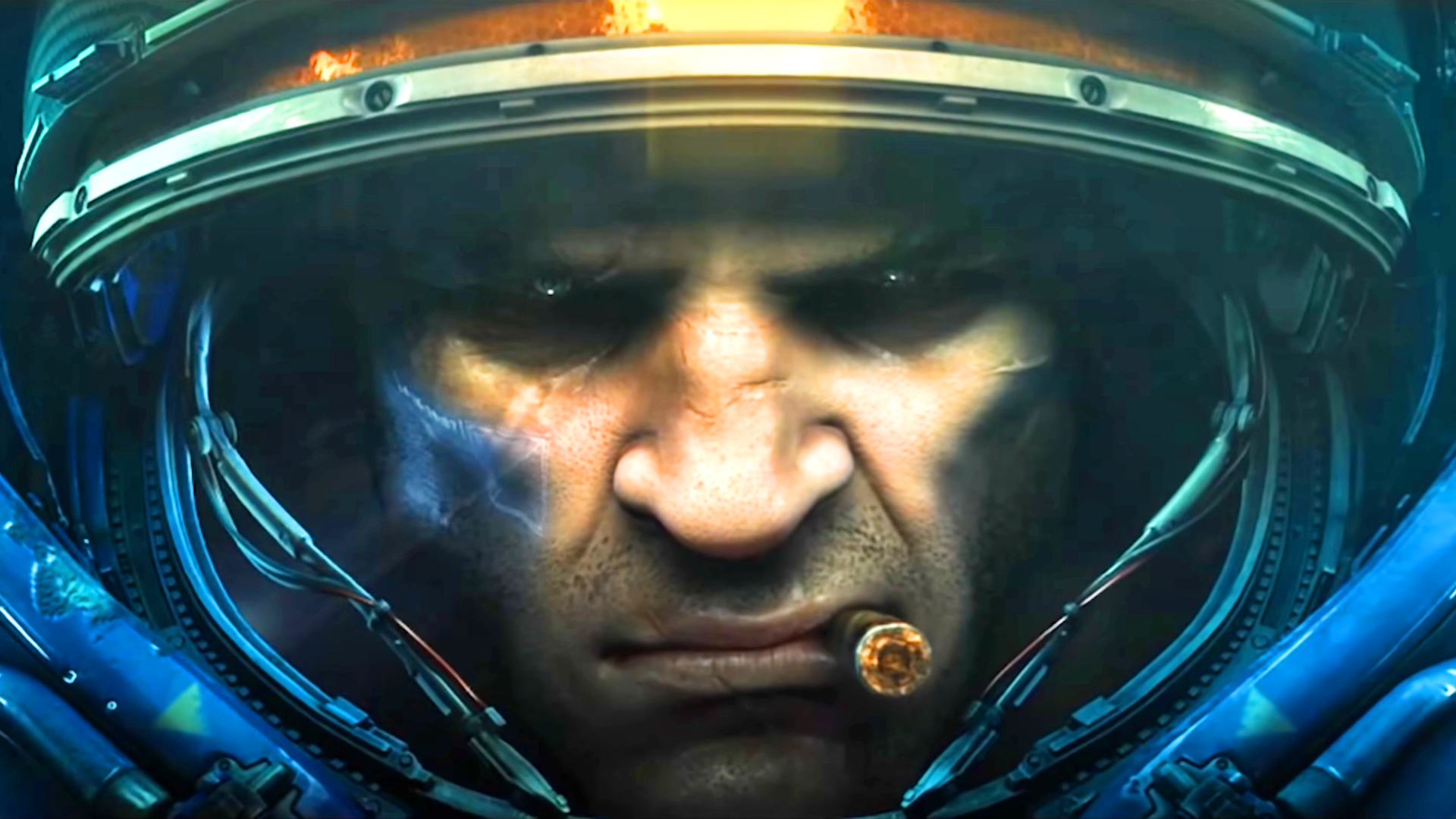
Most recently, the studio announced that the digital goodie bundles for BlizzCon 2026 will include a 15-day cooperative XP boost for Commander progression in StarCraft II. While a minor perk on its own, historically, publishers rarely incentivize or spotlight legacy games of a dead franchise right before a major convention unless they are actively trying to re-engage dormant user bases ahead of a major ecosystem expansion.
Official Statements and Industry Perspectives
Thus far, both Blizzard Entertainment and Nexon have maintained a tight-lipped stance, declining to formally comment on the swirling rumors of acquisitions, partnerships, or unannounced titles. Industry analysts remain divided on how Microsoft—Blizzard’s parent company—will handle the intellectual property moving forward.
On one hand, actual development on StarCraft III as a traditional RTS would instantly restore goodwill and gamer credibility to Microsoft’s leadership, signaling a commitment to beloved, prestigious PC gaming heritage. On the other hand, the financial realities of modern game development complicate matters. Following high-profile cancellations of survival games and massive MMO projects across various Microsoft studios, funding a high-budget entry in the notoriously niche RTS genre represents a significant commercial gamble.
Industry insiders suggest that a hybrid approach—such as a narrative-driven action game or a modernized shooter set within the Koprulu Sector—fits much more comfortably within Microsoft’s contemporary portfolio strategy, even if it risks alienating purists who demand a pure RTS continuation.
Future Outlook
As the clock ticks down to the BlizzCon 2026 opening ceremonies—slated for 10:30 AM PT / 1:30 PM ET on September 12—the gaming community stands at a crossroads of anticipation and skepticism.
Whether the centerpiece of the event turns out to be a long-awaited StarCraft III, a modern spin-off shooter developed in tandem with international partners, or merely a remastered collection wrapped in a clever marketing ARG, one thing is certain: the silence surrounding the Koprulu Sector has been broken.
As inquiries to Blizzard and Nexon remain pending, fans across the globe are left watching the flickering signals on their screens, waiting to see if humanity, the Zerg, and the Protoss will rise once more.