By Willa Bloomfield-Rowe
Published September 8, 2026
Executive Overview
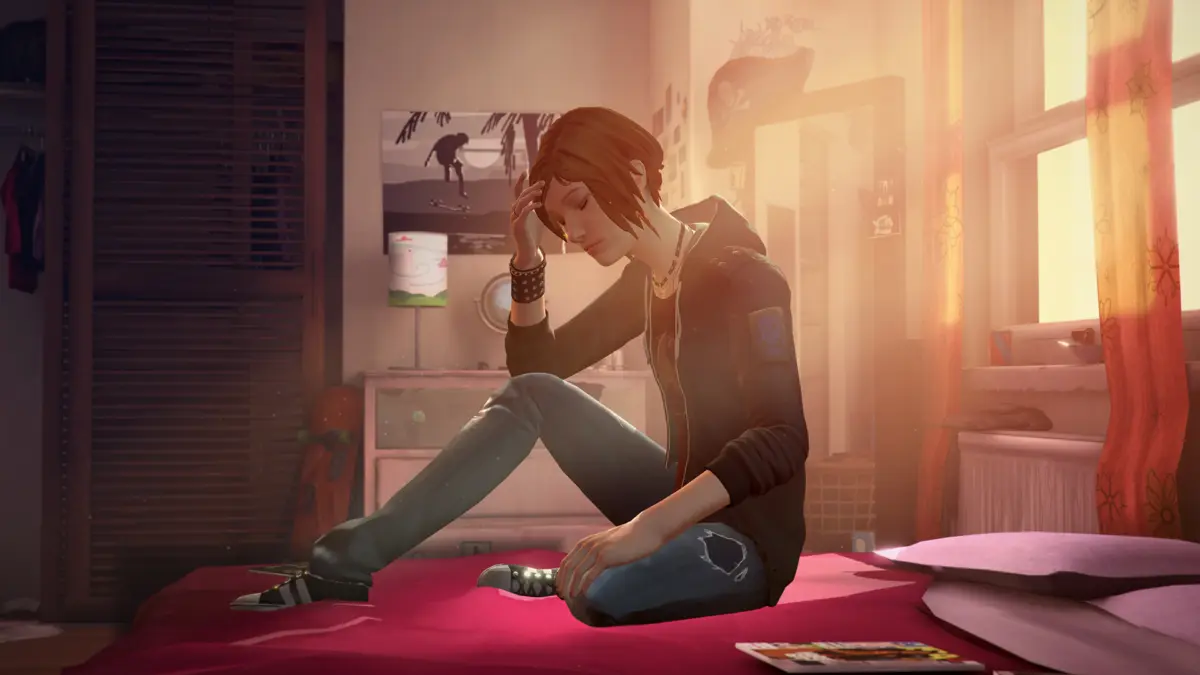
The video game industry is no stranger to volatility, but the latest financial disclosures from veteran French developer Don’t Nod paint a picture of an existential crisis hitting one of the medium’s most beloved narrative powerhouses. For nearly two decades, Don’t Nod has captivated players worldwide with emotionally charged storytelling, memorable characters, and innovative gameplay loops. From the genre-defining phenomenon of the original Life is Strange to cult hits like Jusant and Lost Records: Bloom & Rage, the studio has carved out a distinct and vital niche in the gaming landscape.
Now, time may be rapidly running out.
According to the studio’s financial report for the first half of 2026, Don’t Nod has announced that it is uncertain whether it will be able to continue operating beyond January 2027. This chilling assessment arrives at an ironic and heartbreaking juncture for the 18-year-old developer: just as its intellectual properties are crossing over into mainstream television—with a high-profile series adaptation slated to premiere on Prime Video as early as next year—the company itself is teetering on the brink of insolvency.
Behind this looming collapse is a brutal combination of declining operating revenues, soaring development costs, and a tightening global market marked by risk-averse investors. In response to the crisis, Don’t Nod has unveiled an aggressive "transformation project." This restructuring plan aims to streamline operations around a single French production line, but it comes at a devastating human cost, threatening up to 90 jobs. As the studio races against a rapidly approaching January 31, 2027 deadline to secure funding for its secretive upcoming project, P14, the gaming community is left confronting an unthinkable reality: the studio that taught millions how to rewind time, climb towering cliffs, and confront buried traumas may soon fade into history.
Detailed Chronology: From Indie Pioneer to Financial Precipice
To understand how a studio of Don’t Nod’s stature arrived at the edge of the abyss, one must trace the trajectory of its recent years—a period marked by ambitious expansion clashing violently with a shifting macroeconomic climate.
Founded in Paris in 2008 by industry veterans including Alain Damasio, Hervé Bonin, Luc Baghadassarian, Aleksi Bussière, and Oskar Guilbert, Don’t Nod initially made waves with its gritty, dystopian sci-fi action game Remember Me (2013). While the game received a mixed critical reception, its bold ideas laid the groundwork for the studio’s true breakout success: Life is Strange (2015). Published by Square Enix, the episodic narrative adventure became a cultural touchstone, spawning multiple sequels, spin-offs, and a fiercely loyal fanbase.
Buoyed by this success, Don’t Nod sought to independence, moving away from heavy reliance on external publishers by securing outside investments and expanding its footprint. The studio opened a Montreal subsidiary, diversified its development lines, and experimented with genres outside its comfort zone. Projects like the dark vampire-RPG Vampyr (2018), the atmospheric narrative journey Tell Me Why (2020), the climbing puzzle game Jusant (2023), and the spiritual successor to Life is Strange, Lost Records: Bloom & Rage, showcased the studio’s range.
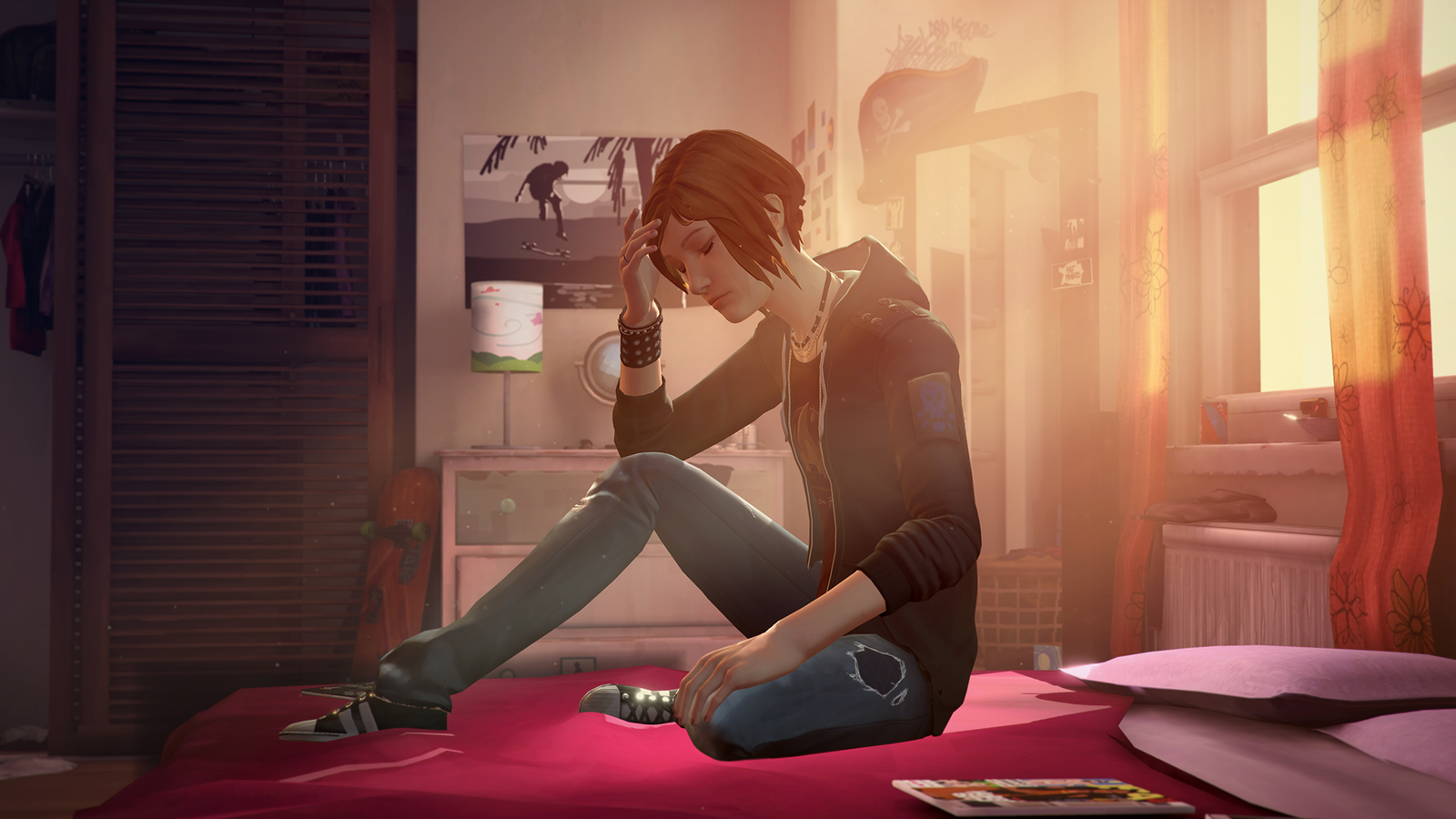
However, the rapid scaling of operations coincided with a seismic shift in the global games industry. Following the post-pandemic market correction, venture capital dried up, publishers became hyper-selective, and consumer spending habits shifted. Don’t Nod found itself caught in a trap common to mid-sized European developers: budgets were rising to meet AAA expectations, but sales figures for original, risk-taking intellectual properties were failing to keep pace.
The financial strain reached a boiling point in mid-2026. According to Don’t Nod’s financial disclosures, total operating revenue for the first half of the year suffered a staggering 56% decline year-over-year. This revenue collapse was compounded by sliding sales across the studio’s catalog and bloated operational expenditures. The release of the sci-fi title Aphelion earlier this year was meant to bolster the studio’s fortunes. While critics praised its central character relationships as a bright spot, overall reception remained heavily polarized, and commercial performance fell drastically short of internal projections.
Now, with cash reserves dwindling and prospective investors turning cautious, Don’t Nod faces a stark window of vulnerability, with operations currently funded only through January 2027.
Supporting Context & Metrics: The Anatomy of a Market Downturn
Don’t Nod’s plight is not happening in a vacuum; it is symptomatic of a broader, systemic crisis sweeping through the interactive entertainment sector. For the past three years, the games industry has weathered waves of mass layoffs, studio closures, and canceled projects. Mid-sized publishers and independent developers—the very ecosystem that fosters creative risk and artistic innovation—have borne the brunt of these pressures.
In its H1 2026 financial report, Don’t Nod explicitly addressed these systemic headwinds, noting that the contemporary video game market is:
“…characterized by highly selective financing and changing conditions for accessing the resources necessary for production development, while commercial success is becoming increasingly difficult to achieve.”
The economics of game development have fundamentally broken down for studios operating outside the mega-budget live-service ecosystem. Consumer attention is increasingly monopolized by legacy franchises and perennial multiplayer giants, leaving single-player, narrative-driven titles fighting for scraps in a crowded marketplace. When a mid-tier game like Aphelion fails to ignite the charts, the financial shockwaves can prove fatal for a studio without a deep-pocketed corporate parent to absorb the losses.
Compounding these market realities are internal structural strains. Don’t Nod’s expansion into international markets—such as its studio in Montreal—while creatively fruitful, introduced complex overhead costs. Maintaining multiple parallel production lines proved unsustainable as financing dried up, forcing management into an impossible corner where radical downsizing became the only theoretical path to survival.

Official Statements and the "Transformation Project"
Faced with the prospect of total liquidation, Don’t Nod leadership has initiated a desperate restructuring maneuver officially dubbed the "transformation project."
The core of this strategy involves a radical contraction and refocusing of the company’s footprint. Rather than spreading resources across multiple international teams and concurrent development pipelines, Don’t Nod plans to consolidate its operations entirely in France around a single, streamlined production line. Management maintains that this minimalist structure will eventually help "maintain a continuous pipeline of projects and support the company’s long-term growth," should they survive the immediate crisis.
However, this corporate restructuring carries a heavy human toll. The transformation plan threatens the elimination of up to 90 positions, sending shockwaves through a workforce already reeling from industry-wide instability. For a studio that has prided itself on creative collaboration and the nurturing artistic voices of its developers, downsizing nearly a third of its workforce marks a tragic retreat from its growth ambitions.
At the center of this survival bid is Project P14, an unannounced game currently in development. P14 was intended to be a cornerstone of Don’t Nod’s future portfolio. Yet, according to the latest financial report, the project has failed to secure adequate external funding despite "expressions of interest" from various quarters. With the clock ticking down to the critical January 31, 2027 deadline, the studio is engaged in a high-stakes, eleventh-hour scramble to lock down financial backing for P14. Without an influx of capital or a surprise publishing deal in the coming weeks, the project—and potentially the studio itself—may never see the light of day.
Future Outlook: A Bitter Irony and an Uncertain Horizon
The irony hanging over Don’t Nod’s headquarters in Paris is almost Shakespearean. At the exact moment its financial viability is hanging by a thread, the studio’s cultural footprint is poised for its widest expansion yet. Next year, Amazon’s Prime Video is scheduled to debut a high-profile television series adaptation based on one of Don’t Nod’s marquee properties. Years of narrative world-building are finally crossing the threshold into mainstream cinematic media—an achievement that, under normal circumstances, would guarantee financial stability and immense brand value.
Instead, executives and developers are bracing for the end.
The next few months will determine whether Don’t Nod can pull off a miraculous financial recovery. If management can secure funding for P14 and successfully execute its painful transformation project, the studio might endure as a leaner, hyper-focused indie developer. If it fails, Aphelion will go down in history not as a misfire, but as the final chapter in the storied history of a visionary creator.
For fans of narrative gaming, the situation serves as a grim reminder of the fragility of the medium. The masterpieces that move us, challenge our perspectives, and stay with us long after the credits roll are built by human beings working in an ecosystem that increasingly punishes artistic risk. As January 2027 draws closer, the gaming world watches with bated breath, hoping against hope that Don’t Nod’s story isn’t reaching its final, unalterable timeline.