Executive Overview
In the fast-paced ecosystem of modern social media, viral dance trends emerge and fade with dizzying velocity. Yet, every so often, a specific choreography captures the collective imagination of the internet, bridging the gap between niche digital communities and mainstream pop culture. The latest iteration of this phenomenon is the "Babydoll" Dance Trend (frequently referred to as the Baby Doll Dance), which exploded across TikTok and Instagram in October 2026.
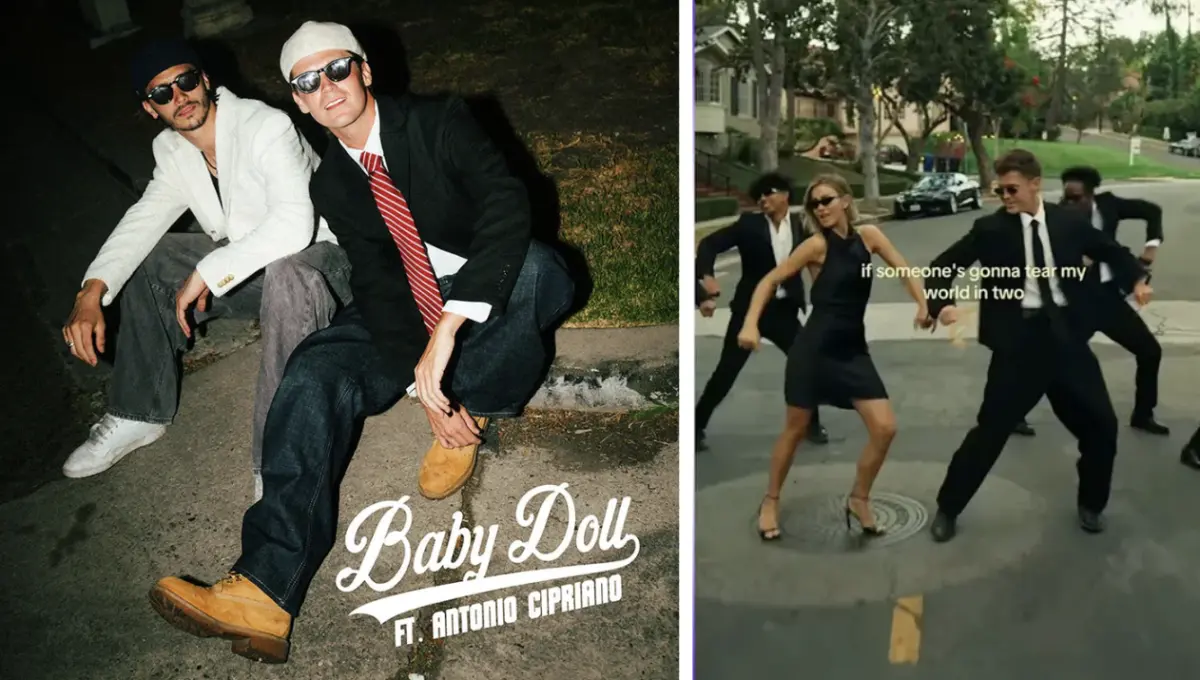
Set to Welsh singer-songwriter and The Voice UK alumnus Jamie Miller’s single "Babydoll"—released on August 7, 2026—the trend centers on an accessible, upbeat two-step routine. Unlike hyper-complex, athletic choreographies that alienate casual users, the "Babydoll" routine relies on beginner-friendly mechanics: chugs, side steps, ball changes, step-touches, expressive arm circles, and a signature shoulder shimmy.
This comprehensive investigative report examines the trajectory of the "Babydoll" dance trend. From its strategic origins by Jamie Miller to its explosive acceleration via organic celebrity endorsement—most notably by actress Jennifer Love Hewitt—and its eventual evolution into a cross-generational internet staple, we analyze how modern music marketing and algorithmic serendipity converge to create a viral sensation.
Detailed Chronology: From Studio to Screen
The Genesis: Jamie Miller and "Babydoll"
The story of the "Babydoll" trend begins long before it dominated social media feeds. Jamie Miller, who first gained widespread recognition as a finalist on The Voice UK, spent much of mid-2026 preparing for the rollout of his latest musical project. On July 24, 2026, roughly two weeks prior to the official single release, Miller utilized TikTok to plant the seeds for what he hoped would become a viral movement.
Sharing an early promotional clip set to a teaser of "Babydoll," Miller demonstrated a lighthearted, easy-to-learn routine designed to invite user replication. While initial traction was modest compared to its later heights, the seed was planted. Within three months, Miller’s foundational preview amassed over 2.9 million views and 322,200 likes, signaling latent demand for uplifting, accessible choreography.
On August 7, 2026, "Babydoll" officially dropped across all major streaming platforms. Eager to maximize the track’s visibility, Miller adopted a multi-platform strategy, posting regular teasers, behind-the-scenes clips, and direct choreography tutorials on YouTube and TikTok. The official music video, premiered on September 18, 2026, via Miller’s official YouTube channel, further anchored the song in the visual medium, pulling in more than 3.2 million views and 43,860 likes within its first month.
The Catalyst: Jennifer Love Hewitt’s Organic Discovery
Despite Miller’s proactive rollout, the transition from a moderately successful artist-led promotion to a bona fide viral phenomenon required an external catalyst. That catalyst arrived in the form of actress Jennifer Love Hewitt.
On August 12, 2026, Hewitt—posting under her TikTok handle @jenniferhallisay—uploaded a video performing a casual piano cover of "Babydoll." Accompanying the post with a caption expressing her joy in playing the track, the video quickly garnered over 152,700 views and 24,200 likes. More importantly, Hewitt’s unprompted endorsement provided the song with significant cultural capital and widened its demographic reach beyond traditional Gen Z TikTok users.
Sensing an opportunity for a high-profile collaboration, Miller and Hewitt united just days later. On August 17, 2026, Miller shared a dance video featuring the actress performing the official "Babydoll" choreography alongside him. The video struck a chord with audiences, pulling in over 2.7 million views and 229,100 likes in less than two months and effectively cementing the dance trend in mainstream internet culture.
Exponential Growth and Mainstream Saturation
Following the collaboration with Hewitt, the "Babydoll" trend entered a phase of exponential, self-sustaining growth. The choreography proved uniquely adaptable, drawing in high-profile creators, families, and everyday users who reinterpreted the steps in various settings.
- Late September Surges: On September 28, 2026, popular TikTok creators @shelbanddyl published their rendition of the dance, which skyrocketed to over 7.6 million views and 671,500 likes within three weeks. Shortly after, on September 30, pop singer Perrie shared a sleepover-themed dance video featuring the track alongside Renae Hughes, accumulating 2.4 million views and 224,500 likes in under three weeks.
- Cross-Generational Appeal: By early October, the trend transcended youth demographics. On October 6, 2026, creator @dadandcloshow posted a video documenting the process of teaching her father the "Babydoll" choreography. The heartwarming clip resonated deeply with audiences, drawing over 2 million views and 159,700 likes in less than two weeks and inspiring a wave of family-oriented recreations.
Supporting Context & Metrics
To fully understand the mechanics of the "Babydoll" dance trend, one must examine the specific quantitative data and structural elements that drove its success across digital platforms.
Core Choreography Breakdown
The durability of any dance trend on TikTok largely depends on its barrier to entry. Complex, hyper-synchronized routines often alienate casual viewers, limiting participation to professional dance troupes. Conversely, the "Babydoll" choreography was engineered for universal accessibility:
- The Foundation (Two-Step): Users begin with a basic lateral two-step, establishing rhythm and lowering coordination hurdles.
- Footwork Transitions: The routine incorporates simple chugs, side steps, ball changes, and step-touches, allowing users of varying physical abilities to participate.
- Upper Body Flourishes: The dance culminates in expressive arm circles and a playful shoulder shimmy, giving creators an opportunity to inject personality and humor into their performances.
Quantitative Performance Metrics Table
| Content / Creator | Platform | Date Published | Key Metric (Views) | Key Metric (Likes) | Impact Significance |
|---|---|---|---|---|---|
| Jamie Miller (Teaser) | TikTok | July 24, 2026 | 2.9 Million | 322,200 | Established initial baseline choreography. |
| Jennifer Love Hewitt (Piano Cover) | TikTok | August 12, 2026 | 152,700 | 24,200 | Sparked organic celebrity crossover interest. |
| Jamie Miller & Jennifer Love Hewitt | TikTok | August 17, 2026 | 2.7 Million | 229,100 | Validated the trend for mainstream media pickup. |
| @shelbanddyl | TikTok | September 28, 2026 | 7.6 Million | 671,500 | Triggered widespread viral saturation phase. |
| Perrie & Renae Hughes | TikTok | September 30, 2026 | 2.4 Million | 224,500 | Expanded reach into the pop music influencer sphere. |
| @dadandcloshow | TikTok | October 6, 2026 | 2.0 Million | 159,700 | Pioneered the cross-generational family sub-trend. |
Official Statements & Industry Perspective
While neither Jamie Miller nor his management team released formal press statements regarding the day-to-day metrics of the trend, their digital footprint reflects a calculated approach to modern music promotion. By actively engaging with early creators, participating in duets, and leveraging cross-platform releases between YouTube and TikTok, Miller’s team demonstrated an acute understanding of algorithmic promotion.
Music industry analysts have increasingly pointed to campaigns like "Babydoll" as the gold standard for contemporary single releases. In an era where traditional radio play holds dwindling sway over younger demographics, pairing an earworm track with a low-friction, highly replicable dance routine has become an essential tool for label executives. By relinquishing rigid control over the intellectual property and encouraging user-generated variations—such as the "Couch Potato" adaptation popularized by creator @daddyandcarly or biker-themed renditions by @stxvxntran—the creators of the trend fostered an environment of radical inclusivity.
Future Outlook: The Legacy of "Babydoll"
As search interest and platform metrics stabilize following its peak in October 2026, the "Babydoll" dance trend offers valuable insights into the future of digital entertainment and music marketing.
- The Death of Gatekeeping: Modern viral dances thrive not on technical perfection, but on emotional resonance and approachability. Future artists looking to break through industry noise will likely continue prioritizing beginner-friendly choreographies that invite adaptation rather than imitation.
- Cross-Generational Digital Spaces: The success of family-focused videos within the "Babydoll" trend underscores a broader shift in social media consumption. Platforms like TikTok are no longer isolated youth enclaves; instead, they function as intergenerational town squares where shared activities bridge age gaps.
- Long-Term Career Viability for Independent Acts: For Jamie Miller, the viral success of "Babydoll" transitions far beyond transient algorithmic fame. By converting digital impressions into permanent streams, YouTube views, and cross-platform followers, the trend has successfully fortified his career independent of traditional gatekeepers.
In summary, the "Babydoll" dance trend stands as a testament to the power of joyous, collaborative digital expression. By combining an infectious melody with inclusive choreography and serendipitous celebrity amplification, the trend captured the zeitgeist of late 2026, leaving an indelible mark on the digital landscape.