By the Investigative Desk
Published: Autumn 2026
Executive Overview
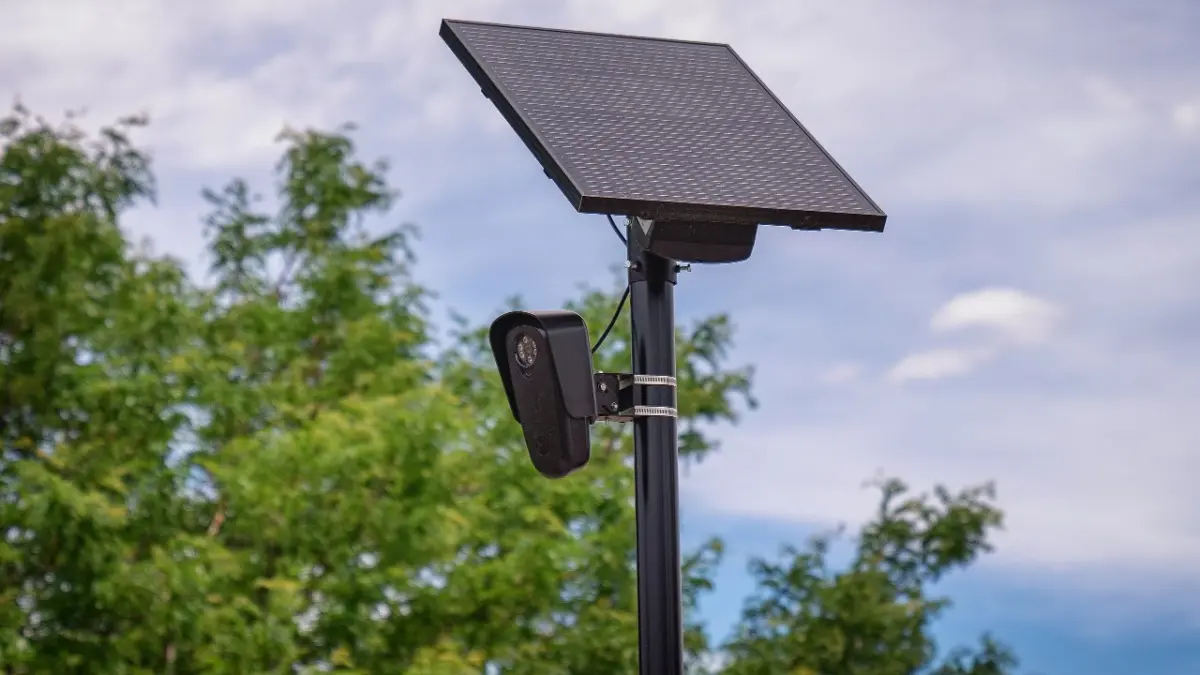
In an era defined by rapid technological integration and the relentless erosion of digital privacy, few controversies have galvanized the American public quite like the proliferation of automated surveillance infrastructure. At the center of this storm are Flock Cameras—AI-powered automated license plate readers (ALPRs) and traffic monitoring systems manufactured by Flock Safety. Originally marketed to law enforcement agencies as an innocuous tool for recovering stolen vehicles and apprehending fleeing suspects, these devices have evolved into something far more pervasive: a de facto mass surveillance grid capable of tracking the precise movements of everyday citizens in real time.
What began as localized complaints over municipal overreach has snowballed into a sweeping cultural and physical resistance movement. By 2025 and 2026, public pushback graduated from online discourse to civil disobedience and, increasingly, direct action. From viral TikTok tutorials detailing how to disable the hardware to the viral mobilization of the "De-Flock America" campaign—a coordinated effort encouraging citizens to take down cameras under the cover of Halloween costumes—the backlash against Flock Safety reflects deep-seated anxieties regarding the convergence of artificial intelligence, policing, and civil liberties.
This report provides an in-depth examination of the rise of Flock Safety, the systemic vulnerabilities and privacy violations that exposed the network to public scrutiny, the viral online ecosystem driving the backlash, and the escalating physical conflict between anti-surveillance activists and law enforcement.
Detailed Chronology: From Atlanta Startup to National Surveillance Grid
2017–2018: Foundation and Initial Deployment
Flock Safety was founded in Atlanta, Georgia, in 2017 with a deceptively simple mission: to eliminate crime through the deployment of interconnected technology. By 2018, the company began aggressively supplying police departments and neighborhood associations with its proprietary hardware. Unlike traditional, bulky traffic cameras, Flock units were designed to be sleek, solar- or battery-powered, and easily mounted onto existing utility poles.
These devices were engineered to capture high-resolution imagery of every passing vehicle, documenting critical metadata including make, model, color, license plate number, direction of travel, and precise timestamping. This data was then funneled directly into centralized, cloud-accessible databases searchable by law enforcement personnel across municipal and state lines.
August 2025: The AI Upgrade and the Condor Camera
The trajectory of the controversy shifted dramatically in August 2025, when Flock Security announced a major technological pivot: the integration of advanced artificial intelligence into its police-grade camera network. The centerpiece of this rollout was the "Condor" camera system. Equipped with cutting-edge AI, the Condor was capable of dynamic pan, tilt, and zoom (PTZ) functionalities.
Rather than merely logging passing traffic, the AI-enhanced units could autonomously zoom in on minute details, track specific vehicles across disparate sectors, and theoretically distinguish between different demographic markers or vehicle modifications. For privacy advocates, this upgrade crossed a critical Rubicon, transforming passive data collectors into active, intelligent trackers.
Late 2025: Security Vulnerabilities Exposed
Public anxiety intensified exponentially on December 22, 2025, when prominent investigative YouTuber Benn Jordan published an explosive exposé. Jordan revealed that he had successfully gained unauthorized access to live footage from numerous Flock cameras across the country by exploiting a fundamental security vulnerability in the system’s architecture.
Jordan’s investigation uncovered staggering systemic flaws:
- Unencrypted Data Streams: Much of the data transmitted and stored by the network lacked basic cryptographic safeguards.
- Intrusive AI Capabilities: Jordan demonstrated how the AI tools could be leveraged not just to read plates, but to zoom in so closely on passing vehicles that the screens of mobile phones held by drivers and passengers could be visually discerned.
- Stalking and Tracking Potential: The video provided a step-by-step masterclass in how a malicious actor—or a compromised law enforcement login—could track an individual citizen’s daily routines entirely through unsecured camera feeds.
The video struck a chord with the public, accumulating over 1.4 million views within eight months and cementing public distrust in the security and accountability of private surveillance contractors.
2026: The Year of Physical Backlash
As public awareness peaked through viral media, the discourse transitioned rapidly from digital outrage to physical vandalism. Throughout 2026, reports of damaged, spray-painted, and outright demolished Flock cameras surged across the United States.
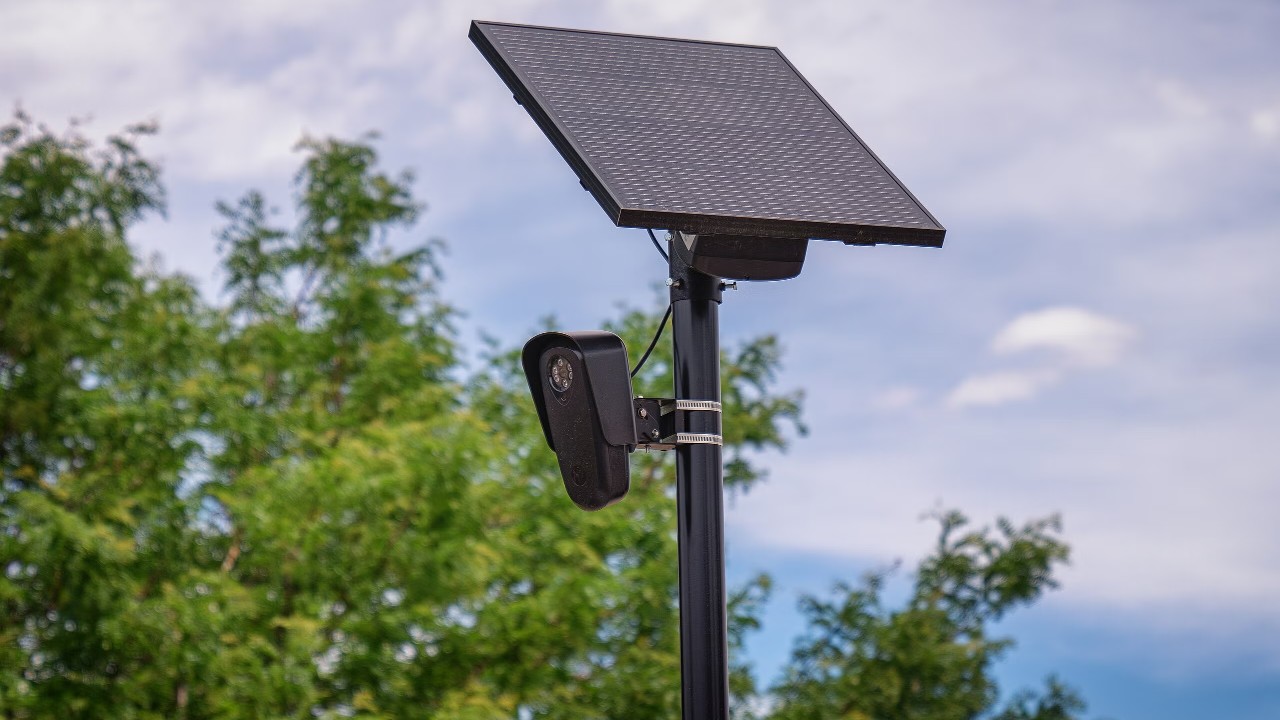
- August 26, 2026: Law enforcement in Chester County, South Carolina, arrested three teenagers in connection with the systematic destruction of a local Flock camera, signaling that the resistance had permeated suburban and rural youth culture.
- Parallel Scandals: Compounding the public relations crisis for Flock Safety, simultaneous reports emerged detailing the abuse of the surveillance apparatus by those sworn to uphold the law. Most notably, a police officer was arrested for utilizing the Flock database to stalk an ex-girlfriend, validating activists’ worst fears regarding insider threats and warrantless tracking.
Supporting Context & Metrics: The Viral Resistance Ecosystem
The backlash against Flock cameras has not remained confined to isolated acts of vandalism; it has birthed a sophisticated, decentralized digital counter-culture. Social media platforms have played a pivotal role in organizing dissent, sharing tactical information, and popularizing anti-surveillance aesthetics.
TikTok, Instagram, and the Mechanics of "De-Flooking"
By mid-2026, instructional videos detailing how to neutralize automated cameras flooded mainstream algorithmic feeds:
- The Wildfire Cover: On July 16, 2026, TikTok user
@nomark.projectpublished a video documenting the systematic destruction of Flock cameras under the atmospheric cover of wildfire smoke in Minnesota. The video went viral, amassing over 5.5 million views in a single month and sparking a wave of imitators using the hashtag#deflock. - Tactical Tutorials: On July 25, 2026, Instagram user
sean_gatzposted a comprehensive visual tutorial outlining the physical vulnerabilities of Flock hardware, generating over 4 million views. - Meme Culture: The absurdity of the surveillance state has similarly permeated internet humor. On August 3, 2026, X user
@cowdealerposted a satirical "Pepe Silvia"-style meme highlighting an underground subculture: a drug dealer mapping out complex daily commutes specifically designed to evade every Flock camera in his region. The post earned over 171,000 likes, underscoring how avoiding the surveillance grid has entered popular folklore.
The "De-Flock America" Campaign
The culmination of this online organizing manifested in the "De-Flock America" campaign, which gained massive traction in August 2026. Championed across TikTok by accounts like @nowthisimpact—whose coverage garnered nearly three-quarters of a million likes within days—the movement issued a specific call to action: disable Flock cameras en masse on Halloween night 2026.
The campaign’s tactical brilliance lay in its exploitation of the holiday itself, suggesting that participants use costumes and masks not merely for celebration, but as practical anonymity tools to evade facial recognition and municipal security cameras while neutralizing the automated readers.
Official Statements and Institutional Response
The rapid escalation of the anti-Flock movement has placed immense pressure on both municipal governments and Flock Safety executives to defend the technology while attempting to mitigate public relations disasters.
Flock Safety’s Position
Representatives for Flock Safety have consistently maintained that the company’s primary objective is public safety and the reduction of crime. In official press releases and statements issued following the 2025 AI rollouts, the company emphasized that its systems are deployed strictly under the authorization of local governments and law enforcement agencies. Flock has reiterated that data governance policies strictly prohibit unauthorized use, pointing out that individual agencies bear the responsibility for setting retention schedules and access controls.
Regarding security vulnerabilities exposed by independent researchers like Benn Jordan, Flock Safety officials asserted that patches were promptly deployed to address structural weaknesses, downplaying the long-term risk of widespread data exposure.
Law Enforcement and Civil Liberties Advocates
Law enforcement agencies that have adopted the technology defend it as an indispensable force multiplier. Chiefs of police across multiple states argue that automated license plate readers allow departments—often suffering from severe staffing shortages—to solve violent crimes, locate missing children, and recover stolen property with unprecedented efficiency.
Conversely, civil liberties organizations, including the American Civil Liberties Union ( ACLU ), have pushed back aggressively. Critics point out that while police departments frequently claim warrants are required for prolonged monitoring, the reality on the ground often involves lax oversight where officers can query databases based on vague "investigative interest" rather than probable cause. The ease with which the system can be abused—highlighted by incidents of stalking and unauthorized personal lookups—has led legal scholars to argue that ALPR networks violate the Fourth Amendment protections against unreasonable searches and seizures.
Future Outlook: A Critical Juncture for Municipal Surveillance
As the calendar turns toward late 2026 and the heavily publicized "De-Flock America" Halloween initiative approaches, the conflict between automated municipal surveillance and privacy-conscious citizens has reached a watershed moment.
Several critical trajectories are likely to define the immediate future of the technology:
- Escalating Physical Security Measures: In response to the wave of vandalism and the viral circulation of destruction tutorials, local municipalities and Flock Safety are beginning to retrofit cameras with hardened housings, anti-tamper sensors, and secondary backup monitoring to deter direct action.
- Legislative Pushback: Lawmakers in several states are facing mounting pressure to introduce stringent regulatory frameworks governing ALPR usage, including mandatory data destruction timelines, independent third-party audits, and strict warrant requirements for historical database queries.
- The Normalization of Evasion: Regardless of legislative outcomes, the cultural footprint of the anti-surveillance movement is already permanent. The normalization of route-planning to avoid cameras, the rise of specialized offline communities, and the direct targeting of infrastructure indicate that public trust in automated policing has been fundamentally fractured.
Whether Flock Safety and its law enforcement partners can successfully rehabilitate the public image of AI-driven traffic monitoring remains to be seen. However, one reality is indisputable: the panopticon has been unmasked, and a growing segment of the American public is no longer willing to let it watch in silence.