Executive Overview
Valve has officially unleashed the most significant and transformative patch in the history of its developing MOBA-shooter hybrid, Deadlock. Dubbed "City Never Sleeps," this gargantuan update delivers an extraordinary overhaul that completely redefines the game’s atmosphere, tactical layout, and meta. While Deadlock has spent months operating as a closed, highly secretive playtest, this latest patch signals a massive stride toward a more polished, visually arresting, and mechanically diverse tactical experience.
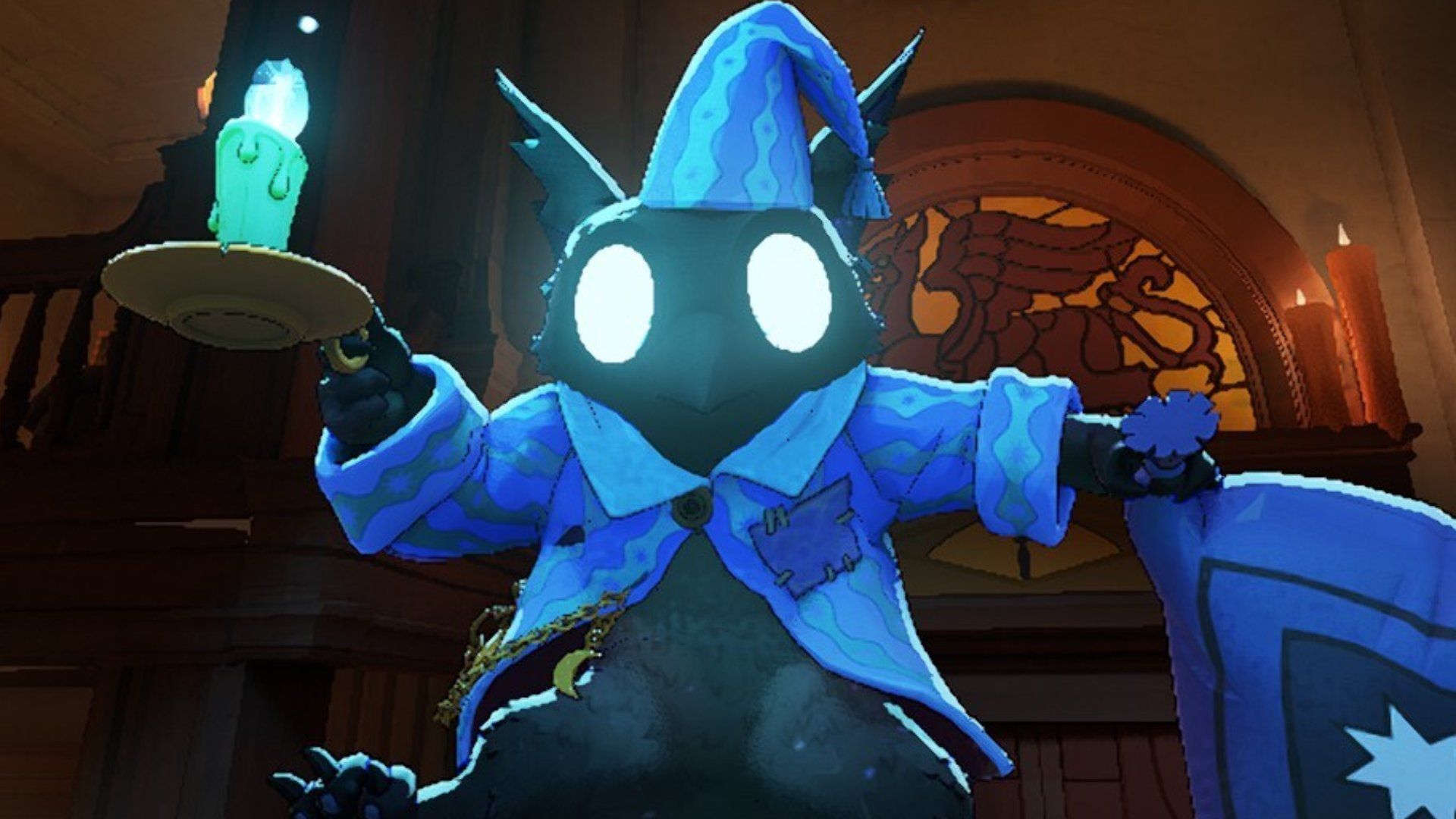
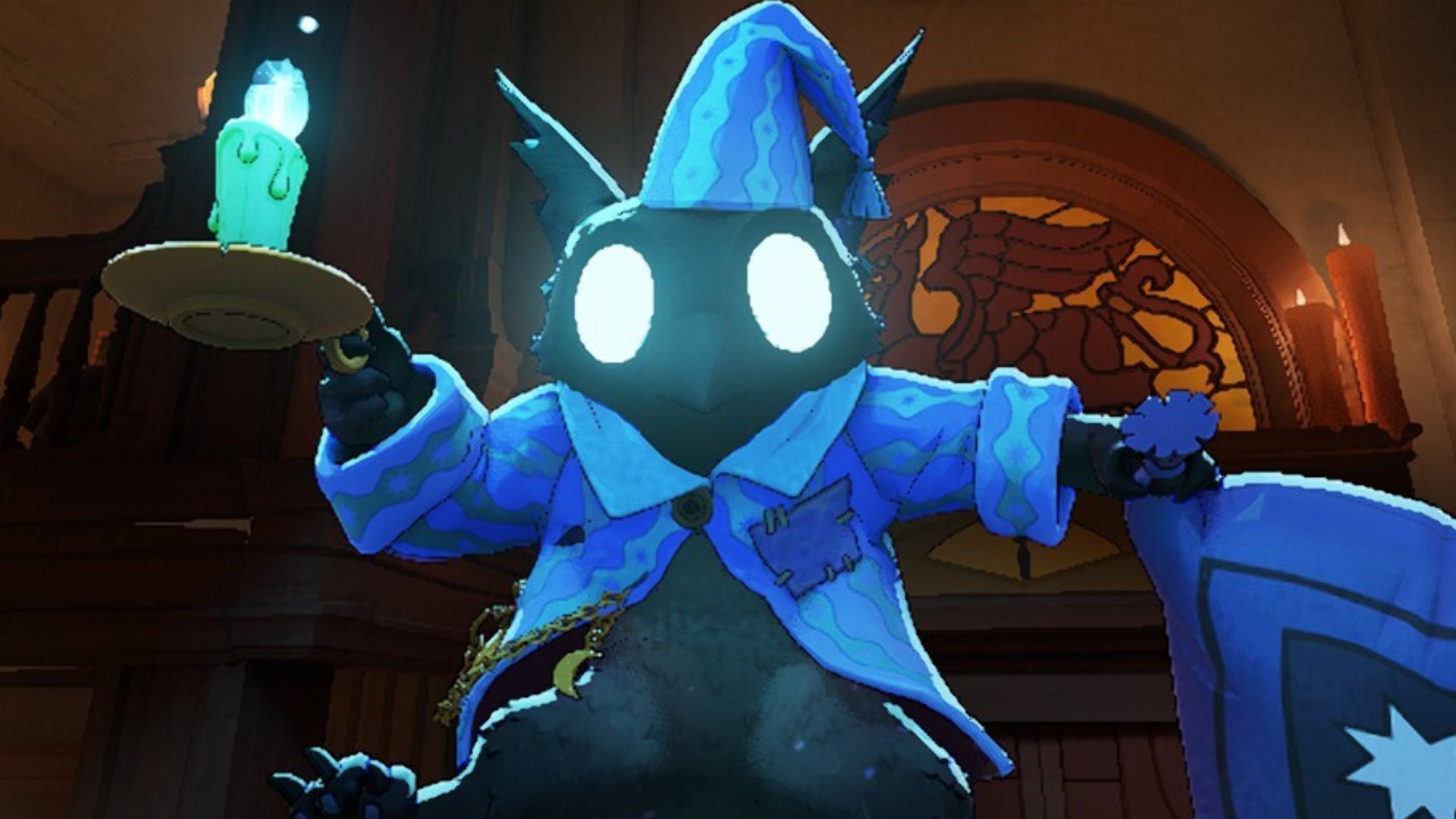
At the center of this update are six brand-new, highly anticipated characters—featuring eccentric additions such as the Rat King—who are currently waiting in the wings to be unlocked via community votes. Alongside the roster expansion, Valve has executed a sweeping, atmospheric visual redesign of the game’s sprawling urban landscape. The update introduces three entirely reworked lanes, four distinct, highly detailed inter-lane districts, a suite of UI reworks, and upwards of 800 new pre-match voice lines that enrich the game’s dense lore and character dynamics.
For a title still technically residing in development, the scale of "City Never Sleeps" demonstrates Valve’s unwavering commitment to aggressive iteration. By blending gothic industrialism, occult undertones, and vibrant street-level design, Deadlock is rapidly evolving from an experimental testbed into a genre-defining powerhouse. This report provides an exhaustive, investigative breakdown of the patch’s contents, exploring the redesigned map architecture, the tactical implications of the new districts, and what this landmark update means for the future of the game.
Detailed Chronology: The Evolution of Deadlock to "City Never Sleeps"
To understand the magnitude of the "City Never Sleeps" update, one must contextualize the rapid, iterative trajectory of Deadlock over the past year. Initially circulating under tight confidentiality agreements and codenames like Citadel, Valve’s latest multiplayer venture slowly emerged into the public consciousness through persistent playtester leaks and gradual expansions of the invite pool.
During its initial testing phases, Deadlock relied on a functional, albeit stark, grey-box aesthetic. The map served its mechanical purpose—facilitating fast-paced vertical movement, zip-line rotations, and intense lane skirmishes—but lacked the stylistic cohesion expected of a finished Valve property. Textures were minimal, lighting was flat, and environmental storytelling took a backseat to core mechanics.
As the player base swelled through community-driven invite waves, Valve began injecting life into the mystical-industrial metropolis. Early visual passes hinted at a 1930s-inspired occult noir setting, blending arcane magic with towering skyscrapers and smoky Victorian-era machinery. However, nothing could prepare the community for the scope of the "City Never Sleeps" patch.
The timeline leading up to this release was marked by increasing community speculation fueled by dataminers discovering references to unreleased heroes, alternative paths, and dynamic environmental events. When Valve finally pushed the update live, it immediately shattered expectations. The transition from the previous iteration to "City Never Sleeps" is not merely a fresh coat of paint; it is a total structural renaissance. The map’s core geometry was altered to accommodate broader playstyles, optimize line-of-sight during intense team fights, and introduce complex navigational hazards and sanctuaries. Concurrently, the rollout of six new heroes—governed by a novel community-voting mechanism—has introduced an unprecedented level of player engagement, turning the meta into a living, breathing democracy.
Supporting Context & Metrics: Architecture of the New Metropolis
The crown jewel of the "City Never Sleeps" update is its breathtaking map overhaul. While the central fortresses of the Hidden King and the Arch Mother remain structurally intact to preserve baseline win conditions and base-defense mechanics, the spaces between these bases have undergone a radical metamorphosis.
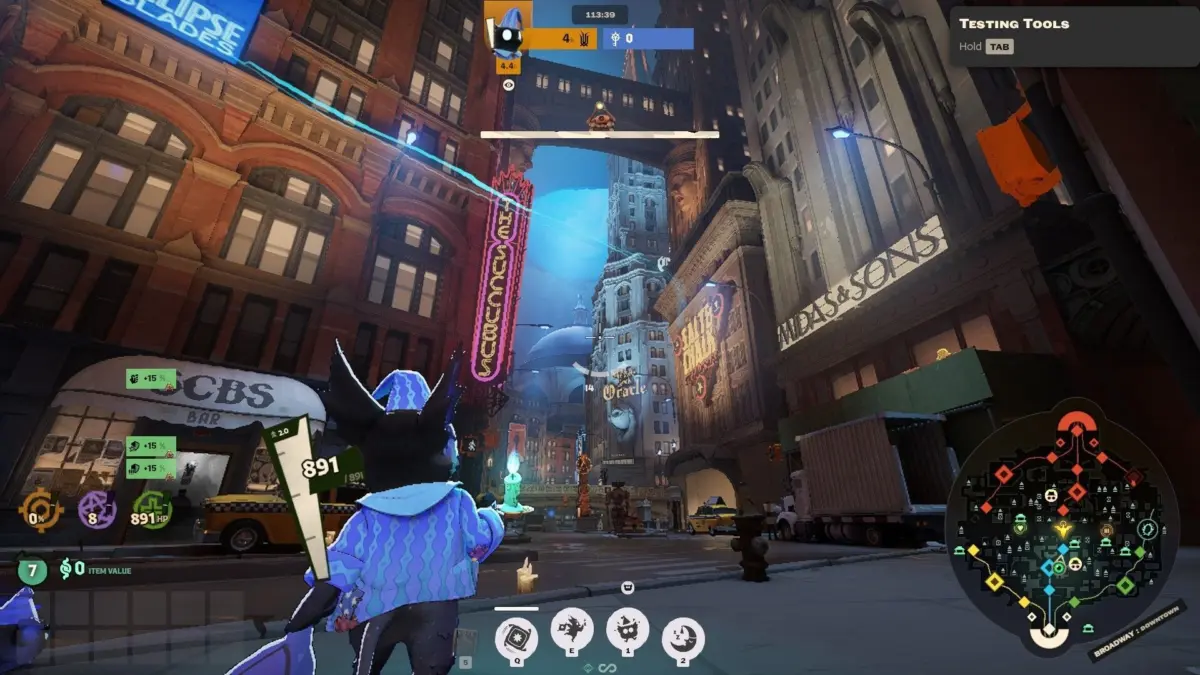
Valve has divided the modernized battleground into three distinct, heavily reworked lanes—York, Broadway, and Greenwich—intertwined with four sprawling, high-stakes districts located in the intermediate zones: The Theatre, Chinatown, The Haunted Lot, and The Plaza.
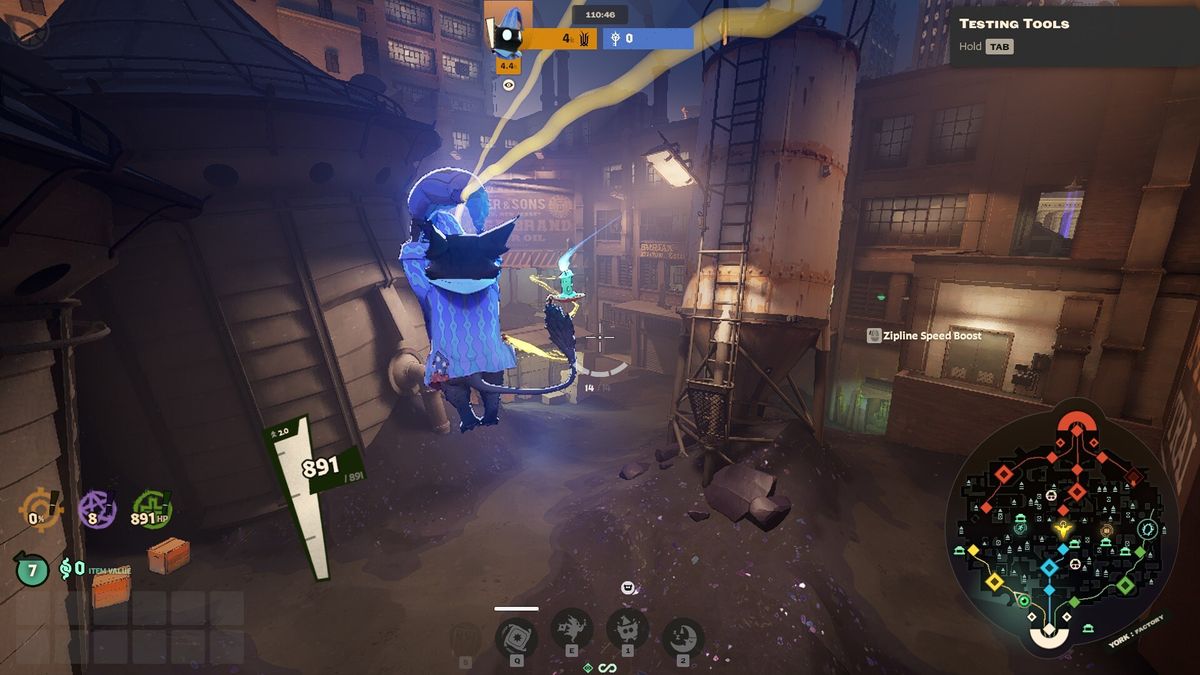
1. York: Industrial Grime Meets Financial Ruin
Retaining the rugged, blue-collar industrialism of earlier map iterations, York has been refined to feature sweeping open spaces without sacrificing its signature grit. The lane encourages long-range engagements and provides flanking routes that reward positional awareness. Most notably, York houses the in-game equivalent of the New York Stock Exchange, situated menacingly close to the Arch Mother’s base. This architectural placement invites aggressive plays and psychological warfare, allowing players to stage devastating sieges against the backdrop of late-stage capitalist decay.
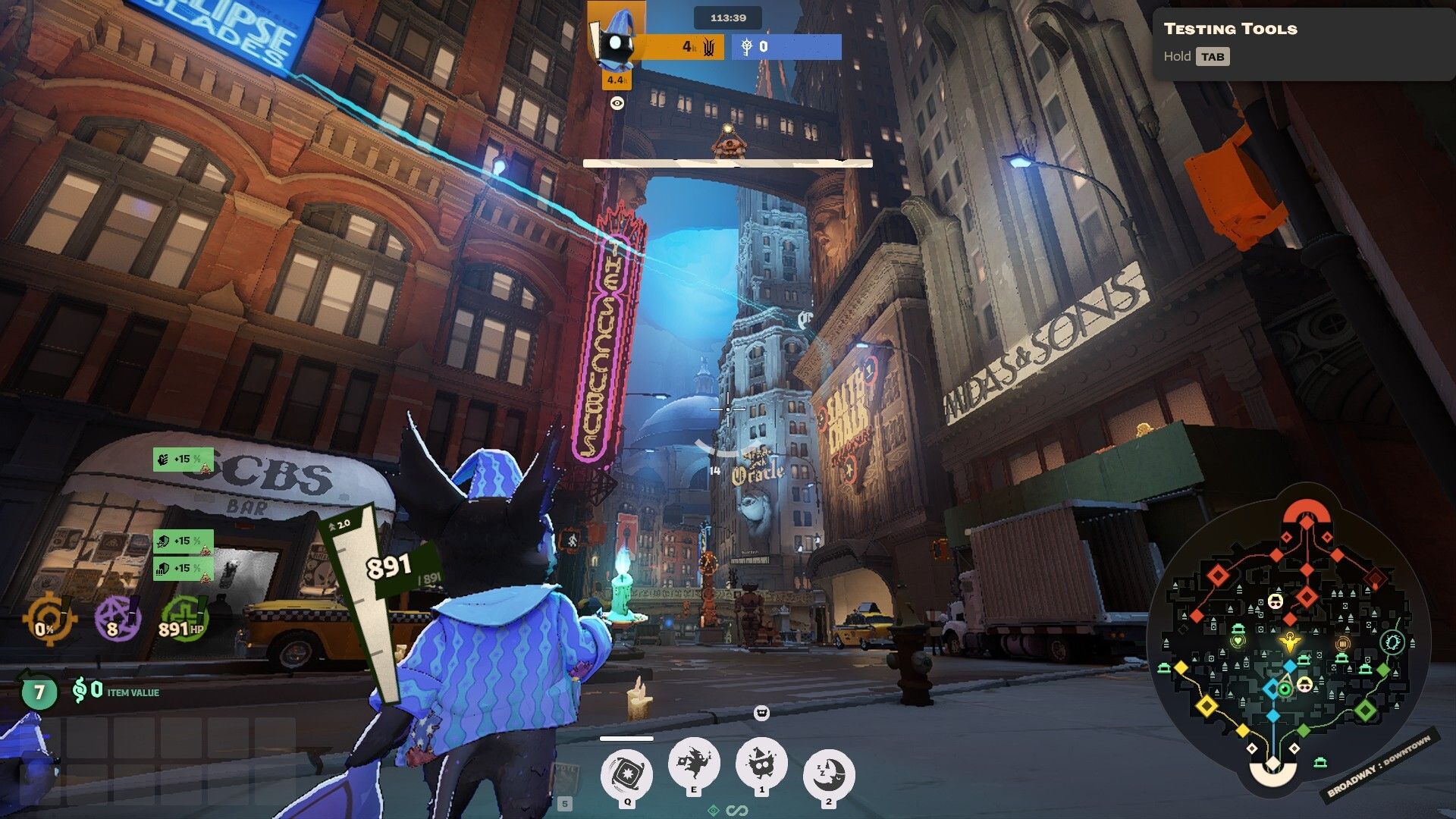
2. Broadway: The Neon-Lit Centerpiece
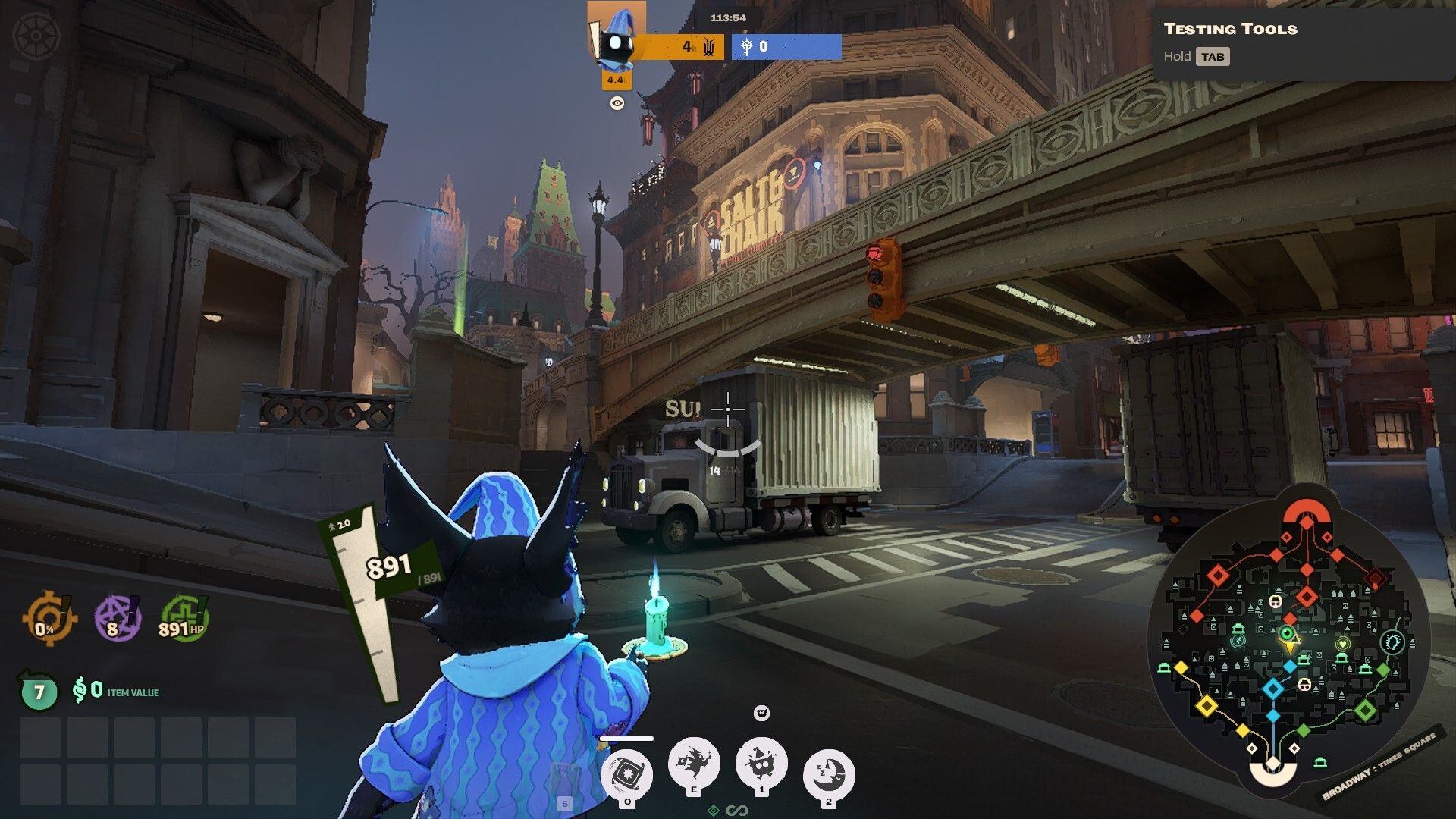
Serving as the primary central lane, Broadway has received the most dramatic visual and mechanical facelift. Transforming into the bustling commercial and cultural hub of the map, Broadway features soaring skyscrapers, flickering neon signage, and a multi-tiered highway system that drastically elevates the verticality of skirmishes.
Crucially, Broadway introduces steam vents—interactive environmental hazards and boons that can conceal advancing combatants while offering minor, temporary health regeneration. This addition fundamentally alters how players contest the mid-lane, introducing elements of stealth and zone control previously absent from open-lane trade-offs.
3. Greenwich: Occult Elegance and Verticality
For players favoring atmospheric beauty over brute-force industrialism, Greenwich stands out as an artistic triumph. Dripping with earthy, witch-like aesthetics, this lane is anchored by a colossal, ancient tree sprawling across the central path. Combatants can scale this arboreal giant to gain supreme vantage points, scout enemy rotations, or simply pause to take in the meticulously crafted foliage and ambient lighting. Greenwich bridges the gap between the game’s occult lore and its urban combat zones, offering unique angles for high-mobility heroes.
4. The Inter-Lane Districts: Theatre, Chinatown, Haunted Lot, and Plaza
Moving away from the linear focus of the lanes, the spaces nestled between them have evolved into dangerous, highly contested wildernesses. The Theatre, Chinatown, The Haunted Lot, and The Plaza serve as secondary gold and objective nodes. Each district is populated by updated neutral creeps ("Haunts") and environmental storytelling elements that deepen the immersion. These districts favor skirmish compositions, rewarding roaming gank squads that can successfully navigate the labyrinthine alleys and multi-story building interiors.
Official Statements & Community Impact
The reception to "City Never Sleeps" has been overwhelmingly positive, reverberating across community hubs, content creator channels, and competitive forums. Players and analysts alike have praised Valve’s willingness to experiment radically with map design during an active, albeit restricted, testing cycle.
Valve’s development philosophy for Deadlock has consistently prioritized transparent iteration alongside community feedback, and this update is no exception. While direct, formal patch notes from Valve continue to be accompanied by the game’s characteristic developmental mystique, community managers and developers have highlighted the update as a proof-of-concept for how the game’s universe will scale.
Content creators and competitive players have expressed particular enthusiasm for the integration of over 800 new pre-match voice lines. Beyond the visual spectacle, these conversational snippets breathe immense personality into the roster, shedding light on faction loyalties, personal rivalries, and the overarching narrative of the occult metropolis. One prominent community analyst noted:
"You’re hyped for Deadlock‘s new heroes and map updates; I’m hyped because of the 800 extra pre-match conversations. They transform these heroes from gameplay avatars into living residents of a city that feels genuinely alive and decaying."
Furthermore, the introduction of six unlockable heroes via community voting has fostered an unprecedented sense of ownership among the player base. Rather than dropping a static roster, Valve has empowered the community to dictate the cadence of the meta, turning character releases into major cultural events within the game’s ecosystem.
Future Outlook: What Lies Ahead for Deadlock?
As the dust settles on the "City Never Sleeps" update, the trajectory of Deadlock points toward an increasingly competitive and polished future. Several critical questions and milestones lie on the horizon as Valve continues to refine its genre-bending
1. The Rollout of the New Roster
With six new heroes queued behind the community-voting system, the competitive meta is poised for tectonic shifts. As each character transitions from concept and community queue into active play, balance teams will face the monumental task of integrating vastly different kits—including eccentric mechanics like those belonging to the Rat King—into an already complex tactical framework.
2. Evolving Esports and Competitive Infrastructure
While Deadlock remains officially in development without a wide-open commercial launch, grassroots competitive scenes and third-party tournaments are already gaining traction. The architectural changes introduced in this update—particularly the lane reworks and district positioning—lay a robust foundation for high-level tactical depth, team coordination, and map control strategies reminiscent of traditional MOBAs, paired with the twitch-reflex demands of third-person shooters.
3. Lore Expansion and Environmental Storytelling
The success of the visual overhauls in York, Broadway, and Greenwich suggests that Valve is leaning heavily into environmental narrative design. Future updates are expected to expand outward from the core bases, potentially introducing new districts, dynamic weather systems, and deeper lore integration that explains the supernatural forces warring over the city.
Conclusion
"City Never Sleeps" is more than a mid-development content drop; it is a definitive statement of intent from Valve. By fusing tight, lane-based tactical gameplay with a breathtakingly realized occult metropolis, Deadlock has elevated itself from an intriguing industry secret into one of the most anticipated upcoming multiplayer experiences in modern gaming. As the community continues to unlock new heroes and master the verticality of Broadway and Greenwich, the city truly comes alive—and the battle for its soul has only just begun.