Executive Overview
In the fast-paced ecosystem of internet culture, viral trends emerge and fade with dizzying velocity. Yet, every so often, a specific digital artifact cuts through the noise to capture the collective imagination of millions. In mid-November 2026, that phenomenon arrived in the form of a whimsical, slightly uncanny augmented reality (AR) tool: the Cabbage Patch Kid Filter—alternatively known as the Baby Face Filter or BabyFace Filter.
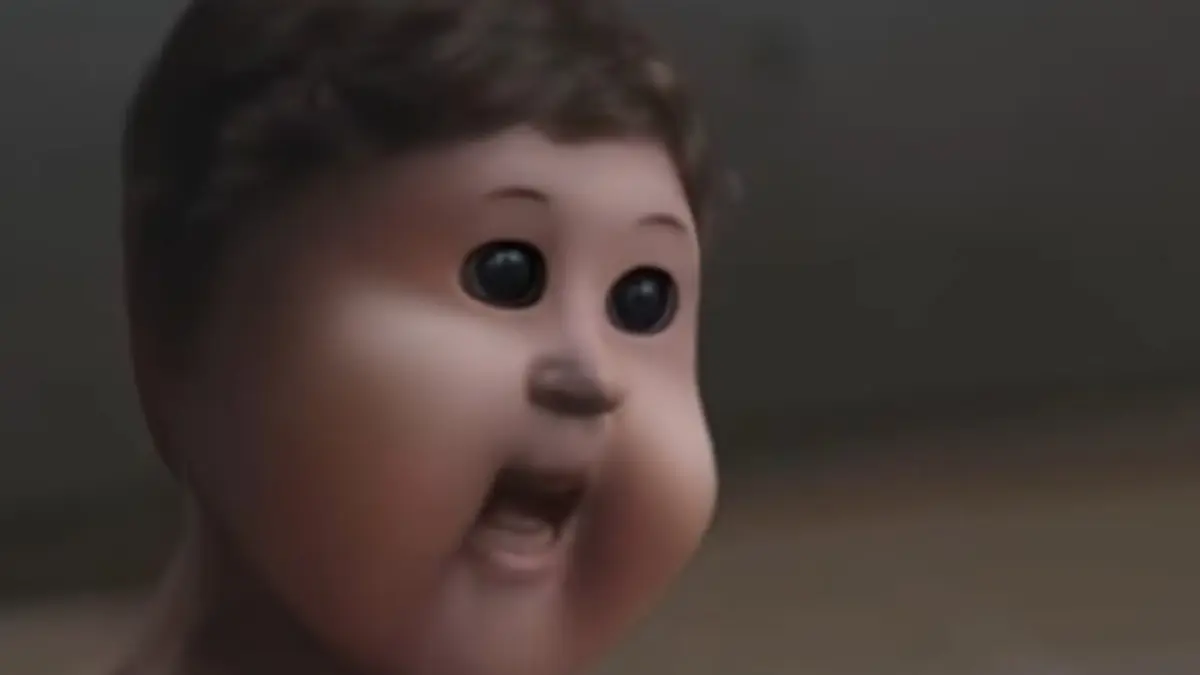
Originally developed as the "ggg11 Lens" on Snapchat by creator Do !!, the filter instantly alters human facial structures. Users and subjects are transformed into living incarnations of classic Cabbage Patch Kids dolls and vintage infant toys, complete with trademark beady eyes, impossibly round cheeks, unnaturally smooth skin, and flattened noses. Compounding the visual humor, the lens frequently pitch-shifts audio, converting normal speech into squeaky, cartoonish tones.
What began as a niche AR novelty rapidly evolved into a cross-platform digital tidal wave, sweeping through TikTok in November 2026. The trend manifested in two primary ways: first, as a cinematic vandalism tool where creators applied the lens to intense, dramatic scenes from beloved movies and television shows; and second, as a relatable meme format poking fun at the inherent lack of intimidation possessed by "baby-faced" individuals attempting to display genuine anger.
This comprehensive report explores the origins, rapid dissemination, cultural resonance, and quantitative metrics behind the Cabbage Patch Kid Filter phenomenon, offering a definitive investigative look at one of late 2026’s defining internet trends.
Detailed Chronology
The Genesis: Unveiling the "ggg11 Lens"
While augmented reality filters designed to alter human faces are as old as Snapchat itself, few achieve the specific uncanny-valley perfection required to spark organic, viral distribution. The journey of the Baby Face Filter began quietly within Snapchat’s expansive creator ecosystem. Authored by developer Do !!, the "ggg11 Lens" was crafted with a distinct design philosophy: rather than merely beautifying or subtly distorting features, it aggressively remapped the human face to mimic the iconic, nostalgic aesthetic of 1980s soft-sculpture dolls.
By shrinking the eyes, puffing out the cheeks to spherical proportions, wiping away blemishes for an eerily porcelain-smooth complexion, and compressing the nasal bridge, the filter struck a delicate balance between humorous, cute, and delightfully disturbing.
Early Adoption and the Spark on TikTok (November 9, 2026)
It did not take long for users to realize that applying this severe aesthetic transformation to serious, dramatic contexts yielded exceptional comedic results. Cross-platform sharing between Snapchat and TikTok catalyzed the trend’s initial breakout.
On November 9th, 2026, TikTok user @kal6969697 uploaded one of the earliest documented instances of the trend. By recording a screen playing dramatic media while deploying the "ggg11" Snapchat filter over the characters’ faces, @kal6969697 tapped into a vein of absurdist humor that resonated deeply with algorithm-driven feeds. The post quickly gained traction, accumulating over 380,000 views within its first week online and serving as the foundational blueprint for hundreds of subsequent copycat videos.
Escalation and Cinematic Diversification (November 11, 2026)
As the week progressed, the sophistication and variety of the trend expanded exponentially. Creators began searching for the most gritty, high-stakes cinematic moments available to subvert with the innocent, plump-cheeked visage of a Cabbage Patch doll.
On November 11th, 2026, TikTok creator @etmg_123 published a video applying the Baby Face Filter to a tense scene from the thriller project Obsession. The stark contrast between the characters’ grave, life-or-death dialogue and their newly infantile, doll-like appearances proved magnetic for viewers. The video crossed 434,000 views in just six days.
Later that same day, the trend achieved true mainstream escape velocity when creator @tristanthetyranika targeted one of the internet’s most recognizable recent touchstones: the "I Am A Surgeon" meme, derived from The Good Doctor. By superimposing the Cabbage Patch Kid aesthetic over Dr. Han’s famously intense expressions, the video struck a chord with meme enthusiasts worldwide. The post exploded, racing to an astonishing 4.8 million views in under a week and cementing the filter as a premier vehicle for satirical video editing.
The Evolution into Relatable Behavioral Memes (November 16, 2026)
By mid-November, the trend had matured past simple cinematic overhauls. Creators began leveraging the filter’s innate comedic visual dissonance to comment on real-world human behavior.
On November 16th, 2026, TikToker @edwin_2cold shifted the trend’s focus toward personal anecdote and observational comedy. Publishing a skit utilizing the filter to mock individuals cursed with permanent "baby faces"—and the utter futility of trying to look menacing or authoritative while experiencing genuine rage—@edwin_2cold captured a universal social frustration. The clip struck a nerve, pulling in over 650,000 views in a single 24-hour window and demonstrating the filter’s versatility as an emotional amplifier.
Supporting Context & Metrics
Quantitative Breakdown of Viral Impact
The velocity of the Cabbage Patch Kid Filter trend can be accurately mapped through platform engagement metrics collected across its primary growth window from November 9th to November 17th, 2026.
- Initial Discovery Phase (Nov 9): Pioneered by @kal6969697, initial baseline metrics showed rapid organic discovery, hitting 380,000+ views within seven days.
- Media Saturation Phase (Nov 11): Cinematic adaptations such as @etmg_123’s Obsession edit secured 434,000+ views in six days, while high-profile meme integration via @tristanthetyranika’s "I Am A Surgeon" edit shattered previous benchmarks, vaulting past 4.8 million views in the same timeframe.
- Behavioral Saturation Phase (Nov 16): Observational comedy entries, exemplified by @edwin_2cold, proved that the trend had successfully transitioned from media parody to social commentary, amassing 650,000+ views in just one day.
The Psychology of Uncanny Comedy
Media analysts and digital culture researchers point to the phenomenon of "incongruity resolution" to explain the massive success of the Baby Face Filter. Human beings are biologically hardwired to read emotional cues from facial structures—specifically micro-expressions, eye contact, and jaw tension.
When high-stakes drama (such as a medical emergency or a cinematic confrontation) is juxtaposed with the benign, vacant, yet cheerful expression of a 1980s infant doll, the brain experiences a cognitive short circuit. The resulting humor releases tension, making the content highly shareable. Furthermore, the pitch-shifting audio element adds an auditory layer of subversion, ensuring that even if a viewer scrolls past the visual, the unexpected vocal delivery commands immediate attention.
Official Statements
While internet trends of this nature are rarely coordinated by corporate entities or public institutions, the sudden surge in popularity for the "ggg11 Lens" prompted minor commentary from digital culture monitors and underscored the ongoing power of independent AR creators within major social ecosystems.
"The success of lenses like ‘ggg11’ highlights a fascinating shift in how modern audiences consume media," notes digital media analyst Dr. Aris Thorne. "Audiences no longer want passive entertainment; they demand participatory irony. By taking pre-existing cultural touchstones—whether it’s prestige television or viral platform memes—and forcing them through an absurdist, nostalgic filter, creators are actively co-authoring the internet’s pop-culture canon."
Snapchat platform representatives have similarly observed an uptick in cross-platform engagement driven by independent lens creators, noting that tools designed for personal amusement frequently find a second life as cinematic storytelling devices in the hands of creative TikTok communities.
Future Outlook
As November 2026 draws to a close, the question facing digital anthropologists and trend forecasters is whether the Cabbage Patch Kid Filter will achieve lasting longevity or burn out as a seasonal flash-in-the-pan.
Historically, highly specific visual filters face a predictable lifecycle: initial discovery, rapid saturation through pop-culture parody, peak mainstream adaptation, and eventual fatigue as users exhaust the comedic possibilities of the underlying mechanic. However, the dual-track nature of the Baby Face Filter—its ability to function both as an edit tool for pre-recorded cinema and as a performance-art prop for original sketches—grants it a structural resilience that simpler, single-use lenses lack.
Looking ahead, we can expect two distinct trajectories:
- Platform Standardization: Major social platforms will likely study the mechanics of the "ggg11 Lens" to integrate native multi-media face-swapping tools directly into their editing suites, removing the friction of moving assets between Snapchat and TikTok.
- The Next Aesthetic Revival: The cultural hunger for 1980s and 1990s nostalgic iconography shows no signs of abating. The massive engagement numbers logged by the Cabbage Patch Kid aesthetic prove that contemporary audiences are eager to mash up vintage tactile nostalgia with hyper-modern digital manipulation.
Ultimately, the Cabbage Patch Kid Filter trend serves as a masterclass in modern viral engineering. By leveraging absurdity, nostalgia, and cross-platform synergy, a simple AR lens transformed millions of feeds into a surreal playground of infant-faced movie stars and furious baby-faced citizens—leaving an indelible mark on the digital landscape of late 2026.