Executive Overview
When Microsoft closed its historic, multi-billion-dollar acquisition of Activision Blizzard, the gaming industry anticipated a seismic shift. For millions of subscribers, the central promise of the deal was simple and alluring: the vast, legendary catalogue of Call of Duty titles would finally find a permanent home on Xbox Game Pass.
Yet, as the gaming community prepares for the launch of Call of Duty: Modern Warfare 4, a glaring discrepancy exists between consumer expectations and reality. Despite owning the franchise, Microsoft has managed only a sparse, highly selective rollout of legacy titles to its flagship subscription service. Many of the most influential, culturally defining first-person shooters in gaming history remain stranded behind traditional paywalls.
This oversight is more than just a minor inconvenience for nostalgia-driven players; it represents a missed opportunity in digital preservation, community building, and subscription value. Examining the eight most notable Call of Duty games missing from Xbox Game Pass reveals a frustrating gap in Microsoft’s curation strategy—one that leaves newer generations of players entirely unaware of the foundations upon which today’s multi-billion-dollar juggernaut was built.
Detailed Chronology: The Evolution of a Giant and Its Missing Chapters
The historical trajectory of Call of Duty is defined by daring creative risks, stylistic pivots, and technological breakthroughs. The titles missing from Xbox Game Pass trace a fascinating historical timeline of the medium itself, moving from the gritty battlefields of the mid-20th century to the outer reaches of the solar system.

1. The World War II Genesis & The Birth of Zombies
- Call of Duty: World at War (Nov. 10, 2008)
- Call of Duty: Modern Warfare Remastered (June 27, 2017)
Before the series conquered modern combat, World at War (developed by Treyarch) grounded players once more in the brutal theater of World War II. While its campaign was celebrated for its uncompromising depiction of the Eastern Front, the game’s true legacy is accidental: the introduction of the cooperative Nazi Zombies mode. Born out of a hidden minigame, this horde-survival mode became a cultural phenomenon, eventually transforming into a foundational pillar of the entire franchise.
A year prior to World at War, Infinity Ward’s 2007 release of Call of Duty 4: Modern Warfare (later polished as Modern Warfare Remastered) permanently altered the landscape of competitive shooters. By shifting the setting to the modern era, the studio introduced cinematic storytelling tropes, tactical loadouts, and a revolutionary multiplayer loop that dictated design philosophies for the next decade. The absence of these two definitive historical milestones from Game Pass is a severe omission for any player looking to understand how the medium evolved.
2. The Golden Age of Innovation and Narrative Risks
- Call of Duty: Modern Warfare 2 Campaign Remastered (Apr. 30, 2020)
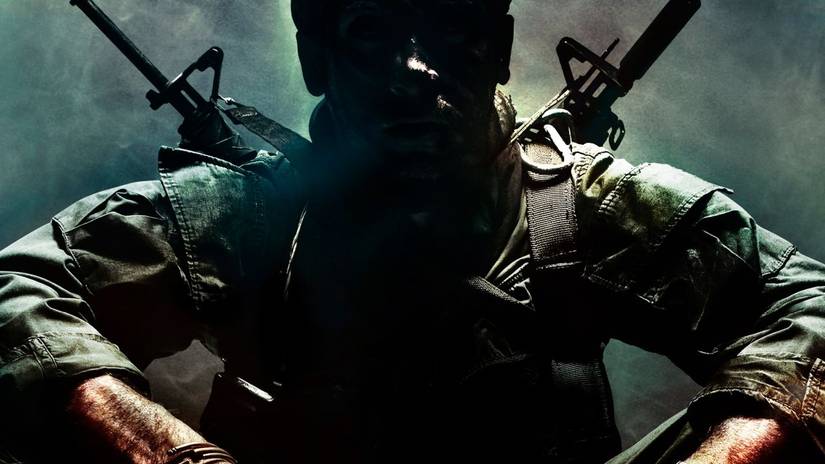
- Call of Duty: Black Ops (Nov. 9, 2010)
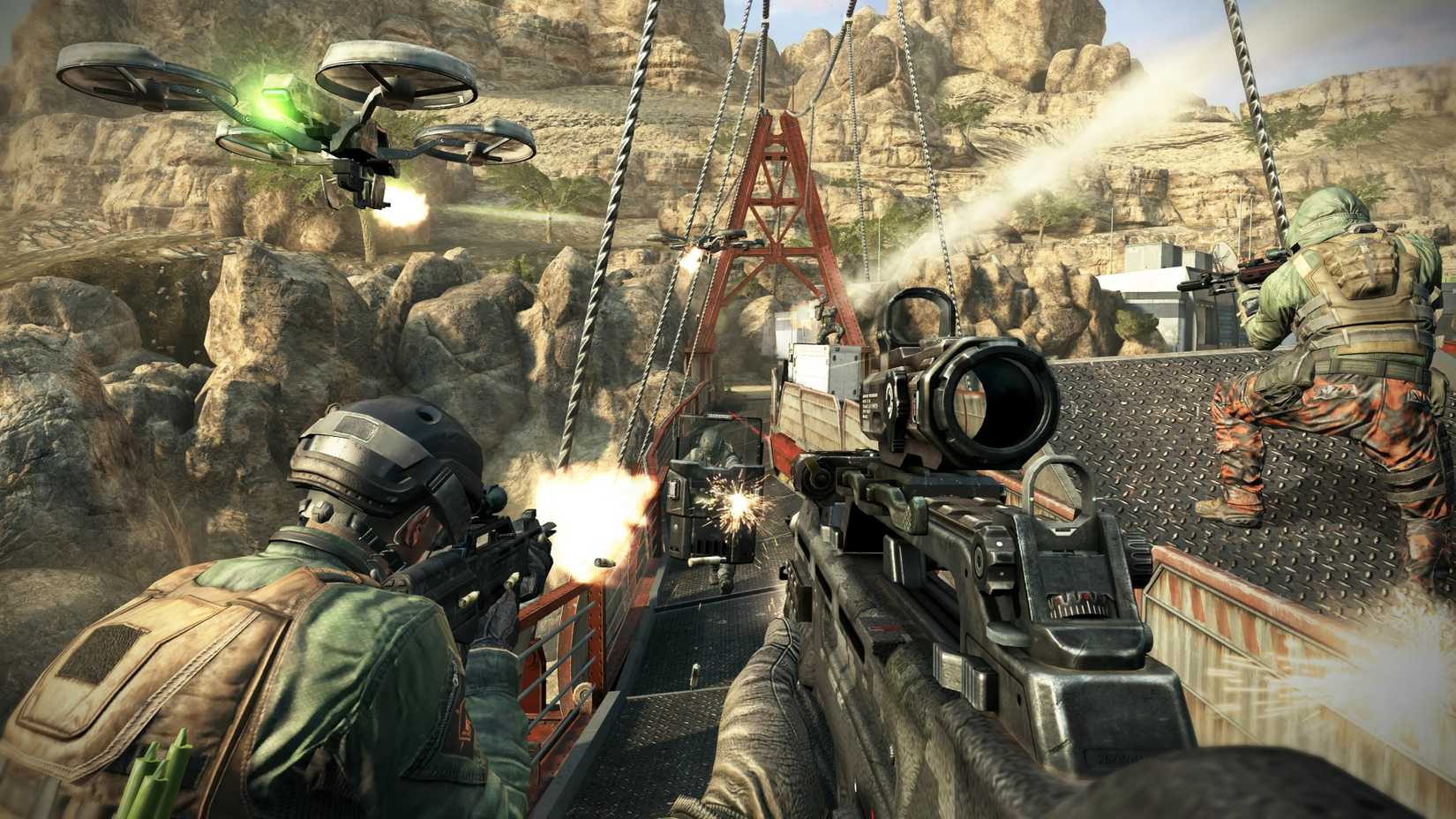
- Call of Duty: Black Ops 2 (Nov. 13, 2012)
The early 2010s represented the creative peak of the Call of Duty franchise. Modern Warfare 2 pushed boundaries with controversial, headline-grabbing narrative beats like the "No Russian" mission, while treating players to a Hans Zimmer-scored blockbuster campaign and the addictive tactical nuke mechanic in multiplayer.
Simultaneously, Treyarch was cementing its status as a premier developer. Black Ops injected cold war paranoia and psychological thrills into the series, while Black Ops 2 took unprecedented narrative risks. Featuring a branching storyline with multiple endings, a dual-timeline setup bridging the Cold War and a speculative 2025, and legendary multiplayer map design (Raid, Slums, Hijacked), Black Ops 2 remains widely regarded as the pinnacle of the franchise. Yet, none of these masterclasses are accessible via Game Pass.

3. Experimental Horizons and Future Warfare
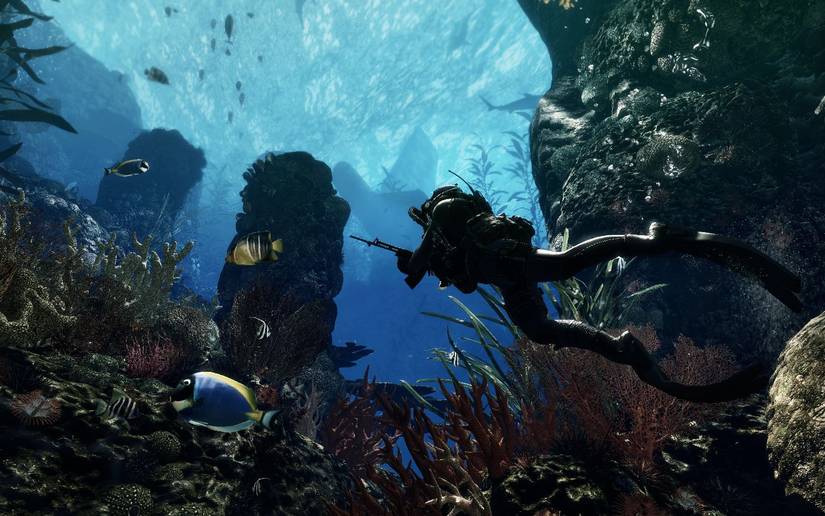
- Call of Duty: Ghosts (Nov. 4, 2013)
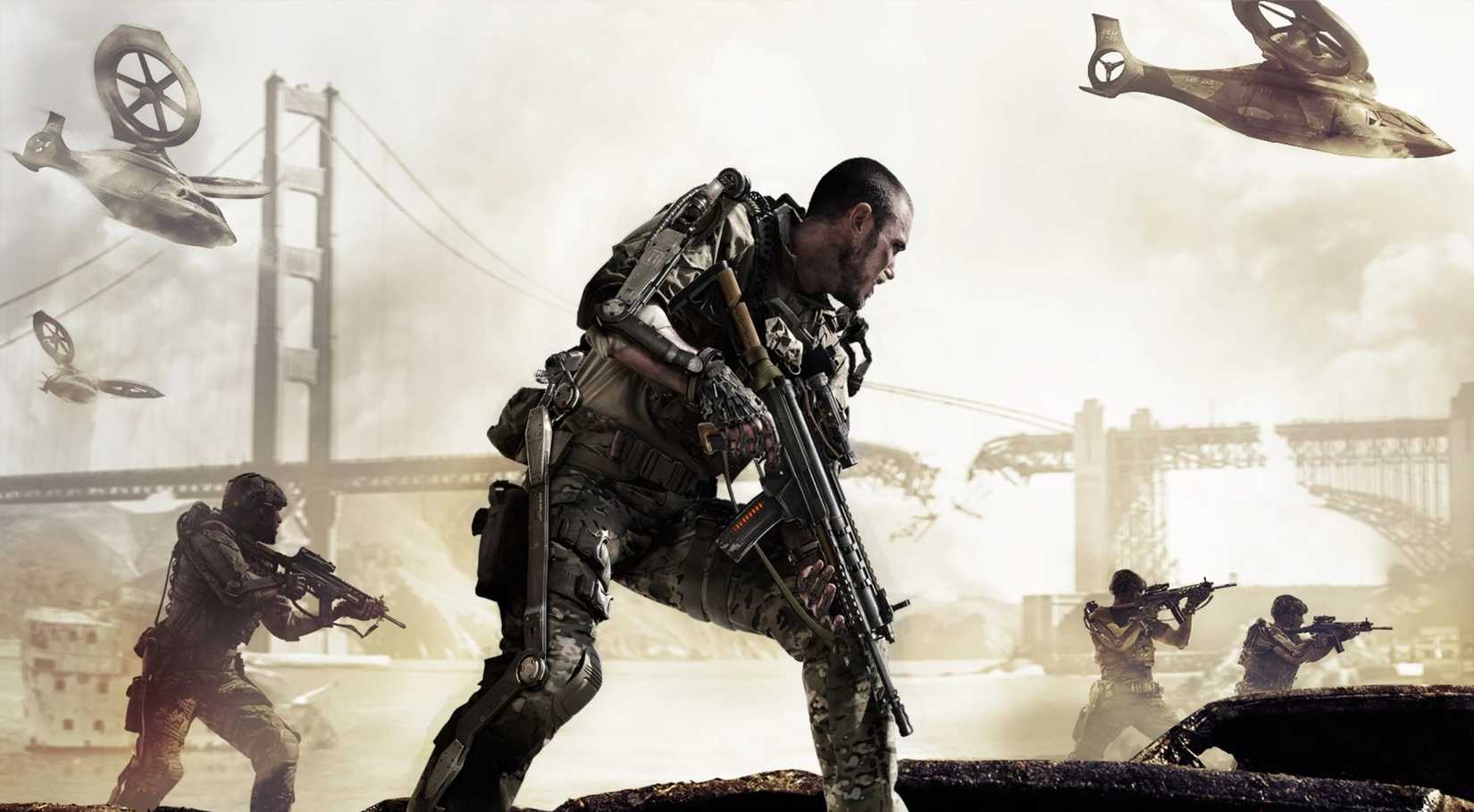
- Call of Duty: Advanced Warfare (Nov. 4, 2014)
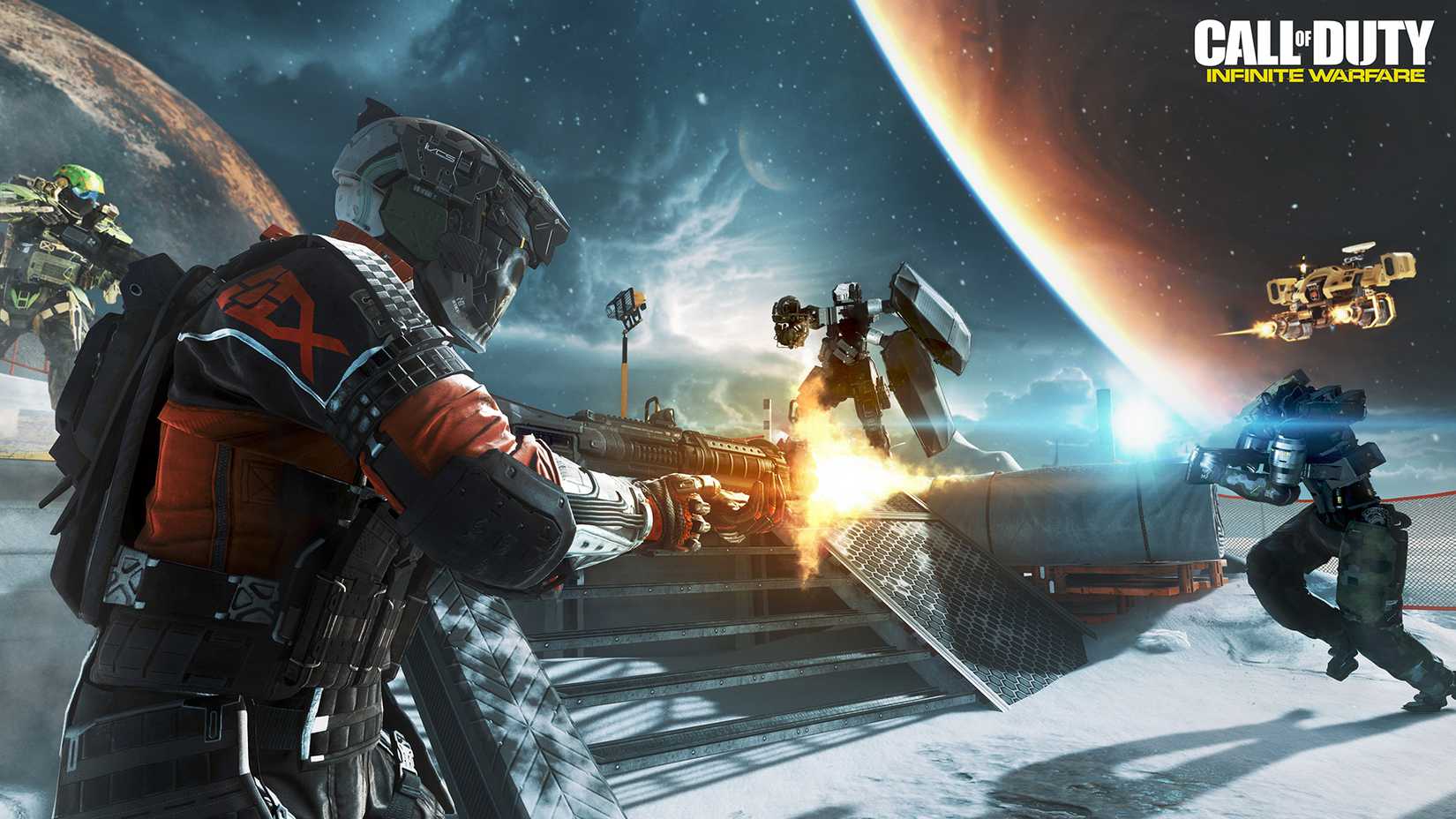
- Call of Duty: Infinite Warfare (Nov. 4, 2016)
As the hardware capabilities of the Xbox One and PlayStation 4 generation expanded, the franchise leaned heavily into high-mobility, futuristic, and speculative combat. Advanced Warfare introduced exo-skeletons, vertically dynamic movement, and unforgettable cultural touchstones (such as the infamous "Press F to pay respects" prompt) alongside a Hollywood-grade performance by Kevin Spacey.
Ghosts sought a grittier, squad-based post-apocalyptic tone, while Infinite Warfare boldly blasted the franchise into zero-gravity, deep-space dogfights. Though these titles polarized portions of the traditional fanbase at launch, they showcased an era of fearless iteration where developers were not afraid to reinvent the wheel annually. Today, locking these experimental entries behind isolated digital storefront purchases limits modern players’ ability to explore the franchise’s boldest evolutionary experiments.
Supporting Context & Metrics: The Subscription Paradox
The slow integration of legacy Call of Duty titles into Xbox Game Pass highlights a fascinating paradox within modern game subscription economics. When Microsoft finalized its acquisition of Activision Blizzard, industry analysts predicted an immediate "content flood" designed to drive subscriber acquisition to record heights.
- The Value Proposition: Xbox Game Pass was built on the premise of offering an all-you-can-play library spanning decades of gaming history. Adding a tier-one franchise like Call of Duty should have included its historical archive by default.
- Fragmentation Issues: Instead, availability remains sporadic. While recent entries have seen day-one or post-launch integration, the legacy titles—many of which suffer from fractured online player bases and matchmaking security vulnerabilities on older hardware—require significant technical curation, backward-compatibility optimization, and server maintenance.
- Preservation vs. Monetization: Activision has historically treated its older software as evergreen products capable of commanding steady baseline prices on digital storefronts like Xbox Marketplace and Steam. Transitioning these titles to a subscription model introduces complex revenue-sharing questions, licensing renewals (such as licensed music, military hardware likenesses, and voice actor royalties), and concerns over cannibalizing sales of annual releases.
Official Statements & Industry Perspectives
While Microsoft and Activision have remained relatively tight-lipped regarding a definitive timeline for bringing the complete legacy catalogue to Xbox Game Pass, leadership has frequently addressed the broader philosophy surrounding the integration of acquired assets.
During initial regulatory hearings and post-acquisition briefs, Microsoft executives emphasized their commitment to making the Call of Duty franchise as accessible as possible across platforms and services. Phil Spencer, CEO of Microsoft Gaming, has repeatedly underscored the importance of game preservation and ensuring that classic titles remain playable on modern hardware.
However, technical hurdles have consistently complicated these ambitions. Older Call of Duty titles—particularly those developed for the Xbox 360 and PlayStation 3 eras—operate on complex, heavily modified legacy engines. Integrating these games into modern ecosystem wrappers while maintaining robust anti-cheat measures, stable peer-to-peer or dedicated server infrastructures, and seamless achievement tracking requires a dedicated engineering investment that often takes a back seat to supporting live-service juggernauts like Warzone and the latest annual release.
Future Outlook: Will the Legacy Catalogue Ever Arrive?
As the industry looks past the launch of Call of Duty: Modern Warfare 4, the question of what happens to the franchise’s historical archive remains open.
The pressure from consumers and subscribers is unlikely to dissipate. As subscription services mature, users increasingly expect comprehensive libraries that honor a franchise’s complete history rather than cherry-picking recent hits. For Microsoft, curating these missing eight titles—ranging from the World War II grit of World at War to the futuristic theatrics of Infinite Warfare—could serve as a powerful goodwill gesture and a masterclass in digital game preservation.
Ultimately, a franchise as historically significant as Call of Duty deserves better than to have its foundational chapters locked away or forgotten. Whether Microsoft chooses to invest the engineering and legal capital required to bring these legacy titles to Xbox Game Pass will serve as a definitive test of the platform’s dedication to archiving gaming history for the players of tomorrow.