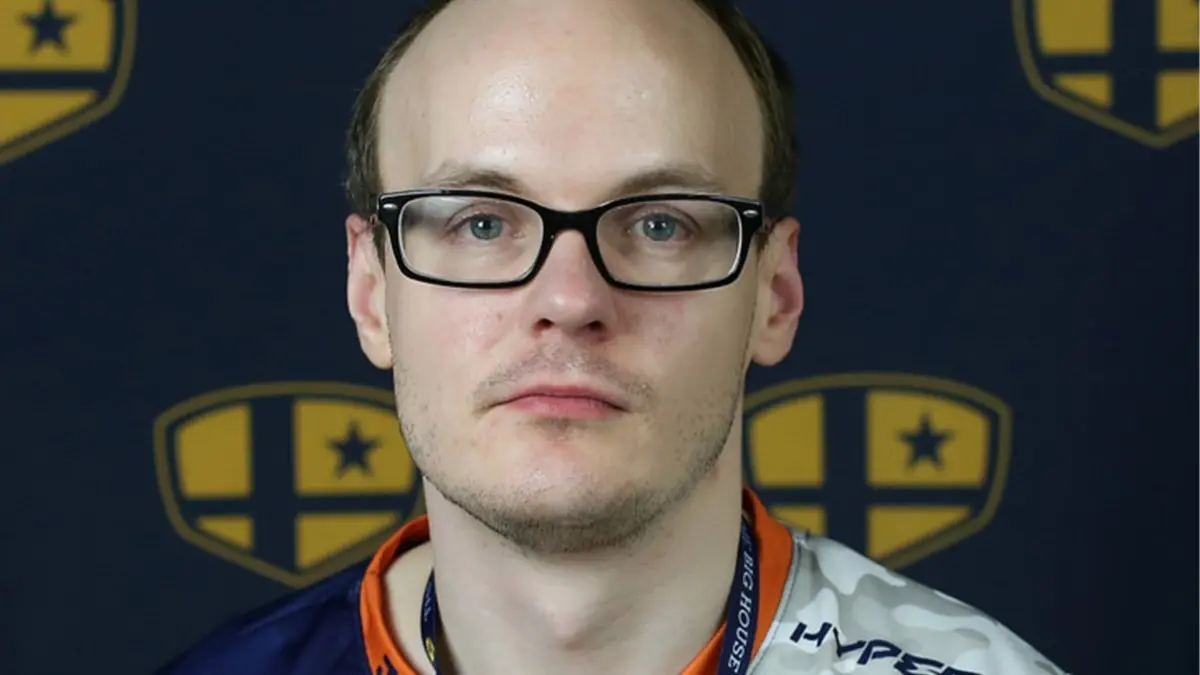
The intersection of professional competitive gaming, public health, and live-event logistics collided in a dramatic fashion on October 16, 2026. Jason “Mew2King” Zimmerman—a globally recognized icon within the Super Smash Bros. Melee community—found himself at the center of a viral controversy that ultimately led to his barring from an upcoming major tournament. Zimmerman, a foundational pillar of the Fighting Game Community (FGC), shared a series of alarming photographs and narrative updates on the social media platform Twitter/X detailing severe physical ailments, swollen extremities, and a persistent, severe bug infestation within his living quarters.
What began as a personal complaint regarding physical discomfort escalated into a widespread health scare. The digital discourse rapidly transitioned from sympathetic concern for the veteran player’s well-being to acute alarm regarding biosecurity. Fans, community organizers, and fellow competitors voiced mounting anxiety over the potential transmission of parasites—specifically bed bugs—via interstate travel, hotel accommodations, and crowded tournament venues.
In response to the escalating public pressure and self-reported health risks, the executive team of the upcoming Xtreme Fighters Showdown (XFS) 2026 tournament took decisive action. Citing the absolute necessity of maintaining a safe, hygienic environment for all participants and spectators, the event organizers formally barred Zimmerman from attending or competing. This incident underscores a broader, increasingly urgent conversation within the esports and gaming industries: the delicate balance between competitive access, individual privacy, and communal public health standards. As viral incidents involving hygiene and venue safety continue to plague the competitive circuit, event organizers are being forced to reevaluate their operational protocols regarding attendee health screening.
Detailed Chronology: From Digital Over-Sharing to Tournament Exclusion
To understand the cascading series of events that led to Zimmerman’s exclusion from XFS 2026, it is necessary to examine the precise timeline of disclosures, public reactions, and administrative decisions that unfolded over a 48-hour period in October 2026.
Phase 1: The Initial Disclosures (October 15, 2026)
The controversy originated from a thread posted by Zimmerman on his personal Twitter/X account. Preparing to board a flight from Ohio to Texas for the upcoming tournament, Zimmerman published photographs documenting physical distress. Specifically, he drew attention to his hands, which appeared visibly puffy, red, and swollen.
Attributing the swelling to a combination of strenuous, high-intensity Super Smash Bros. Melee play—particularly mastering the technical demands of the character Fox—and daily environmental bug bites within his residence, Zimmerman sought immediate advice from his followers.
"My hands are slightly swollen (could be from all the SSBM Fox or from the bugs in the house that bite me each day), like pink/red and puffy/fatter than usual, is there a way to fix this ASAP? I’m boarding my flight to Texas now," he wrote.
Phase 2: Escalation and Visual Evidence
As the thread gained traction, Zimmerman provided further photographic evidence of his lower extremities. Photos of his right leg revealed a dense scattering of angry, red, inflamed bumps indicative of persistent insect bites. In subsequent posts, Zimmerman contextualized the severity of his living conditions, asserting that the problem was not isolated or temporary.
He claimed that he had experienced similar outbreaks consistently over preceding months, enduring what he described as living conditions plagued by household pests for an entire year. "I had like a hundred of these on my body two months ago. Like, my entire body. This isn’t even nearly the worst picture, not even close," Zimmerman stated, further noting that these ongoing domestic issues were a primary catalyst for his planned relocation from Ohio to California.
Phase 3: Community Panic and Biosecurity Warnings
Within hours, the posts achieved viral status, triggering a wave of alarm across multiple gaming subreddits and social media channels. While an initial segment of the community expressed deep sympathy for Zimmerman’s distressing living situation, a much larger faction shifted the focus to biosecurity risks.
Users quickly identified the visual markers as potential manifestations of a bed bug (Cimex lectularius) infestation. Given the biological propensity of bed bugs to secrete themselves within luggage, textiles, and personal electronics, commenters strongly cautioned Zimmerman against boarding aircraft, entering commercial hotels, or attending the enclosed venue of XFS 2026. The consensus among worried fans was that participation in a crowded offline event posed a severe vector risk for cross-contamination among hundreds of attendees.
Phase 4: Administrative Intervention and Ban (October 16, 2026)
As the discourse dominated FGC forums, the administrative board of Xtreme Fighters Showdown took swift notice. Recognizing the liability and potential hazard posed to the health of competitors, spectators, and staff, the organization’s executive leadership acted promptly.
On the afternoon of October 16, 2026, the official XFS tournament account released an administrative statement authored by CEO M333. The communication formally rescinded Zimmerman’s invitation to participate or be present at the venue, grounding the decision entirely on the player’s self-reported medical disclosures. Shortly after the dissemination of the ban notice, Zimmerman purged the original tweets from his profile and ceased public commentary on the matter.
Supporting Context & Metrics: The Growing Hygiene Crisis in Esports
The incident involving Mew2King is not an isolated anomaly within the modern competitive gaming ecosystem. Over the past year, the intersection of large-scale public gatherings and personal hygiene—or lack thereof—has transformed from an internal community meme into a critical operational challenge for tournament organizers worldwide.

Historical Precedents and Recent Incidents
The competitive gaming landscape has experienced a series of unprecedented public relations crises tied to environmental and health anomalies at major tournaments:
- The Dota 2 Bootcamp Police Raid (2026): In a surreal cross-section of competitive gaming and legal intervention, professional Dota 2 player ’23savage’ made headlines when his team’s training facility was raided by law enforcement. The player was controversially required to continue playing a live match under the direct supervision of police officers, showcasing the volatile environments in which professional athletes often operate.
- The Pokémon VGC Odor Crisis (September 2026): Just weeks prior to the Zimmerman controversy, Pokémon Video Game Championships (VGC) regional champion Donghun Youm publicly stated that he lost a high-stakes match due to the overwhelming, nauseating body odor of his opponent. The incident sparked a massive outcry across competitive circuits, forcing tournament directors to address personal hygiene standards formally and prompting community-wide campaigns urging players to utilize basic sanitation products, such as deodorant, prior to competing.
+-----------------------------------------------------------------------------------+
|                        RECENT ESPORTS INCIDENTS (2026)                            |
+--------------------------+-----------------------------+--------------------------+
| Incident Type            | Primary Figure / Game       | Core Issue               |
+--------------------------+-----------------------------+--------------------------+
| Biosecurity Risk         | Jason "Mew2King" Zimmerman  | Household pest/bug       |
|                          | (Super Smash Bros. Melee)   | infestation exposure     |
+--------------------------+-----------------------------+--------------------------+
| Facility Intervention    | '23savage' (Dota 2)         | Police raid during       |
|                          |                             | team training camp       |
+--------------------------+-----------------------------+--------------------------+
| Environmental Sanitation | Donghun Youm (Pokémon VGC)  | Severe opponent body     |
|                          |                             | odor causing illness     |
+--------------------------+-----------------------------+--------------------------+
The Biosecurity Threat of Parasites in Shared Spaces
To evaluate why the XFS executive team reacted with such speed, one must understand the medical reality of household infestations, particularly bed bugs. Unlike simple cosmetic ailments, bed bugs are resilient ectoparasites that feed on human blood. They are notoriously difficult to eradicate once established in residential environments.
More critically from an event-management perspective, these pests are exceptional hitchhikers. They easily transfer from infested furniture or bedding into backpacks, carrying cases, cloth seating, and hotel mattresses. In a convention center or tournament ballroom—where hundreds of competitors sit closely together for hours, frequently resting their bags and coats on shared carpets and chairs—the introduction of an active vector could result in a localized outbreak affecting dozens of households. For tournament organizers operating on tight margins and renting expensive multi-day venues, managing a biosecurity vector is an existential operational threat.
Official Statements and Institutional Response
The formal communication issued by Xtreme Fighters Showdown serves as a benchmark for how modern esports organizations are beginning to handle public health disclosures. Below is the complete context of the institutional response:
Official Statement via Xtreme Fighters Showdown (@xfshowdown)
"Good evening, a message from our CEO, M333:For the safety of our event, XFS 2026, we have politely informed Mew2King he will not able to participate or attend our event this weekend due to a self-reported health concern.
The health and wellbeing of our attendees is our priority.
Thank you, and we’ll see you this weekend."
Analysis of the Corporate Response
The statement reflects a notable shift in tone for grassroots and mid-tier esports tournaments. Historically, tournament organizers leaned toward permissive participation policies, prioritizing player attendance and star power above auxiliary concerns. However, the explicit invocation of "the health and wellbeing of our attendees" demonstrates a growing corporate awareness of liability, venue contracts, and consumer protection.
By grounding the ban explicitly in a "self-reported health concern," XFS successfully insulated itself from accusations of discrimination or arbitrary exclusion, framing the decision strictly as an exercise of duty of care toward the broader community of attendees.
Future Outlook: Re-Engineering Tournament Standards
The public expulsion of a legendary competitor due to domestic pest exposure marks a watershed moment for the Fighting Game Community and the broader esports industry. As competitive gaming continues to professionalize, the infrastructure supporting live events must evolve to address physical realities that extend far beyond network latency and prize pools.
The Implementation of Mandatory Health and Hygiene Protocols
Industry analysts project that major tournament circuits—including Capcom Pro Tour, Tekken World Tour, and independent majors like Genesis and CEO—will likely face mounting pressure to introduce explicit hygiene and health compliance clauses into their rulebooks. Key policy adjustments expected in the near future include:
- Pre-Event Health Screenings: Codified rules allowing tournament staff to deny entry to individuals displaying clear symptoms of contagious dermatological conditions or active parasitic exposure.
- Venue Sanitation Mandates: Enhanced deep-cleaning protocols between tournament days, including specialized upholstery cleaning and strict enforcement of baggage containment zones.
- Code of Conduct Expansions: Broadening traditional behavioral codes of conduct to encompass personal hygiene and biosecurity responsibilities, ensuring that players maintain baseline standards of cleanliness before entering shared competition spaces.
Conclusion
Jason "Mew2King" Zimmerman’s unfortunate ordeal sheds light on a dark corner of the player experience—where personal hardships, mental health struggles, and sub-optimal living conditions intersect with the unforgiving glare of digital fame. While the immediate outcome resulted in professional exclusion, the incident has catalyzed a much-needed industry-wide dialogue. Ultimately, the 2026 Mew2King controversy may serve as the catalyst that forces esports organizers to implement robust, standardized public health protections, ensuring that the physical safety of competitors and fans remains paramount in every arena.