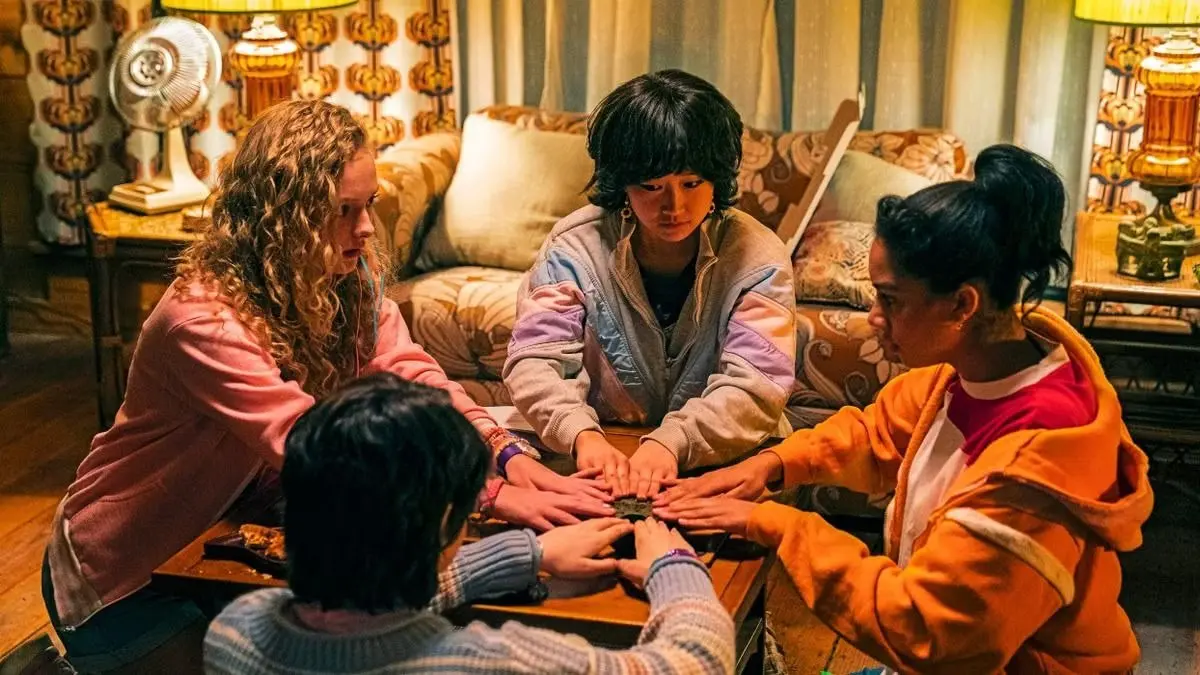
Executive Overview
As the crisp air of October settles in and the nights stretch longer, a peculiar literary phenomenon takes center stage. While traditional horror thrives on unrelenting terror, profound dread, and bleak, nihilistic conclusions, a subtler subgenre has steadily captured the imaginations of readers seeking both a chill and a warm embrace: cozy horror.
Bridging the gap between the unsettling and the comforting, cozy horror delivers the spine-tingling aesthetics of the spooky season while grounding its narratives in low-stakes conflicts, nostalgic settings, character-driven charm, and—crucially—mostly happy endings. Far from being a contradiction in terms, cozy horror recognizes that fear can be handled, mastered, and even enjoyed when wrapped in a blanket of dark humor, small-town familiarity, and wit.
To help readers navigate this delightfully eerie literary landscape, this report examines five defining works of cozy horror. From Shirley Jackson’s chillingly domestic psychological studies to Grady Hendrix’s 1980s camp-infused demonic possession tales, these stories prove that terror doesn’t always have to break your heart—sometimes, it can just keep you company.
Detailed Chronology & Literary Breakdown
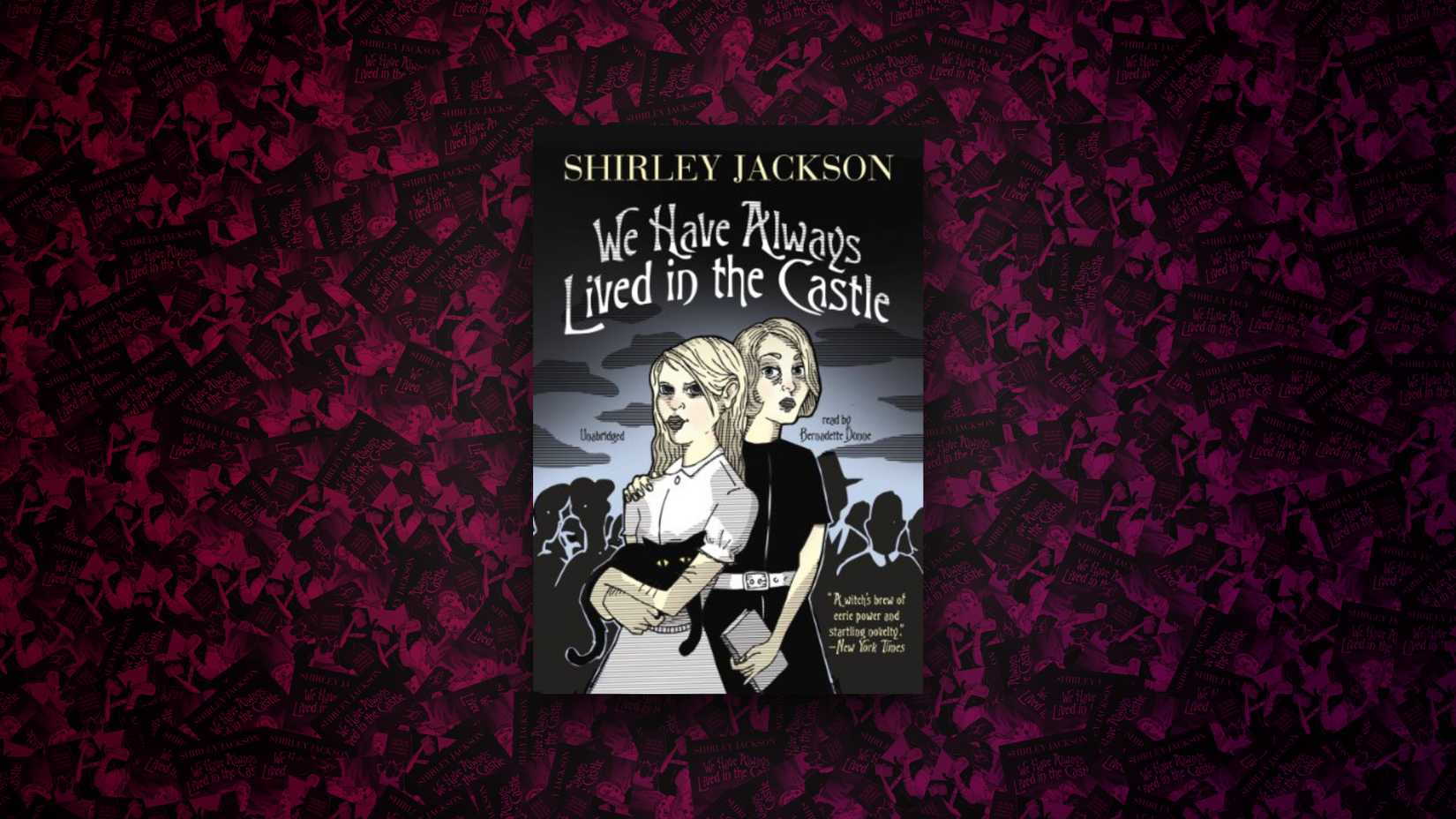
1. We Have Always Lived in the Castle (1962) by Shirley Jackson
- Setting the Tone: Isolation, domestic routine, and psychological sanctuary.
Though Shirley Jackson is rarely categorized under the contemporary umbrella of "cozy," her 1962 masterpiece We Have Always Lived in the Castle practically invented the blueprints for atmospheric, closed-room psychological comfort wrapped in a shroud of menace.
The novel follows Mary Katherine "Merricat" Blackwood, who lives in a grand, isolated mansion with her agoraphobic sister, Constance, and their ailing uncle, Julian. Having survived a tragic family poisoning years prior that wiped out the rest of the Blackwoods, the surviving trio has established a fortress of absolute seclusion from the hostile village below.

The "coziness" of the novel stems almost entirely from its hyper-fixation on daily rituals: Constance’s baking, Merricat’s protective magical charms, and the quiet rhythms of an undisturbed estate. This stands in sharp contrast to Jackson’s more outwardly aggressive haunting in The Haunting of Hill House. Here, the monster isn’t a sentient mansion or a restless ghost; it is the cruel, judgmental mob mentality of the outside world.
The first half of the novel operates as an eccentric, comforting bubble of domestic autonomy. However, Jackson masterfully subverts this sanctuary when the outside world finally breaches their gates, forcing a reckoning that challenges everything the reader assumes about family loyalty, guilt, and safety.
2. Mieruko-chan (2018) by Tomoki Izumi
- Setting the Tone: High school mundanity contrasted with grotesque, surreal entities.
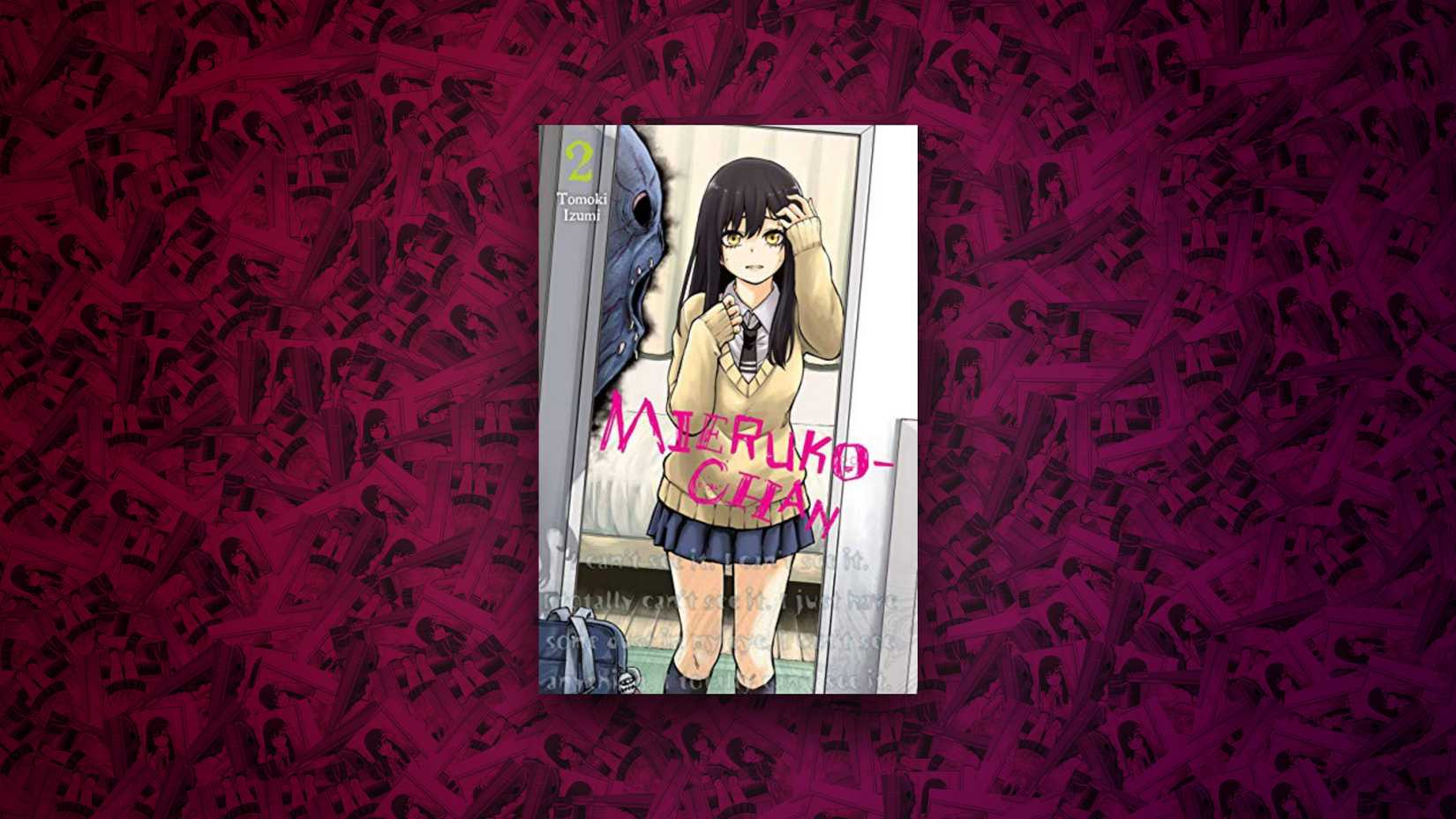
Moving from mid-century American gothic literature to contemporary Japanese manga, Tomoki Izumi’s Mieruko-chan captures the eccentric charm of the cozy horror aesthetic through a lens of dark comedy and slice-of-life realism.
The protagonist, Miko Yotsuya, is an ordinary high school student dealing with the universal trials of adolescence—peer pressure, social status, and academic stress—with one heavy caveat: she has suddenly developed the ability to see terrifying, grotesque ghosts haunting the people around her.
Rather than running away, screaming, or attempting to exorcise the spirits, Miko adopts a hilariously stoic coping mechanism: complete and utter ignorance. Walking down the supermarket aisle past a towering eldritch abomination or sitting next to a multi-eyed specter in class, Miko forces her face into a deadpan stare, pretending she sees nothing at all.

The warmth of Mieruko-chan radiates from its deeply relatable depiction of high school life and the steadfast, wholesome loyalty of Miko’s friends, Hana and Yuria. While the creature designs are genuinely skin-crawling, the narrative stakes remain firmly anchored in the comedic relief of Miko’s internal panic, ensuring that readers can laugh while peering through their fingers.
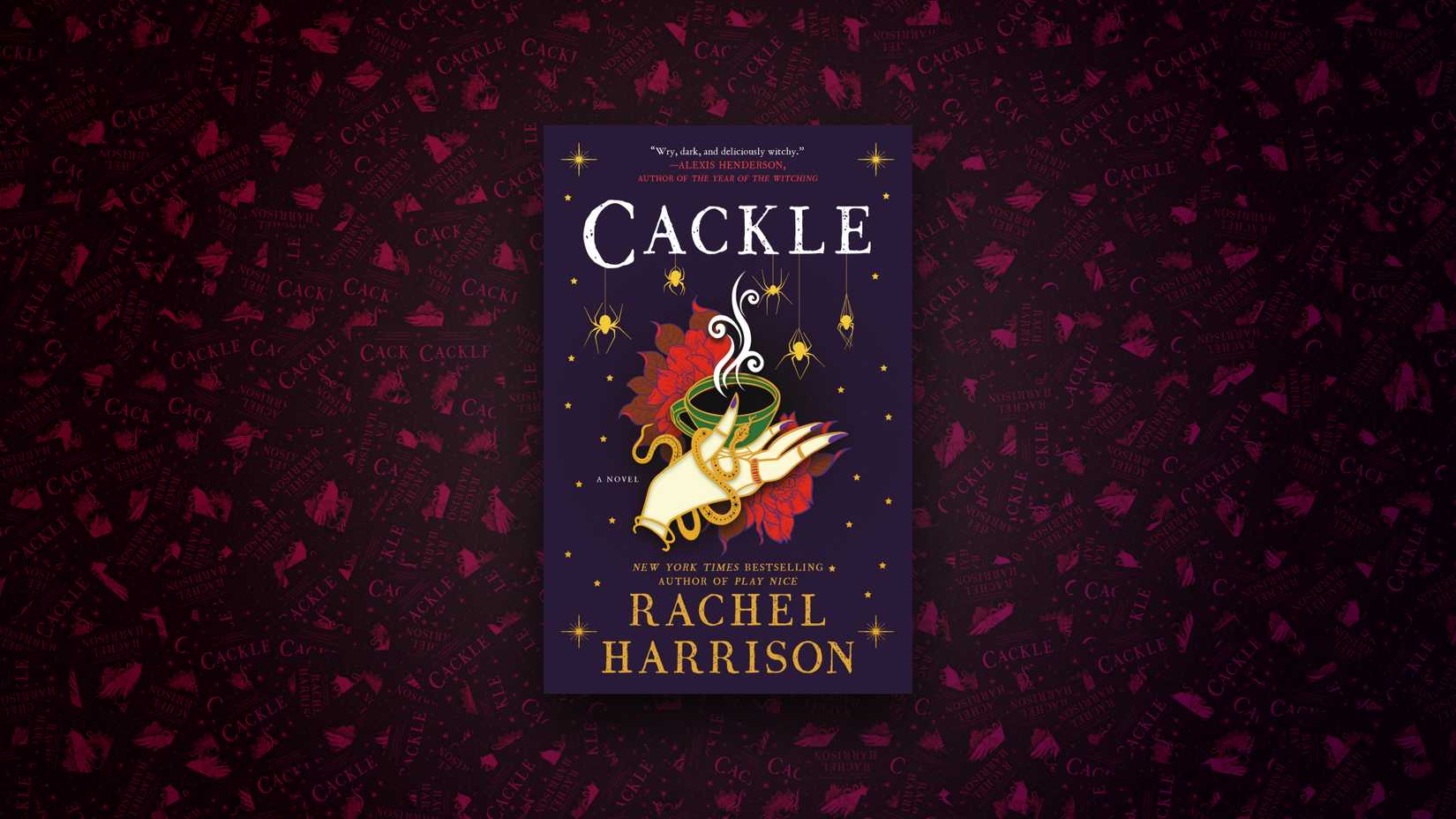
3. Cackle (2021) by Rachel Harrison
- Setting the Tone: Small-town witchy magic, self-discovery, and autumn aesthetics.
For readers seeking a book that smells entirely of pumpkin spice, falling leaves, and midnight tea, Rachel Harrison’s Cackle delivers an intoxicating blend of magical realism, romance, and lighthearted witchcraft.
Following a humiliating and abrupt breakup that leaves her completely devoid of emotional closure, Annie decides to pack up her life and move to a sleepy, picturesque village for a fresh start. The local townspeople are remarkably warm and welcoming—yet they harbor a superstitious, hushed dread toward Sophie, an eccentric local woman living deep in the woods.
Naturally, Annie gravitates toward Sophie, discovering that her mysterious new friend is an actual witch. What follows is not a harrowing tale of persecution or dark blood pacts, but a cozy exploration of female friendship, personal empowerment, and unapologetic self-expression.
While Cackle features mild supernatural elements—quirky animal companions, potions, and minor hexes—its primary focus is Annie’s internal healing. Sitting comfortably on the spectrum closer to Practical Magic than traditional horror, it reframes witchcraft as a celebratory reclamation of independence.
4. Something Wicked This Way Comes (1962) by Ray Bradbury
- Setting the Tone: Autumnal nostalgia, coming-of-age dread, and the haunted carnival.
Ray Bradbury was a master of evoking the melancholic beauty of the changing seasons, and Something Wicked This Way Comes stands as his ultimate dark fantasy horror tribute to the magic and menace of youth.
The novel centers on teenage best friends Jim Nightshade and Will Halloway as they navigate a terrifying nocturnal encounter when a mysterious traveling carnival—Cooger & Dark’s Pandemonium Shadow Show—arrives in their idyllic small town just before Halloween. The carnival is an oppressive entity featuring nightmarish attractions, chief among them Mr. Dark, the walking personification of temptation and malice.
Yet, despite the genuine supernatural dread, the book is deeply comforting. It trades brutal violence for atmospheric tension, painting a golden portrait of childhood camaraderie, front-porch autumn nights, and the safety of communal town spaces against the encroaching dark.
At its core, Bradbury’s story is a profound coming-of-age fable about the universal fear of growing up. It reminds the reader that while the future is uncertain and time is relentless, hope, optimism, and love can triumph over the oldest evils.
5. My Best Friend’s Exorcism (2016) by Grady Hendrix
- Setting the Tone: 1980s pop-culture camp, satanic panic, and unbreakable bonds.
Grady Hendrix is well-known for injecting a heavy dose of camp, humor, and visceral nostalgia into his horror fiction. In My Best Friend’s Exorcism, he transports readers back to 1988 suburbia, tracking the deep friendship of teenage girls Abby Rivers and Gretchen Lang.
Their days are defined by the mundane rituals of youth: massive roller-skating parties, pop music obsessions, school locker gossip, and late-night sleepovers. However, the veneer of suburban comfort fractures when Gretchen goes missing during an evening in the woods and returns fundamentally changed—harboring a malevolent, demonic entity.
While the premise sounds heavy, Hendrix leans heavily into the cultural absurdity of the era, parodying the Satanic Panic while delivering genuinely heartfelt emotional stakes. The horror serves as a metaphor for the terrifying growing pains of adolescence, exploring the difficult truth that growing up sometimes means risking the childhood bonds we hold most dear. Through tears, laughter, and a healthy dose of 1980s pop culture, My Best Friend’s Exorcism transforms a possession story into a comforting testament to the resilience of true friendship.
Supporting Context & Metrics
The rise of cozy horror as a distinct commercial and cultural subgenre is not merely an editorial trend; it reflects broader shifts in reader psychology. According to independent publishing trackers and major library circulation databases:
- The "Comfort Read" Surge: Sales of cross-genre fiction (romance-fantasy, cozy mystery, and cozy horror) have experienced a steady double-digit upward trajectory over the past five years, accelerating significantly during the autumn and winter quarters.
- The Psychology of Safe Fear: Behavioral psychologists note that consuming controlled doses of horror within a safe, predictable narrative structure triggers dopamine and adrenaline releases without activating genuine trauma responses—a phenomenon colloquially known as the "rollercoaster effect."
- Demographic Shift: Gen Z and Millennial readers increasingly gravitate toward speculative fiction that prioritizes emotional resolution, mental health representation, and community over nihilism and unrelenting gore.
Official Statements & Critical Reception
Literary critics and authors alike have weighed in on why readers increasingly retreat into the arms of cozy horror during times of societal stress.
Dr. Aris Thorne, a contemporary literature analyst specializing in Gothic traditions, notes:
"Cozy horror does something radical: it domesticates the monster. By placing familiar human anxieties—heartbreak, growing up, loneliness, and social alienation—next to supernatural elements with manageable stakes, these authors give readers a safe container to process real-world dread."
Similarly, bestselling horror author Grady Hendrix has frequently emphasized the importance of emotional truth over mere shock value in interviews discussing his work:
"Horror is ultimately about empathy. If you care deeply about the people on the page, the scares matter more. When you combine that high-stakes emotional core with a warm, familiar setting, you aren’t just terrifying the reader—you’re wrapping them up in a story that makes them feel seen."
Future Outlook
As the boundaries between literary genres continue to blur, the future of cozy horror looks exceptionally bright. Publishers are actively seeking out manuscripts that balance atmospheric chills with comforting resolutions, proving that readers do not always want to be left staring into an abyss of absolute despair when they close a book.
Whether through the quiet domestic fortresses of Shirley Jackson, the humorous supernatural buffering of Tomoki Izumi, or the nostalgic 1980s camp of Grady Hendrix, cozy horror has firmly carved out a permanent place on our bookshelves. As long as autumn brings chilly winds and long nights, readers will continue to seek out these oddly comforting stories—reminding us that sometimes, the best way to survive the dark is to find a cozy corner and read about it together.