Executive Overview
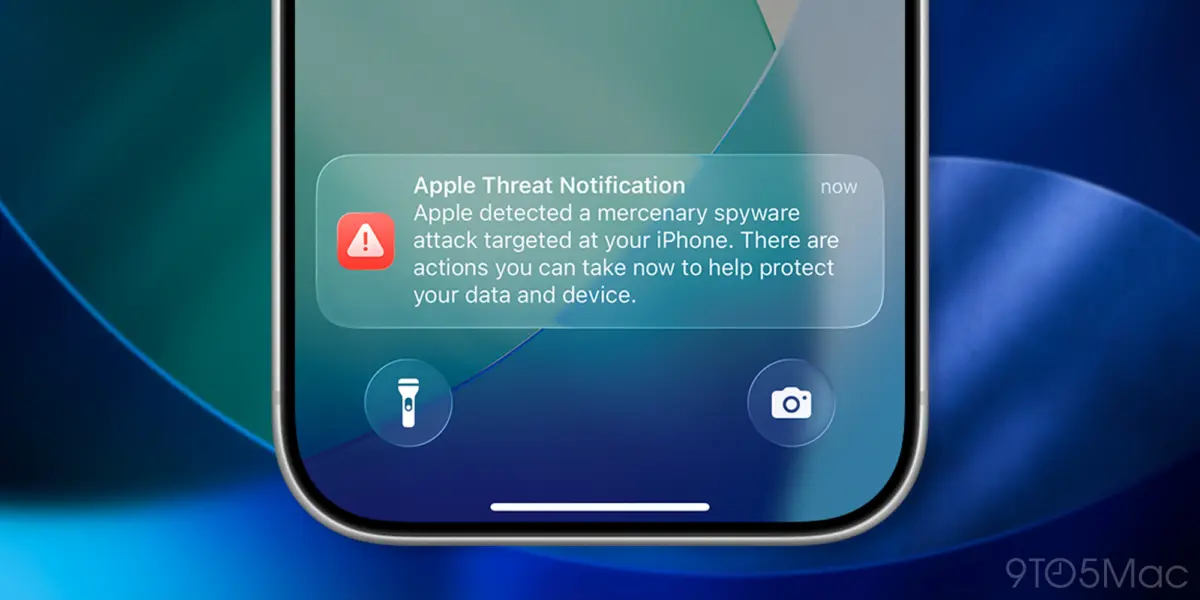
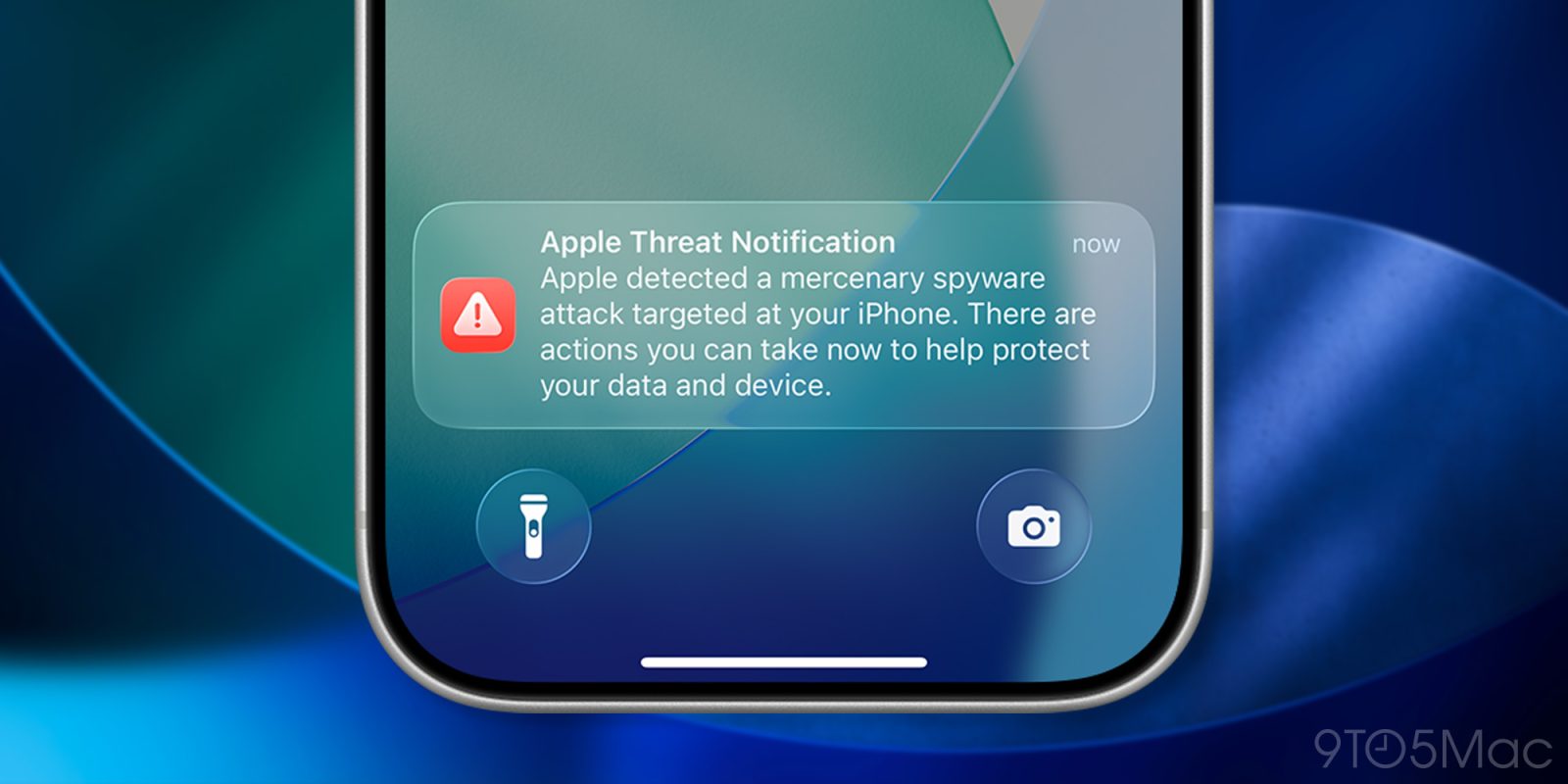
In an escalating technological arms race between commercial surveillance vendors and consumer tech giants, Apple has initiated a massive global security sweep. The Cupertino-based company has confirmed that it has dispatched a new wave of high-priority threat notifications to users across 110 countries, warning them that they are individual targets of sophisticated "mercenary spyware" attacks.
This latest advisory underscores a grim reality of the modern digital landscape: advanced, state-sponsored cyberweapons are no longer reserved solely for geopolitical figureheads or intelligence operatives. Instead, journalists, human rights defenders, dissidents, politicians, and civil society members around the globe find themselves in the crosshairs of highly specialized, incredibly expensive intrusion software.
With this latest rollout, Apple’s cumulative campaign to warn victims of targeted digital surveillance now spans more than 150 countries over the past few years. As commercial spyware developers grow bolder and their methodologies more opaque, tech companies are increasingly forced to serve as the early warning system for the digital age.
Detailed Chronology of the Threat Landscape
To understand the gravity of Apple’s latest global alert, one must examine the evolution of these threat notifications. For years, major technology companies struggled with how to warn users about state-backed or corporate-backed intrusions without tipping off the attackers or compromising their own proprietary telemetry systems.

The Shift to Proactive Warnings
Apple pioneered a proactive notification system designed to alert targeted individuals directly via push notifications and emails associated with their Apple IDs. Unlike generic security alerts warning of standard phishing attempts or weak passwords, Apple’s threat notifications are explicitly reserved for high-fidelity indicators that a specific device is being compromised by mercenary spyware.
- May 2025: Apple executed a sweeping multi-country alert, notifying iPhone users across 100 nations that they had been targeted by sophisticated remote-access tools.
- July 2025: Investigative reporting revealed that a significant subset of those alerts targeted individuals in high-risk zones, including more than a dozen Iranian cyberattack victims caught in the tense digital and kinetic crossfire leading up to the conflict with Israel.
- August 2026: The current campaign hits a new milestone, expanding the total footprint of affected countries to over 150 globally and pushing alerts to users in 110 countries in a single coordinated wave.
Security researchers note that these attacks rarely rely on user error. Unlike traditional cyberattacks that require a victim to click a malicious link or download an unverified attachment, modern mercenary spyware frequently utilizes "zero-click" exploits. These insidious vectors infiltrate a device silently—often by exploiting unpatched vulnerabilities in software like iMessage, WhatsApp, or iOS core graphics rendering—leaving zero trace for the average user to detect.
Supporting Context & Metrics: The Anatomy of Mercenary Spyware
Mercenary spyware is developed by private-sector offensive security firms—such as Israel’s NSO Group, Cytrox, Intellexa, and others—and sold exclusively to government agencies and authoritarian regimes. Because these tools cost millions of dollars to license and deploy, they are deployed with surgical precision against high-value targets.
Key Metrics and Surveillance Trends
- 150+ Nations: The total number of countries where Apple has issued targeted threat notifications since the program’s inception.
- 110 Countries: The staggering geographic breadth of Apple’s latest notification wave, illustrating the truly globalized market for offensive cyber capabilities.
- Multi-Vector Delivery: Attackers frequently cycle through zero-day vulnerabilities—security flaws unknown to the software developer—making traditional antivirus or defensive apps virtually useless on standard consumer hardware.
The proliferation of these tools has created a parallel industry where private companies harvest vulnerabilities, stockpile zero-days, and lease remote access to oppressive regimes. The human cost of this trade is devastating. Targeted individuals often find their personal lives, communications, location data, microphones, and cameras entirely commandeered by unseen operators.
Official Guidance and Institutional Support
In tandem with the latest wave of notifications, Apple published an updated, comprehensive support document titled "About Apple threat notifications and protecting against mercenary spyware." The document serves as an operational manual for individuals who discover they have been targeted, demystifying the notification process and outlining concrete steps for remediation.
What Apple Advises Targeted Users to Do
Apple explicitly urges anyone who receives a threat notification to take the warning seriously and seek professional, third-party assistance. The company’s official guidance highlights several immediate measures:
- Enable Lockdown Mode: For users facing extreme digital threats, Apple’s Lockdown Mode drastically reduces the attack surface of an iPhone or iPad. It limits specific message attachments, restricts complex web technologies (such as Just-In-Time JavaScript compilation) unless a trusted site is excluded, blocks incoming FaceTime calls from unknown numbers, and disables wired connections when the device is locked.
- Contact Digital Security Experts: Apple strongly encourages notified users to enlist rapid-response emergency security assistance. Specifically, the company points victims to the Digital Security Helpline operated by the nonprofit Access Now.
- The helpline provides 24/7/365 emergency digital safety support.
- Victims can reach out via the Access Now website.
- Privacy Assurance: Apple emphasizes that outside organizations do not receive internal telemetry data from Apple regarding why a user was targeted. However, these independent experts can perform forensic analysis and provide tailored, confidential security advice.
General Best Practices for All Users
While the vast majority of consumer tech users will fortunately never encounter mercenary spyware, Apple continues to push baseline security hygiene for everyone in its ecosystem:
- Update devices immediately whenever software patches are released to close known vulnerability windows.
- Use strong, unique passwords combined with multi-factor authentication (MFA) secured by physical security keys where possible.
- Avoid clicking unverified links or downloading apps from outside official app stores.
- Regularly review device permissions to ensure apps do not have unwarranted access to location data, cameras, or microphones.
Future Outlook: The Ongoing Arms Race in Digital Security
As digital surveillance tools become more pervasive and sophisticated, the actions taken by companies like Apple represent the front line of defense for civil society. However, industry analysts and human rights advocates agree that push notifications and user guides—while necessary—are ultimately stopgap measures in a much larger systemic crisis.

The Regulatory and Legal Battleground
Pressure is mounting on international lawmakers to curb the unregulated export and deployment of commercial spyware. Governments in the United States and European Union have begun implementing export controls, visa restrictions, and procurement blacklists against surveillance vendors whose tools are used to target journalists, diplomats, and human rights defenders.
Despite these legislative hurdles, the private-sector offensive security market remains deeply lucrative, morphing and registering under new corporate structures faster than regulators can draft penalties.
For Apple and other technology behemoths, the road ahead will require continuous investment in platform hardening. Features like Lockdown Mode demonstrate that hardware and operating system ecosystems can be engineered to withstand highly funded state-sponsored attacks, but the burden of defense should not fall solely on the individual user.
Until international treaties effectively criminalize the abuse of commercial cyberweapons against civilian populations, notifications like the ones sent to users across 110 countries will remain an essential, albeit sobering, warning flare—signaling that the battle for privacy and digital sovereignty is fiercer than ever.