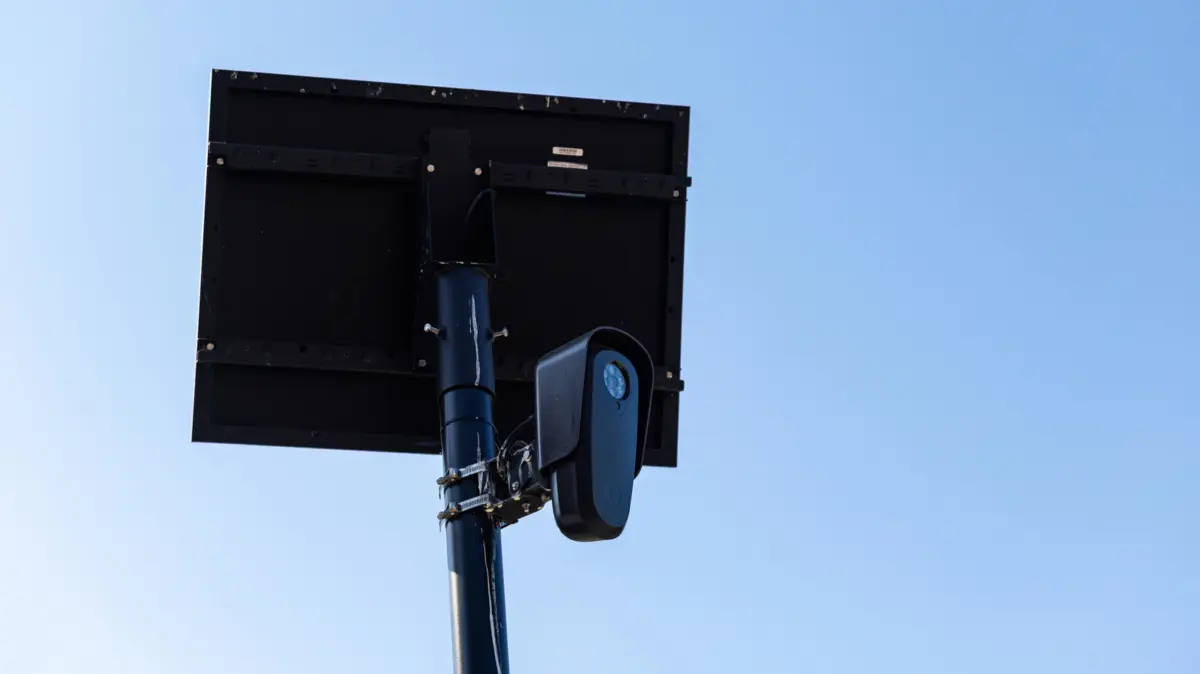
The landscape of modern municipal law enforcement is undergoing a rapid, contentious transformation. Across the United States, automated license plate readers (ALPRs)—once quietly woven into the fabric of daily traffic monitoring and policing—are facing an unprecedented wave of public backlash, legislative restriction, and direct regulatory intervention. At the epicenter of this seismic shift is Florida, where state transportation authorities have officially banned the deployment of these surveillance tools on state-managed roadways.
The decision, promulgated through a definitive memorandum by Florida Department of Transportation (FDOT) Chief Operating Officer Will Watts, represents one of the most aggressive state-level reined-ins of automated policing technology to date. Citing exponential deployment growth, severe data privacy vulnerabilities, documented cases of systemic misuse, and the overarching imperative to preserve citizen sovereignty, Florida has drawn a hard line. Under the new directive, existing permits for ALPR systems on state roads are immediately revoked, giving law enforcement agencies a strict 30-day window to dismantle and remove the hardware.
This dramatic regulatory rollback is far from an isolated incident. It mirrors a broader, nationwide reckoning with private-sector surveillance vendors—most notably Flock Safety, a market leader whose ubiquitous solar-powered cameras have polarized communities from coast to coast. From executive orders halting state funding in Texas and contract suspensions within the Los Angeles Police Department to localized vandalism and surging grassroots protests, the friction between public safety utility and constitutional privacy rights has reached a boiling point. As statehouses, city councils, and governors grapple with the fallout, the American experiment with mass automated tracking is hitting a monumental wall.
Detailed Chronology: How the ALPR Backlash Reached a Boiling Point
To understand how automated license plate readers transformed from an invisible, universally accepted law enforcement convenience into a toxic political flashpoint, one must trace the rapid escalation of events that culminated in the late-summer crackdowns of 2026.
The Rise of Ubiquity
For decades, ALPR technology existed primarily as a localized tool. Used sparingly at toll plazas, major intersections, or integrated into specialized patrol cruisers, early iterations captured passing license plates to flag stolen vehicles, expired registrations, or outstanding warrants. However, the paradigm shifted dramatically in the early 2020s with the proliferation of networked, cloud-connected camera systems. Companies like Flock Safety entered the market with aggressive business models, offering neighborhoods, private HOAs, and municipal police departments affordable, easy-to-install, solar-powered cameras that constantly scan every passing vehicle.
By aggregating this data into massive, searchable national databases, law enforcement agencies gained the ability to track the historical movements of ordinary citizens in real time. Proponents championed the technology as a crime-fighting revolution capable of tracking amber alerts, missing persons, and fleeing violent felons across jurisdictional lines. Yet, as thousands of cameras multiplied along suburban streets and commercial corridors, public awareness of the sheer scale of the surveillance apparatus finally caught up with its deployment.
Summer 2026: The Dominoes Fall
The friction turned into a systemic backlash during the summer of 2026, marked by a cascade of high-profile suspensions, executive orders, and legislative blockades:
- July 2026 (Los Angeles, CA): Amid escalating pressure from privacy advocates, civil liberties organizations, and internal scrutiny regarding data-sharing practices, the Los Angeles Police Department officially suspended its contract with Flock Safety, halting the expansion of one of the nation’s largest urban ALPR networks.
- Late August 2026 (Texas): Recognizing the rising tide of public discontent, Texas Governor Greg Abbott took decisive executive action, pausing all state agency funding earmarked for the acquisition or maintenance of Flock hardware, effectively starving state-level expansion of the tech.
- August 21, 2026: National media attention peaked as reports surfaced detailing widespread public hostility, ranging from organized political pushback to physical sabotage and vandalism of camera installations across multiple states, including Kentucky and Florida.
- August 26, 2026: Florida Governor Ron DeSantis publicly declared that the proliferation of license plate readers in the state had grown "out of control," signaling the green light for state regulatory agencies to intervene.
- August 31, 2026 (Jacksonville & Okaloosa County, FL): Local law enforcement leadership preemptively committed to removing ALPRs from their respective jurisdictions, signaling that the resistance extended deep into county-level policing.
- Late August / Early September 2026 (Ohio): Two major Ohio counties officially paused their utilization of Flock cameras following internal reviews and public complaints regarding alleged data misuse.
- September 2026 (Florida State Road Ban): FDOT issues its definitive administrative memorandum, codifying Governor DeSantis’s stance by revoking all existing state-road ALPR permits and ordering hardware removal within thirty days.
Supporting Context & Metrics: Privacy, Misuse, and the Digital Panopticon
The core conflict surrounding modern ALPR systems transcends partisan politics; it strikes at the fundamental constitutional balance between security and civil liberties.
The Promise vs. The Reality
Law enforcement agencies lean heavily on the proven efficacy of automated readers to justify their deployment. Proponents argue that cameras act as force multipliers in an era of declining police recruitment and retention. When a violent crime occurs, investigators can query a database to trace the escape route of a suspect vehicle, often solving high-profile cases in a fraction of the time traditional policing requires. For instance, just over a week before Florida’s sweeping ban, ALPR networks played a pivotal role in tracking down a murder suspect who had fled across state lines from Florida to West Virginia.
Furthermore, vendors like Flock Safety market their ecosystems as holistic community safety solutions. Their promotional materials emphasize auxiliary uses, such as assisting local fire departments in conducting rapid initial remote damage assessments during natural disasters or urban emergencies before boots on the ground arrive.
The Surveillance State and Documented Misuse
Despite these tangible utility claims, critics—ranging from the American Civil Liberties Union (ACLU) to local privacy coalitions—argue that the systemic costs far outweigh the benefits. The primary objection is the creation of a passive, round-the-clock digital dragnet. Unlike traditional traffic cameras that target specific violations at intersections, widespread ALPR grids track the daily movements, commuting habits, religious attendance, medical appointments, and social associations of millions of law-abiding citizens who have committed no crime whatsoever.
More damaging to the industry’s reputation, however, are the documented instances of institutional misuse. Investigations and internal audits across various jurisdictions have repeatedly exposed instances where police officers utilized personal or departmental access to track estranged spouses, monitor political opponents, or run unauthorized background checks on acquaintances—violations that shatter public trust.
Corporate Damage Control and Public Vandalism
In response to the mounting pressure, Flock Safety and similar providers have scrambled to implement safeguards. Software patches and updated corporate policies have been deployed to restrict data retention periods, automatically purging unflagged footage after shorter intervals and introducing stricter auditing mechanisms for police queries.
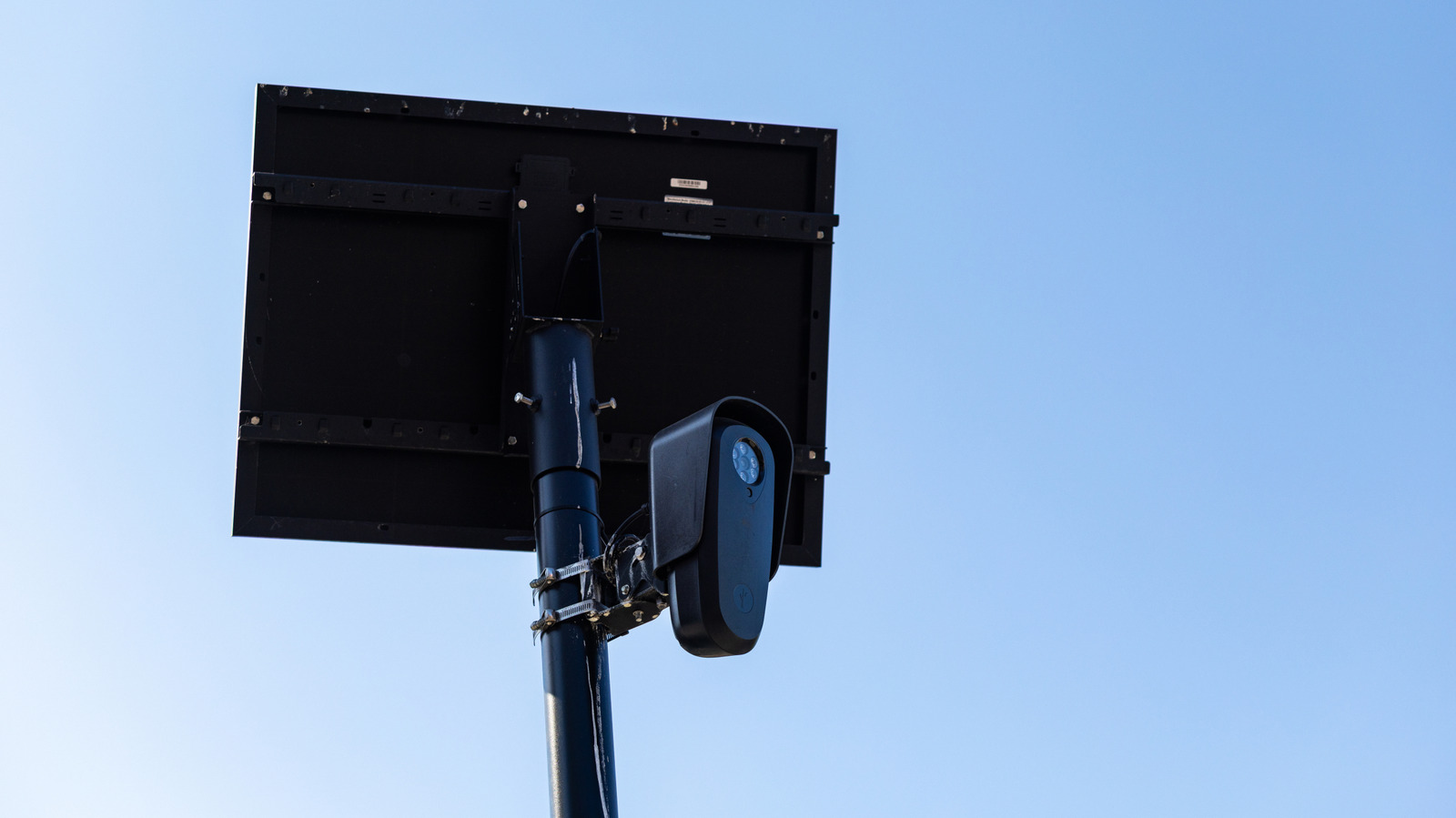
However, these technical patches have proven too little, too late for an increasingly hostile public. The frustration has manifested physically in the form of widespread vandalism. In cities like Louisville, Kentucky, police records from late August 2026 highlighted a dramatic surge in vigilante attacks, with citizens sawing down poles, spray-painting camera lenses, or disabling solar panels. This wave of civil disobedience signaled a profound breakdown in the social contract governing public surveillance.
Official Statements & Political Posturing
The shifting regulatory landscape has forced public officials, law enforcement executives, and corporate entities to articulate their positions with unprecedented clarity.
The primary legal architecture for Florida’s ban rests within the FDOT memorandum issued by Chief Operating Officer Will Watts. The document explicitly balances statutory authority against modern anxieties:
"While Florida law limits the issuance of permits for LPR systems to law enforcement agencies, the recent exponential increase in deployments along our roadways, coupled with concerning reports of misuse, data privacy concerns and surveillance schemes merit immediate action to preserve Floridians’ sovereignty and quality of life."
Governor Ron DeSantis elaborated on the necessity of executive intervention during a late-August public address and subsequent media appearances. Acknowledging the limitations of state-level jurisdiction, DeSantis noted that while banning cameras from state highways is a vital first step, it leaves untouched the vast majority of systems deployed elsewhere:
"The use of license plate readers has simply gotten out of control. Changing Department of Transportation rules addresses our state corridors, but we must recognize that approximately 98 percent of existing ALPRs sit on local municipal roads, county thoroughfares, and private property."
This distinction underscores the limitations of administrative edicts. Because the vast majority of cameras operate outside state-owned rights-of-way, real systemic reform requires localized municipal action or comprehensive state legislation. Law enforcement agencies have been forced to pivot their messaging accordingly. Jacksonville and Okaloosa County sheriffs, recognizing the political winds, issued formal statements assuring their constituents that local policies would align with community expectations of privacy, leading to voluntary removals in select regions.
Meanwhile, Flock Safety has maintained an active public relations and compliance campaign, emphasizing that its technology is designed to protect communities rather than infringe upon liberties. Company leadership continues to engage with municipal partners to reinforce data security protocols, though industry observers note that the company is presently in a defensive posture, fighting a multi-front war against regulatory headwinds and reputational damage.
Future Outlook: Where Do We Go From Here?
As the dust settles on the summer of 2026, the future of automated license plate readers in the United States remains uncertain, fractured, and intensely contested. The actions taken by Florida, Texas, Los Angeles, and various county jurisdictions are unlikely to mark the end of the debate; rather, they represent the opening salvo in a protracted legal and legislative war over the boundaries of digital privacy.
The Jurisdictional Patchwork
One immediate consequence of these disparate bans is the creation of a fragmented regulatory patchwork. A motorist driving through Florida might traverse a state-managed highway completely devoid of automated tracking, only to enter a municipal corridor heavily monitored by local police arrays, before turning into a private residential neighborhood governed by an HOA contract with a private surveillance vendor. This lack of uniformity creates compliance nightmares for law enforcement agencies and leaves ordinary citizens confused about where their data is being harvested, stored, and shared.
The Path Forward: Legislation vs. Social Pressure
As Governor DeSantis aptly pointed out, administrative memos changing DOT rules can only do so much. To truly curtail the nationwide expansion of ALPR networks, lawmakers will need to pursue robust, statutory legislative reforms. Future policy debates in state legislatures are expected to center on several key pillars:
- Strict Data Retention Limits: Mandating exceptionally short retention windows (e.g., 24 to 48 hours) for non-investigative data, rendering historical tracking impossible.
- Warrant Requirements: Requiring law enforcement agencies to obtain a judicial warrant before querying historical ALPR databases for routine investigations.
- Third-Party Auditing: Establishing independent civilian oversight boards to regularly audit police access logs and prevent internal abuse or stalking by rogue personnel.
- Bans on Private-Public Data Sharing: Prohibiting private entities (such as HOAs or commercial strip malls) from seamlessly feeding real-time private camera feeds directly into municipal or federal law enforcement databases.
Conclusion
The rapid escalation of the anti-ALPR movement signals a profound cultural pivot. For years, the promise of algorithmic efficiency and technological crime-fighting trumped privacy concerns in the halls of municipal power. Today, the pendulum is swinging back toward civil liberties. Whether the current wave of bans and contract cancellations represents a temporary speed bump or the permanent dismantling of the automated surveillance state will depend entirely on how lawmakers, courts, and communities choose to balance the demands of modern policing against the sacred right to unmonitored movement.