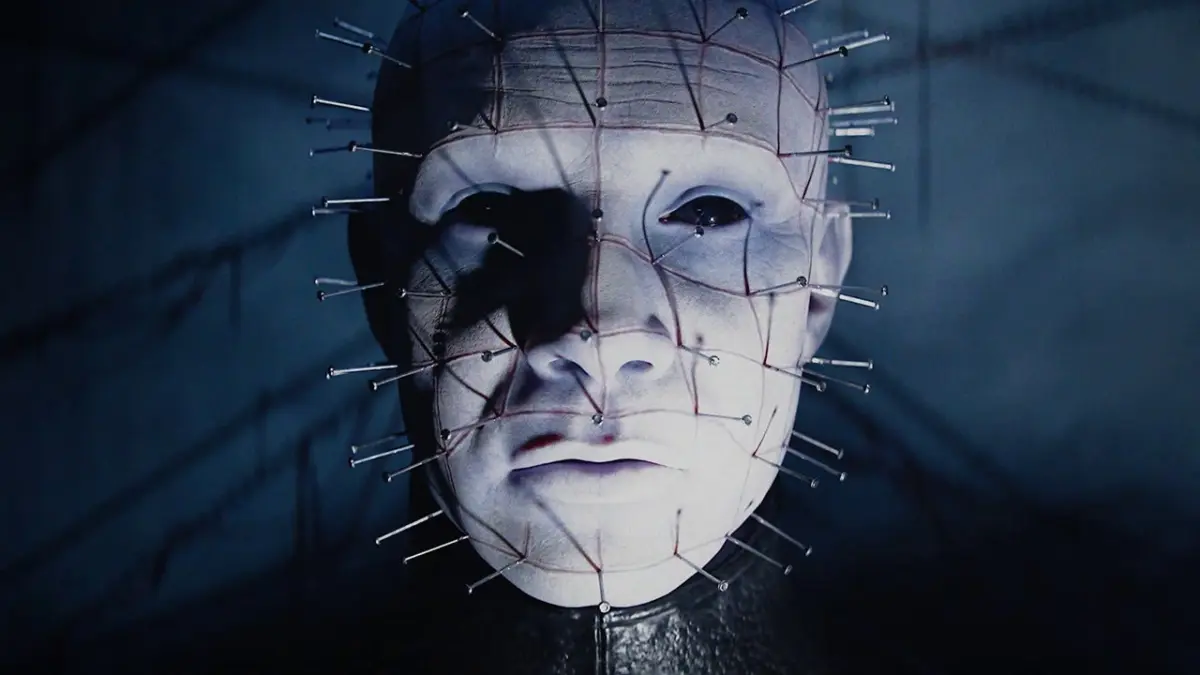
The horror genre has long walked a precarious tightrope between artistic provocation and commercial censorship. For decades, creators attempting to translate visceral, boundary-pushing nightmares into interactive media have found themselves neutered by corporate mandates, restrictive platform guidelines, and the ever-watchful eye of ratings boards. Yet, occasionally, a project shatters these invisible cages, refusing to compromise its creator’s original, depraved vision.
Enter Hellraiser: Revival, Saber Interactive’s harrowing single-player survival horror adaptation of Clive Barker’s seminal 1987 cinematic masterpiece. Moving away from the saturated and often fleeting asymmetrical multiplayer formulas that dominated the genre over the past ten years, Revival embraces a traditional, narrative-driven descent into masochistic terror.
Far from the sanitized, watered-down adaptations that fans have come to expect from legacy IP holders, Hellraiser: Revival leans headfirst into the abyss. It proudly bears a strict "M for Mature" rating from the ESRB—earned through unrelenting blood, visceral gore, intense violence, pervasive nudity, and explicit sexual content. But the true measure of its transgressive nature goes beyond a mere rating label. The title’s uncompromising depiction of the Cenobites’ sacred mutilations has already proven so extreme that content creators uploading gameplay footage—even after heavily censoring moments of nudity—have faced permanent platform bans.
Remarkably, in an industry where original creators are frequently alienated from adaptations of their own work, franchise mastermind Clive Barker has stepped forward with unadulterated praise. Speaking in a candid interview with Dread Central, Barker confessed his initial dread that corporate interference and modern sensibilities would render his signature brand of flesh-crafted horror unrecognizable. Instead, he expressed profound astonishment at how far Saber Interactive pushed the envelope, summarizing his feelings with characteristic bluntness: he is "proud as f**k" of the final product.
Beyond its immediate cultural friction, Revival stands as a watershed moment for the horror genre. By proving that uncompromising, adult-oriented storytelling can successfully anchor a major video game release, the title serves as a clarion call for intellectual property holders across the entertainment landscape. As Barker himself notes, Revival is a wake-up call, demonstrating that aging franchises do not need to be sterilized to find modern relevance. Instead, they can return to their roots, sharper, bloodier, and more terrifying than ever.
Detailed Chronology: From 1980s Celluloid to Interactive Torture
To truly understand the triumph and controversy surrounding Hellraiser: Revival, one must examine the tumultuous history of the franchise and the grueling development cycle that brought this latest nightmare to life.
The Genesis of Modern Horror (1987)
When Clive Barker directed the cinematic adaptation of his own novella, The Hellbound Heart, in 1987, he forever altered the landscape of horror. Eschewing the conventional, slasher-movie tropes of faceless masked killers and teen fodder, Hellraiser introduced audiences to a deeply philosophical, theological exploration of pain, pleasure, and the limits of human experience. At the center of this universe stood Pinhead—initially credited simply as the "Lead Cenobite"—whose iconic visage of a shaved head meticulously pierced by a grid of iron pins became an instant horror icon.
The film’s success spawned a sprawling multimedia franchise spanning numerous cinematic sequels of wildly varying quality, comic book runs, and novelizations. However, translating the specific, sadomasochistic aesthetic of Barker’s universe into interactive entertainment proved to be an elusive challenge. For decades, video game adaptations either failed to materialize or suffered from watered-down mechanics that failed to capture the existential dread and sensory overload of the source material.
The Shift in Modern Horror Gaming
Over the past decade, the horror gaming landscape was largely dominated by asymmetrical multiplayer games—projects designed to pit teams of survivors against a single powerful monster in repetitive, session-based loops. While titles like Dead by Daylight carved out a lucrative niche, they often stripped classic horror icons of their narrative weight, reducing legendary villains into disposable avatars for online matches.
Saber Interactive recognized this fatigue among horror enthusiasts. Abandoning the multiplayer craze, the development studio made the bold pivot toward a deeply atmospheric, narrative-focused, single-player survival horror experience. The studio’s unofficial directive during development was as brazen as it was risky: to design a game that pushed boundaries so aggressively that it actively courted being unrated, restricted, or outright banned by modern moderation algorithms.
The Collision with Modern Content Moderation
As Hellraiser: Revival neared its release, Saber’s gamble quickly transformed from a creative ambition into a logistical reality. The game’s uncompromising fidelity to Barker’s exploration of flesh, torture, and transcendence resulted in imagery too potent for modern digital platforms.
A prime casualty of this brutality occurred when prominent French content creator and YouTuber J0nathan uploaded gameplay footage of Revival. Anticipating platform restrictions, J0nathan proactively censored moments featuring nudity. Despite these precautions, the footage was deemed so graphically intense and violative of platform terms of service that YouTube permanently banned J0nathan’s channel.
This high-profile banning sent shockwaves through the creator community, instantly cementing Revival as a taboo artifact—a piece of interactive media so authentic to its sadistic source material that engaging with it publicly carried professional risk. Rather than hurting the game’s market reception, however, the controversy acted as a badge of honor, validating Saber’s commitment to avoiding censorship.
Supporting Context & Metrics: Breaking Down the Experience
While the cultural discourse surrounding Revival has focused heavily on its transgressive nature and content restrictions, the game itself represents a complex technical and artistic achievement.
Critical Reception and Review Metrics
Upon release, Hellraiser: Revival received a mixed-to-positive critical consensus, reflected in its 6/10 review score from IGN. Critics lauded the title’s atmospheric world-building and fidelity to the physical aesthetics of Barker’s universe, while occasionally pointing out pacing or mechanical friction.
Review excerpts highlighted the striking contrast between the game’s breathtaking artistic highs and its conventional gameplay lows:
"While the studded scalp of otherworld antagonist Pinhead absolutely looks the part, it’s a shame that little else in Hellraiser: Revival has been nailed to anywhere near the same extent."
Despite these mechanical critiques, the game succeeded where many licensed titles fail: it captured the soul of the intellectual property. The sound design—incorporating the wet, mechanical grinding of puzzle boxes shifting and the serene, chilling cadence of Pinhead’s dialogue—immersed players into a waking nightmare.
ESRB Breakdown: Why Revival Earned Its M-Rating
The Entertainment Software Rating Board (ESRB) slapped Hellraiser: Revival with a definitive M for Mature rating, accompanied by content descriptors that read like a checklist of taboos:
Blood and Gore: Detailed depictions of anatomical mutilation, flaying, and visceral environmental storytelling utilizing human remains.
Intense Violence: Unscripted and cinematic combat encounters featuring hooked chains, blades, and psychological torment.
Nudity & Strong Sexual Content: Deep exploration of the transgressive, bodily-horror elements central to Barker’s lore, where pain and sexual ecstasy intertwine in theological agony.
This uncompromising refusal to sanitize the material is precisely what elevated the game above standard industry fare, transforming a routine licensed cash-grab into an authentic artistic statement.
Official Statements: Clive Barker Unfiltered
The most compelling narrative surrounding Hellraiser: Revival remains the reaction of its original creator. In an exclusive interview with Dread Central, Clive Barker pulled no punches when discussing his initial anxieties and ultimate relief regarding Saber Interactive’s vision.
The Fear of Censorship
Throughout his career, Barker has frequently seen his literary and cinematic visions compromised by studio executives fearful of controversy. This historical precedent weighed heavily on him when Revival entered development.
"I was fearful at one point that the game would be overly censored," Barker admitted during the interview.
In an era where AAA game developers routinely self-censor to secure broad market access, global platform approvals, and family-friendly storefront placements, Barker’s fear was well-founded. Modern corporate risk aversion has suffocated many horror franchises, reducing once-terrifying monsters into marketable, toothless mascots.
Astonishment and Unfiltered Pride
Those fears, however, were quickly dispelled as Barker witnessed the final product. Far from being neutered, Revival embraced the darkness with open arms.
"I’m genuinely astonished by how far they’ve been able to push it," Barker marveled, before delivering his definitive assessment with absolute candor: *"I’m proud as f*k at the end result."
This unfiltered praise underscores the rare synergy achieved between the original visionary and the development team. Saber Interactive did not simply lease an IP; they acted as true custodians of Barker’s dark mythology.
Future Outlook: A Wake-Up Call for the Entertainment Industry
The success and cultural footprint of Hellraiser: Revival extend far beyond a single video game launch. For Clive Barker, the project has reignited a creative fire and illuminated a viable path forward for dormant, mistreated intellectual properties across the entertainment landscape.
A Blueprint for Legacy IPs
Hollywood and the gaming industry have long relied on safe reboots, hollow sequels, and sanitized adaptations that chase broad demographic appeal. Barker views Revival as an explicit rebuke of this timid approach.
"I think what was achieved in the game is a wake-up call to anyone who’s been involved in the making of a franchise like Hellraiser," Barker asserted. "It says to get your ideas warmed over so you can go back into existing worlds in a brand new way."
By demonstrating that adult consumers actively hunger for uncompromising, deeply transgressive storytelling, Revival challenges studios to take creative risks rather than leaning on nostalgic comfort food.
Barker’s Continuing Crusade in the Labyrinth
For fans of the mythos, Barker’s involvement does not end with the credits of Revival. The creator has made it clear that his journey with the Lament Configuration and the Cenobites is far from finished. Following Hulu’s critically received 2022 film reboot, the overarching future of the franchise remains fluid, but Barker’s renewed enthusiasm suggests exciting possibilities on the horizon.
"I have many ideas that I’d like to see realized in the Hellraiser universe," Barker revealed, "and I’m planning to keep my fingers in that pie."
Whether through future gaming expansions, cinematic ventures, or literary returns, the labyrinthine doors to hell have been forced wide open once more. Thanks to Saber Interactive’s fearless execution and Clive Barker’s unyielding artistic integrity, Hellraiser: Revival has proven that true horror cannot—and should not—be tamed.