Executive Overview
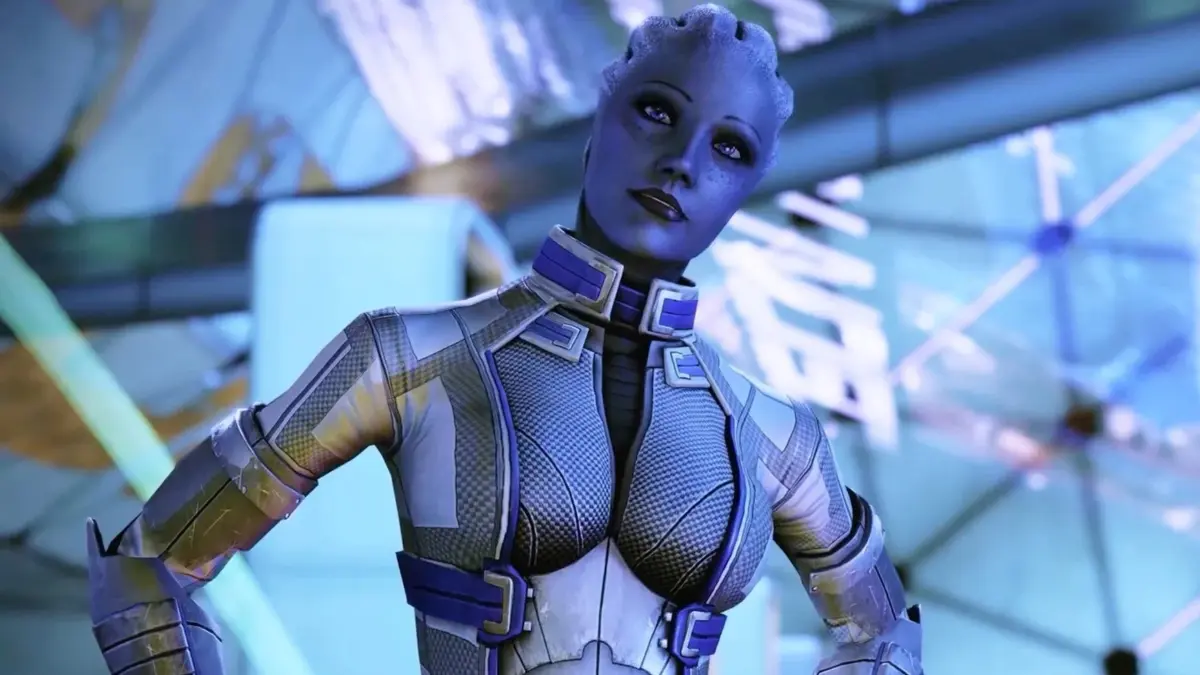
The video game industry is no stranger to corporate turbulence, but few announcements carry the emotional weight or cultural shock of Electronic Arts’ October 2026 decision to shutter BioWare. After three decades of shaping the Western role-playing game (RPG) landscape—delivering genre-defining masterpieces like Baldur’s Gate, Dragon Age, Jade Empire, and Mass Effect—the legendary studio has been unceremoniously closed. Compounding the tragedy for millions of dedicated followers, EA simultaneously confirmed the outright cancellation of the next installment in the Mass Effect franchise, an anticipated sci-fi epic reportedly titled Mass Effect Universe.
The fallout was instantaneous and fierce. Within 48 hours of EA’s public disclosure, the global gaming community galvanized into a state of active resistance. Spearheaded by passionate grassroots movements on Reddit, X (formerly Twitter), and Change.org, fans have launched an aggressive campaign demanding that EA either finish the game, hand off development to another studio, or sell the intellectual property (IP) to private investors.
Crucially, this frustration has evolved past mere online complaining into a coordinated economic offensive. Gamers worldwide are calling for an unprecedented, comprehensive boycott of all EA products and services. From major internal studios like Respawn Entertainment, DICE, and Criterion Games to the juggernaut cash-cow of EA Sports, consumers are drawing a hard line in the sand. With a viral petition hurtling past 76,500 signatures, leaked trailers fueling emotional turmoil, and industry veterans speaking out, the stage is set for a historic clash between corporate profitability models and consumer loyalty.
Detailed Chronology of a Crisis
To fully understand the gravity of the current boycott, one must examine the rapid descent of events that unfolded in late October 2026. The crisis did not happen in a vacuum; it was the culmination of years of speculative anxiety regarding BioWare’s health under EA’s corporate umbrella, abruptly punctuated by a disastrous week of leaks and closures.
October 21, 2026: The Announcement
Electronic Arts released a stunning corporate statement announcing the immediate wind-down and ultimate closure of BioWare. Citing strategic shifts, restructuring initiatives, and a redirection of internal resources toward high-margin live-service ecosystems, EA pulled the plug on the 30-year-old development house. In the same breath, the publisher confirmed that the upcoming, highly anticipated Mass Effect project—heavily teased through conceptual art and short teasers over the preceding years—was officially canceled, with development teams being laid off or reassigned.
October 22, 2026: The Leak That Added Salt to the Wound
Just as the community was processing the death of the studio, the situation deteriorated further when a full-length, near-complete trailer for the canceled game leaked online. Unofficial sources distributed footage revealing the project’s working title, Mass Effect Universe, alongside returning legacy characters, sweeping narrative setups, and production-value benchmarks that signaled the game was deep into its active development cycle. Rather than serving as a nostalgic memorial, the leak infuriated the player base. It proved that the canceled project was not a distant, vague concept, but a tangible reality stolen from them at the finish line.
October 23, 2026 – Present: The Mobilization
Realizing that corporate apathy threatened to bury the franchise forever, the community mobilized. Subreddits dedicated to the Mass Effect series transformed overnight into war rooms. Hashtags like #savemasseffect and #EABoycott trended globally. Fans established decentralized communication channels, bombarding EA’s customer support lines, social media channels, and public relations emails with coordinated demands. A change.org petition was launched, instantly gathering tens of thousands of signatures as industry peers, content creators, and even former voice talent added their voices to the chorus.
Supporting Context & Metrics: The Scale of the Backlash
The velocity at which the Mass Effect community has organized highlights a deeper, systemic fatigue with modern corporate video game consolidation. Players are no longer willing to quietly watch their favorite creative outlets absorbed and discarded by multinational publishers.
The Numbers Driving the Movement
- 76,500+ and Counting: The primary petition demanding EA sell or transfer the Mass Effect IP has crossed 76,500 signatures within days of its inception, drawing international media attention.
- Thirty Years of Heritage: Founded in 1995, BioWare represented the golden era of Western cinematic RPG storytelling. Its closure effectively erases an independent institutional memory that pioneered branching narratives, companion loyalty systems, and moral choice engines.
- The Scope of the Boycott: Unlike targeted protests against microtransactions or single-game controversies, the current EA Boycott! movement targets the publisher’s entire portfolio. Protesters are explicitly vowing to withhold funds from upcoming releases across Respawn Entertainment (Star Wars Jedi, Apex Legends), DICE (Battlefield), Motive Studios, Criterion Games, Maxis, Full Circle, and the immensely profitable EA Sports divisions (EA Sports FC, Madden NFL, College Football).
Echoes of Past Outcries
While boycotts in the gaming space often struggle to achieve sustained critical mass due to the casual consumer base, the ideological alignment surrounding BioWare mirrors past industry upheavals—such as the fan pushback against Mass Effect 3’s original ending. However, this crisis is fundamentally different. In previous eras, fans fought to change a creative direction; today, they are fighting for the very right of the franchise to exist at all.
Official Statements and Industry Perspectives
As the digital protests escalate, key stakeholders across the video game ecosystem have weighed in, offering a mix of creative solidarity, cautionary realism, and corporate calculation.
Fan Manifestos and Community Outcry
The sentiment among the player base is defined by a mixture of deep grief and aggressive defiance. Reddit threads have served as manifestos for the movement. As one prominent community member stated:

"WE HAVE TO DO SOMETHING! Guys we have to start something here and cry out loud enough that this game can be saved. Either EA making it or selling it off. We have to do it now before the noise on this game quiets down and it becomes another cancelled series, never to return. I suggest we start a movement, and message the hell out of EA asking for some kind of outcome that gets this game finished. THIS GAME FINISHED."
Another user expanded the scope of the resistance into a blanket refusal to support EA’s broader commercial ecosystem:
"Mass Effect is one of the better RPGs out today… Unless they sell Mass Effect to another studio or bring it back, I will never buy another EA product ever. They are already not one of my favorite studios. No more Respawn Entertainment, DICE, Motive Studios, Criterion Games, Maxis, Full Circle, Cliffhanger Games, or any EA Sports. I hope I’m not alone in this. We need to stand up and make our voices heard. Private investors need to realize how badly EA screwed up."
Voice Talent and Industry Veterans Speak Out
The shockwaves of BioWare’s closure have resonated deeply with the creative talent who built these worlds. High-profile performers—most notably Jennifer Hale, the iconic voice of Commander Shepard (FemShep)—have spoken out publicly, expressing heartbreak over the studio’s dismantling and the suppression of the universe they helped bring to life.
Simultaneously, former BioWare executive producers, narrative designers, and veteran developers have offered post-mortems on social media. Former BioWare executive producer Mark Darrah recently noted that while EA could theoretically be persuaded to sell dormant intellectual properties like Mass Effect and Dragon Age to external studios to recoup asset value, corporate risk aversion often makes executives prefer shelving assets over empowering competitors.
Market Analysts Weigh In
Financial and industry analysts have injected a sobering dose of realism into the discourse. According to market watchers, franchises of Mass Effect’s scale operate primarily as high-risk, high-prestige vanity or tentpole projects for publishing giants like EA. In the current economic climate—where publicly traded companies face unrelenting pressure from shareholders to prioritize hyper-monetized live-service operations and cost-efficiency—single-player prestige RPGs with massive development cycles are viewed as financial liabilities. Consequently, analysts suggest that while consumer petitions and boycotts make for powerful headlines, EA’s executive board is unlikely to alter its trajectory based purely on grassroots pressure.
Future Outlook: What Happens Next?
As October 2026 draws to a close, the standoff between the global Mass Effect community and Electronic Arts sits at a dangerous impasse. The core question remains: Will EA capitulate to public pressure, or will the publisher weather the storm, effectively burying Commander Shepard’s legacy alongside the ruins of BioWare?
Scenario A: The Corporate Cold Shoulder
Historically, massive publishers have weathered severe PR storms by simply waiting out the news cycle. If EA chooses to ignore the petition, maintain silence on the leaked trailer, and absorb the temporary PR hit, Mass Effect Universe will join the graveyard of vaporware. BioWare’s decades-long history will be converted into a digital archive managed by skeleton legacy crews, and the IP will sit dormant in a corporate vault, legally protected from unauthorized continuation while generating zero value for fans or creators.
Scenario B: Asset Liquidation and IP Sales
Driven by mounting financial scrutiny, falling stock confidence due to sustained brand erosion, or pressure from private investors looking for quick liquid assets, EA could choose a pragmatic route. By selling the Mass Effect and Dragon Age intellectual properties to well-capitalized independent publishers or platform holders (such as Microsoft, Sony, or Embracer-adjacent conglomerates), EA could turn a swift profit while cleanly severing ties with its legacy RPG burdens.
Scenario C: Sustained Consumer Friction
Even if EA refuses to sell the IP, the wild card in this scenario is the efficacy of the boycott. If the #EABoycott movement successfully depresses opening-week sales for upcoming Q4 and 2027 releases across EA’s sports and shooter portfolios, it could force a cultural reckoning within corporate boardrooms. Publishers take notice when consumer dissatisfaction translates directly into missed quarterly earnings projections.
For now, the crew of the Normandy remains grounded. Whether the fans’ passionate cry—"We have to do something"—can rewrite the corporate destiny of one of gaming’s greatest universes is a question that will define the industry landscape for years to come.