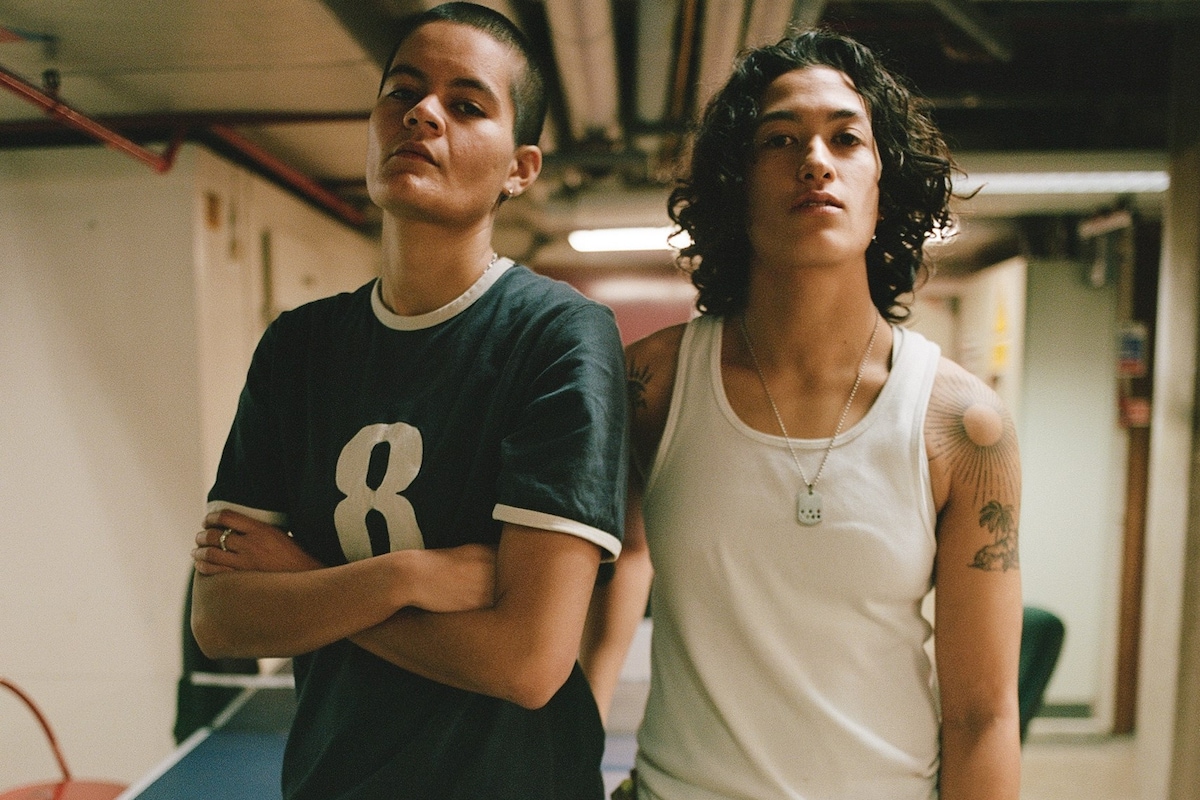
In the heart of London, a quiet cultural and athletic revolution is taking place on local pitches and community spaces. What began in May 2025 as a modest WhatsApp group has rapidly expanded into Homme FC, a thriving transmasculine football club boasting approximately 80 active members. More than just an athletic outlet, the club functions as a living art project and social practice, challenging traditional notions of team sports, masculinity, and public space.
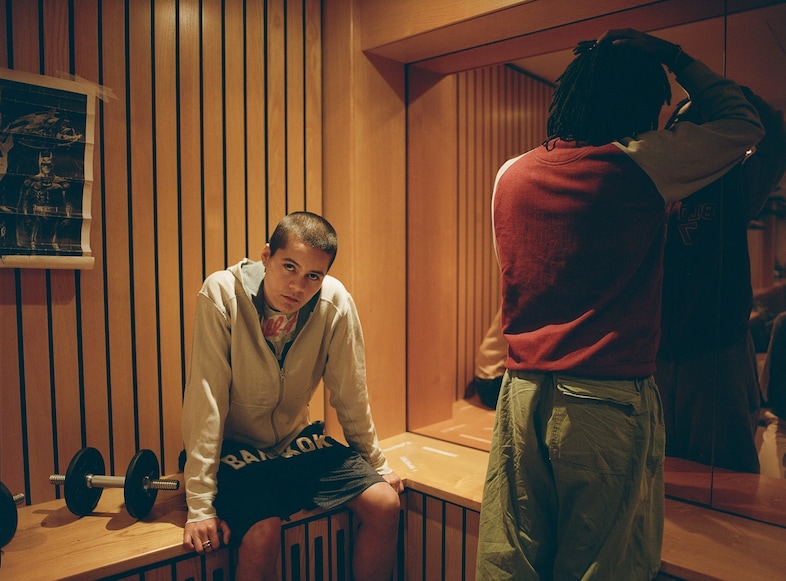
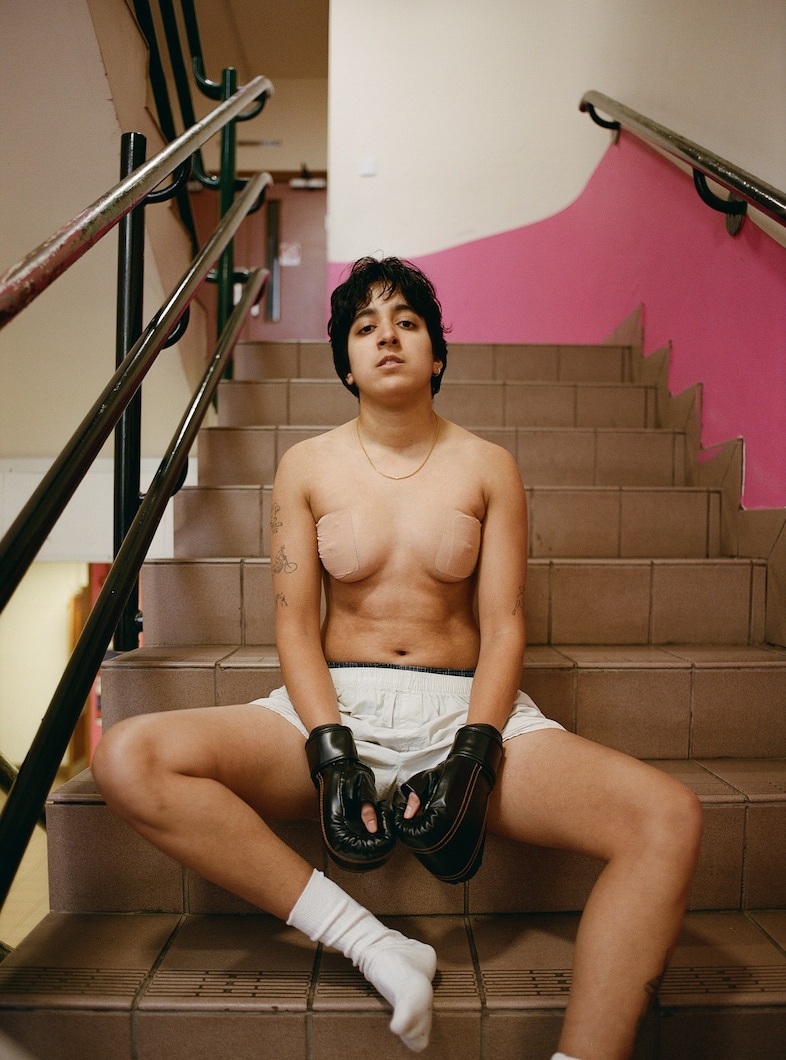
At the center of this movement is founder and creative director Areena Ang, whose vision extends far beyond weekend matches and group meals. Recognizing that traditional sports environments have historically excluded or alienated trans individuals, Ang conceived Homme Apartment—a striking conceptual photo series shot by photographer Indi Setyawan. Set within the nostalgic, wood-paneled corridors of a disused 1980s hospital wing in West London, the project reimagines what a physical home for a transmasculine football team might look and feel like.
By subverting the notoriously heteronormative tropes of American college culture and drawing inspiration from 1990s queer ephemera, Homme Apartment offers its subjects an alternative coming-of-age narrative. For many of the participants, who never experienced adolescence while authentically recognized as themselves, the project is both an act of reclamation and a joyous celebration of community. As political scrutiny surrounding trans access to single-sex spaces intensifies in the United Kingdom, Homme FC stands as a defiant, joyful beacon of visibility, proving that sports and community spaces can be radically reimagined.
Detailed Chronology: From Digital Group Chat to Physical Manifestation
Genesis and Early Growth (May 2025)
The roots of Homme FC were planted out of a perceived necessity. In May 2025, Areena Ang established a simple messaging group on WhatsApp. The initial goal was modest: to gather transmasculine individuals living in London who were looking for a safe, welcoming environment to play football together.
For many prospective players, the barriers to entering traditional recreational sports leagues were immense. Systemic transphobia, everyday sexism, and a complete lack of inclusive pathways had historically kept many transmasculine people away from team sports entirely. The WhatsApp group quickly gained momentum, transforming from a digital directory into an active, offline collective. Within months, the group swelled to roughly 80 members, organizing regular matches, communal meals, and social hangouts across the British capital.
The Conceptualization of Homme Apartment
While football remained the foundational language and vehicle for bringing people together, Ang viewed the burgeoning community through a wider lens. Recognizing the club as a materialization of "social practice" and an ongoing art project, Ang sought a medium that could capture the intangible warmth and camaraderie of the team.
The result was Homme Apartment, a photo series conceptualized to visualize the club as a tangible, physical space. Without financial backing or a commercial budget, Ang and photographer Indi Setyawan set out to bring the project to life. They required a location that could evoke the nostalgic, slightly weathered aesthetic of a college dormitory or a communal clubhouse.
The Shoot: Capturing Fictional Intimacy
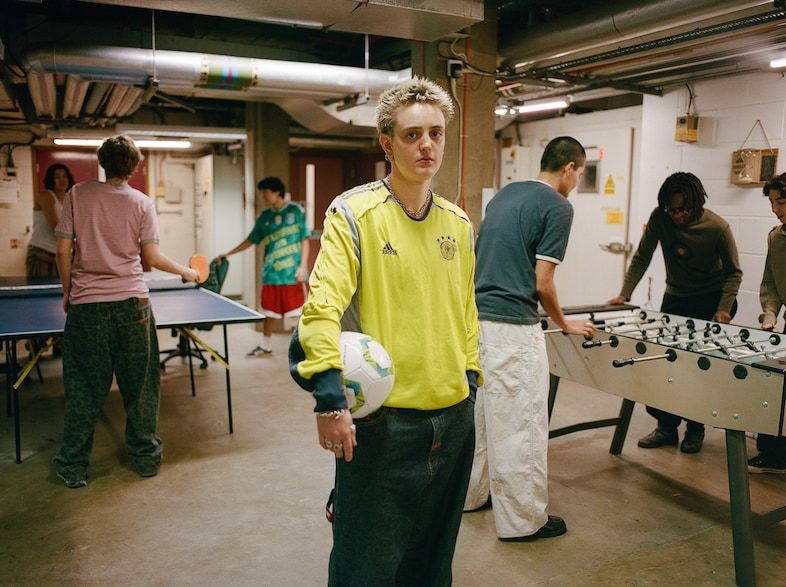
The search led the creative team to an abandoned 1980s hospital wing in West London. The location’s inherent architecture—characterized by dated, gaudy interiors, wood-paneled corridors, and basement spaces—offered the ideal canvas. Initially envisioned as a straightforward locker-room story, the unique venue inspired Ang and Setyawan to expand the narrative. They constructed a fictional world where the players lived together, congregated on sofas after practice, hunched over pool tables, and casually borrowed one another’s clothes.
The resulting images are rich with cinematic references. In one standout composition, a player named Helly stands at the center of a basement flanked by pool tables, bathed in lighting that evokes the stark, documentary style of Gus Van Sant’s film Elephant. In another widely celebrated frame, a player named Sara swings joyfully from the door of a bright yellow bathroom cubicle, capturing an aura of unadulterated youth, style, and freedom.
Supporting Context & Metrics: Challenging Masculinity and Reclaiming Space
Deconstructing the Heteronormative Fantasy
Homme Apartment does not exist in a vacuum; it deliberately pulls from a complex web of cultural references from Ang’s own upbringing. Growing up watching American television and browsing early digital culture on Tumblr, Ang observed how mainstream media heavily promoted a very specific, aggressive brand of heteronormative college culture.
At the same time, the project draws inspiration from historical queer artifacts, such as XY, the seminal 1990s youth magazine dedicated to gay culture. Ang notes that the power of XY lay in its ability to narrativize an alternative coming-of-age experience for young gay men. By channeling this aesthetic, Homme Apartment speaks directly to its participants, many of whom missed out on the traditional milestones of boyhood while being seen for who they are.
Redefining Historical Spaces
Historically, institutional spaces such as locker rooms, dormitories, and sports clubs have represented an exclusionary, narrow definition of masculinity—predominantly straight, cisgender, and strictly policed. Rather than completely abandoning these architectural tropes, Ang adopted a subversive approach: what happens when you alter the occupants rather than the architecture?
This question carries profound political weight, particularly in the contemporary United Kingdom, where trans access to single-sex spaces—such as public restrooms and changing facilities—faces intense legislative and societal scrutiny.
"Bathrooms are such politically loaded spaces for trans people," Ang observes. "Pero in our photograph, it’s just friends getting ready together, fixing each other’s hair, laughing."
By reframing these charged environments as sites of mundane, everyday intimacy and joy, the project neutralizes the hostility often projected onto trans bodies in public domains.
Official Statements and Perspectives
The philosophy driving Homme FC and Homme Apartment is anchored in the lived experiences of its members and the creative leadership guiding its trajectory.
Areena Ang on the Club’s Broader Purpose:
"We think football is the language and the vehicle of bringing people together here, but we’re definitely more than just a football club. I also viewed the club as an art project or as a materialization of a ‘social practice.’ … How can we reinscribe ourselves into our past?"
Areena Ang on Alternative Coming-of-Age:
"Most of the people in the shoot never got to experience adolescence while being recognised as themselves. So in some ways the photographs become a kind of alternative coming of age. What’s interesting is that those spaces have historically represented a very narrow version of masculinity — straight, cisgender and exclusive. Rather than rejecting those images entirely, I wanted to ask what happens if we simply place different people inside them."
Indi Setyawan, Photographer, on Capturing Joy:
Reflecting on the image of player Sara swinging from the yellow bathroom cubicle door, Setyawan notes:
"I think this just so beautifully captures joy. It’s boyish, young, fun and stylish all at once."
Regarding the cinematic framing of player Helly in the basement, Ang adds:
"I think Indi captured the grain beautifully in this image. The composition and the image itself feels cinematic to me. I was very drawn to recreating the yellow hair with the yellow shirt as a striking combination."
Areena Ang on the Necessity of Transmasculine Spaces:
"To have a transmasculine+ focused space is rare, and an opportunity to truly be seen. It felt like there was a genuine need for a space where people could reconnect with that part of themselves."
Future Outlook: Building a Permanent Legacy
While Homme Apartment successfully reimagines an idealized, communal past, Homme FC is firmly focused on expanding its footprint in the present and future.
The organization’s roadmap for the coming months includes scaling up its athletic operations. Plans are underway to secure a new, dedicated pitch in Camden, host more frequent training sessions, release a bespoke team kit, and throw community parties that cement the club’s cultural footprint in London’s underground scene.
Ultimately, the long-term vision for Homme FC transcends temporary meetups and photo series. The collective aspires to establish a permanent, physical community hub—a real-world manifestation of the fictional apartment depicted in Setyawan’s photography. This physical sanctuary would serve as a lasting resource for generations of transmasculine individuals seeking camaraderie, athletic engagement, and mutual support.
As Homme FC continues to grow, its impact is already cemented in the cultural archives of modern London. Through a combination of grassroots sports organizing and radical artistic vision, the club has created a historical record on its own terms.
As Ang aptly summarizes when looking toward the horizon:
"Hopefully, in twenty years, someone can look back at these photographs and understand something about how we saw ourselves."