

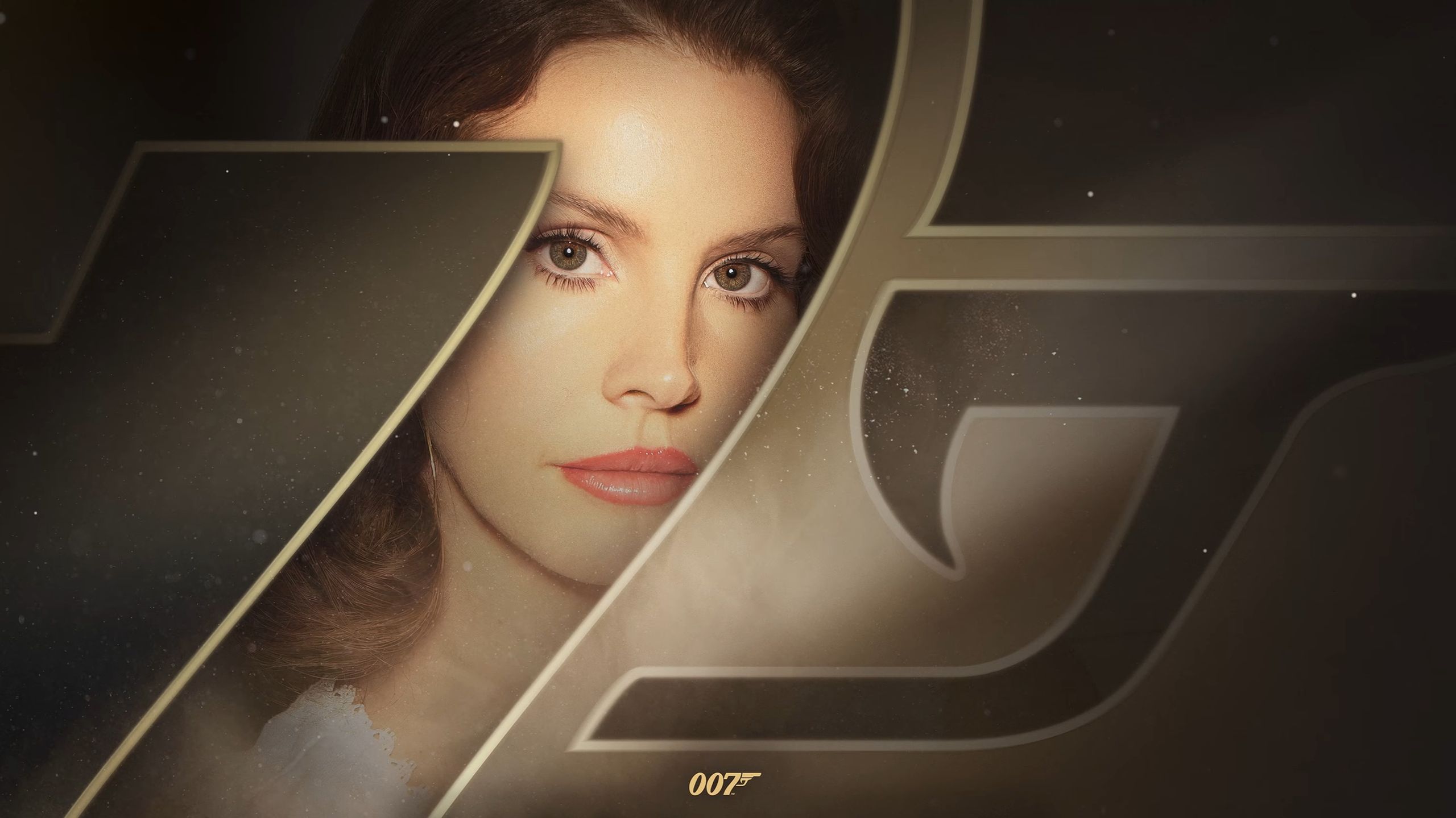
In a surprising turn of events that has sparked fierce debate across both the music and gaming industries, Lana Del Rey’s surprise-released promotional single for the interactive media sphere, 007: First Light, has officially secured a Grammy nomination. Composed alongside Joe Henson and Alexis Leon Smith, the track has clawed its way into contention for the prestigious "Best Score Soundtrack For Videogames and Other Interactive Media" category for the upcoming 2027 Grammy Awards.
While a Grammy nod is typically treated as an unmitigated triumph for any recording artist, this particular nomination has laid bare a fascinating cultural fault line. Critics and gaming commentators alike have pointed out the paradoxical nature of the achievement: a track widely criticized at its launch for sounding like derivative "Bond karaoke" is now being recognized by the highest authority in global music.
This analysis examines the trajectory of 007: First Light, dissecting its controversial sonic identity, the strict eligibility criteria governing the Grammy Awards’ interactive media categories, and the broader implications of pop superstardom intersecting with video game scoring. As the industry looks toward the February 2027 ceremony, the nomination serves as a compelling case study on the mechanics of prestige, stylistic pastiche, and the evolving relationship between mainstream pop royalty and the multi-billion-dollar interactive entertainment sector.
Detailed Chronology: From Surprise Drop to Grammy Contention
The journey of 007: First Light began earlier this year with a sudden, unannounced rollout that immediately caught the entertainment world off guard. Without the traditional months-long rollout campaign typically associated with major cinematic or interactive franchise tie-ins, the single materialized on streaming platforms overnight.
- The Initial Release: Dropped with minimal fanfare, the track was instantly framed as a major cultural crossover. Lana Del Rey—an artist celebrated for her cinematic, melancholy Americana and retro Hollywood aesthetics—seemed, on paper, to be a natural fit for the shadowy, high-stakes universe of espionage. However, the initial consumer and critical reaction was sharply divided. Rather than being hailed as an innovative masterstroke, early reviews characterized the song as a predictable pastiche.
- The Critical Backlash: Reviewers quickly took to digital forums and gaming publications to voice their disappointment. Critics noted that the track leaned too heavily into recognizable musical tropes—sweeping orchestral brass, dramatic minor-key progressions, and moody, sultry vocal delivery—without capturing the authentic structural tension that defines legendary franchise themes like Goldfinger or Skyfall. It was frequently lambasted as "Bond karaoke," a song written by someone who studied the idea of a spy theme rather than internalizing its musical architecture.
- The Grammy Nomination Announcement: Despite the early wave of critical skepticism, the Recording Academy’s screening committees saw something entirely different in the composition. When the nominations for the 2027 Grammy Awards were unveiled, 007: First Light—credited to composers Joe Henson, Alexis Leon Smith, and featured artist Lana Del Rey—found its name among the finalists for Best Score Soundtrack For Videogames and Other Interactive Media.
This sudden pivot from internet critique to Grammy contender has reframed the conversation surrounding the track, forcing both fans and detractors to re-evaluate its place in contemporary media scoring.
Supporting Context & Metrics: The Mechanics of Gaming Soundtracks at the Grammys
To understand how a divisive pop track secured a nomination in a video game category, one must examine the specific mechanics and criteria governing the Recording Academy’s interactive media awards.
Established in 2022 to acknowledge the profound artistic and commercial maturation of video game music, the "Best Score Soundtrack For Videogames and Other Interactive Media" category bridges two massive, historically siloed creative industries. However, the intersection of traditional music industry standards and software development creates unique eligibility hurdles.
The Eligibility Maze
According to the official guidelines set forth by the Recording Academy, games that contain original music but lack a dedicated, standalone audio stream or commercial release are entirely disqualified from consideration. This specific rule explains why many critically acclaimed, masterclass video game scores fail to appear on the Grammy ballot: if the audio assets remain trapped within the game code and are never packaged into a commercial soundtrack release, they do not exist in the eyes of voting members.
This technicality often creates a chasm between what the gaming community considers the "best" scores of a given year and what the broader music industry nominates. Furthermore, because the Grammys are a peer-voted music industry institution rather than a specialized gaming awards body, voting members frequently lean toward recognizable names, established pop crossovers, and traditional orchestral arrangements over esoteric or emergent interactive audio designs.
Competitive Landscape
In securing its nomination, 007: First Light bypassed numerous traditional internal game scores to compete against a slate of heavy-hitting interactive releases. While the full category slate features diverse contenders—ranging from sweeping open-world epics to narrative-driven adventures—the presence of a pop-star-fronted theme song highlights a recurring debate within the category: should standalone promotional singles designed to market a game be judged alongside fully realized, adaptive in-game scores that dynamically respond to player choice?
Official Statements and Industry Reception
The dual narrative surrounding 007: First Light has generated significant commentary from music critics, industry insiders, and the creators themselves. While the Recording Academy has remained standardly tight-lipped regarding the specifics of why individual tracks resonated with voting blocks, the public discourse has been remarkably candid.
Industry analysts have noted that Lana Del Rey’s involvement inherently brings a massive promotional machine and baseline prestige that traditional video game composers rarely command. For the Recording Academy, elevating a track featuring a globally recognized artist like Del Rey serves to draw mainstream eyes toward a relatively young award category.

Conversely, cultural critics within the gaming space have doubled down on their initial assessments. As one prominent industry commentator succinctly put it following the nomination reveal:
"This is not a good Bond theme. Lana Del Rey may be tremendously talented, but that’s lost in the all-consuming effort to hit all the notes without understanding what connects them: The end result is a pale imitation built out of a musical stereotype that’s readily identifiable as someone trying really hard to do a Bond theme based on what they were told a Bond theme is supposed to sound like."
This sentiment captures the core artistic tension of the nomination. The track succeeds technically—it hits every expected structural beat, utilizes the requisite instrumentation, and features a powerhouse vocal performance. Yet, to purists, it lacks the organic internal logic and narrative justification that separates a genuine artistic triumph from a calculated corporate pastiche.
Future Outlook: The Road to the 2027 Grammy Awards
As the music world turns its attention toward the upcoming ceremony, the central question remains: will the perception of 007: First Light as a "sub-par pastiche" prevent it from walking away with gold, or will the undeniable star power of Lana Del Rey and the prestige of the Grammy voting body carry it to victory?
The 2027 Grammy Awards are scheduled to take place on February 7, 2027. On that night, the industry will discover whether academy voters prioritize mainstream star wattage and traditional stylistic mimicry, or if they lean toward scores that fundamentally redefine the interactive audio experience.
Regardless of the final outcome on February 7, the nomination of 007: First Light has already achieved something remarkable. It has forced a public reckoning regarding how pop music, video game marketing, and prestige awards intersect. As interactive media continues to eclipse traditional entertainment formats in global revenue and cultural footprint, the friction between traditional music industry evaluation metrics and the nuanced art of video game scoring will only intensify. Whether 007: First Light wins or loses, it stands as a lightning rod for an industry actively navigating its own identity in the digital age.