By Matt Patches
Published November 16, 2026
Executive Overview
What truly defines exceptional video game direction? To the casual player, the term often conjures images of cinematic AAA blockbusters—grandiose, multi-million dollar productions where sweeping orchestral scores, photorealistic motion-capture performances, and high-octane cinematic sequences proudly wear the director’s thumbprint. Yet, the medium’s true beauty lies in its radical diversity. Greatness takes countless forms, bridging the gap between surreal indie experiments and sprawling, genre-defining epics.
To deconstruct this frequently misunderstood art, Polygon assembled a roundtable of the creative minds behind 2026’s most ambitious titles. This elite cohort sat down to discuss the delicate, high-stakes equilibrium of artistic vision, punishing technical execution, and raw player experience. Together, they explored the invisible machinery that transforms a chaotic jumble of concept art, mechanical prototypes, and code into a legitimate Game of the Year contender.
The conversations revealed that while the industry is unified by a shared passion for interactive storytelling, the philosophies guiding its top creators are wildly divergent. From radical originality to microscopic refinement, and from two-person passion projects to massive studio juggernauts, the blueprint for a masterpiece is as varied as the games themselves.
Detailed Chronology: The Evolution of 2026’s Creative Philosophies
Tracing how a video game goes from a chaotic spark of inspiration to a polished 2026 release requires understanding the historical and ideological shifts within game direction over the past decade.
The Shift Toward Conceptual Diversity (Early Development Phases)
Years before a title hits store shelves or digital storefronts, directors must establish their north star. Historically, the industry leaned heavily on imitation—following whatever commercial trend dominated the previous fiscal year. However, the development cycles leading into 2026 marked a stark pivot. Directors are increasingly leaning into extreme creative poles.
During the roundtable, Mikael Kasurinen, director of the highly anticipated Control Resonant, emphasized a philosophy of aggressive distinctiveness. Reflecting on the early conceptual stages of Remedy Entertainment’s projects, Kasurinen argued, "You need to be distinctive. You need to be doing things that nobody else is doing." This mindset rejects safety, pushing teams to conceptualize worlds and mechanics that deliberately alienate standard design tropes in favor of singular identity.
Conversely, Eric Berger, creative lead on Queen’s Domain, adopted a diametrically opposed starting point during his project’s inception. Working alongside a remarkably lean two-person core team, Berger bypassed the anxiety of reinvention. "I don’t wanna spend a lot of time figuring out how to make it special and different," Berger noted. "I just wanna make every aspect of it as good as we can figure out how to make it." This obsession with execution over mere novelty demonstrates that direction is just as much about mastery of craft as it is about paradigm-shifting innovation.
The Spark of Absurdity and the Mid-Development Crucible
Between 2024 and 2025, these divergent philosophies collided with the harsh realities of mid-development—balancing wild conceptual ambitions with functional player engagement.
For some creators, the entire foundational vision stemmed from an intentionally absurd premise. David Jaumandreu, director of Denshattack, recalled the lightning-in-a-bottle moment when he asked a seemingly ridiculous question: What would happen if you combined the kinetic, trick-focused freedom of Tony Hawk’s Pro Skater with the rigid, heavy reality of operating a massive locomotive? Turning that absurd premise into a cohesive, playable system required years of iterative prototyping, testing the limits of how far a gameplay language can stretch before snapping under its own weight.
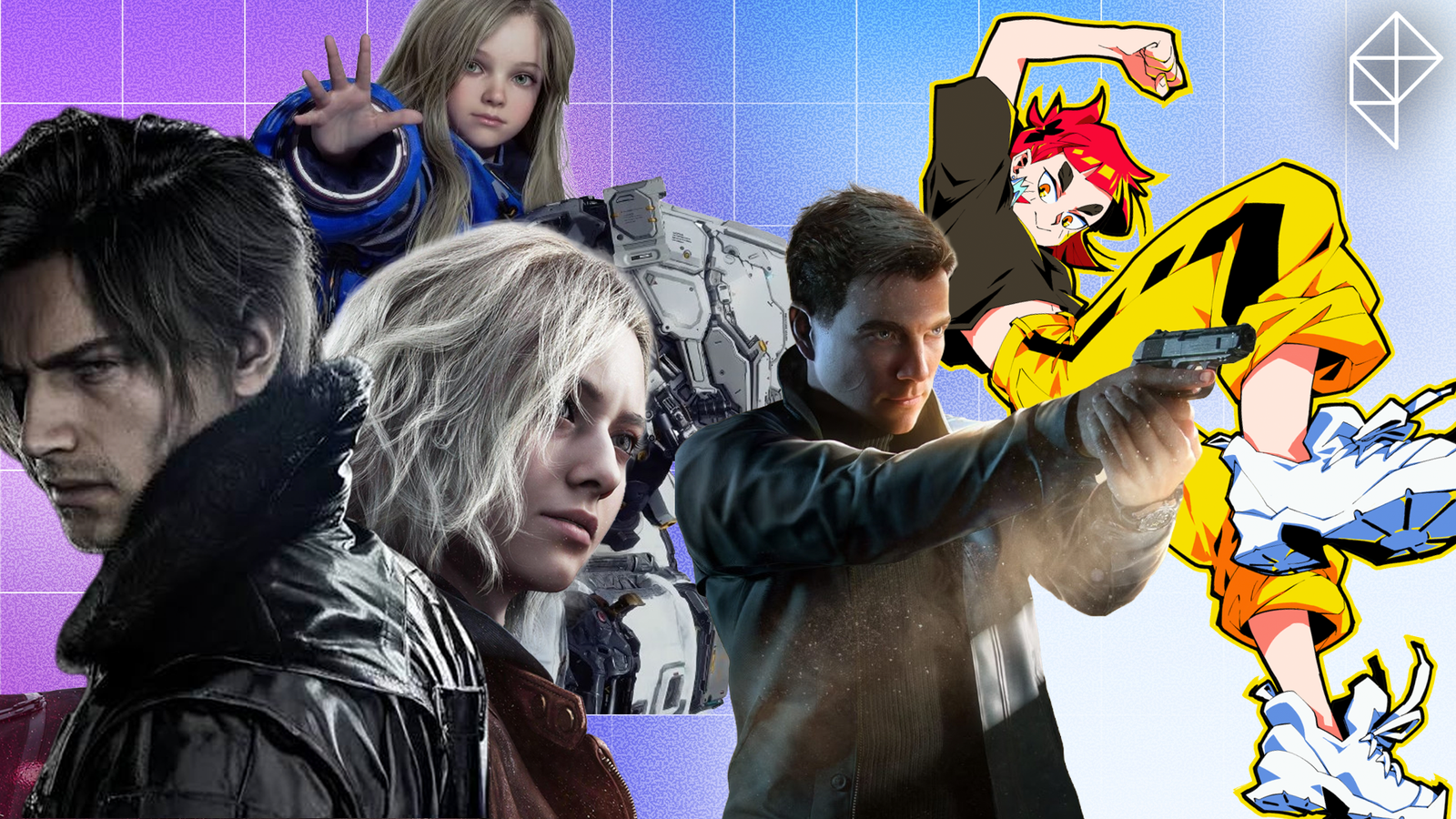
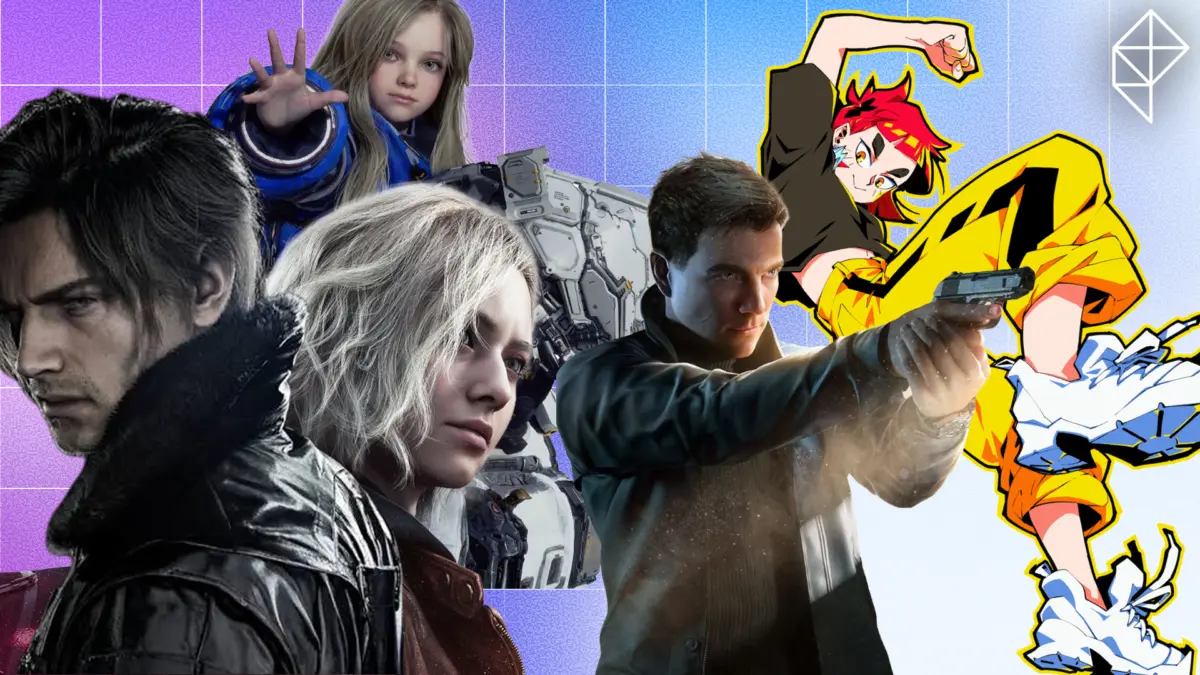
As projects like Capcom’s Resident Evil Requiem and Pragmata moved through their production pipelines, directors faced the grueling task of harmonizing terror with action, and inventing entirely new lexicons for player interaction. Teams had to figure out how to make players feel the agonizing physical and emotional weight of climbing a sheer mountain face in Cairn, while narrative-driven teams behind titles like Mina the Hollower, Star Wars: Zero Company, 007 First Light, and Zero Parades for Dead Spies wrestled with the eternal tug-of-war between difficulty, player freedom, and uncompromising storytelling.
Supporting Context & Metrics: The Anatomy of Modern Direction
To fully appreciate the insights shared by these directors, it helps to contextualize the scale and scope of the games they helm in 2026. Game direction is no longer just about shouting orders from a corner office; it is an exercise in resource management, psychological leadership, and systemic foresight.
| Game Title | Studio / Lead Creative | Core Design Philosophy | Scale / Team Dynamic |
|---|---|---|---|
| Control Resonant | Mikael Kasurinen (Remedy) | Radical Distinctiveness & Uniqueness | Mid-to-Large Studio Production |
| Queen’s Domain | Eric Berger | Relentless Quality & Craft Mastery | Ultra-Lean Two-Person Core Team |
| Denshattack | David Jaumandreu | Conceptual Hybridization (Skateboarding + Trains) | Indie Innovation Team |
| Resident Evil Requiem | Capcom Creative Team | Balancing Psychological Terror with Action Progression | Major AAA Studio Ecosystem |
| Cairn | The Game Bakers / Dev Team | Physicality, Weight, and Environmental Struggle | Specialized Mid-Sized Team |
The Invisible Architecture of Games
What links these disparate projects is the concept of "invisible decisions." While players obsess over graphics, frame rates, and narrative twists, a director’s true workload lies in the micro-choices that dictate game feel.
- Pacing Adjustments: How many seconds of silence should be granted to a player after a terrifying encounter in Resident Evil Requiem?
- Friction Metrics: Exactly how much stamina depletion feels fair versus frustrating when scaling a cliff in Cairn?
- Mechanical Translation: How do you map the controls of a high-speed train so that pulling a brake lever feels as satisfying as landing a kickflip in Denshattack?
These metrics cannot be solved by spreadsheets alone; they require a singular artistic vision that can weather the storm of playtesting feedback without losing its soul.
Official Statements & Roundtable Insights
The Polygon roundtable yielded profound reflections on what it takes to guide a video game from imagination to reality. Below are key excerpts and analyses from the creators who shaped 2026’s gaming landscape:
Mikael Kasurinen (Control Resonant) on Artistic Risk:
"You need to be distinctive. You need to be doing things that nobody else is doing."
Kasurinen’s philosophy underscores the modern AAA and AA struggle against homogenization. In a market flooded with safe sequels and derivative live-service models, true direction requires the fortitude to carve an unpaved path, even if it risks alienating broad market demographics.Eric Berger (Queen’s Domain) on the Power of Polish:
"I don’t wanna spend a lot of time figuring out how to make it special and different. I just wanna make every aspect of it as good as we can figure out how to make it."
Speaking from the perspective of an ultra-lean team, Berger highlights that innovation is not a mandatory prerequisite for greatness. Flawless execution, deep mechanical resonance, and meticulous attention to detail can elevate a familiar genre framework into high art.Matt Patches (Polygon) on the Core Takeaway:
"There’s no universal formula for great gamemaking — but everyone who joined us for this video has the creative guts to throw themselves into the work to see what happens. If you stick around to the end, you’ll come away with a richer understanding of how invisible decisions fuse with big-picture vision to produce games we’ll be talking about long after 2026."
Future Outlook: The Next Generation of Game Direction
As the industry looks past the blockbuster releases of 2026, the lessons imparted by these visionary directors point toward a fascinating future for interactive entertainment.
- The Polarization of Scale: We are witnessing a bifurcation in the industry. On one hand, studios like Capcom continue to push the boundaries of technical scale and cinematic integration with Resident Evil Requiem and Pragmata. On the other hand, hyper-focused, agile teams like the creators of Queen’s Domain and Denshattack prove that small footprints can yield massive creative impact.
- The Evolution of Game Feel: As physics engines and haptic feedback technologies mature, future directors will place an even greater emphasis on tactile realism—making digital actions feel physically visceral, as seen in projects like Cairn.
- Redefining Success: The old metric of simply chasing graphical fidelity is rapidly giving way to a renewed appreciation for holistic design harmony. As Kasurinen, Berger, and Jaumandreu demonstrated, whether you choose to reinvent the wheel or simply polish it until it shines blindingly bright, the defining trait of a great director remains the same: the courage to see a vision through to its absolute end.
Ultimately, the games of 2026 remind us that direction is not merely about managing a budget or calling the shots on a script. It is the invisible glue holding together disparate forms of human expression, crafting experiences that linger in our memories long after the credits roll.