Executive Overview
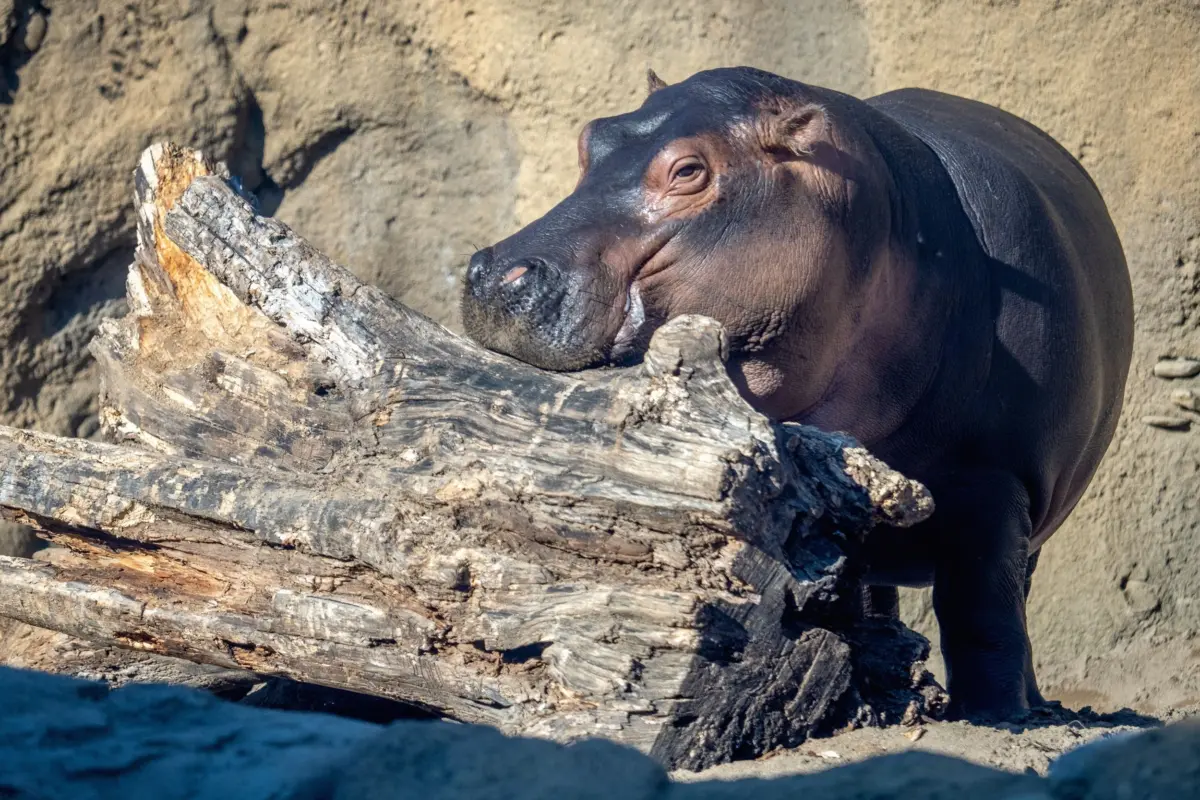
The global zoological community and millions of animal lovers worldwide are mourning the loss of Fiona, the Cincinnati Zoo’s iconic hippopotamus. Beloved from the moment of her premature birth in 2017, Fiona captured hearts with her resilient spirit, defying the odds to grow into a vibrant, 2,500-pound ambassador for her species. Tragically, Fiona’s life was cut short at just nine years old due to acute medical complications following the accidental ingestion of a knit hat.
The incident, which occurred in early November, highlights a persistent and harrowing danger in modern zoological management: the intersection of public interaction and captive wildlife safety. A seemingly innocuous item of winter clothing, tossed carelessly into the air by a child, found its improbable path past protective barriers, setting off a fatal chain reaction within Fiona’s digestive tract.
Despite an exhaustive, multi-day intervention involving veterinary specialists, advanced medical equipment borrowed from regional institutions, and non-invasive therapeutic measures, the physiological constraints of treating a massive megaherbivore proved insurmountable. Fiona’s death has sparked urgent conversations among veterinarians, animal welfare advocates, and zoo administrators regarding exhibit safety, the immense physiological hurdles of veterinary medicine for massive species, and the critical need for heightened public mindfulness around animal enclosures.
Detailed Chronology: From Accidental Ingestion to Tragic Decline
The sequence of events that led to Fiona’s sudden decline unfolded over the course of several days in November, transforming a normal autumn week at the Cincinnati Zoo into a desperate medical emergency.
The Breach and Ingestion
According to official reports released by zoo administrators, the incident began when a visitor—specifically a child—tossed a knit hat into the air near the hippo habitat. The trajectory of the cap proved disastrously precise. The hat collided with an overhead ceiling fan, which violently redirected its momentum, launching it through a narrow, one-foot architectural gap positioned directly above the enclosure’s 12-foot-tall viewing window.
The hat landed inside the habitat, where Fiona—exhibiting the natural exploratory behaviors characteristic of her species—investigated and ingested the item. Zoo officials later established that the ingestion occurred on or about Sunday, November 8.
The Initial Phase and Onset of Symptoms
In the immediate aftermath of swallowing the foreign object, Fiona appeared entirely asymptomatic. For the first few days, zookeepers noted no behavioral anomalies, and her routines remained normal. However, veterinary science dictates that a foreign body of non-digestible material moving through an animal’s gastrointestinal tract can behave like a ticking clock.
By mid-week, Fiona’s condition began a sharp, alarming deterioration. She experienced a sudden loss of appetite, prompting immediate concern from her care team. Recognizing that the hat was failing to pass naturally, zoo veterinarians initiated a rigorous diagnostic and supportive care protocol.
Diagnostic Interventions and Desperate Measures
By Tuesday, the situation had escalated. Veterinarians placed Fiona under light anesthesia—a delicate procedure in itself—to perform baseline bloodwork and conduct an ultrasound. The diagnostic imaging revealed concerning signs, including a noticeable "bunching of intestines," indicating that the gastrointestinal tract was struggling to process contents past an obstruction. Bloodwork also revealed that Fiona was becoming dehydrated, placing additional strain on her cardiovascular system.
With major surgery ruled out due to prohibitive anesthetic and physiological risks, the Cincinnati Zoo’s medical team deployed an array of conservative and supportive interventions. They administered rectal fluids, enemas, and specialized medications designed to manage nausea, vomiting, and encourage gastrointestinal motility. In an effort to reach the obstruction without invasive surgery, the zoo coordinated with the nearby Columbus Zoo to borrow a specialized nine-foot medical scope.
As the window of hope narrowed on Wednesday, caretakers sought unorthodox solutions, borrowing a high-vibration plate from a local equine facility. The intention was to use gentle, whole-body mechanical vibrations to stimulate movement within Fiona’s massive digestive tract. Caretakers also offered her favorite sensory stimuli, including the scent of coffee, to encourage responsiveness and maintain her morale.
Despite these exhaustive, round-the-clock efforts, Fiona’s body succumbed to the systemic shock caused by the intestinal blockage. She passed away on Thursday, leaving her keepers, the Cincinnati community, and a global following devastated.
Supporting Context & Metrics: The Anatomy of a Megaherbivore Crisis
To the layperson, the idea that a lightweight knit hat could prove fatal to a robust, 2,500-pound animal seems counterintuitive. However, the internal biology of a hippopotamus presents unique medical challenges that make foreign object ingestion uniquely catastrophic.
[Knit Hat Ingested]
        │
        ▼
[Stuck in 100+ Foot Intestinal Tract]
        │
        ▼
[Abdominal Swelling & Pressure] ──► [Intestinal Twisting (Volvulus)]
        │                                         │
        ▼                                         ▼
[Blood Circulation Cut Off] ──────────────► [Tissue Necrosis/Death]
        │
        ▼
[Bacterial Breakdown & Toxin Release]
        │
        ▼
[Intestinal Leakage / Septic Shock] ────► [Systemic Organ Failure & Death]
The Scale of the Digestive Tract
Dr. Jan Hawkins, head of the clinical science department at North Carolina State University’s College of Veterinary Medicine, explains that a hippo’s gastrointestinal system is vast and complex—resembling, in veterinary terms, an extremely long, single-lane highway.
While the human small and large intestines measure a modest 25 feet combined, a hippo’s intestinal tract is estimated to span well over 100 feet, with the small intestine alone accounting for more than 70 feet. In a healthy hippo, liquids traverse this system in as little as 12 hours, while solid food takes two to three days. When a foreign object disrupts this flow, the physiological consequences cascade rapidly.
The Mechanics of Obstruction: Swelling and Toxemia
Dr. Hawkins notes that a blockage of this scale typically triggers one of two lethal pathways:
- Ischemia and Tissue Necrosis: A lodged object generates intense localized pressure and swelling within the abdomen. This pressure can constrict blood vessels, cutting off circulation to sections of the intestinal wall. Deprived of oxygen, the tissue dies, turning green or black. Dead intestinal tissue quickly loses its structural integrity, leading to leaks or ruptures that spill digestive contents into the abdominal cavity.
- Volvulus (Intestinal Twisting): As heavy or bulky objects stall peristalsis—the wave-like muscular contractions that move food through the gut—the intestines can begin to twist around the obstruction. This twisting further compromises blood flow, accelerating tissue death and initiating the same catastrophic cascade of internal leakage.
Once dead tissue and digestive bacteria breach the intestinal barrier and enter the bloodstream, the animal enters a state of septic shock. Toxins provoke widespread inflammation, leading to rapid, multi-organ failure.
The Stomach System and Material Complications
Hippos possess a specialized, multi-chambered stomach—typically described as having three distinct compartments, each serving a unique digestive function. The first chamber harbors massive colonies of bacteria and protozoa designed to break down coarse fibrous vegetation. The final chamber utilizes high concentrations of hydrochloric acid and digestive enzymes to reduce material to its smallest components.
The composition of the ingested hat played a critical role in its inability to pass. If the cap was crafted from organic, degradable fibers like cotton, partial breakdown might have occurred. However, if the item contained synthetic materials—such as polyester, acrylic blends, or non-collapsible components like rigid brims or thick elastic bands—it would resist degradation entirely. Unlike a flexible hair scrunchie that can compress and pass through, a rigid or tightly knit cap retains its structural volume, virtually guaranteeing a blockage in narrow intestinal passages.
Why Surgery Was Impossible
Public inquiries frequently center on why surgical intervention was not attempted. Dr. Rebecca Lewison, a biology professor at San Diego State University and co-chair of the IUCN Hippo Specialist Group, emphasizes that surgical procedures on hippopotamuses carry astronomical, often prohibitive risks.
- Anesthetic Unpredictability: Hippos exhibit notoriously irregular and unpredictable reactions to standard sedation and anesthesia. Medications routinely used safely on other large megaherbivores, such as elephants and rhinos, can be fatal to hippos for reasons veterinary science does not yet fully understand.
- Respiratory and Mechanical Constraints: Administering general anesthesia requires artificial ventilation. Ventilating a 2,500-pound animal demands specialized, heavy-duty machinery. Furthermore, positioning an animal of this mass for surgery requires industrial hoists and specialized surgical tables—infrastructure that few facilities possess. Without proper support, the sheer weight of a hippo’s body pressing down on itself during prolonged anesthesia cuts off oxygen circulation and crushes underlying tissues.
- Systemic Vulnerability: Because diagnostic tests already revealed that Fiona was dehydrated and suffering from declining health, her body lacked the physiological reserve required to survive the trauma of exploratory abdominal surgery.
Official Statements and Institutional Reflection
The loss of Fiona has prompted profound grief and introspection within the zoological community, particularly at the Cincinnati Zoo, which watched her grow from a fragile, 29-pound premature calf into a global conservation icon.
In a series of public video updates and statements released throughout the week, Cincinnati Zoo officials detailed the exhaustive measures taken by their veterinary staff in collaboration with regional specialists. The institution underscored that every possible avenue of conservative treatment was explored, emphasizing that their decisions were guided strictly by the collective expertise of veterinary human specialists, pharmacologists, and experienced zookeepers.
"Her care team even offered her a sniff of coffee, a scent she always has really liked, and they were happy to see her respond," zoo officials shared in a Wednesday evening update, reflecting the deep, personal bonds formed between the animal care staff and the wildlife under their stewardship.
Dr. Hawkins commended the zoo’s medical response, noting that the veterinary team "threw everything at her but the kitchen sink" and worked tirelessly to "leave no stone unturned" in an effort to save her life.
Future Outlook: Lessons Learned and Enclosure Safety
Fiona’s untimely death serves as a watershed moment for modern zoological institutions, casting a harsh spotlight on the vulnerabilities inherent in public-animal interfaces. While modern zoos invest heavily in naturalistic, immersive exhibits designed to bring visitors closer to wildlife, this design philosophy must perpetually balance guest experience with absolute containment security.
Rethinking Exhibit Architecture
The bizarre trajectory of the knit hat—projected upward by a visitor, deflected by a ceiling fan, and channeled through a one-foot architectural gap—demonstrates that foreign object hazards can originate from unexpected vectors. In the wake of this tragedy, zoological facilities worldwide are conducting comprehensive safety audits of their habitats. Key areas of evaluation include:
- Airflow and Ventilation Integration: Assessing the placement of overhead fixtures, fans, and heating elements relative to visitor viewing areas to prevent deflected airborne items from entering animal spaces.
- Barrier Modifications: Evaluating viewing window heights, gaps, and mesh overhangs to eliminate minor architectural openings that could allow wind-carried or tossed debris to cross the threshold.
- Visitor Education and Surveillance: Implementing more aggressive educational campaigns regarding the dangers of foreign objects, alongside enhanced monitoring and rapid-response protocols for retrieval when items accidentally breach boundaries.
Fiona’s Enduring Legacy
Beyond the operational adjustments prompted by her passing, Fiona’s legacy remains secure in the annals of conservation history. As the first Nile hippopotamus born alive in captivity at a premature gestational age to survive, she shattered scientific expectations and galvanized public interest in hippopotamus conservation—a species facing escalating pressures across its native sub-Saharan African range due to habitat loss and human-wildlife conflict.
While her life was tragically abbreviated by a preventable accident, the discourse generated by her passing will undoubtedly reshape veterinary protocols and exhibit engineering, ultimately safeguarding countless other captive animals. Fiona leaves behind a profound impact, reminding the world of the delicate stewardship required to bridge the gap between human visitors and the magnificent wildlife with which we share the planet.