Executive Overview
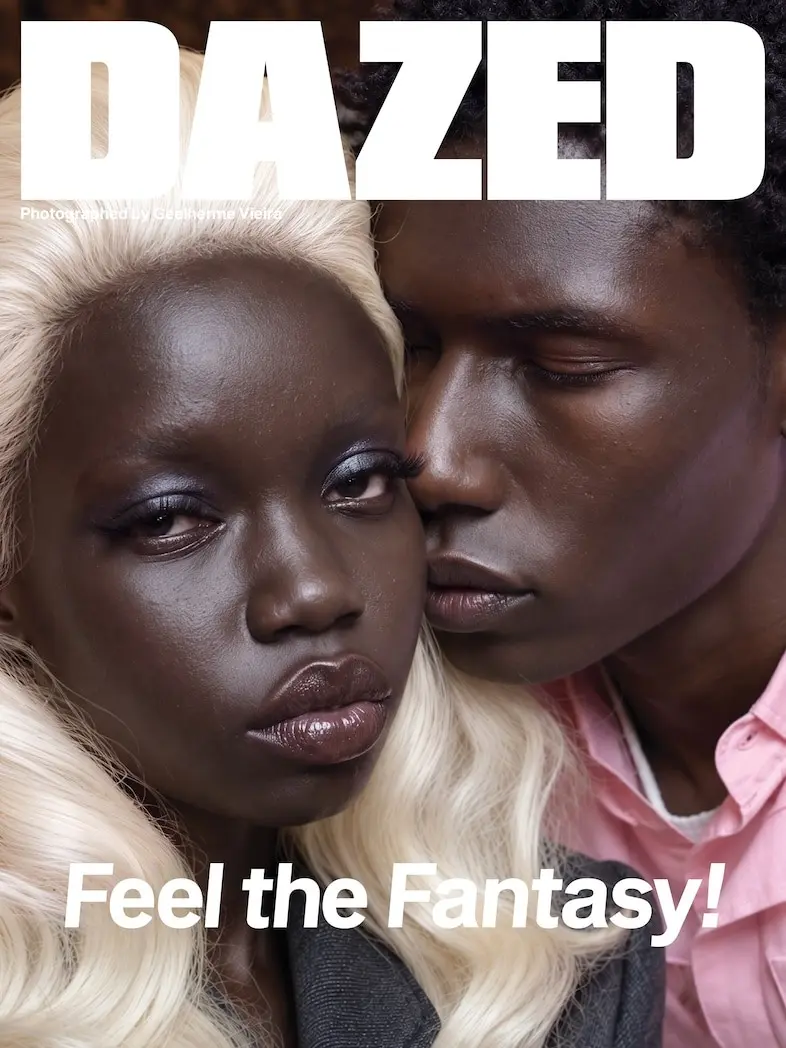
The intersection of high fashion, cinematic history, and high-stakes commerce rarely manifests with the serendipitous chaos that defined Dazed magazine’s Winter 2026 cover shoot. Conceptualized through a casual exchange of digital imagery and brought to life within the gilded, centuries-old chambers of a private Versailles mansion, the editorial stands as a masterclass in modern visual storytelling.
At its creative helm are stylist and creative consultant Toariki Dexter and photographer Guilherme Vieira. Together, they orchestrated a narrative steeped in the psychological and erotic tensions of classic and contemporary cinema. Drawing inspiration from cinematic milestones ranging from Claude Autant-Lara’s 1958 French masterpiece Love Is My Profession (En cas de malheur) to Stanley Kubrick’s final psychological odyssey Eyes Wide Shut, the issue explores the intricate dynamics of power, surrender, opulence, and unapologetic female agency.
Yet, beyond the conceptual rigor of the fashion narrative lies a layer of compelling architectural irony. The entire production was staged inside a functioning, historic Versailles estate where every piece of 17th- and 18th-century furniture, art, and decor was actively listed for sale. This unique operational reality meant that while models Summer Dirx, Aker Ajak, Ilyana Yousfi, Tobias Burghart, and Maxime Laval posed in deeply intimate, psychologically charged tableaux, prospective buyers casually drifted through the rooms to inspect antique sideboards and gilded tables.
This comprehensive report examines the genesis, execution, and cultural implications of the Winter 2026 cover story. Through an exhaustive look at the creative vision, logistical challenges, production metrics, and industry context, we dissect how Dazed continues to push the boundaries of contemporary fashion journalism.
Detailed Chronology: From Digital Genesis to Versailles Execution
The Text That Started It All: Conception and Inspiration
The genesis of the Winter 2026 cover feature can be traced back to a digital artifact: a text message sent by Toariki Dexter to Guilherme Vieira. Attached to the message were several carefully curated stills from the 1958 French drama Love Is My Profession, starring screen icon Brigitte Bardot alongside legendary French actor Jean Gabin.
For Vieira, the impact of the images was instantaneous. "I loved them straight away," he recalls, identifying the core emotional thread that would ultimately tie the entire editorial together. "I wanted to play with that tension between desire and possession, with the women in control and the men willingly giving in to them. That feeling of being so into someone that you almost surrender to them."
This foundational concept—a reversal of traditional power dynamics where female dominance is met with willing, almost devotional capitulation—provided a robust framework. However, rather than remaining a strict historical homage, the vision rapidly expanded under Dexter’s stylistic direction.
Expanding the Cinematic Canon
Building upon the 1950s aesthetic of Bardot’s brooding Parisian drama, Dexter began integrating references from a broader lineage of sexually charged, psychologically complex cinema. The mood board evolved to encompass films that explore the shadowy, opulent underbelly of human desire, wealth, and clandestine rituals.
"It then evolved into this direction of lady-like, sexy, strong women," Dexter explains. The stylistic vocabulary expanded to borrow visual cues, lighting schemes, and atmospheric tension from a diverse cinematic pantheon:
- Stanley Kubrick’s Eyes Wide Shut (1999): Providing an undercurrent of masked mystery, wealth, ritualistic power play, and architectural grandeur.
- Halina Reijn’s Babygirl (2024): Bringing contemporary examinations of corporate power dynamics, vulnerability, and subversion to the styling choices.
- Luis Buñuel’s Belle de Jour (1967): Infusing the wardrobe with a bourgeois elegance that masks secret desires and transgressive double lives.
"We wanted to show a sort of freedom, love, desire, opulence, and game of power that you find in movies like Eyes Wide Shut, Babygirl, and Belle de Jour," Dexter notes. "Maybe also a mystery and intrigue about what these people are doing in this place."
The Versailles Location: High Art Meets Real-Time Commerce
Finding a location capable of holding the weight of these cinematic references led the production team to a historic private mansion nestled in the prestigious landscape of Versailles. The venue offered soaring ceilings, ornate boiserie, cascading drapery, and authentic period architecture that instantly transported the crew out of the 21st century.
However, the location came with an eccentric and demanding catch: the mansion functioned as a live, high-end antique gallery. Every single piece of 17th- and 18th-century furniture, every gilded mirror, and every antique console table was actively on the market.
This logistical reality transformed the set into a surreal theater of the absurd. While Vieira captured moments of intense emotional charge and calculated seduction through his lens, prospective buyers and art dealers frequently interrupted the proceedings to evaluate the very surfaces the models were leaning on, lounging across, or interacting with.
"Since everything in the space was for sale, people kept coming in and out to look at things," Vieira recounts with amusement. "We were creating this whole world of desire and power while someone was potentially shopping for the table Summer was lying on!"
Supporting Context & Metrics: Behind the Scenes of a Major Editorial
Producing a cover shoot of this magnitude requires an elite ecosystem of hair stylists, makeup artists, casting directors, and production coordinators. Below is a comprehensive breakdown of the creative forces and logistical parameters that brought the Winter 2026 issue to life.
Production Credits & Creative Team
- Publication: Dazed Magazine (Winter 2026 Issue)
- Release Date: Internationally on sale from November 26 (Pre-order available via Boutique Galleria)
- Photographer: Guilherme Vieira
- Stylist & Creative Consultant: Toariki Dexter
- Styling Assistant: Bohdan Puzyk
- Casting Director: Mischa Notcutt (at 11 Casting)
- Producer: Mahana Walker
- Production Assistant: Paul Debusscher
Hair & Makeup Department
- Hair Stylist: Natsumi Ebiko (represented by Interlude Project)
- Hair Assistants: Tenju Okazaki, Takeru Urushibara
- Make-up Artist: Josh Bart (utilizing products by NARS)
- Make-up Assistant: Yuka Nishi
Talent Roster & Agency Representation
The narrative required a diverse cast of dynamic models capable of conveying complex psychological undercurrents and shifting power dynamics:
- Summer Dirx (Monster Management)
- Aker Ajak (Elite Model Management)
- Ilyana Yousfi (IMG Models)
- Tobias Burghart (IMG Models)
- Maxime Laval (M Models Management)
Quantitative Overview of the Production Scale
| Metric / Parameter | Detail / Value |
|---|---|
| Primary Cinematic Inspirations | Love Is My Profession (1958), Belle de Jour (1967), Eyes Wide Shut (1999), Babygirl (2024) |
| Geographic Setting | Historic Private Mansion, Versailles, France |
| Set Environment Condition | Active commercial antique gallery (open to prospective buyers during shoot) |
| Total Cast Members | 5 primary editorial models |
| Agencies Involved | Monster Management, Elite, IMG Models, M Models Management, 11 Casting |
| Issue Release Window | Winter 2026 (International distribution starting November 26) |
Official Statements & Creative Insights
The intentionality behind the Winter 2026 cover shoot extends far beyond surface-level aesthetics. Through statements gathered from the creative team, a deeper understanding of the editorial’s thematic architecture emerges.
Guilherme Vieira on Visualizing Surrender
Discussing the core visual language of the shoot, Vieira emphasizes that the imagery was designed to challenge traditional tropes of passive femininity in fashion photography. By anchoring the poses in the 1958 dynamic between Brigitte Bardot and Jean Gabin, Vieira sought to examine how desire can manifest as an active, controlling force for women, while men find liberation in yielding control.
"I wanted to play with that tension between desire and possession, with the women in control and the men willingly giving in to them. That feeling of being so into someone that you almost surrender to them." — Guilherme Vieira, Photographer
Toariki Dexter on the Evolution of the Narrative
Dexter elaborates on how the styling journey expanded from a singular mid-century cinematic reference into a sprawling exploration of modern and classic sexuality. By weaving together the bourgeois discretion of Belle de Jour with the unsettling psychological opulence of Eyes Wide Shut and the contemporary corporate-subversive energy of Babygirl, Dexter curated a wardrobe that speaks to timeless themes of power and allure.
"It then evolved into this direction of lady-like, sexy, strong women. We wanted to show a sort of freedom, love, desire, opulence and game of power that you find in movies like Eyes Wide Shut, Babygirl and Belle de Jour. Maybe also a mystery and intrigue about what these people are doing in this place." — Toariki Dexter, Stylist
Future Outlook: The Legacy of Dazed’s Winter 2026 Vision
As print media continues to navigate an increasingly digital landscape, editorial features that rely on rich cinematic world-building, high conceptual ambition, and genuine spatial irony stand out as vital cultural artifacts. Dazed magazine has long positioned itself at the vanguard of youth culture, style experimentation, and avant-garde art direction, and the Winter 2026 issue firmly maintains that trajectory.
The success of the Versailles cover shoot suggests several emerging directions for high-fashion editorial production:
- The Cinematic Fusion: Expect an increase in multi-film cross-references within editorial styling, moving away from simple trend reporting toward deep narrative world-building that borrows heavily from auteur cinema.
- Immersive and Unpredictable Locations: The charming friction between high fashion and everyday commerce—exemplified by art buyers wandering through a high-end photography set—demonstrates the appeal of authentic, unpolished spatial dynamics over sanitized, sterile studio environments.
- The Reimagining of Power Dynamics: As cultural conversations surrounding agency, desire, and submission continue to evolve, fashion imagery is increasingly leaning into complex, non-binary interpretations of dominance and surrender.
For collectors and enthusiasts, the Winter 2026 issue of Dazed—available internationally and for pre-order via Boutique Galleria—serves as more than just a seasonal style guide. It stands as a permanent record of a unique afternoon in Versailles where cinema met reality, antique commerce collided with high fashion, and the timeless game of sexual cat and mouse was played out under the watchful eyes of history.