Executive Overview
For over a decade, FromSoftware has stood undisputed as the master architect of punishing, immersive single-player action-RPGs. From the sprawling, desolate gothic landscapes of Bloodborne to the towering verticality of Sekiro: Shadows Die Twice and the majestic open-world triumph of Elden Ring, the Japanese studio carved out a legendary reputation by teaching players how to embrace failure, master timing, and overcome insurmountable odds on their own terms.
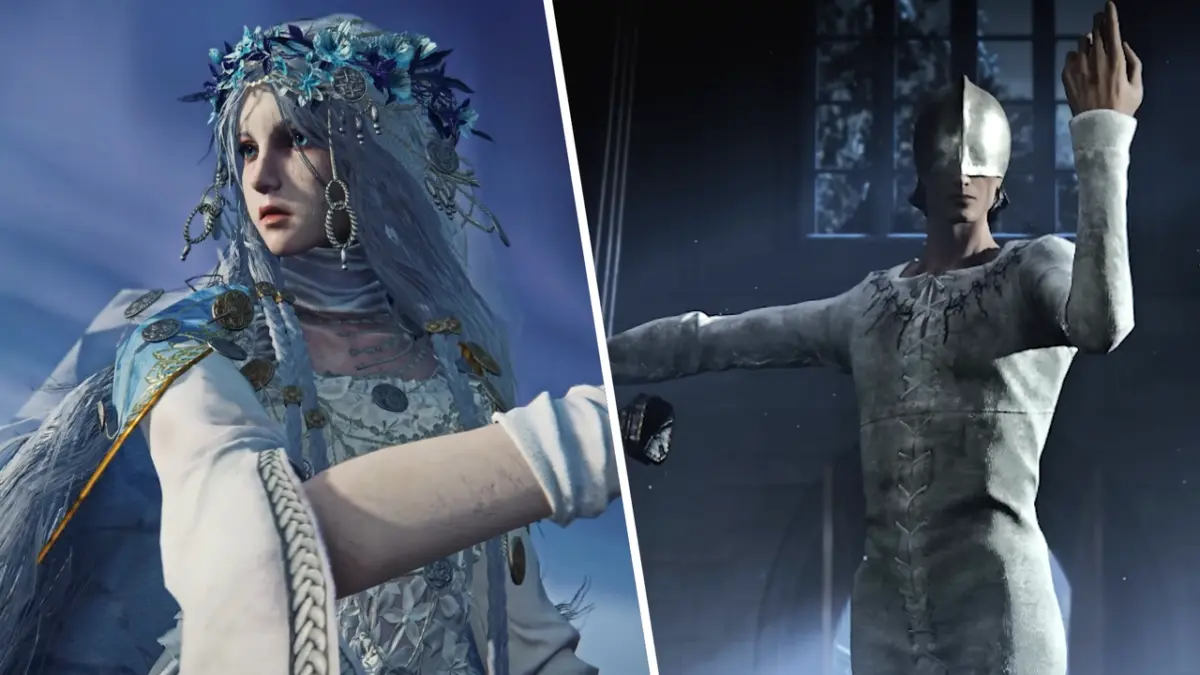
However, recent developments have led to whispers across the gaming community. With the explosive, record-shattering debut of Elden Ring: Nightreign—a title that sold over two million copies in under a week—and the upcoming release of The Duskbloods (slated as a high-profile Nintendo Switch 2 exclusive), FromSoftware appears to be pivoting toward the multiplayer space. This sudden influx of cooperative and competitive multiplayer experiences has left many fans wondering if the studio famous for brutal, solitary gauntlets is transitioning into a live-service or multiplayer-centric developer.
Fortunately, FromSoftware President and visionary director Hidetaka Miyazaki has stepped forward to clear the air. In a recent interview, Miyazaki addressed these concerns head-on, reassuring the global gaming community that the simultaneous arrival of Nightreign and The Duskbloods is purely a matter of scheduling coincidence rather than a strategic corporate realignment. Single-player experiences remain deeply rooted in FromSoftware’s DNA, and the studio’s legendary commitment to crafting soul-crushing, controller-shattering solo campaigns is entirely intact.
Detailed Chronology: The Evolution of FromSoftware’s Multiplayer Identity
To understand why fans are currently experiencing whiplash over FromSoftware’s recent slate of releases, it is helpful to look back at how the studio historically approached multiplayer mechanics.
The Asynchronous Roots
From Demon’s Souls onward, FromSoftware was never entirely divorced from multiplayer, though its implementation was famously idiosyncratic. Instead of traditional lobbies or matchmaking queues, games like the Dark Souls trilogy and Bloodborne utilized asynchronous multiplayer. Players could leave cryptic messages on the ground to warn (or deceive) others, view fleeting phantom projections of fellow gamers navigating the same treacherous zones, and cross paths through cooperative summoning or adversarial invasions.
While these systems fostered a deeply atmospheric, communal sense of shared suffering, the core experience remained strictly single-player. You entered the fog gate alone; you died alone; and the ultimate victory against a screen-filling boss was yours and yours alone.
The Mech Series and Niche Experiments
Long before Dark Souls defined modern action-RPGs, FromSoftware was also widely recognized for its robust, cult-favorite mecha franchise, Armored Core. While Armored Core historically featured competitive multiplayer modes, these components were secondary to the grueling campaign loops of assembling, testing, and piloting bespoke war machines through dystopian battlefields.
The Modern Multi-Project Convergence
The current confusion stems from an unprecedented compression of release timelines. When Elden Ring launched in 2022 to universal critical acclaim, its open-world design revitalized the studio’s classic formula on a massive scale. Yet, internally, FromSoftware’s development pipelines were branching out in unexpected directions.
The conception of Elden Ring: Nightreign began as an exploration of how the engine, lore, and combat fluidity of Elden Ring could be adapted into a focused, session-based multiplayer environment. Concurrently, separate creative teams began shaping The Duskbloods. Through pure happenstance of development milestones, production cycles, and QA timelines, both projects matured and cleared production around the same window, resulting in a sudden back-to-back delivery of multiplayer-focused experiences that caught the community—and arguably the industry—by surprise.
Supporting Context & Metrics: The Phenomenon of Nightreign and Industry Reception
The commercial and critical reception of FromSoftware’s multiplayer ventures proves that the studio’s touch extends far beyond traditional solo campaigns. However, it also highlights the delicate tightrope the developer must walk to keep its core fanbase satisfied.
Elden Ring: Nightreign’s Blistering Debut
The release of Elden Ring: Nightreign proved that FromSoftware’s audience was more than ready for a cooperative shift, provided the execution met the studio’s notoriously high standards. Within its first seven days on the market, Nightreign blasted past the 2 million copies sold milestone.
Reviewers and veterans alike noted that the title managed to successfully reignite the exact brand of white-knuckle tension and tactical coordination that players felt the first time they stepped into Limgrave. By distilling the frantic survival elements, build diversity, and crushing difficulty of the base game into a tighter, team-oriented loop, Nightreign avoided the pitfalls of generic live-service traps, opting instead for a focused, premium middleweight multiplayer experience.
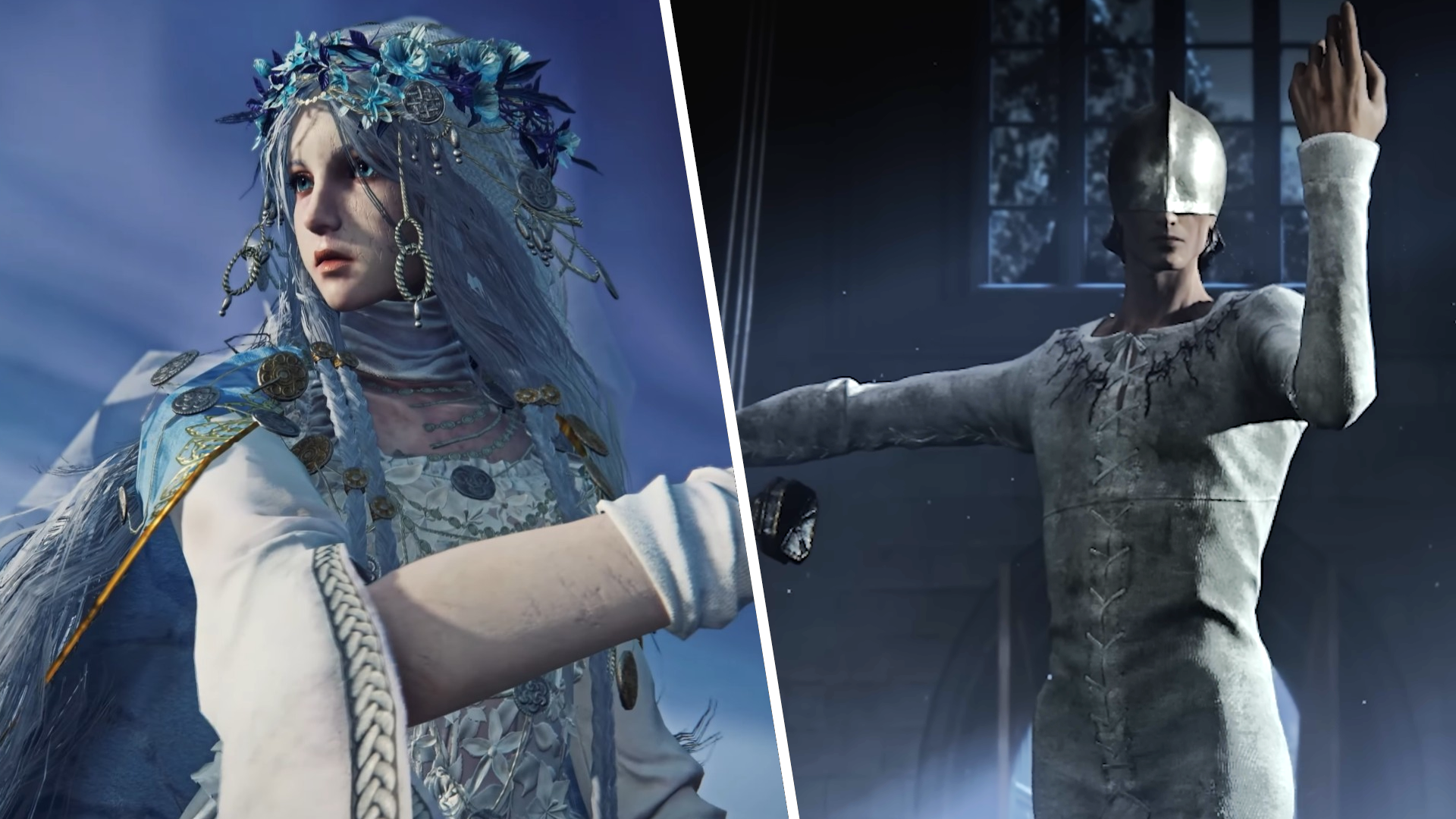
The Duskbloods Paradox
On the other side of the coin sits The Duskbloods. While early gameplay breakdowns have garnered positive buzz among longtime series enthusiasts for their technical ambition and stylish combat sensibilities, the title’s announcement was accompanied by a wave of vocal frustration from a specific segment of the community: PC and multiplatform gamers lamenting its status as a Nintendo Switch 2 exclusive.
This dual rollout of Nightreign and The Duskbloods generated a narrative vacuum. In the absence of a major new single-player mainline announcement, observers began to wonder if FromSoftware was stepping away from the solitary, immersive dark fantasy epics that made them a household name.
Official Statements: Hidetaka Miyazaki Puts Rumors to Rest
Addressing these existential fan anxieties directly, Hidetaka Miyazaki sat down with IGN to clarify FromSoftware’s long-term trajectory. His comments serve as a definitive reassurance to anyone worried that the studio had abandoned its roots.
"It’s not necessarily some big reveal saying this is the direction we plan to go in moving forward," Miyazaki stated firmly. "We still have a heavy focus on single-player content as well. This is just something that happened to work out the way it did. It’s funny, because there was never really any big plan that these two games would both release next to each other."
Miyazaki’s candor underscores the decentralized, creative-led development structure at FromSoftware, where individual teams are given the autonomy to pursue passionate, distinct concepts. At the same time, Miyazaki did not hide his genuine enjoyment of the development process behind these multiplayer titles.
"Personally, it’s very fun to make a multiplayer game like this," he admitted. "It’s not something we’ve done a lot and we’re looking forward to seeing players’ reactions and getting feedback."
Crucially, Miyazaki acknowledged a psychological phenomenon familiar to any creative team operating at the highest level of intensity: working extensively within one discipline naturally breeds a craving for its opposite. After spending years designing cooperative frameworks, network infrastructures, and multiplayer balancing metrics, the desire to return to pure, unadulterated single-player design becomes overwhelming.
Miyazaki’s concluding sentiments on the matter capture this cyclical creative hunger—a sentiment echoed by millions of players who simultaneously love the chaos of co-op and the solitary triumph of conquering a legendary boss entirely on their own merit.
Future Outlook: What Lies Beyond the Horizon?
With the air cleared by FromSoftware’s leadership, the horizon looks brighter than ever for both factions of the studio’s fanbase. Multiplayer enthusiasts have Nightreign continuing to evolve alongside community updates, while players tied to the Nintendo ecosystem anticipate The Duskbloods.
However, the definitive takeaway from Miyazaki’s reassurances is that the core FromSoftware identity remains uncompromised. The studio has not abandoned the grueling, atmospheric, controller-threatening single-player adventures that defined the past fifteen years of gaming history. If anything, the brief detour into multiplayer experimentation serves as a palate cleanser, injecting fresh design perspectives, technical innovations, and mechanical fluidity that will inevitably feed back into whatever monolithic single-player masterwork they decide to build next.
Whether that next project is a long-awaited spiritual successor, a bold new intellectual property, or—dare the parry-obsessed community dream—a follow-up to the breathless fencing mechanics of Sekiro, one thing is certain: FromSoftware knows who they are, and they know what their audience loves. The era of the solitary hero staring down an apocalyptic horizon is far from over.