Executive Overview
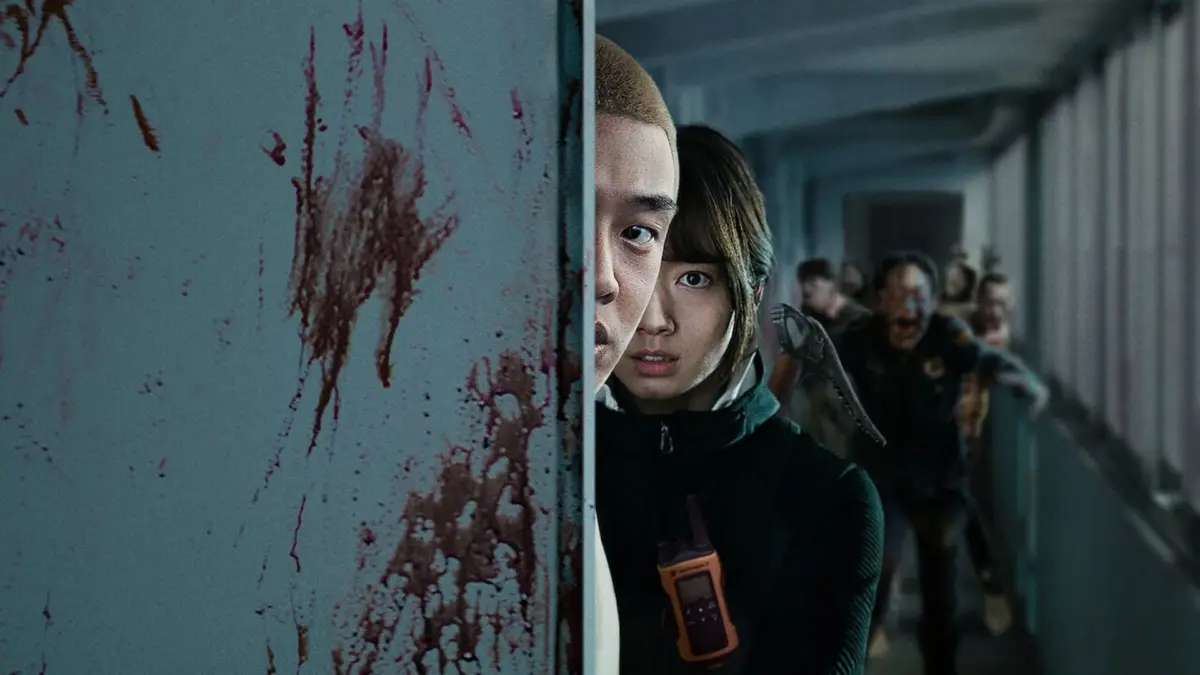
The modern horror landscape is overflowing with the undead. For over two decades, the cinematic zombie has undergone every conceivable iteration: fast, slow, post-apocalyptic, satirical, romantic, and even musical. When a subgenre becomes this saturated, audiences are typically conditioned to expect a tired trope or a cheap gimmick. Yet, hidden within Netflix’s sprawling content library lies a remarkable exception that debuted during a uniquely stressful global moment: the 2020 South Korean survival thriller ‘#Alive’.
Directed by Cho Il-hyung and starring acclaimed actors Yoo Ah-in and Park Shin-hye, the film was initially a sleeper international hit at the height of the COVID-19 pandemic. Despite its initial streaming success, the relentless churn of platform algorithms, questionable title discoverability, and subsequent high-profile releases have left the film largely forgotten six years later.
As autumn approaches and horror fans curate their annual pre-Halloween viewing lists, a re-evaluation of #Alive reveals more than just a well-crafted genre piece. It stands as a masterclass in spatial tension, psychological claustrophobia, and high-budget execution of a minimalist premise. This retrospective explores how a film about an apartment-bound gamer outlasting an urban collapse remains startlingly relevant, technically impressive, and creatively vital in 2026.
Detailed Chronology: The Anatomy of an Unplanned Cultural Mirror
To understand the enduring brilliance of #Alive, one must examine its narrative framework—a design that felt uncomfortably prophetic upon its 2020 release, despite being conceptualized prior to the global pandemic.
The Spark: Isolation in the Digital Age
The film introduces viewers to Oh Joon-woo (Yoo Ah-in), a typical modern young adult living in a high-rise South Korean apartment complex. By trade and hobby, Joon-woo is a live-streamer, comfortable within the digital sanctuary of his four walls while his family works outside. On an ordinary morning, while his parents and sister are out, his routine is violently shattered.
Outside his window, the metropolis begins to crumble. A hyper-aggressive, unidentified pathogen spreads rapidly through physical bites, plunging the populace into a state of feral, cannibalistic frenzy. Within hours, public infrastructure collapses. Emergency broadcasts stutter, cellular networks fail, and the streets transform from a bustling urban center into a war zone of the infected and the fleeing.
The Siege of the Eighth Floor
Joon-woo quickly realizes he is entirely alone. Barricading his front door with refrigerators and couches, he secures his immediate physical safety, but this safety creates a new, more insidious enemy: time and dwindling resources.
The middle act of #Alive shifts into a gripping study of isolation. Unlike traditional zombie epics that focus on cross-country road trips or sprawling military campaigns (such as Train to Busan), #Alive traps its protagonist within a single apartment unit. The tension is derived from micro-struggles:
- Rationing the last drops of bottled water.
- Strategically using a drone to scout for supplies.
- Managing the psychological toll of silence, punctuated only by distant screams and the groans of the infected lingering in the stairwells.
Connection Across the Chasm
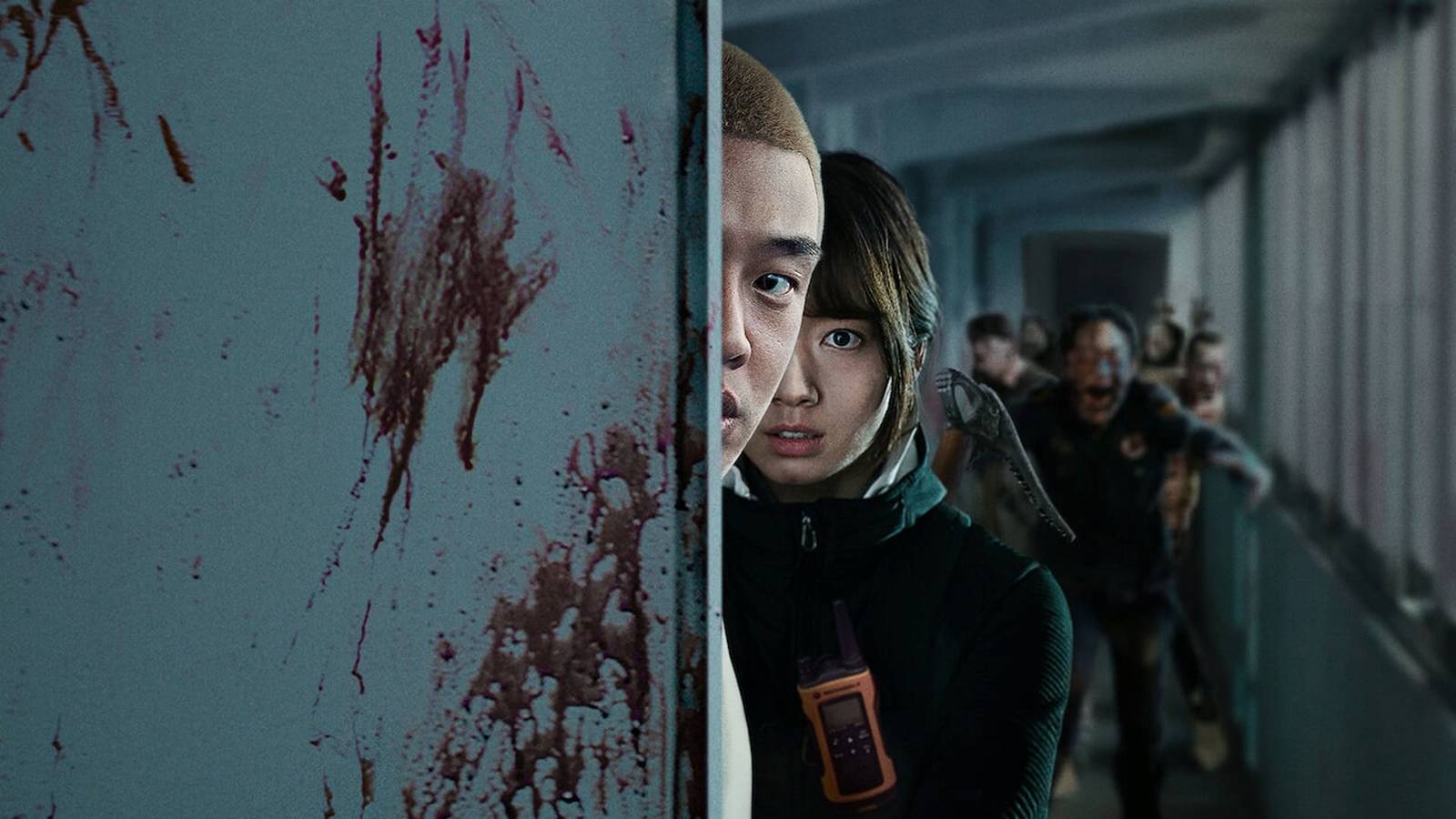
The narrative deepens when Joon-woo discovers another survivor living in the apartment complex directly opposite his own: Kim Yoo-bin (Park Shin-hye). Utilizing makeshift communication methods—flashing lights, laser pointers, and eventually a zipline improvised from climbing gear—the two form a lifeline.
Yoo-bin’s pragmatism and survival instincts directly contrast with Joon-woo’s initially panicked demeanor. Their dynamic transforms the film from a solitary tragedy into a story of human connection, demonstrating that even when physical touch is rendered lethal, the human drive to reach out to another soul remains unbreakable.
Supporting Context & Metrics: Production Scale and Genre Saturation
The success of #Alive is particularly impressive when analyzing the financial and creative risks taken during its production. It adapted its script from the American screenplay Alone by Matt Naylor, tailoring the narrative to fit the dense, vertical architecture of modern South Korean apartment complexes—a setting that inherently raises the stakes through visual proximity.
Beyond the "Bottle Episode" Budget
A superficial read of the plot might lead critics to assume #Alive is a low-budget indie "bottle episode" designed to cut costs. In reality, the production leveraged significant financial backing to deliver high-end cinematic value:

- Set Construction: The apartment complex interior and exterior courtyard were painstakingly designed to feel authentic, providing vast vertical spaces for the camera to roam.
- Extras and Choreography: Climax sequences involve dozens of coordinated stunt actors portraying the infected, showcasing physical acting that rivals major blockbuster productions.
- Sound Design: In a film where dialogue is frequently sparse, the auditory landscape—ranging from the scratching of fingernails on apartment doors to the mechanical whir of a battery-draining drone—does heavy narrative lifting.
The Netflix Paradox: Why Great Films Get Lost
Despite charting in Netflix’s top 10 foreign films worldwide during its pandemic-era debut, #Alive suffered from the modern streaming dilemma.
| Challenge Factor | Impact on #Alive |
|---|---|
| Content Saturation | Netflix releases dozens of original and acquired films weekly, burying older titles. |
| Title Discoverability | The use of the hashtag symbol in #Alive creates algorithmic search friction across various text-based platforms. |
| Pace of Releases | Subsequent high-profile zombie projects quickly crowded out memory of the 2020 release. |
Consequently, the film slipped into the background, becoming an "unsung hero" of streaming libraries rather than a permanent fixture in mainstream horror conversations.
Official Statements & Critical Reception
Upon its theatrical release in South Korea by Lotte Entertainment and subsequent global rollout on Netflix, #Alive received generally favorable reviews from critics who praised its brisk pacing and focused storytelling.
Director Cho Il-hyung noted in promotional interviews that the core objective was to ground a supernatural or viral outbreak in the deeply relatable reality of modern urban existence:
"We wanted to ask the audience: if your entire world shrank down to the four walls of your room, how long would your spirit last before your body gave out? The monsters outside are terrifying, but the silence inside is the true test."
Lead actor Yoo Ah-in, praised for his grounded and empathetic performance, discussed the physical and emotional demands of carrying a narrative where he spent substantial screen time acting entirely alone or reacting to visual effects cues:
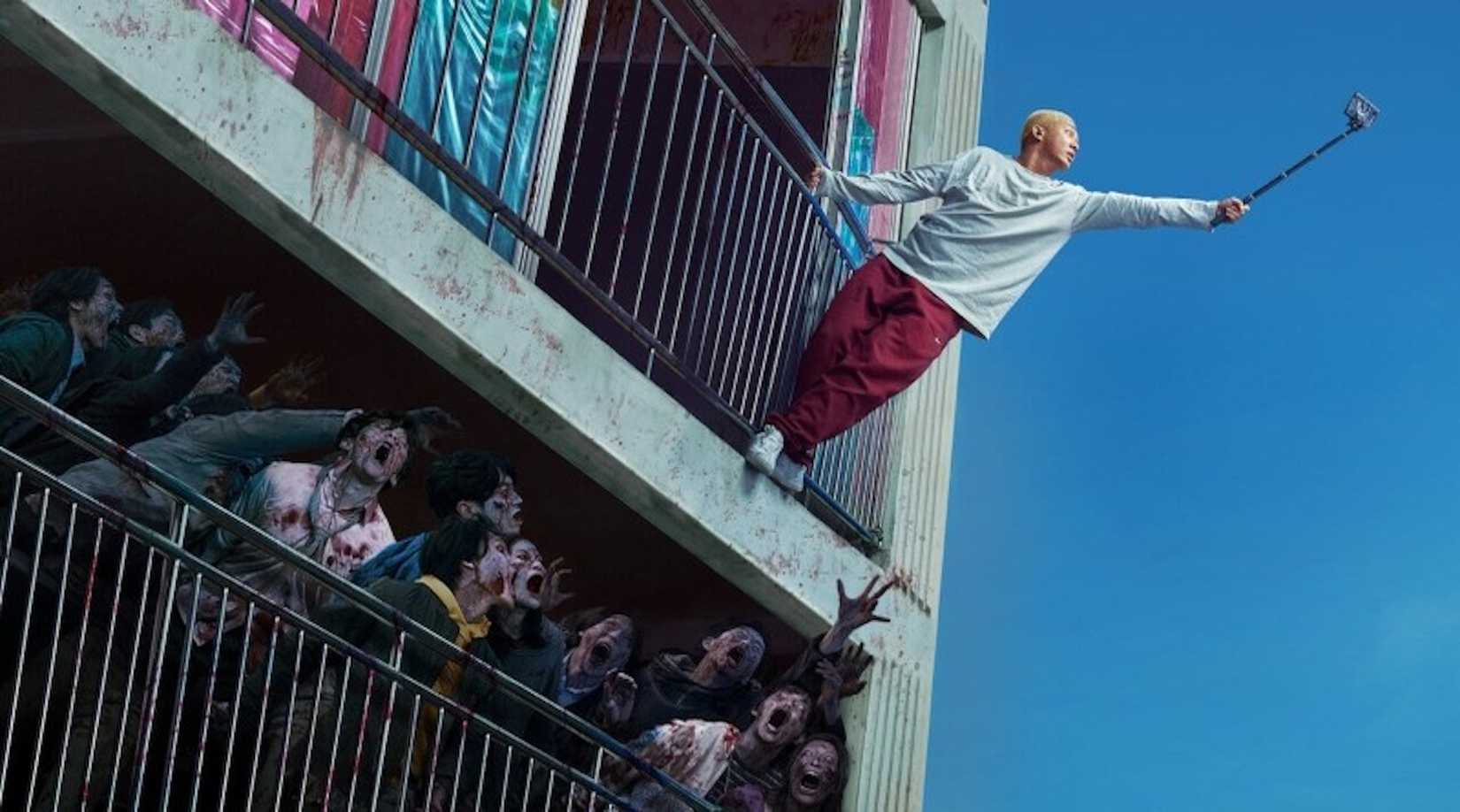
"Joon-woo isn’t an action hero or a trained soldier. He’s an ordinary young person who plays video games and streams. Finding the strength within him required stripping away Hollywood heroics and focusing purely on the raw, ugly, and desperate will to wake up tomorrow."
Critics at the time noted that while the third act pivots into more conventional action territory to resolve the narrative tension, the preceding hour of tight, psychological survival horror stands shoulder-to-shoulder with the finest entries in contemporary Asian horror cinema.
Future Outlook: Why #Alive Deserves a Place in Your 2026 Horror Rotation
As the horror genre continues to evolve—embracing elevated themes, cosmic dread, and hyper-stylized action—there remains a timeless appeal to tight, well-executed survival thrillers.
Six years after its initial premiere, #Alive has cleared the fog of contemporary over-saturation. Without the weight of current-events anxiety that shadowed its 2020 release, viewers can now appreciate the film purely on its cinematic merits:
- Pacing: At just under 98 minutes, the film wastes zero screen time on unnecessary exposition or bloated subplots.
- Performance: Yoo Ah-in and Park Shin-hye deliver compelling performances that elevate standard trope characters into genuinely moving figures.
- Atmosphere: The visual design of a sunlit apartment complex transforming into a concrete cage remains a chilling aesthetic achievement.
For horror aficionados building their seasonal watchlists, #Alive offers a masterclass in tension that proves you do not need a limitless budget or a completely redesigned monster to terrify an audience. You simply need a good story, expertly told, about the fierce, unyielding human instinct to stay alive.
#Alive is currently available to stream globally on Netflix.