Executive Overview
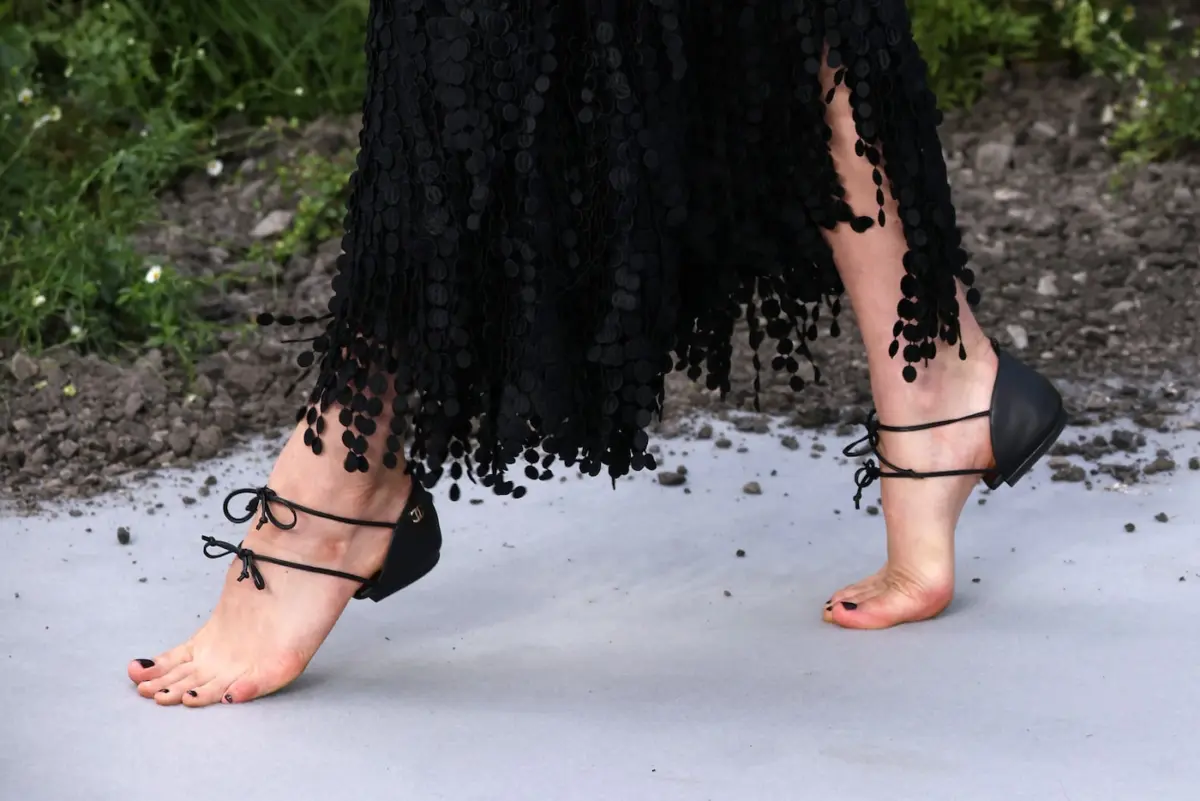
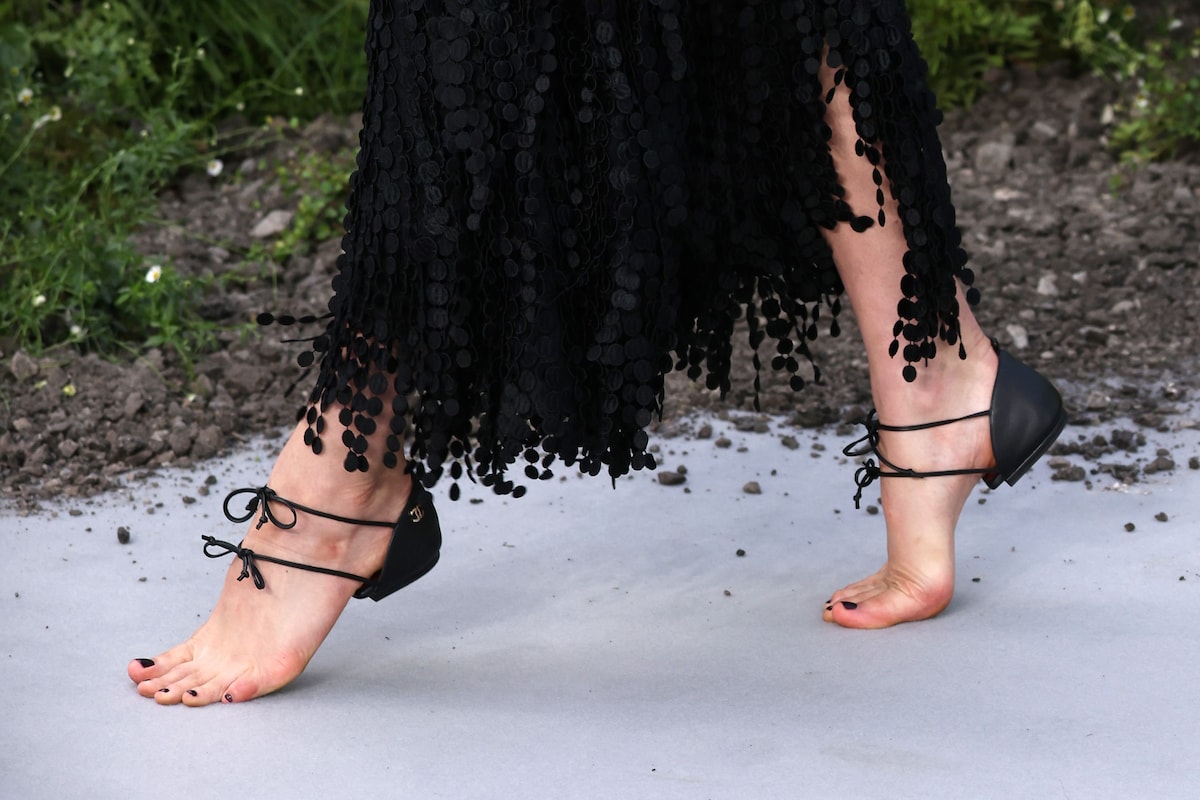
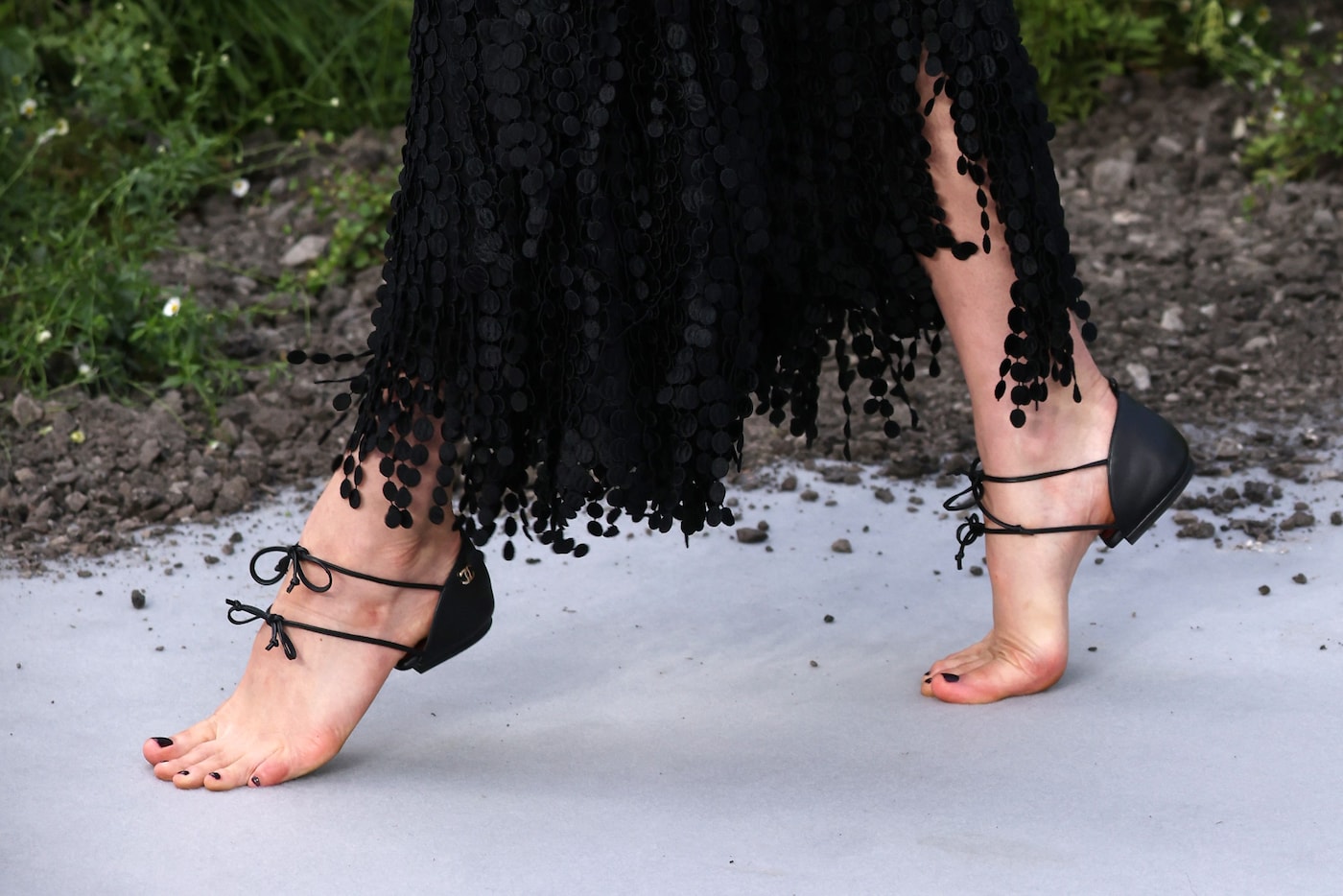
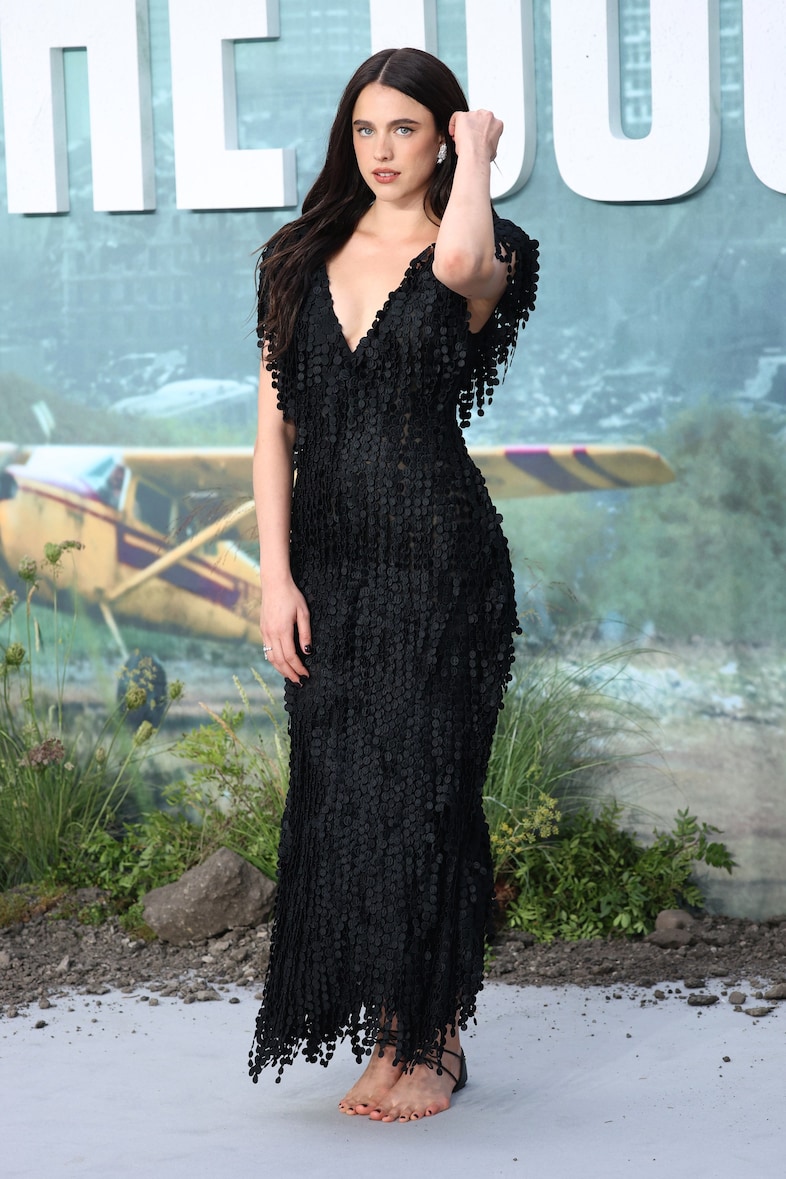
The global fashion landscape exists in a perpetual state of tension between commercial wearability and radical, boundary-pushing conceptualism. During the third week of August 2026, this dynamic was vividly underscored by a series of seismic industry developments. At the epicenter of this cultural discourse is actress Margaret Qualley, who made global headlines by stepping onto the red carpet at the London premiere of The Dog Stars wearing Matthieu Blazy’s fiercely debated, toe-less Chanel sandals.
First unveiled during the brand’s Cruise 2026 presentation in Biarritz, these architectural heels—essentially stripped of any traditional toe box—have emerged as the definitive lightning rod for contemporary footwear discourse. Qualley’s choice to literally "get her dogs out" for a premiere sharing a canine-centric title added an ironic, method-dressing layer to a broader industry-wide fixation on disruptive, uncanny footwear.
Beyond the red carpet, the week of August 21, 2026, offered a comprehensive snapshot of a mutating creative economy. From high-profile archival retrospectives and unexpected crossovers between elite motorsport and avant-garde education, to major beauty collaborations celebrating milestone anniversaries, the industry is undergoing a profound structural evolution. This report delivers an exhaustive, authoritative breakdown of the week’s most consequential fashion developments, analyzing their cultural weight, commercial implications, and trajectory within the modern luxury ecosystem.
+-----------------------------------------------------------------------------------+
|                        WEEKLY FASHION INDEX SUMMARY                               |
+---------------------------+-------------------------------------------------------+
| Focal Point               | Margaret Qualley in Matthieu Blazy's Chanel Sandals   |
| Primary Trend             | Freaky Footwear & Archival Reclamation                |
| Key Collaborations        | CSM x McLaren F1, Pat McGrath x Nicolas Ghesquière    |
| Cultural Touchstones      | Kerry Taylor x dot COMME, Casablanca AW26             |
+---------------------------+-------------------------------------------------------+
Detailed Chronology
The rhythm of the fashion calendar during late August 2026 proved that the "inter-season" lull is effectively dead. Major houses, heritage auctioneers, and academic institutions executed strategic disclosures that reshaped the cultural narrative.
August 20, 2026: The Red Carpet Debut of the Chanel Toe-Less Heel
At the London premiere of The Dog Stars, Margaret Qualley achieved what few brand ambassadors manage: absolute viral dominance through footwear. By selecting Matthieu Blazy’s experimental Chanel creation—debuted months prior on the idyllic coast of Biarritz—Qualley tested the limits of red-carpet styling. The shoe, a minimalist engineering feat that discards the front of the footbed entirely, has been alternately praised as a sculptural triumph and mocked as a functional absurdity. By leaning into the humor of the film’s title (The Dog Stars), Qualley transformed an avant-grade styling choice into a masterclass in self-aware marketing.
August 21, 2026: Institutional Announcements and Archival Unveilings
The subsequent morning marked a flurry of institutional announcements across Europe:
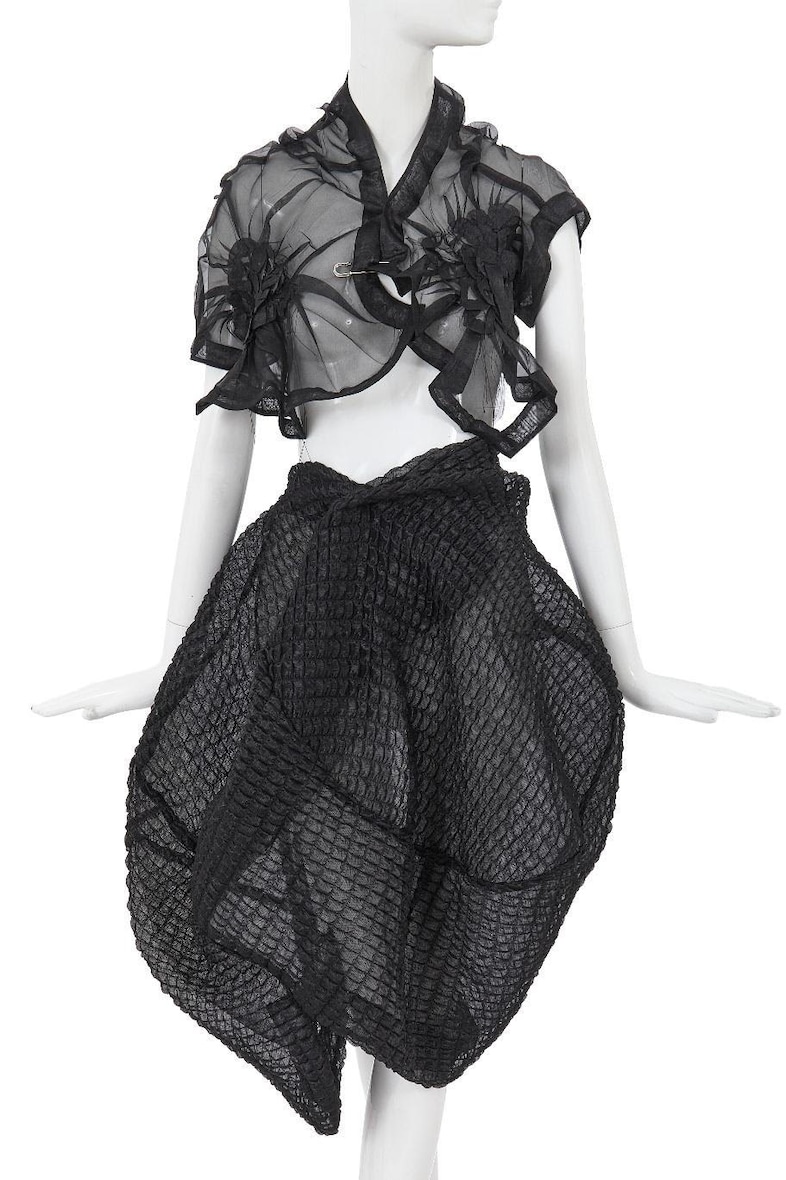
- Kerry Taylor Auctions formally detailed its September sale catalog, partnering with renowned vintage specialist dot COMME to auction 265 rare lots of Comme des Garçons spanning five decades.
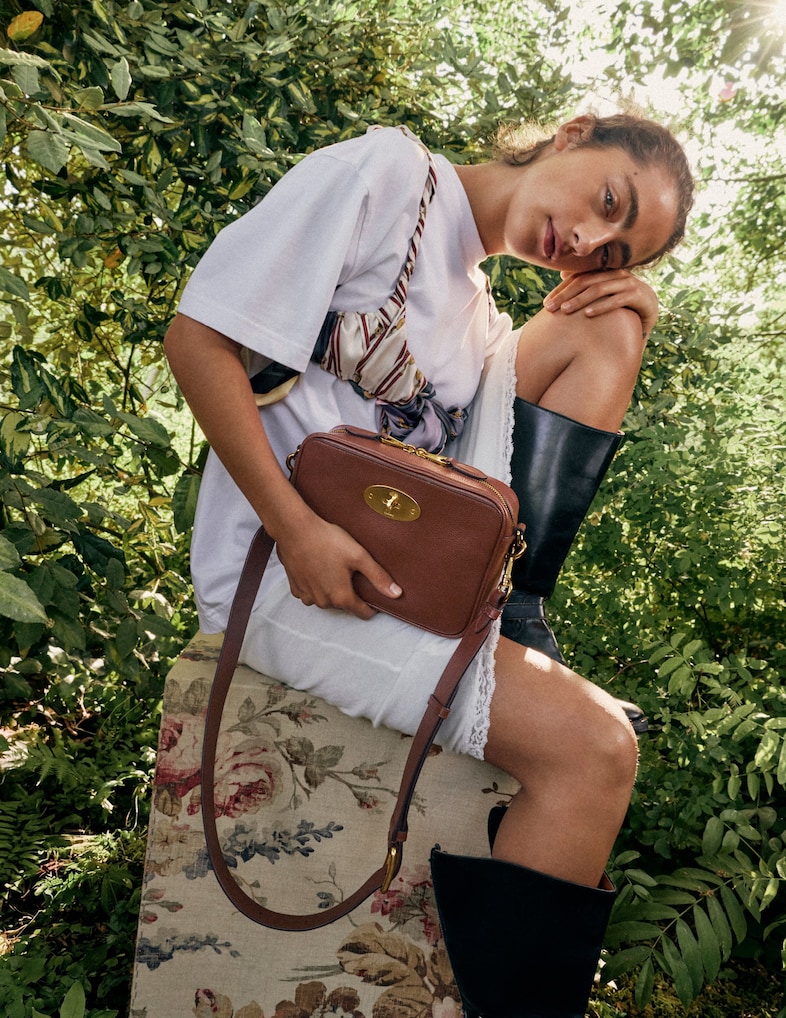
- Mulberry announced its high-profile takeover of Marylebone’s Shreeji newsagents in collaboration with Ronan McKenzie’s community platform, HOME.
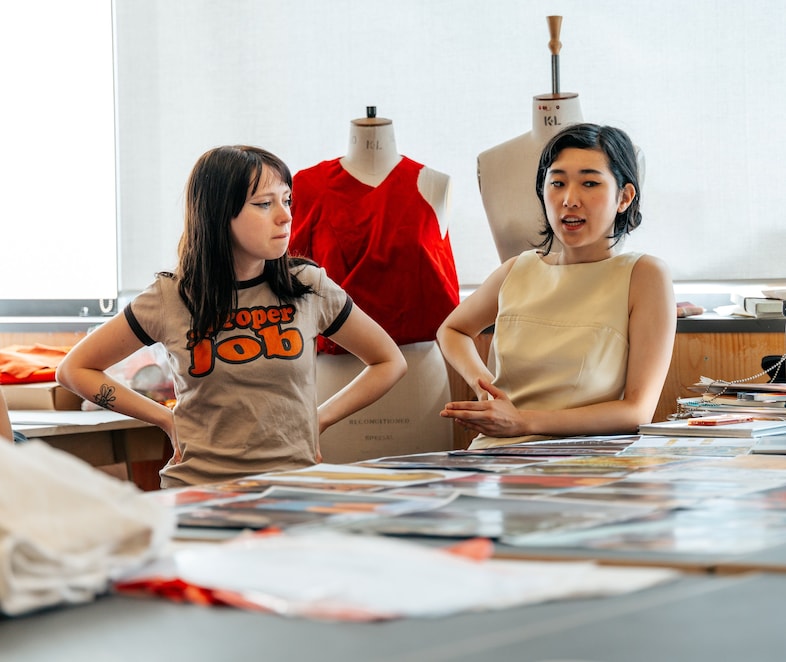
- Central Saint Martins (CSM) lifted the curtain on an unprecedented multidisciplinary partnership between its MA Fashion students and the McLaren Formula One team.
- Casablanca released visual assets for its mythological AW26 campaign shot against the backdrop of the Giza pyramids by photographer Theo Liu.
- Louis Vuitton and beauty icon Pat McGrath officially dropped their milestone collaboration celebrating 130 years of the iconic LV monogram.
- Converse confirmed the September 2 reissue of the 1935 Jack Purcell badminton silhouette under its elite First String tier.
Supporting Context & Metrics
To fully understand the weight of these events, one must examine the macroeconomic and subcultural currents driving them. The modern luxury consumer is increasingly fatigued by safe, algorithm-driven design. Consequently, houses are investing heavily in polarity—designing products specifically engineered to generate online discourse.
+--------------------------------------------------------------------+
|                THE ANATOMY OF CONTEMPORARY DISCOURSE               |
+--------------------------------------------------------------------+
|  [ Polarizing Design: Blazy's Chanel ]                             |
|          │                                                         |
|          ▼                                                         |
|  [ Instant Social Media Amplification ]                            |
|          │                                                         |
|          ▼                                                         |
|  [ Conversion to Cultural Capital & Sales Velocity ]               |
+--------------------------------------------------------------------+
The Psychology of "Freaky Footwear"
Blazy’s Chanel sandals do not exist in a vacuum. They are part of a broader, aggressive macro-trend in footwear design characterized by anatomical distortion and functional subversion.
- Vibram’s FiveFingers transitioned from niche athletic gear to high-fashion street staples.
- Loewe continually pushes boundaries with exaggerated proportions and PVC transparency.
- Saint Laurent relies on sheer, see-through construction to challenge traditional notions of modesty and utility.
When luxury houses strip utility away from an object—such as removing the toe box from a high heel—they convert the shoe from a wearable accessory into a piece of wearable conceptual art. This strategy relies on the paradox of luxury: the more impractical an item is, the higher its status as a marker of leisure and distinct taste.
Archival Preservation as Investment
The partnership between Kerry Taylor Auctions and dot COMME highlights a seismic shift in how vintage fashion is valued. With 265 lots dating from the 1970s onward, the auction reflects the institutionalization of Japanese avant-garde design. Rei Kawakubo’s creations are no longer viewed merely as secondhand garments; they are blue-chip investments traded by museums, private collectors, and younger generations of designers seeking tangible inspiration away from digital mood boards.
Motorsport Meets Haute Couture
The CSM x McLaren collaboration represents a fascinating convergence of two vastly different worlds: the high-speed, engineering-obsessed realm of Formula One and the emotionally driven, craft-heavy domain of luxury fashion. By tasking 46 MA students across 12 groups to extract runway looks from McLaren’s racing archives, the partnership underscores how automotive brands are increasingly utilizing fashion as a vehicle for cultural relevance and lifestyle branding.
Official Statements & Industry Perspectives
The convergence of disparate creative forces this week prompted commentary from key industry leaders across design, education, and retail.
Fabio Piras, Course Leader of MA Fashion at Central Saint Martins, reflected on the McLaren collaboration:
"This collaboration gave our students the opportunity to work with one of the most powerful brands in global sport. Formula One demands absolute precision, engineering excellence, and relentless forward momentum—qualities that are entirely mirrored in the rigorous design ethos of our MA Fashion program. Watching these 12 groups translate racing history into high-fashion runway narratives has been nothing short of extraordinary."
Cultural and Retail Implications:
While direct statements from Matthieu Blazy regarding the viral reception of his Chanel sandals remained minimal, representatives from the French maison noted that the piece exemplifies the house’s dedication to "pushing the boundaries of traditional craftsmanship into uncharted sculptural territory."
Similarly, the alignment of Pat McGrath and Nicolas Ghesquière for the La Beaute Louis Vuitton collection—timed precisely to the 130th anniversary of the legendary LV monogram—signals a strategic fusion of master-class artistry and heritage scaling. Beauty collaborations of this tier continue to serve as the most effective entry point for luxury consumers, driving immense conversion rates while reinforcing the overarching narrative of the ready-to-wear collections.
Future Outlook
As the industry pivots toward the upcoming global fashion weeks—notably the SS27 showcases in London, Milan, and Paris—the events of late August 2026 set a clear precedent for what to expect in the seasons ahead.
1. The Weaponization of the Red Carpet
Expect celebrities and their styling teams to increasingly favor disruptive, conversation-starting pieces over classic, risk-averse elegance. As Margaret Qualley proved with her Chanel sandals, the modern red carpet is an extension of the runway—a platform where humor, irony, and architectural experimentation yield exponentially more media value than conventional glamour.
2. Deepening Inter-Industry Cross-Pollination
The success of CSM’s partnership with McLaren points toward a future where fashion schools will routinely collaborate with heavy industries outside the traditional creative arts. Automotive, aerospace, and advanced material sciences will increasingly integrate with fashion curricula as designers seek sustainable, high-performance fabrics and innovative structural techniques.
3. The Maturation of the Archival Market
With auctions like the dot COMME sale setting new benchmarks for vintage Japanese design, the secondary market will continue to professionalize. Institutional archiving, authentication services, and museum-grade conservation will become standard pillars of the fashion economy, rivaling the primary retail market in both cultural authority and financial volume.
In summary, fashion in late August 2026 proved that imagination remains the ultimate currency. Whether through a pair of toe-less heels challenging the very definition of footwear, or students molding racing legacy into couture, the industry continues to thrive on the thrilling friction between what is practical and what is possible.