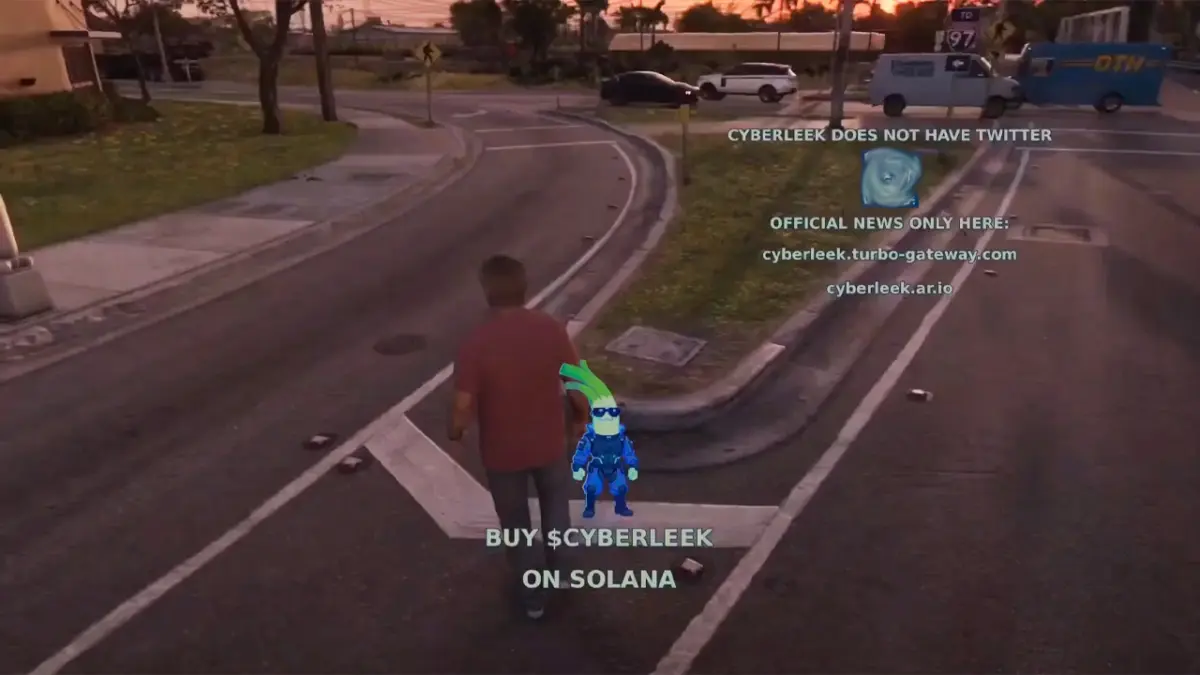
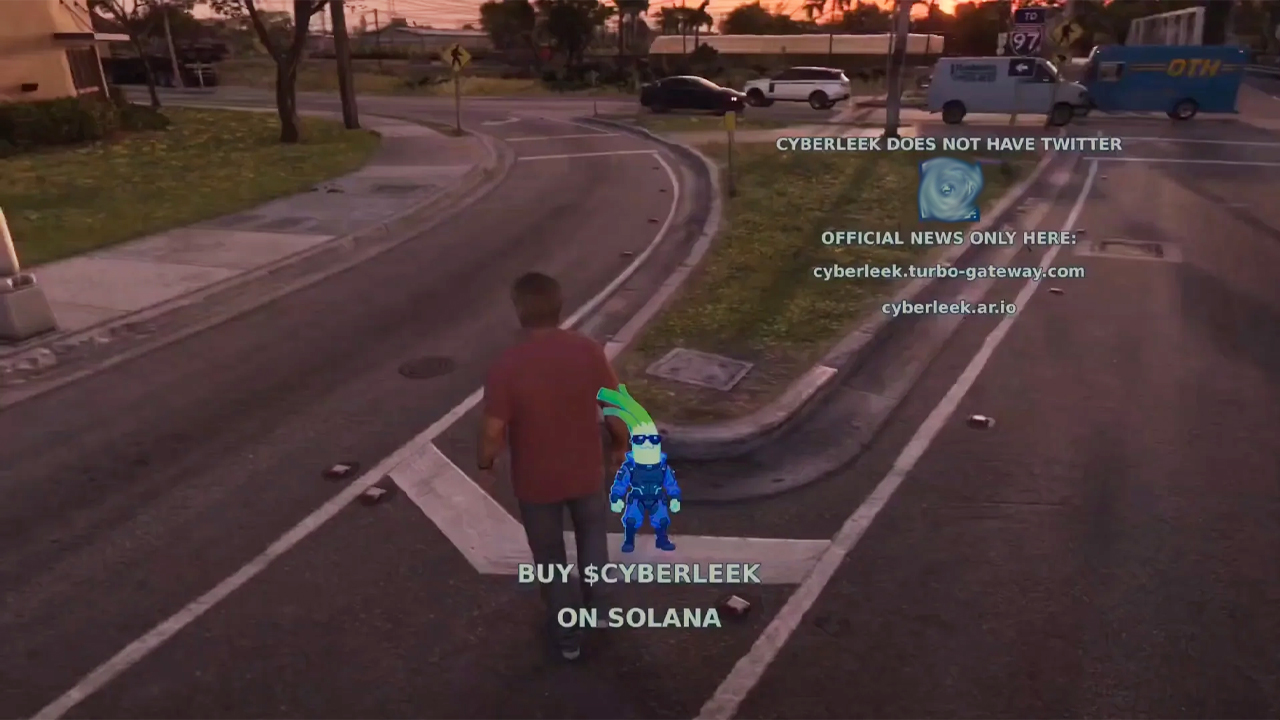
In mid-August 2026, the global gaming community was once again sent into a state of shock and digital pandemonium following a coordinated and unprecedented security breach targeting Rockstar Games. Dubbed the August 2026 GTA 6 Leaks, the incident involved the unauthorized distribution of raw in-game footage, asset libraries, and mapping materials from the heavily anticipated, unreleased title Grand Theft Auto VI. Orchestrated by a newly surfaced hacker collective identifying themselves as "CyberLeek," the breach quickly transcended typical gaming industry news cycles, evolving into a multi-day viral spectacle characterized by cryptocurrency promotion, heated online discourse, widespread memes, and intense regulatory and corporate scrutiny.
The leaks—which began on August 18, 2026—differed significantly from the infamous 2022 GTA 6 leaks regarding both their delivery mechanism and their underlying motivations. While the 2022 incident was primarily a traditional source code and development asset leak uploaded to internet forums, the August 2026 breach weaponized modern internet culture, decentralized social media platforms, and speculative finance. CyberLeek utilized a self-promoted cryptocurrency meme coin as both an operational funding mechanism and a perverse gamification tool, forcing followers to vote on upcoming leak drops based on market capitalization milestones.
As the week unfolded, the scope of the breach widened from seemingly harmless environmental clips—such as protagonist Jason Duval playing basketball—into more substantive and concerning narrative and mechanical disclosures. The severity of the leaks reignited fierce debates across social media platforms like X (formerly Twitter), Reddit, and YouTube, drawing commentary from prominent content creators, while pressuring Rockstar Games and its parent company, Take-Two Interactive, into aggressive global copyright enforcement. This comprehensive report details the chronology of the August 2026 leaks, the motivations and identity of the CyberLeek collective, the community’s memetic reaction, and the broader implications for the video game industry at large.
Detailed Chronology of Events
The unfolding of the August 2026 leaks followed a calculated, drip-feed strategy designed to maximize media attention, algorithmic visibility, and financial speculation around the hackers’ associated cryptocurrency. Below is the day-by-day progression of the incident as it played out across the internet.
August 18, 2026: The Initial Shockwave
The breach commenced on Tuesday, August 18, 2026, when a wave of skepticism swept through gaming forums as two low-resolution gameplay clips and a single high-resolution image surfaced online. The media purportedly showed the game’s protagonist, Jason Duval, engaged in mundane daily activities: shooting hoops outside a residential property and driving a vehicle before engaging in combat with a non-player character (NPC). Accompanying the footage was an image claimed to be the complete, unredacted map of Grand Theft Auto VI.
Initially, a large faction of the gaming community dismissed the material as an elaborate Unreal Engine 5 fan creation or an AI-generated hoax. However, the uncanny fidelity of the animation physics, environmental lighting, and asset styling quickly convinced skeptics. The material was traced back to CyberLeek, a collective that accompanied their leaks with a political manifesto. The group criticized modern gaming industry practices, explicitly targeting all-digital game releases, the revocation of previously purchased digital licenses, and the rumored absence of a physical-disc version for GTA 6. Concurrently, Rockstar Games and Take-Two Interactive initiated a swift legal and digital takedown campaign, scrubbing uploads from major social media platforms.
August 19, 2026: Escalation and Narrative Concerns
Following through on threats issued alongside the initial drop, CyberLeek released additional footage on August 19. The new clips featured tactical taser gameplay followed by several seconds of a heavily rendered story cutscene.
The inclusion of plot-related material marked a critical turning point in public sentiment. While initial reactions centered on graphical fidelity and physics, the appearance of narrative assets sparked widespread anxiety regarding potential story spoilers. Later that same day, a fourth video emerged, showcasing intricate knife combat mechanics and culminating in the same cutscene, with dialogue that many fans interpreted as a direct taunt directed at Rockstar’s security infrastructure. During this window, CyberLeek also attempted to distance itself from various copycat accounts springing up on social media, solidifying its centralized, albeit anonymous, digital footprint.
August 20, 2026: Gamification and the "LEEK" Stunt
By August 20, the cyberattack had evolved into an interactive public spectacle. CyberLeek instituted a polling mechanism tied to the trading volume and holders of their associated meme coin. Followers were permitted to vote on which category of gameplay footage would be unsealed next.
The winning asset, released later that day, featured gameplay of an aircraft being piloted over the game’s rendered landscape. In an audacious move designed to prove absolute authenticity and mock anti-piracy efforts, the player-character Jason used a firearm to deliberately shoot bullet holes into a virtual wall, spelling out the word "LEEK."
This stunt sent shockwaves through the community. Analysts and fans alike realized that the perpetrators were not merely working with a static collection of old developer builds or prerecorded teaser assets, but seemingly possessed access to an actively playable PC build of GTA 6. The revelation heightened fears that subsequent leaks could systematically dismantle the game’s narrative structure piece by piece.
August 21, 2026: Supercars and On-Chain Tracking
The leaks extended into a fourth consecutive day on August 21, with the release of a sixth video showcasing high-speed supercar handling through urban environments. The video bore a stark, unmissable watermark across the frame: "HIGHER MARKET CAP = MORE LEEKS."
As the promotional spam surrounding the meme coin reached a fever pitch, independent on-chain sleuths and cybersecurity enthusiasts within the community began tracing the cryptocurrency transactions associated with CyberLeek. Reports surfaced indicating that the wallet activity had been linked to a Seychelles-based cryptocurrency exchange. This technological trail offered investigators and potential law enforcement agencies a crucial breadcrumb to unmask the individuals behind the moniker. Despite the mounting pressure and relentless drip of content, Rockstar Games maintained a strict silence, declining to issue formal public press statements beyond standard intellectual property takedowns.
Supporting Context & Metrics
The August 2026 leaks did not occur in a vacuum; they tapped into a deeply anxious and highly enthusiastic consumer base while leveraging the volatile mechanics of decentralized finance (DeFi).
The Economics of CyberLeek: Crypto and Protest
CyberLeek’s modus operandi represented a dangerous convergence of industrial espionage, political posturing, and crypto-scamming. By framing their security breach as a consumer-rights crusade against the industry-wide shift toward all-digital distribution and the erosion of physical media ownership, the group attempted to cultivate a Robin Hood-esque persona among disgruntled gamers.
However, financial analysts and cryptocurrency experts quickly unmasked the underlying grift. The creation of the "LEEK" meme coin was a classic pump-and-dump scheme. By holding hostage highly coveted intellectual property, the hackers manipulated speculative retail investors into inflating the token’s market cap under the false promise of protecting physical media or satisfying idle curiosity. Metrics from decentralized exchange trackers indicated a volatile surge in trading volume for the associated token during the 72-hour window of peak leak activity, illustrating how modern cybercrime increasingly relies on social engineering and viral hype cycles.
Comparison to the 2022 Leaks
The August 2026 incident inevitably drew immediate comparisons to the historic September 2022 GTA 6 leaks, which saw 90 video clips uploaded to GTAForums by a teenage hacker associated with the Lapsus$ syndicate. While the 2022 leak was monumental in scale—exposing early-stage development builds, source code discussions, and placeholder assets—it was fundamentally an inside look at a game years away from commercial viability.
Conversely, the August 2026 leaks struck at a much more sensitive juncture. With Grand Theft Auto VI marching closer to its eventual release window, the assets displayed in the CyberLeek videos reflected a far more polished, feature-complete engine build. Consequently, the psychological impact on the development team and the consumer base was markedly different: whereas the 2022 leaks fostered sympathy for developers dealing with rough, unfinished code, the 2026 leaks provoked genuine panic over structural narrative spoilers and commercial disruption.
Online Reactions & Community Discourse
As is customary for major cultural disruptions in the digital age, the gaming community processed the trauma, shock, and absurdity of the August 2026 leaks through relentless memetic output across platforms like Reddit, X, and TikTok.
Memes and Satire
Within hours of the initial August 18 drop, subreddits such as /r/memes and /r/dankmemes were flooded with viral formats.
- The "Two Sentences Horror" Format: Users utilized text-image macros, such as the Reginald Skulinski staring meme, to highlight the sheer dread of realizing CyberLeek had spelled their name out with bullet holes in-engine, confirming they possessed an interactive build.
- Mocking the Grift: Memes utilizing the "I Don’t Care Who the IRS Sends, I’m Not Paying Taxes" template were repurposed to mock the hackers’ attempts to shill their cryptocurrency, with users emphatically declaring they would consume the leaked footage while refusing to purchase the scam token.
- The Marketing Team vs. Leakers: Comparisons between Rockstar’s notoriously secretive marketing strategy—which relied on sparse, highly controlled trailer drops—and the chaotic, daily drip-feed of the leakers spawned variations of the Swole Doge vs. Cheems meme, contrasting corporate silence with the raw chaos of the hackers.
Influencer Commentary
Major streaming personalities also weighed in on the ethics of consuming and distributing the leaks. Popular Twitch streamer xQc went viral on X after unleashing a passionate tirade against CyberLeek during a broadcast. Labeling the perpetrators anti-gamer, xQc remarked:
"If you’re a leaker, you’re a f—ing b—ch… I don’t care who you are… It doesn’t do good for anybody… Even people that buy the game don’t want to see leaks… They want to play the game."
The clip garnered over 610,000 views within three days, reflecting a pervasive fatigue among content creators and fans alike regarding the ethics of engaging with stolen material.
Official Statements and Industry Response
True to its historic corporate communications playbook, Take-Two Interactive and Rockstar Games elected to deploy a strategy of calculated silence regarding the public-facing spectacle of the leaks. No official press release, blog post, or social media acknowledgment was issued to address CyberLeek’s political manifesto or their cryptocurrency schemes.
Behind the scenes, however, the corporate response was swift and uncompromising. Legal teams mobilized global digital enforcement protocols, issuing automated Digital Millennium Copyright Act (DMCA) takedown notices across YouTube, X, Reddit, and various independent hosting sites within minutes of asset uploads. Account suspensions for users redistributing the media scaled exponentially. Furthermore, industry security analysts noted that Take-Two’s aggressive posture served to starve the CyberLeek collective of the mainstream algorithmic oxygen they desperately required to sustain momentum for their cryptocurrency pump-and-dump scheme.
Future Outlook
The August 2026 GTA 6 leaks serve as a stark reminder of the extreme vulnerabilities facing major software developers in an era where cloud infrastructure, remote work environments, and decentralized communication networks intersect.
As investigations continue—bolstered by the on-chain tracking of cryptocurrency exchange activity tied to the Seychelles-based wallet addresses—the legal ramifications for the members of CyberLeek are likely to be severe. Law enforcement agencies globally, increasingly attuned to the intersection of corporate cyberattacks and crypto-backed extortion, have historically proven relentless in prosecuting high-profile video game security breaches.
For Rockstar Games, the incident highlights the immense pressure cooker surrounding the rollout of one of the most profitable entertainment products in human history. While the leaks succeeded in briefly capturing the world’s attention and driving temporary speculative finance gains for a fringe hacker group, the long-term impact on Grand Theft Auto VI‘s commercial dominance remains negligible. Millions of players worldwide continue to eagerly await the official release, proving that despite the best efforts of digital saboteurs, the allure of experiencing Rockstar’s masterwork firsthand far outweighs the fleeting thrill of a stolen frame.