Executive Overview
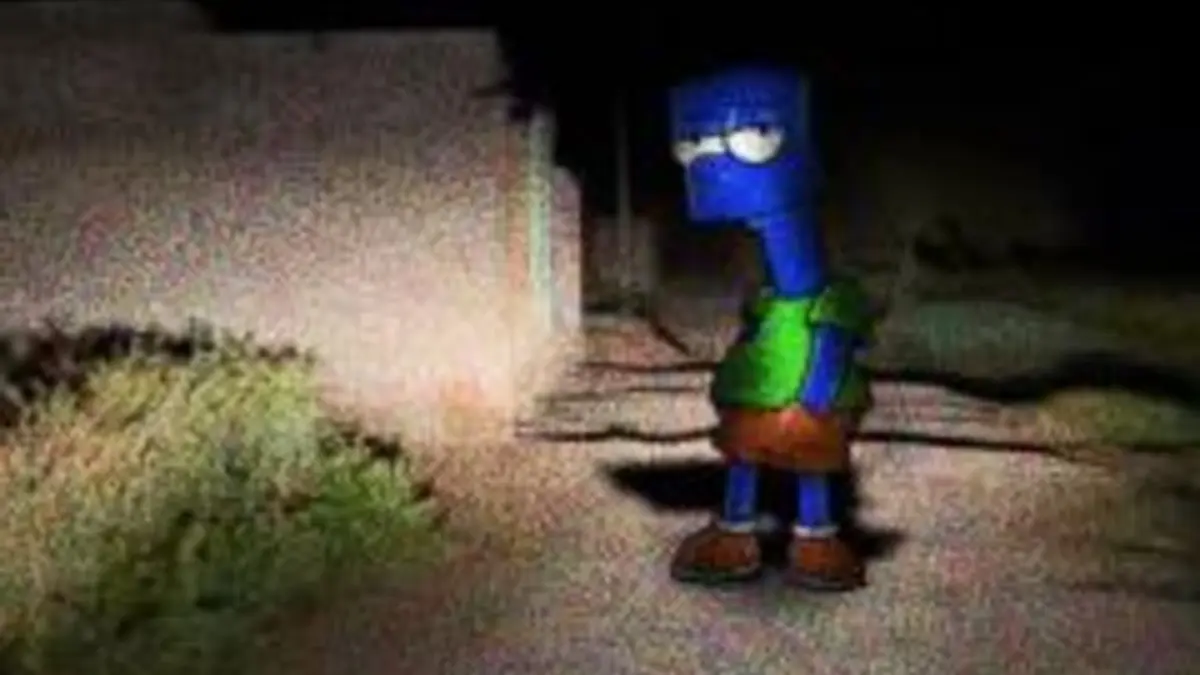
In the ever-evolving ecosystem of internet subcultures, digital surrealism frequently finds a home in the uncanny valley between nostalgia and existential dread. The latest phenomenon to captivate social media platforms is "Barf Simmons" (alternatively styled as "Barf Symptons")—a viral internet meme centered on a distorted, elongated, blue-skinned iteration of The Simpsons protagonist, Bart Simpson.
Emerging quietly on TikTok in July 2026, the character has quickly transcended its humble, grainy beginnings to become a widespread digital touchstone. By melding the tropes of classic analog horror and creepypasta aesthetics with low-fidelity, anachronistic pop-culture crossovers, the creators behind Barf Simmons have tapped into a potent vein of absurdism that resonates deeply with Gen Z and millennial internet users.
This deep-dive investigative report examines the origins, rapid dissemination, cultural significance, and digital footprint of Barf Simmons. Through a chronological review of its trajectory, metrics of its explosive growth, and an analysis of its broader impact on platforms like TikTok, X (formerly Twitter), and YouTube, we map out how a single uncanny image evolved into a multi-platform digital sensation within a matter of weeks.
Detailed Chronology: From Dark Alleyways to Viral Stardom
July 2026: The Inception
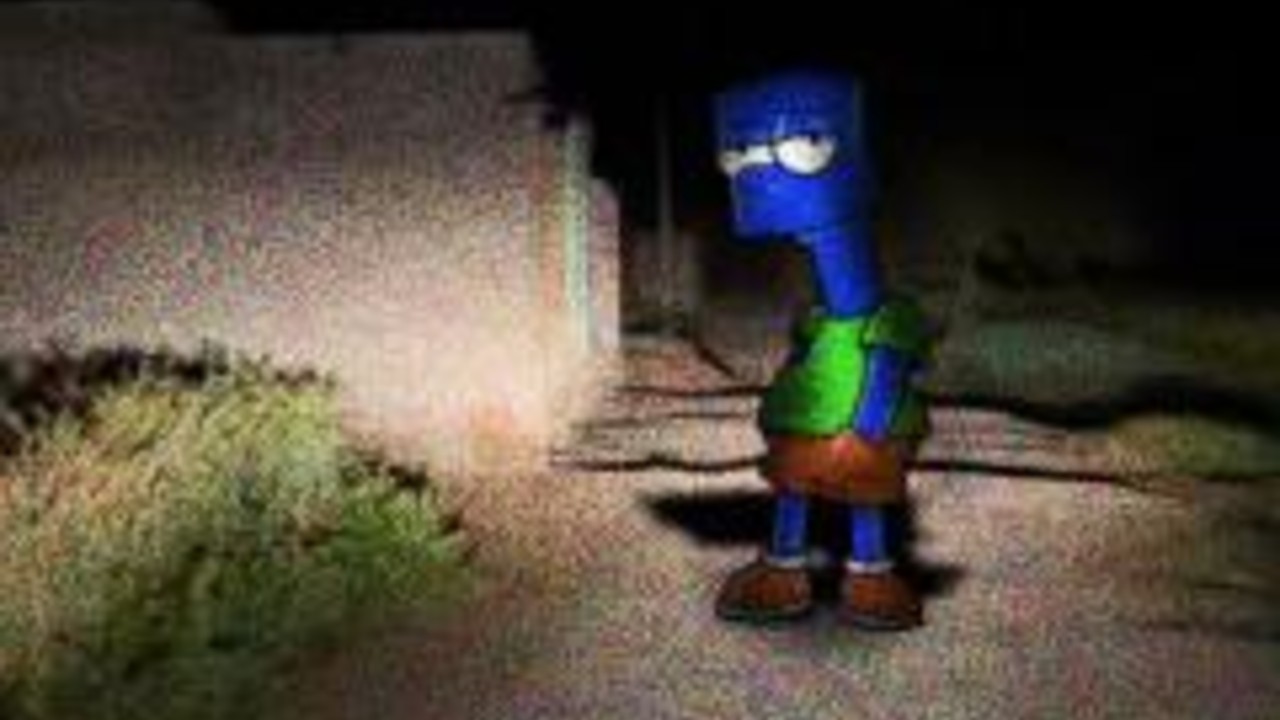
The narrative of Barf Simmons began on July 7th, 2026, when the TikTok account @barfsymptons uploaded a single, unassuming piece of digital artwork. The image depicted a heavily altered, grainy rendition of Bart Simpson standing menacingly in a dark, desolate alleyway at night. Unlike the familiar, bright yellow troublemaker from Springfield, this iteration featured an elongated neck, unnatural blue skin, and a stark green shirt, evoking the chilling atmosphere typical of early-internet creepypasta folklore.
Initially, the post flew largely under the radar, accumulating roughly 1,600 views over its first month online. However, it laid the foundational aesthetic for what would become a systematic campaign of digital surrealism. The account’s anonymous creators continued to drip-feed similar uncanny images and rudimentary animations throughout the remainder of July, slowly cultivating an active, curious niche audience.
Mid-August 2026: The Inflection Point
By August, the @barfsymptons account began pivoting from static, low-resolution imagery to more complex video edits, dramatically accelerating the project’s visibility.
- August 16th, 2026: The tipping point arrived when @barfsymptons published a surreal video edit incorporating the classic Family Guy "Robert Loggia" meme, seamlessly spliced to feature the haunting presence of Barf Simmons. The juxtaposition of mainstream, recognizable television tropes with an unsettling, creeping horror element struck a chord with algorithms and users alike. The video skyrocketed past 1.2 million views within five days, firmly cementing the meme’s viability on TikTok’s For You Page (FYP).
- August 17th, 2026: Capitalizing on the sudden influx of attention, the account released a narrative-style video edit depicting a surreal confrontation between the canonical Bart Simpson and his distorted doppelgänger, Barf Simmons. This meta-narrative visual drove an additional 784,000 views in just four days, expanding the lore of the character and encouraging fans to scrutinize every frame for hidden meanings or easter eggs.
Late August 2026: Cross-Platform Migration and Mainstream Recognition
As the videos grew increasingly sophisticated and cinematically moody, the phenomenon spilled out of TikTok and contaminated other major social media ecosystems.
- August 20th, 2026: The meme crossed over into gaming culture when X user @VetroxFNBR posted a satirical rumor claiming that Barf Simmons was officially slated to join the sprawling universe of Epic Games’ Fortnite (citing fictional or satirical attribution to streamer iShowSpeed). The post struck a nerve with internet ironists, garnering over 14,000 likes in less than 24 hours and sparking widespread mock-speculation regarding a potential in-game skin.
- August 21st, 2026: The definitive seal of internet canonization arrived when the prominent commentary and culture-tracking YouTube channel Lessons In Meme Culture published a dedicated investigative breakdown of the Barf Simmons phenomenon. The video amassed over 66,000 views in under 24 hours, introducing the creepypasta character to a broader, global audience and solidifying its place in the 2026 digital history books.
Supporting Context & Metrics: Analyzing the Spread
To understand why Barf Simmons resonated so profoundly in the summer of 2026, one must look at the structural mechanics of modern meme consumption. The phenomenon sits at the intersection of several established internet movements:
1. The Renaissance of Analog Horror and Creepypasta
For over a decade, internet users have displayed an insatiable appetite for degraded media, VHS-style static, and corrupted pop-culture icons (exemplified by earlier trends like "Sonic.exe" or "Trevor Henderson" creations). Barf Simmons revitalizes this tradition by taking one of the most culturally ubiquitous animated characters of the past thirty years—Bart Simpson—and stripping away his comedic agency, transforming him into an ambiguous, liminal threat.
2. Algorithmic Surrealism and the "Shitpost" Economy
The content produced by @barfsymptons relies heavily on low-fidelity aesthetics, abrupt cuts, and jarring audio design. By juxtaposing high-definition or standard-definition clips from unrelated media (such as Family Guy) with the jarringly distorted blue figure, the creators exploit TikTok’s algorithmic preference for retention-heavy, confusing, and visually arresting content. Viewers are forced to watch clips multiple times to catch subtle background details, artificially inflating engagement metrics.
3. Quantitative Breakdown of Engagement
While specific backend analytics for individual accounts remain proprietary, public metrics across platforms illustrate a steep exponential growth curve:
- Initial Organic Growth (Early July): ~1,600 views per foundational post.
- Mid-August Breakthrough: Over 1.2 million views on the Robert Loggia crossover edit within 5 days.
- Secondary Narrative Amplification: 784,000+ views for the Bart-versus-Barf encounter video within 4 days.
- Cross-Platform Spillover (X & YouTube): 14,000+ likes on X for satirical Fortnite integration posts; tens of thousands of video essay views generated within hours of publication.
Official Statements and Cultural Commentary
Due to the decentralized and often anonymous nature of internet subcultures, neither the creators of The Simpsons (20th Television / Disney) nor major corporate entities have issued formal legal or PR statements regarding the existence of Barf Simmons. The phenomenon remains safely within the realm of transformative fan-made parody and digital folklore.
However, internet culture commentators and digital anthropologists have noted that Barf Simmons represents a natural evolution of "brainrot" and surrealist humor. Speaking on the mechanics of modern virality, digital media analysts suggest that characters like Barf Simmons act as a collective coping mechanism—a way for internet natives to deconstruct wholesome or corporate media properties into subversive, liminal art forms that mock the omnipresence of mass-market intellectual property.
Renowned internet archivist channels, including Lessons In Meme Culture, have emphasized that the success of Barf Simmons relies heavily on "lore creation without a rulebook." By refusing to explicitly explain who Barf Simmons is, where he came from, or what his ultimate narrative purpose is, the creators allow the audience’s imagination to fill in the terrifying blanks.
Future Outlook: Where is Barf Simmons Headed?
As September 2026 approaches, the critical question facing the Barf Simmons phenomenon is sustainability. Can a creepypasta-style meme based on a single recurring visual gag maintain its momentum, or is it destined to burn brightly and fade into obscurity like countless TikTok trends before it?
Trajectory Scenarios:
- The Creepypasta Expansion: The most optimistic trajectory for the creators involves expanding the "Barf Symptons" universe into a serialized analog horror project. By introducing additional corrupted characters from The Simpsons universe (such as "Horg Simpson" or distorted iterations of Springfield residents), the project could evolve into a full-scale YouTube-native animated horror series, mirroring the success of previous indie horror sensations like The Amazing Digital Circus or Skibidi Toilet (in terms of independent narrative scaling).
- Mainstream Assimilation and Merchandise: Given the rapid commercialization of viral internet culture, it is entirely possible that unofficial merchandise—ranging from custom bootleg t-shirts to 3D-printed figurines—will flood marketplaces like Etsy and Redbubble. Furthermore, fan-made integrations into sandbox games like Roblox and Garry’s Mod are virtually guaranteed as community developers race to capitalize on the character’s rising search interest.
- Ironic Burnout: Alternatively, the meme may experience rapid creative exhaustion. Because the joke relies heavily on the shock value of the uncanny valley and unexpected crossovers, overexposure could dilute its eerie impact, reducing Barf Simmons to a fleeting footnote in the 2026 meme archives.
Regardless of its long-term shelf life, Barf Simmons stands as a masterclass in modern guerilla marketing and digital surrealism. In just a few short weeks, a grainy image in a dark alleyway successfully captured the collective imagination of the internet, proving once again that in the digital age, horror and humor are often separated by nothing more than a distorted blue hue and a stretched-out neck.