Executive Overview
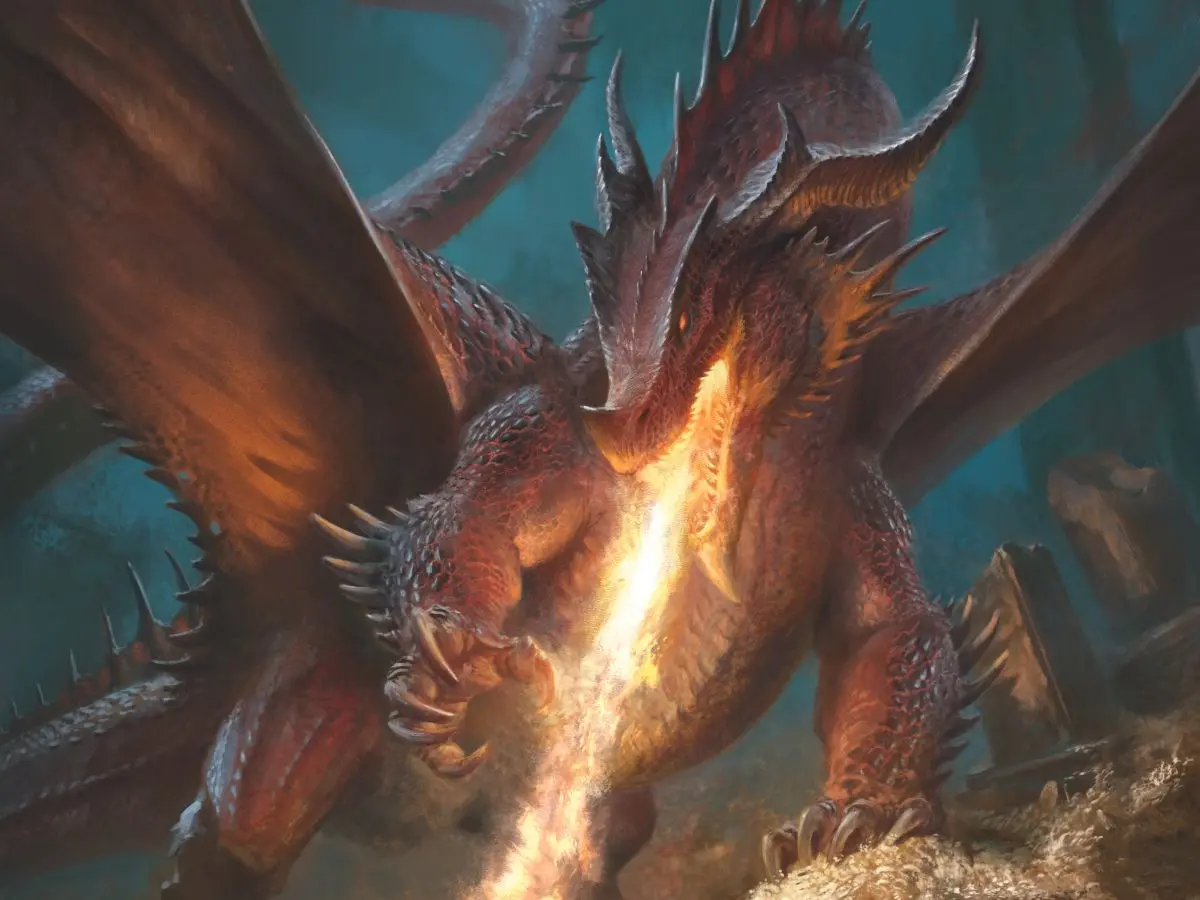
To millions of tabletop roleplaying enthusiasts, the very word "Dungeons & Dragons" evokes a singular, towering image: a scaly, winged behemoth hoarding gold inside a subterranean cavern, eagerly awaiting a party of intrepid adventurers. Yet, after five decades of tabletop evolution, video game adaptations, and pop-culture saturation, the classic D&D dragon has run the risk of creative fatigue. They have become fantasy staples—stat blocks to be conquered, ice-cream-flavor variations of scales and breath weapons, and familiar apex predators sitting comfortably at the top of the food chain.
Enter Dark Sun. Following massive announcements at Gen Con, Wizards of the Coast’s impending revival of the brutal, post-apocalyptic Dark Sun campaign setting has cast a harsh, unforgiving light on how fantasy’s most iconic creature can be completely reimagined. In the shattered, sun-scorched world of Athas, dragons are not born from eggs in hidden lairs; they are painstakingly, horrifyingly made.
On Athas, dragons are the terminal evolution of boundless greed, absolute ecological ruin, and centuries of twisted arcane ambition. They are the ultimate personification of the "Defiler" path—sorcerer-kings who sacrifice the very lifeblood of a dying planet for personal power. This deep-dive investigative feature explores how Dark Sun strips away the mundane familiarity of the D&D dragon, transforming it from a standard fantasy obstacle into a terrifying, singular literary metaphor for human corruption.
Detailed Chronology: The Making of an Athasian Dragon
To understand why dragons occupy such a terrifying, singular space in Dark Sun, one must understand the history of Athas and the mechanics of its magical evolution. Unlike standard fantasy realms where dragons are ancient, natural denizens of the cosmos, Athas treats dragonhood as an artificial, blasphemous pinnacle of achievement.
Phase 1: The Cleansing Wars and the Rise of the Champions
The foundational lore of Dark Sun begins with a godlike, multi-dimensional being known as Rajaat. Believing that all species on Athas except the halflings—whom he regarded as the true, primordial masters of the world—were aberrations, Rajaat orchestrated a brutal campaign of genocide. He hand-picked fifteen powerful humans, gifting them esoteric and destructive arcane secrets, and christened them his "Champions."
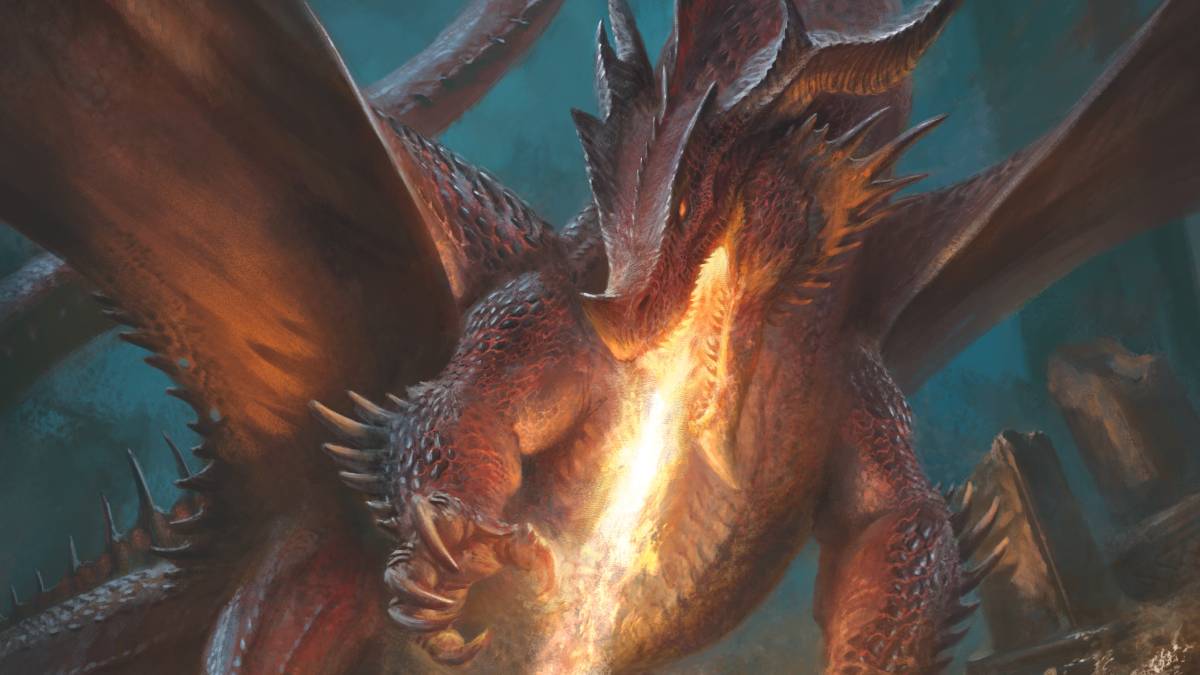
Their directive was simple yet horrifying: eradicate the "lesser species" so humanity could inherit the ash. However, as the centuries dragged on and the Champions executed their genocidal mandates, they realized the horrifying truth of Rajaat’s master plan. They were not being groomed to inherit a golden age; they were tools meant to pave the way for the return of the halflings.
Phase 2: The Betrayal of Rajaat and the Birth of Borys
United by existential dread and self-preservation, the surviving Champions turned on their master. Through cataclysmic arcane efforts and strategic cunning, they managed to overpower Rajaat, sealing him away in an extraplanar prison.
Yet, sealing a godlike entity required an eternal warden—someone whose power could outstrip ordinary mortals and maintain the cosmic lock. To achieve this, the Champions pooled their titanic energies and forced one of their own, Borys of Ebe, through the ultimate metamorphosis. Borys became the first and, for a long time, the only dragon of Athas.
The process shattered Borys’s sanity, plunging him into a century-long, world-shattering rampage across the wastes of Athas. When he finally clawed his way back to lucidity, he established the brutal obsidian city of Ur Draxa. Today, Borys stands as a terrifying monument to what happens when mortal ambition bypasses natural boundaries.
Phase 3: The Path of the Sorcerer-Kings
With Borys serving as the template, the surviving Champions became the Sorcerer-Kings, tyrannical despots who rule over the scattered city-states of Athas’s blazing wastes. Each Sorcerer-King harbors a singular, overriding ambition: to replicate Borys’s transformation and ascend to full dragonhood themselves.

The metamorphosis is not a matter of aging or hoarding wealth; it is a grueling, multi-staged magical ritual that spans centuries. Each step of the transformation requires horrific sacrifices, monumental catalysts of death, and the deliberate siphoning of planetary life force. Because the other Sorcerer-Kings live in terror of another mad titan like Borys roaming unchecked, any peer approaching the final stage of dragonhood is immediately set upon and assassinated by an alliance of their rivals. Thus, their endless ambition locks them in a perpetual, paranoid cold war of mutual destruction.
Supporting Context & Metrics: The Philosophy of the "Defiler"
To fully appreciate the narrative genius of Athasian dragons, one must examine the unique mechanics of magic within the Dark Sun setting.
The Ecological Cost of Arcane Power
In most Dungeons & Dragons settings, magic is an ambient, renewable resource or a divine gift. In Athas, magic is a violent extraction. Arcane spellcasters on Athas are broadly divided into two groups: Preservers and Defilers.
- Preservers cast spells carefully, drawing only on the ambient, living energy of plants and animals without permanently killing them, allowing ecosystems to slowly recover.
- Defilers cast spells with unrestrained greed. They rip the life force directly out of the surrounding soil, instantly turning lush vegetation into gray, powdery ash and killing all animal life in the vicinity.
The economy of Athas is defined by this scarcity. It is a "Mad Max meets grimdark" ecosystem where water is more valuable than gold, steel is nearly nonexistent, and the ground is literally dying under the boots of its inhabitants.
The Dragon as the Ultimate Capitalist/Environmental Allegory
Dragons in Dark Sun are the absolute pinnacle of the Defiler path. Every stage of their dragon transformation requires acres of land to be blighted, thousands of sentient lives to be sacrificed, and vast tracts of the planet’s remaining vitality to be consumed.
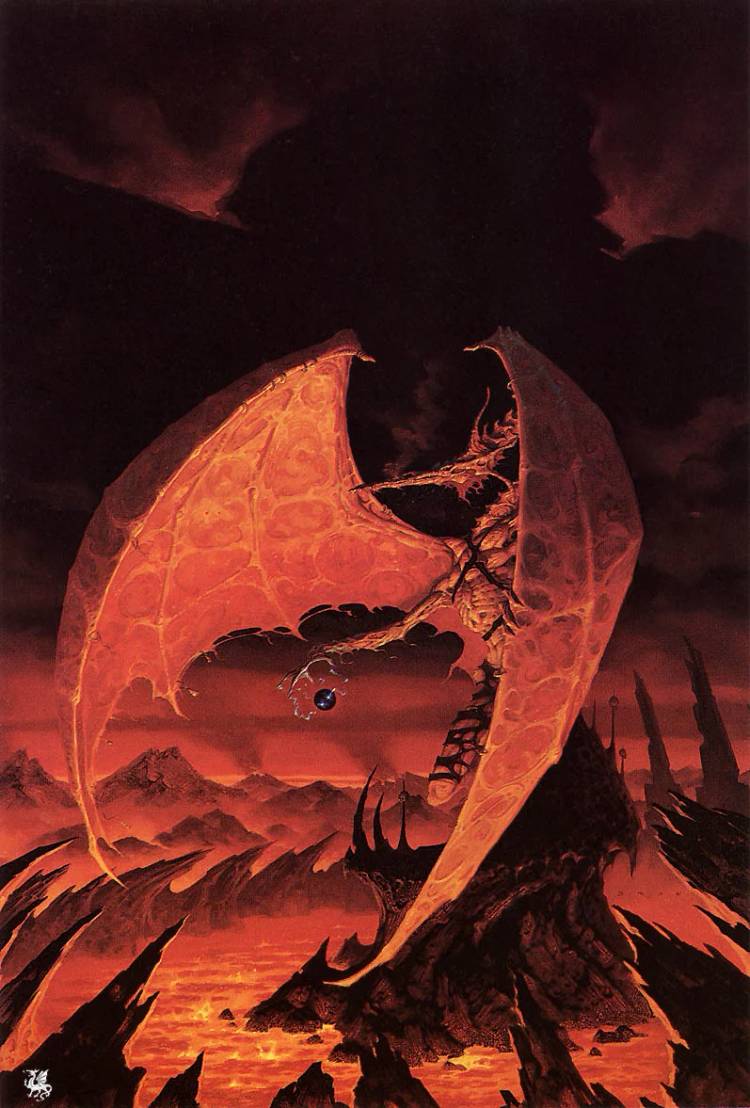
Literary analysts and veteran Dungeon Masters have long noted the sharp real-world allegory embedded in this design. Just as real-world corporate entities and authoritarian tyrants bleed natural ecosystems dry for short-term gain without a thought for future generations, the Sorcerer-Kings and their draconic aspirations represent the logical extreme of unchecked, predatory consumption. When players face an Athasian dragon, they are not just fighting a creature with high Armor Class and a devastating breath weapon; they are facing the physical manifestation of ecological collapse and human selfishness.
Official Perspectives: Reviving the Grit of Dark Sun
The announcement of Dark Sun’s return at Gen Con has sparked intense dialogue within the Dungeons & Dragons community regarding tone, horror, and monster design in modern TTRPGs.
Industry veterans and franchise developers have frequently emphasized that modern D&D has sometimes suffered from "monster fatigue," where iconic creatures are deployed as standard combat encounters rather than narrative terrors. By reintroducing Dark Sun, Wizards of the Coast is signaling a deliberate return to high-stakes, survival-horror roleplaying where players feel vulnerable.
"When monsters become routine, you lose the foundational dread that makes fantasy horror effective," notes campaign design lore retrospectives. "In a standard setting, a dragon is a boss fight at the end of a module. In Athas, the mere rumor that a Sorcerer-King is progressing toward dragonhood shifts the entire geopolitical landscape of a campaign. It means cities will fall, populations will be enslaved for sacrifices, and the sky itself will turn the color of dried blood."
Game designers have pointed out that encounters with singular, unique threats like Borys of Ebe force players to engage in political intrigue, espionage, and moral compromises rather than straightforward dungeon crawling. Because an Athasian dragon cannot simply be out-gridded in direct combat by mid-level adventurers, parties must leverage ancient secrets, exploit the paranoia among the Sorcerer-Kings, and grapple with the tragic realities of a dying planet.
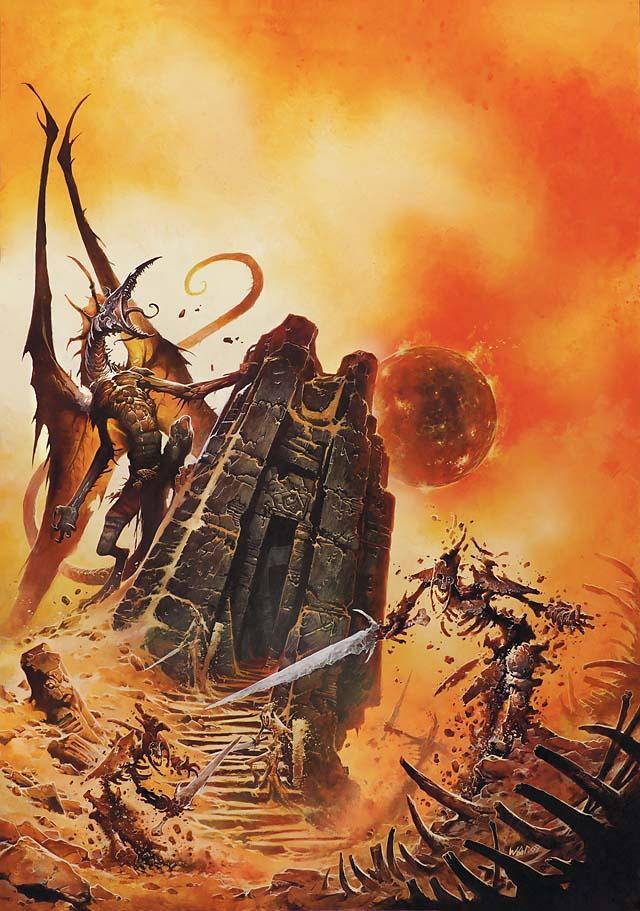
Future Outlook: What the Return of Dark Sun Means for D&D
As Wizards of the Coast prepares to bring Dark Sun back to modern tables, the implications for Dungeons & Dragons design philosophy are profound.
1. A Shift Toward Meaningful Monsters
The success of homebrew monsters like the False Hydra and the psychological resonance of Dark Sun’s creatures prove that modern players crave narrative depth over stat-block bloat. Moving forward, tabletop designers are challenged to ensure that every major monster represents a thematic idea—a mirror reflecting the flaws, fears, and moral compromises of the characters fighting them.
2. High-Stakes Worldbuilding
Dark Sun rejects high-fantasy comfort. There are no friendly taverns on every corner, no benevolent deities answering clerical prayers, and certainly no good dragons swooping in to save the day. The absence of metallic, benevolent dragons on Athas reinforces the bleak reality of the setting: goodness is a rare, fragile commodity fought for by desperate individuals against overwhelming odds.
3. Empowering Creative Dungeon Masters
For DMs looking to spice up their homebrew campaigns, the Athasian dragon offers a masterclass in monster design. By tying a creature’s existence directly into the lore, economy, and ecological state of the world, DMs can transform a routine combat encounter into an unforgettable campaign-defining narrative arc.
Ultimately, the dragons of Athas remind us why we fell in love with fantasy roleplaying in the first place. They are not merely obstacles with scales and wings; they are living testaments to the destructive cost of absolute power—reminding every adventurer who dares step onto the sands of Athas that the most terrifying monsters are the ones we create ourselves.