
Executive Overview
The digital video landscape is undergoing a tectonic shift, and its epicenter is the family living room. YouTube—long regarded as a mobile-first and desktop-driven platform—has made its ultimate strategic priority unmistakable: the connected television (CTV). For content creators, brands, and digital marketers, this pivot demands an immediate overhaul of everything from production standards and asset design to analytics interpretation and audience engagement funnels.
As living room viewing habits eclipse traditional desktop consumption and rival major streaming services like Netflix and Disney+, marketers must rethink how they capture, entertain, and convert an audience that is comfortably reclined on a couch rather than leaning over a smartphone on a morning commute.
Co-created by digital media expert Liron Segev alongside Michael Stelzner and Jerry Potter, recent industry insights reveal that optimizing for the 65-inch screen is no longer an optional luxury—it is the baseline for modern channel survival. This comprehensive analysis breaks down the five critical shifts every marketer must navigate to succeed in YouTube’s new TV-first ecosystem: upgrading visual assets for big-screen scrutiny, shifting toward long-form episodic "infotainment," decoding the nuances of "Unique Reach" metrics, preparing for AI-driven voice search via Gemini integration, and leveraging frictionless native e-commerce.

Detailed Chronology: The Evolution of YouTube from Mobile Niche to Living Room Giant
Phase 1: The Mobile and Desktop Era
For well over a decade, YouTube’s foundational growth was built upon individual, highly personal touchpoints. Audiences watched videos on smartphones with headphones or on desktop computers while multitasking at work. In this era, production values were forgiving. A shaky camera, raw audio, and hasty edits were not just accepted; they were embraced as hallmarks of authentic, grass-roots creator culture. Discoverability relied heavily on explicit keyword targeting, traditional SEO tags, and aggressive thumbnail optimization designed to win split-second mobile scrolling battles.
Phase 2: The Connected TV Infiltration
Gradually, quietly, and then all at once, living room hardware evolved. Smart TVs shipped with native YouTube buttons built directly into remote controls. Game consoles and streaming sticks (like Roku, Amazon Fire Stick, and Apple TV) made accessing the platform as simple as switching an input source.
Within a remarkably short window, connected TVs became the primary traffic source for a vast number of YouTube channels. This hardware transition fundamentally altered viewer psychology. A user finishing a cinematic, Dolby-equipped prestige drama on Netflix and instantly clicking over to YouTube carries that exact same subconscious production standard across the digital threshold. They are no longer judging content by mobile-screen metrics; they are inadvertently grading individual creators against Hollywood standards.
Phase 3: The Integration of AI, Metrics, and Commerce (Present Day)
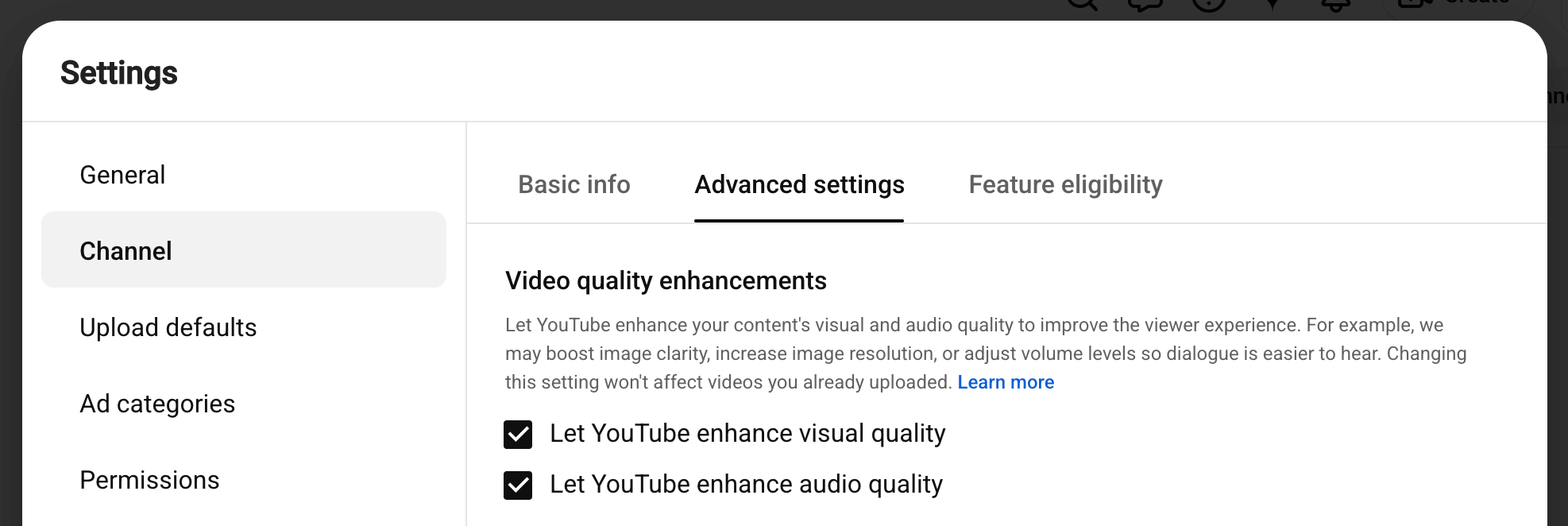
Recognizing this behavioral shift, YouTube began rolling out a sweeping suite of ecosystem updates designed to cement its dominance in the living room. These innovations—ranging from 4K thumbnail uploads and AI-powered video upscaling to the Gemini-powered "Ask YouTube" voice interface and "Buy with Google Pay" remote commerce—have transformed the platform from a passive entertainment hub into an interactive, transactional living room powerhouse.
The 5 Pillars of TV-First YouTube Marketing
1. Re-engineering Visuals and Production for the 65-Inch Screen
The single biggest mistake marketers make today is failing to experience their own content from a couch perspective. Creators routinely review edits on high-contrast, ultra-sharp desktop monitors or mobile screens, remaining entirely blind to how those assets translate to a massive living room display at standard viewing distances.
- Auditing the Channel Banner: Most marketers treat the channel banner as a static afterthought. However, on connected TVs, YouTube reveals additional vertical real estate at the top and bottom of the banner that remains hidden on mobile and desktop formats. Savvy brands are utilizing official YouTube dimension guidelines to design adaptive banners that display supplemental promotional messaging and branding exclusively to TV viewers.
- The Death of Cluttered Thumbnails: YouTube recently expanded its thumbnail file size limit from 2 megabytes to 50 megabytes, enabling pristine 4K uploads. Yet, Liron Segev warns that a high-resolution version of a cluttered thumbnail remains a bad thumbnail. The golden rule—stopping the scroll—demands clean design, bold contrast, minimal text, and high readability across every screen size.
- Embracing Authentic Imperfection: While production standards have risen, TV viewers have simultaneously been trained by daily vloggers to appreciate genuine human connection. As generative AI floods the market with hyper-polished, synthetic perfection, unscripted moments—a genuine laugh, a blooper, or a spontaneous reaction—act as powerful anchors of authenticity.
2. The Rise of Long-Form Episodic "Infotainment"
Mobile consumption historically favored concise, get-to-the-point tutorials lasting three to five minutes. The living room environment shatters that paradigm.

- The Couch Mindset: Couch viewers are relaxed, often holding a beverage in one hand and a secondary device (like a smartphone) in the other. They are looking for immersive experiences to settle into. Consequently, 10 minutes is no longer a stretch goal; it is the absolute starting floor for TV-optimized content.
- Pacing and Story Arcs: The most successful channels are leaning into an "infotainment" framework. Rather than delivering rapid-fire data, creators must adopt a more conversational, relaxed pacing that makes viewers feel like they are hanging out with a trusted peer.
- The Necessity of Re-Hooks: Because couch viewers frequently multitask on their phones, creators must build natural "re-hooks"—brief, periodic narrative recaps—into the runtime. Phrases like "We’ve covered part A; let’s dive into part B now" help pull distracted viewers back into the narrative without sounding condescending. Furthermore, structuring content as ongoing episodic series rather than isolated, one-off videos builds long-term subscriber loyalty.
3. Decoding YouTube’s "Unique Reach" Metric
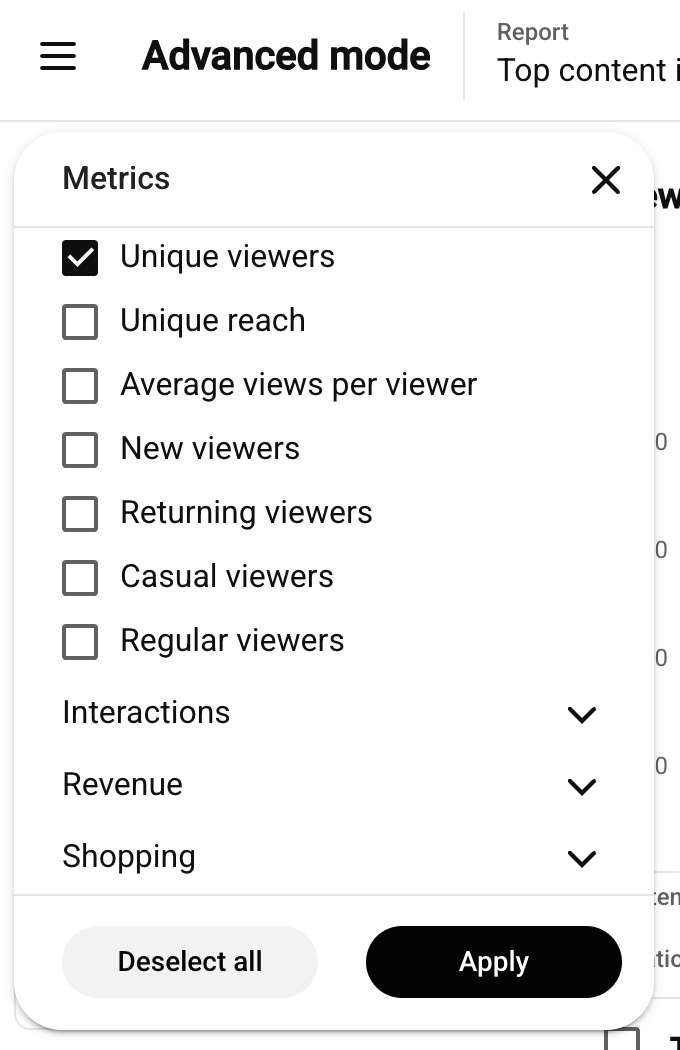
Evaluating channel performance through traditional unique viewer counts (which only track individual logged-in accounts) has become obsolete in a shared household environment. To bridge this gap, YouTube has introduced Unique Reach.
- What Unique Reach Measures: This advanced analytics metric models the total number of individuals exposed to a video, factoring in co-viewers sharing a single living room TV who may not be logged into separate accounts. Drawing on contextual signals such as time of day, device category, demographics, and video genre, Unique Reach operates similarly to traditional broadcast media rating systems like Nielsen.
- Implications for Brand Partnerships: For creators negotiating sponsorship deals, Unique Reach offers a compelling narrative. A higher reach figure demonstrates that content naturally commands group viewing sessions—such as family-oriented channels or cooking shows. However, marketers must exercise restraint: while Unique Reach provides a valuable indicator of broad household exposure, it should not be used to arbitrarily inflate sponsorship budgets without baseline view verifications.
4. Navigating Voice Search and AI-Powered Discovery via "Ask YouTube"
The integration of Google’s Gemini-powered AI chatbot—Ask YouTube—into smart TVs, gaming consoles, and streaming devices marks a fundamental shift in how audiences find and consume information.
- The Voice Search Revolution: Viewers can now press their TV remote’s microphone button to ask complex, conversational questions, prompting the AI to parse transcripts and visual elements on screen to deliver instant answers.
- Optimizing for Multimodal AI: Because Gemini possesses multimodal vision capabilities (meaning it reads on-screen text, graphics, and lower thirds, not just audio transcripts), marketers must ensure their key messaging is displayed visually as well as spoken verbally.
- Verbalizing Call-to-Actions: The traditional instruction to "check the link in the description" fails entirely on connected TVs where accessing description boxes is cumbersome. Creators must instead state URLs and social handles clearly on screen and out loud so that voice-activated AI queries can accurately surface that data.
- Structuring Content for AI Curation: Creators should answer core questions within the first 100 words of a video transcript, mirroring the optimization strategies long used for written search engines. Additionally, weaving natural-language phrases into scripts—such as phrasing a topic as a conversational question rather than a rigid keyword string—ensures higher compatibility with AI indexing algorithms.
5. Frictionless Living Room Commerce via "Buy with Google Pay"
YouTube is aggressively bridging the gap between passive viewing and active purchasing by rolling out Buy with Google Pay functionality for connected TVs.
- Two-Click Checkout: Mirroring successful social commerce frameworks seen on platforms like TikTok, viewers can now purchase tagged products or advertised items directly through their TV remotes in as few as two clicks.
- Strategic Application: While this frictionless checkout is exceptionally powerful for low-ticket consumer goods, merchandise, and affiliate products, high-ticket offerings (such as corporate consulting, masterminds, or complex B2B services) still require traditional conversion funnels, landing pages, and sales calls. Nevertheless, the overarching trend points toward a future of natural-language, voice-activated commerce where viewers can seamlessly add items to shopping lists directly from their living room screens.
Supporting Context & Metrics
To fully grasp the financial and operational scale of this shift, consider the following industry benchmarks:
- Massive Consumption Volume: Internal Google data reveals that users have collectively watched more than 35 billion hours of shopping-related video content on YouTube, with a staggering proportion of those viewing hours taking place directly in the living room.
- The Global Reach Advantage: Brands frequently spend astronomical budgets on brief, 30-second Super Bowl commercials attempting to capture 100 million viewers for a single evening. In stark contrast, a well-optimized YouTube channel can maintain a perpetual, searchable, global storefront in front of billions of potential consumers every single day, with content that lives on and compounds in value indefinitely.
- Long-Tail Discovery: Data from experienced creators indicates that search-driven optimization—particularly through dedicated FAQ shorts playlists and conversational video titles—frequently generates higher monthly view counts years after initial publication than the videos achieved during their initial algorithmic launch window.
Future Outlook: The Imperative of Human Differentiation
As artificial intelligence systems become increasingly sophisticated at crawling transcripts, summarizing video content, and answering consumer queries directly within the user interface, marketers face a critical philosophical question: If AI can instantly summarize your video, why will anyone watch it?
The definitive answer lies in unreplicable human experience. AI cannot cite or synthesize data, personal anecdotes, proprietary case studies, and authentic brand viewpoints that do not already exist in its training data. The transcript of every video serves as readily available "AI fodder"; therefore, the ultimate competitive differentiator for marketers moving forward is the absolute originality, depth, and personality of the information presented.

Summary Checklist for Marketers:
- Audit Your Visual Assets: Test your channel banner and video thumbnails on an actual 65-inch TV screen at viewing distance.
- Embrace Long-Form Episodic Content: Shift away from rushed 3-minute clips toward immersive, 10+ minute "infotainment" narratives designed for couch relaxation.
- Leverage Unique Reach Wisely: Use enhanced co-viewing metrics to bolster sponsorship negotiations without inflating baseline cost expectations.
- Optimize for Voice and Multimodal AI: Verbally state URLs, structure answers in the first 100 words, and ensure key text appears visually on screen for Gemini-powered search.
- Experiment with Living Room Commerce: Integrate tagged products and physical goods to capitalize on friction-free, remote-based Google Pay checkouts.
By aligning content strategies with the realities of the connected television era, marketers can future-proof their channels, dominate living room discovery, and turn passive couch viewers into loyal, high-value brand advocates.