Executive Overview
In the ever-expanding landscape of independent video game development, lightning rarely strikes twice with the exact same chaotic momentum. Yet, in August 2026, developer Dazed Games achieved the extraordinary. Following its explosive launch weekend, How to Fish—an aggressively absurd, multiplayer-focused title that reimagines the tranquil pastime of angling as a high-octane, weapon-heavy bloodsport—captured the gaming zeitgeist. Crowned as the reigning king of this week’s Steam Top Sellers list, the game achieved a phenomenal commercial milestone: selling one million copies in its first 48 hours.
The title’s unprecedented success is a testament to the surging market dominance of "friendslop" games—a modern subgenre characterized by low entry costs, rapid pick-up-and-play mechanics, chaotic cooperative antics, and a complete refusal to take themselves too seriously. Combining the inherently relaxing aesthetic of open-water exploration with the unhinged gratification of no-scoping aquatic life with sniper rifles or blasting it to bits with dynamite, How to Fish has cultivated a massive, highly engaged community. Boasting nearly 12,000 "Very Positive" user reviews on Steam and an introductory price point that borders on an impulse buy, Dazed Games has crafted a viral sensation that refuses to slow down.
Detailed Chronology: From Concept to Viral Phenomenon
The trajectory of How to Fish from an underground indie concept to an overnight global phenomenon reads like a masterclass in modern digital marketing and viral game design. While Dazed Games kept development cycles relatively quiet leading up to mid-2026, the foundational pillars of the project were engineered specifically for the content-creator economy: maximum visual comedy, seamless cooperative integration, and emergent gameplay moments.
The Launch Weekend Explosion
The game officially debuted on Steam in late August 2026, dropping quietly onto the digital storefront without the multi-million-dollar marketing budgets of AAA publishers. However, word-of-mouth momentum, amplified by streamers and content creators on platforms like Twitch and YouTube, triggered an immediate avalanche of traffic.
By the end of its first full weekend on the market, Dazed Games announced the staggering milestone: How to Fish had officially shifted one million copies. Within less than 48 hours of going live, server infrastructures were tested to their absolute limits as friend groups flooded the matchmaking lobbies to test out the game’s idiosyncratic loop of maritime exploration and kinetic destruction.
Immediate Post-Launch Support
Recognizing the technical hurdles and balance issues inherent to a sudden influx of millions of concurrent players, Dazed Games acted swiftly. Within days of the launch, the development team pushed out two consecutive patches. These hotfixes targeted critical bug reports, stabilized network stability for multiplayer sessions, and adjusted balance parameters across early-game islands. This rapid deployment of quality-of-life updates demonstrated a commitment to player experience that quickly earned the appreciation of the Steam community, helping to cement the game’s "Very Positive" aggregate rating.
Supporting Context & Metrics: The Rise of the "Friendslop" Phenomenon
To fully understand the triumph of How to Fish, one must examine the broader cultural and economic shifts occurring within the PC gaming ecosystem. In recent years, players have grown increasingly fatigued by bloated, $70 live-service titles that demand hundreds of hours of grinding. Enter the era of the "friendslop" game—affordable, micro-budget, highly experimental titles designed explicitly to be played over voice chat with a group of close friends.
Economics of Accessibility
How to Fish capitalized brilliantly on this economic reality. Priced at a modest launch-week promotional rate of just $4.95 (scheduled to rise to its standard MSRP of $7.99 on August 28), the game eliminated the financial barrier to entry. For the price of a fancy coffee, player groups could purchase copies for their entire friend circles on a whim. This frictionless purchasing model contributed heavily to the initial tidal wave of velocity that propelled the title straight to the top of the Steam charts.
The Numbers That Matter
- 1 Million: Copies sold globally within the first 48 hours of release.
- 12,000+: User reviews on Steam, maintaining a coveted "Very Positive" consensus.
- $4.95 to $7.99: The strategic pricing tier that optimized both immediate volume and long-term value perception.
- Top Sellers: Dominant placement on Steam’s weekly revenue and popularity charts, keeping pace with much larger industry titans.
Gameplay Mechanics: Punching, No-Scoping, and Financial Progression
At first glance, the premise of How to Fish sounds deceptively serene. Players take on the roles of hapless mariners stranded far from home, tasked with catching and selling marine life to fund upgrades for their battered boats. However, the gameplay loop quickly diverges from traditional simulations like Dave the Diver or Call of the Wild: The Angler.
An Unconventional Arsenal
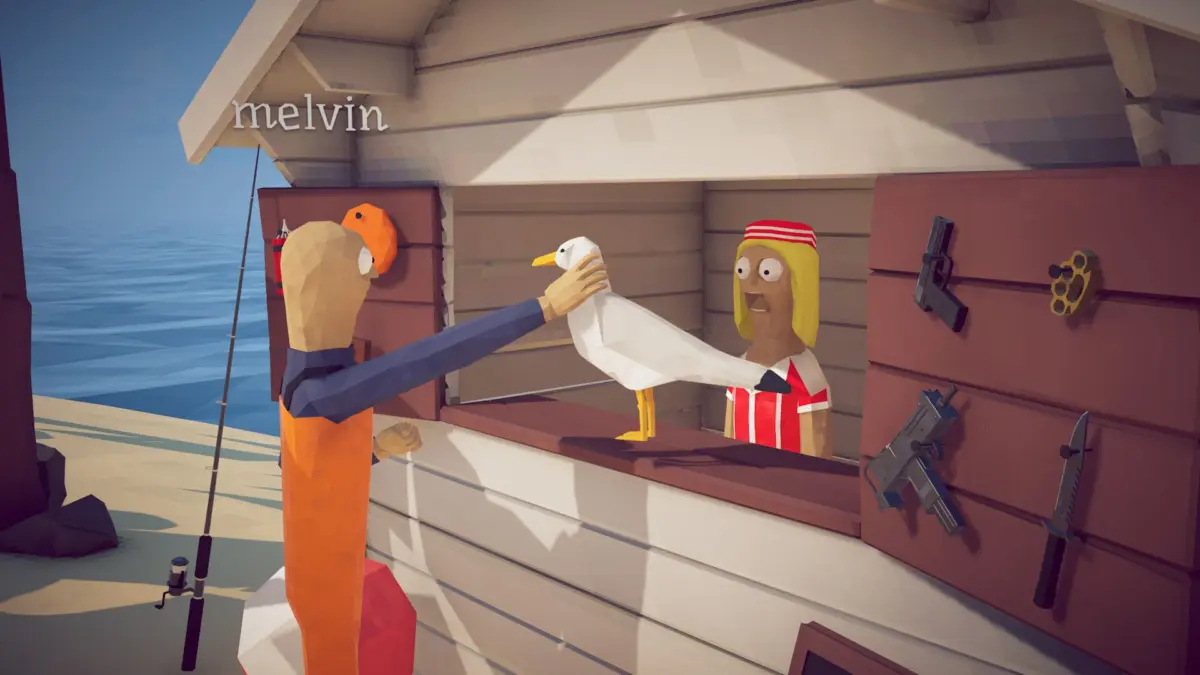
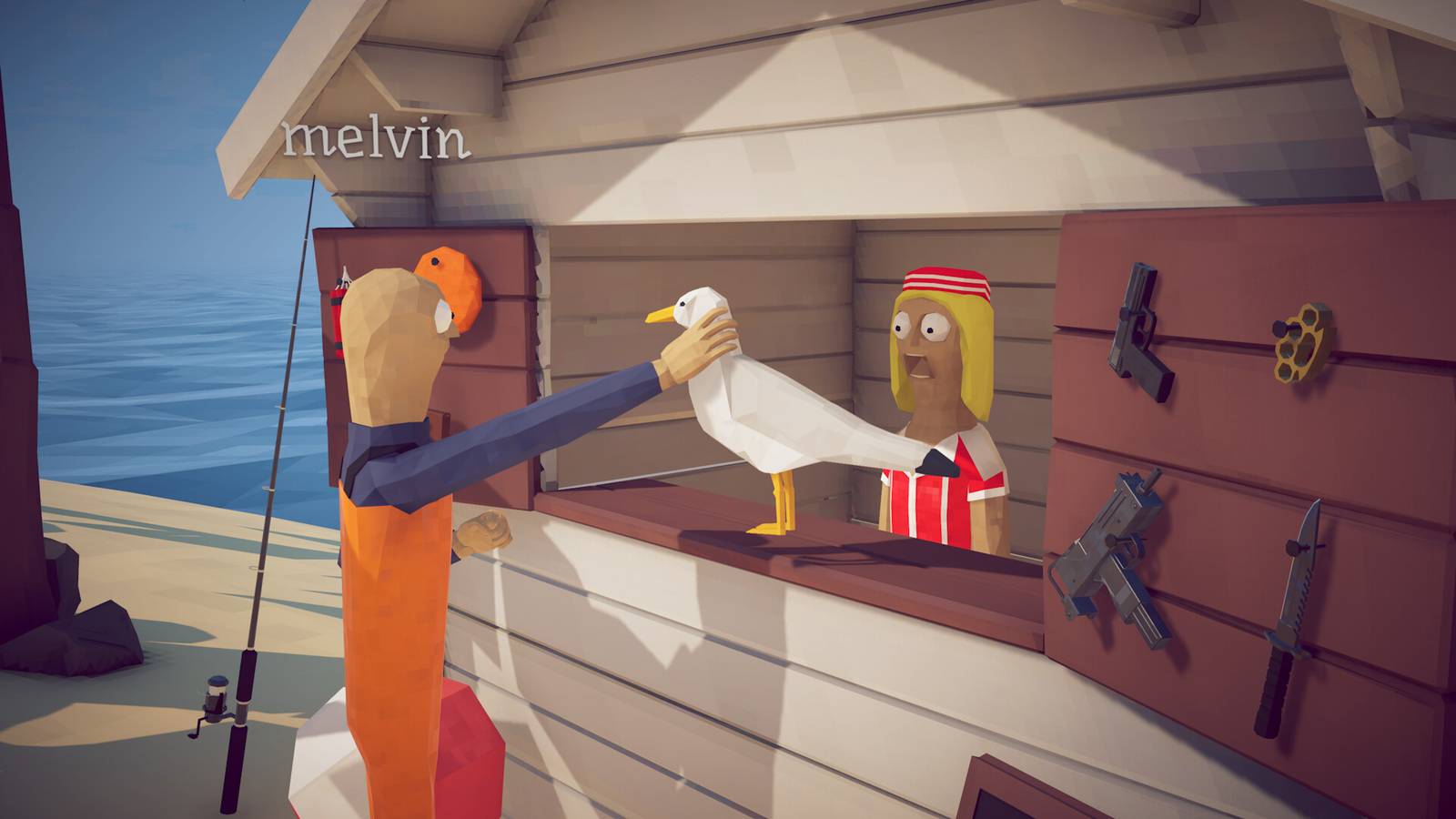
In How to Fish, catching a creature is only half the battle. Once a fish, crustacea, or unsuspecting coastal bird (such as a seagull) is hooked, players must dispatch it using an unhinged arsenal of weaponry. Gone are the days of gently unhooking a trout; instead, players can deploy:
- Brass knuckles for close-quarters physical combat.
- Submachine guns (SMGs) for rapid-fire aquatic elimination.
- Heavy-duty dynamite for clearing out entire schools of fish at once.
- Sniper rifles for pulling off high-skill, long-distance "no-scopes."
The Trickshot Multiplier System
What elevates How to Fish from a simple novelty into a deeply engaging game is its risk-and-reward economy. The financial value of any given catch is directly tied to a "killscore multiplier." This multiplier exponentially increases based on the stylistic flair and execution of the player’s trickshots. Hitting a flying fish out of the air with a mid-range rifle shot while your boat pitches violently in a storm yields vastly superior payouts compared to a standard clubbing.
Island Progression and Boss Encounters
As players accumulate wealth from their violent harvests, they can upgrade their watercraft and navigate to increasingly treacherous island territories. Each new biome introduces more aggressive environments and formidable bosses that require coordinated teamwork to take down. While the core loop remains fundamentally straightforward—cast the line, reel in the target, execute it with extreme prejudice, and sell the spoils—the scaling difficulty of these apex creatures ensures that the endgame remains genuinely challenging.
Official Statements and Community Reception
The reception from the gaming community has been overwhelmingly enthusiastic, characterized by an explosion of humorous clips shared across social media platforms. Players have posted countless highlights of accidental teamkills with dynamite, mid-air seagull assassinations, and frantic boat-repair sessions during high-stakes boss battles.
In an official statement released via their Steam community hub, Dazed Games expressed profound gratitude for the player base’s unexpected embrace of the project:

"We set out to make something inherently silly—a game where you could turn the peaceful art of fishing into absolute chaos with your best friends. To see one million of you dive headfirst into the madness within just two days blows our minds. Thank you for casting your lines, blowing up our servers with your enthusiasm, and sharing your most ridiculous trickshots with the world. We are committed to keeping the waters churning with new fixes and updates to keep the fun going."
Industry analysts have noted that How to Fish joins a growing lineage of breakout indie titles that prove viral marketing relies less on massive advertising budgets and more on organic, player-driven comedy.
Future Outlook: Where Do We Go From Here?
As How to Fish prepares to transition out of its initial launch-week discount window—moving from $4.95 to its permanent price tag of $7.99 on August 28—all eyes are on Dazed Games to see how they will sustain this sudden momentum.
Maintaining a massive concurrent player count in a multiplayer-centric indie game requires a steady pipeline of fresh content. Fans are already clamoring for expanded arsenals, new biomes, additional boss types, and perhaps even expanded cooperative modes. Furthermore, the immense success of How to Fish sits alongside fellow chart-climber Yapyap on Steam’s Top Sellers list, signaling that the "friendslop" genre is experiencing a golden age.
For Dazed Games, the challenge now lies in nurturing this vibrant community without losing the chaotic, unpolished charm that made the game a viral sensation in the first place. If their swift response with the first two patches is any indication, the developers are well-equipped to navigate these choppy waters. For now, millions of virtual anglers are happily grabbing their brass knuckles, loading their sniper rifles, and proving that punching fish is here to stay.