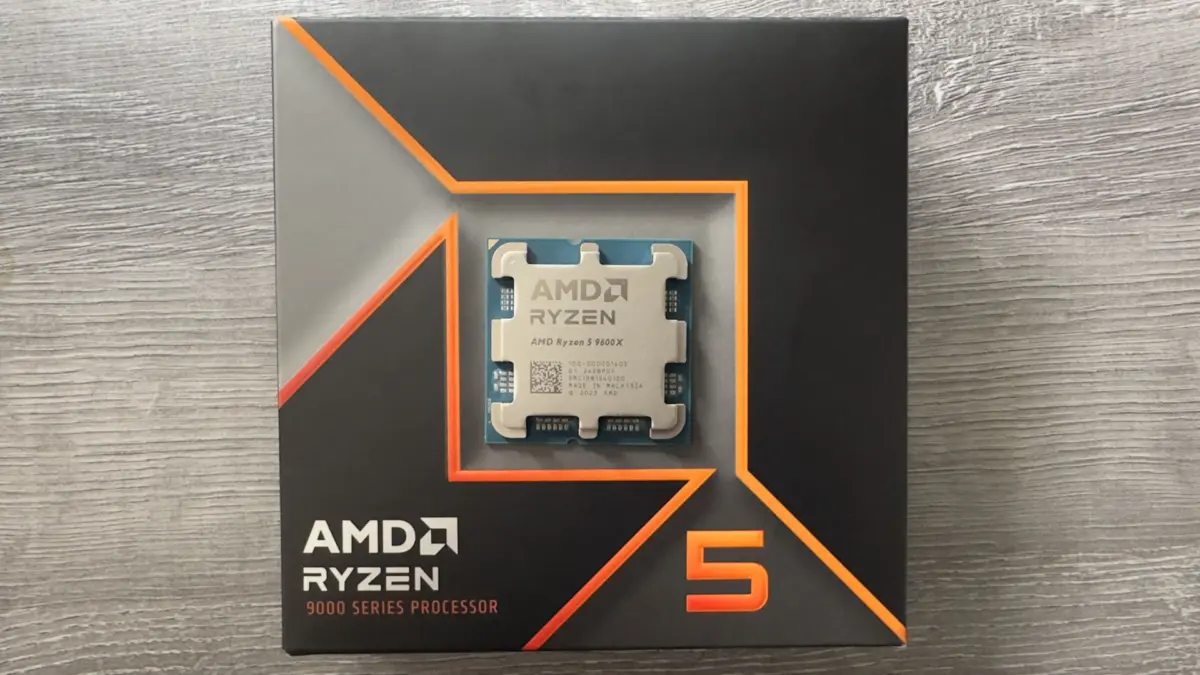
Executive Overview
For the PC enthusiast, few rituals rival the anticipation of unboxing a newly purchased processor. The crisp cardboard, the distinct smell of fresh industrial polymers, and the heavy, reassuring weight of silicon represent the gateway to high-performance gaming, content creation, and technical productivity. However, for one unfortunate system builder known on Reddit as No-Yak9776, this ritual turned into a frustrating Kafkaesque nightmare—not once, but twice.
In an era where e-commerce giants dominate retail landscapes, the supply chain underpinning high-end computer hardware is showing critical vulnerabilities. What should have been a standard upgrade to an AMD Ryzen 5 9600X instead devolved into an absurd streak of bad luck: two consecutive empty boxes delivered straight to the buyer’s doorstep.
While the incident highlights the peculiar challenges of modern logistics, it also serves as a glaring warning flare for the PC building community. As retail fraud, warehouse tampering, and third-party vendor gray areas grow increasingly sophisticated, the burden of proof has shifted entirely onto the consumer. This investigative feature explores the mechanics of how high-value, lightweight components vanish from transit pipelines, the hidden pitfalls of third-party marketplace fulfillment, and the essential safety protocols every modern tech consumer must adopt to protect their investment.
Detailed Chronology: The Double-Blind Hardware Disappearance
The timeline of the ordeal reads like a cautionary tale for modern online shoppers. Operating as a professional in a dedicated PC repair and custom-build shop, the affected user is no novice to the logistics of computer hardware. Their daily routine involves handling components, troubleshooting builds, and managing supplier chains. Yet, even seasoned professionals are finding themselves defenseless against modern fulfillment anomalies.
Strike One: The First Empty Delivery
The saga began with a routine transaction. Needing an AMD Ryzen 5 9600X processor, the builder placed an order through Amazon. Due to a common oversight—easily made amidst the labyrinthine layout of modern online storefronts—the order was routed through a third-party merchant operating under the name "The Tech Group," though the transaction was ultimately fulfilled through Amazon’s logistics network.
Upon delivery, the package arrived looking outwardly secure. However, upon slicing open the outer shipping container and lifting the retail packaging of the processor, the buyer was met with an unsettling lightness. Inside the retail box: absolutely nothing. The socket was bare; the silicon ghost had vanished.
Acting swiftly and leveraging their professional workflow, the buyer initiated a return. Because they routinely record unboxing videos for high-value components—a defensive measure born of industry experience—they had ironclad visual evidence. The refund was processed without institutional friction, restoring confidence just enough for a second attempt.
Strike Two: History Repeats Itself
Determined to complete the build, the builder placed a second order for the exact same processor, once again failing to realize that the listing defaulted back to the same third-party vendor, "The Tech Group."
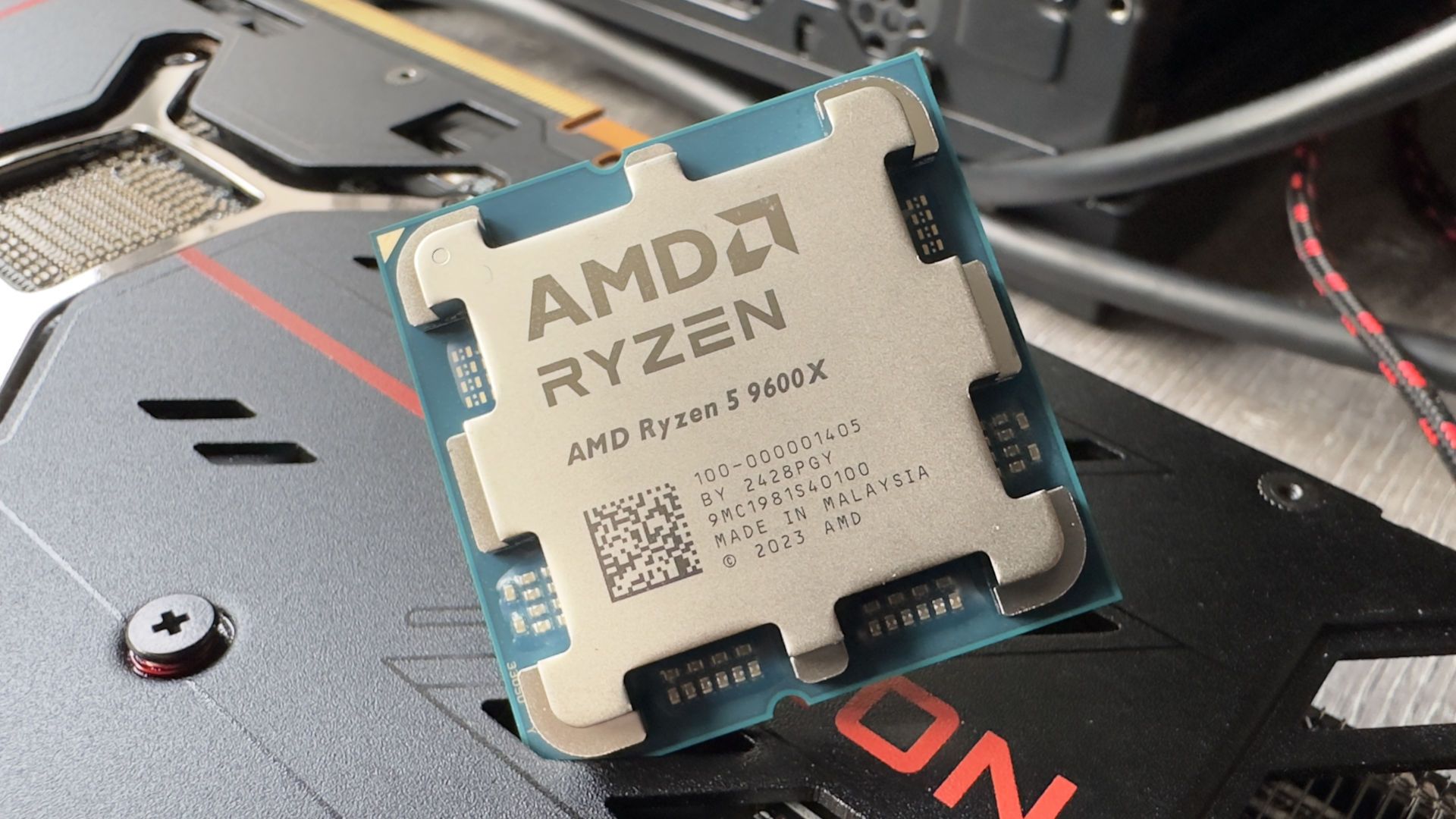
The probability of lightning striking twice in the exact same spot is statistically negligible. Yet, in the murky waters of e-commerce inventory pooling, the impossible happened. The second package arrived. The builder, acutely aware of the previous mishap, set up their camera once more, hit record, and meticulously documented the unboxing.
As captured on video, the second retail box was opened to reveal the exact same result: a completely empty container. No CPU, no cooling solution, no paperwork—just hollow cardboard. Two orders, two empty boxes, and zero processors.
Supporting Context & Metrics: The Mechanics of E-Commerce Vulnerability
To understand how a high-value item like a modern CPU can vanish entirely while leaving its retail shell intact, one must examine the intersection of warehouse logistics, product weight profiles, and marketplace architecture.
The Weight Factor and the "Lightweight" Loophole
Modern processors are technological marvels, packing billions of transistors into a sliver of silicon smaller than a postage stamp. Consequently, they are remarkably light. The retail box of an AMD Ryzen 5 9600X tips the scales at a mere 60 grams.
This extreme lightness makes CPUs prime targets for a specific breed of supply chain fraud known colloquially as the "rock-in-a-box" or "hollow box" strategy. Because automated sorting facilities and human handlers rely heavily on weight verification rather than physical manual inspections of every individual box, a package missing a 60-gram processor often fails to trigger weight-discrepancy alarms.
A malicious actor anywhere along the supply chain—from the initial manufacturer’s loading dock, through third-party warehouse bins, to the final "last-mile" delivery driver—can carefully unseal a retail box, extract the processor, reseal the exterior with deceptive precision, and leave an empty shell back into the inventory pool. Because the package still feels negligible in weight and passes surface-level visual checks, it moves seamlessly down the conveyor belt.
The Third-Party Marketplace Trap
Compounding the physical vulnerabilities of logistics is the structural design of online storefronts. Amazon and similar platforms operate on a hybrid model: they sell items directly ("Shipped and Sold by Amazon"), but they also host thousands of independent third-party vendors whose products are stored in Amazon warehouses and shipped via Amazon Prime ("Fulfilled by Amazon").
For the average consumer, these distinctions blur into invisibility. When searching for a specific component like the Ryzen 5 9600X, the search algorithm often prioritizes listings based on price, availability, or sponsored placement, frequently defaulting the buyer to a third-party storefront without explicit warning.
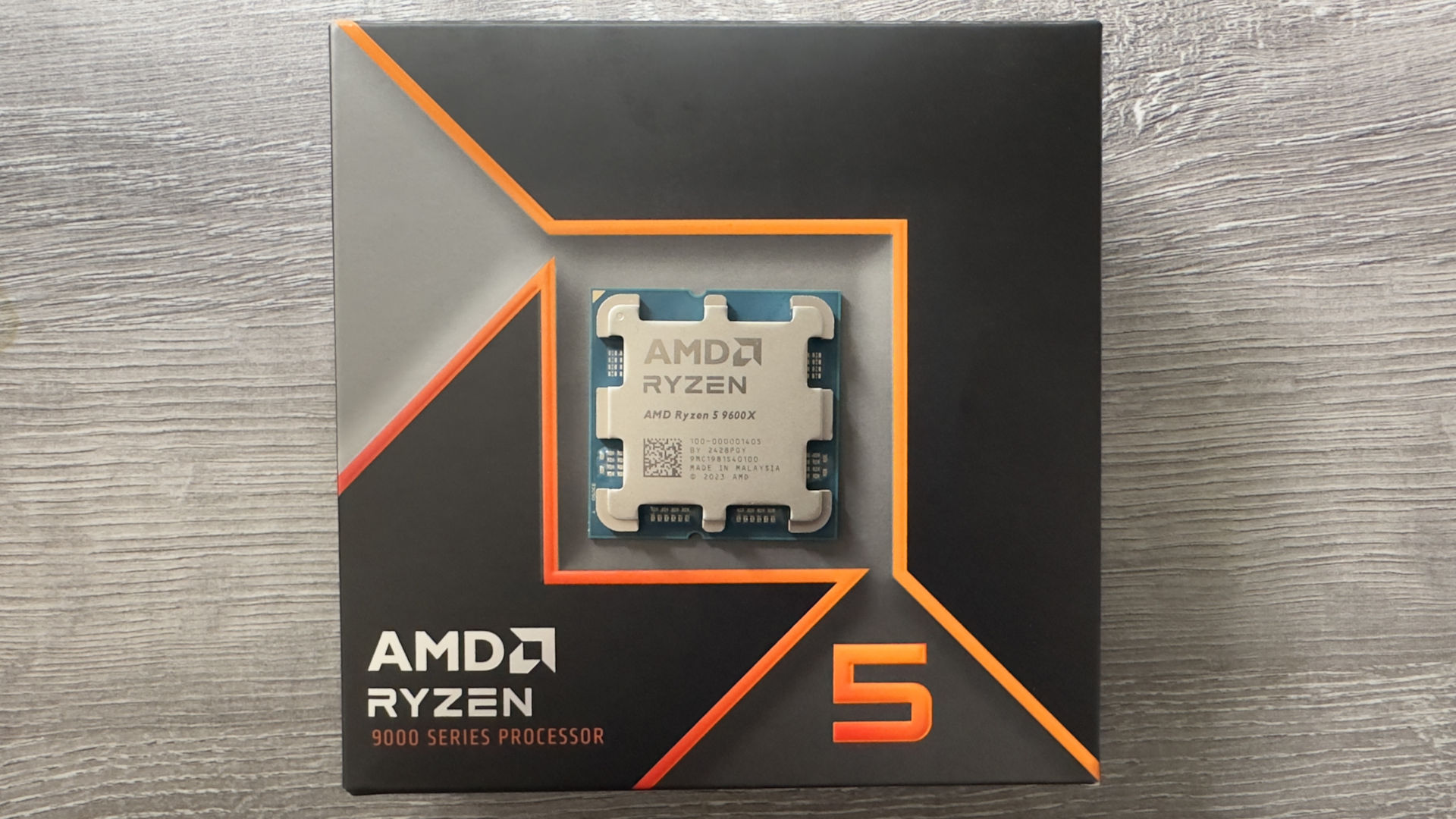
As the Reddit user noted, "The Tech Group" had accumulated generally positive historical ratings on the platform, establishing a veneer of legitimacy. However, background checks across consumer protection forums reveal historical complaints dating as far back as 2024 regarding similar missing-hardware incidents associated with the same vendor. Whether these issues stem from internal warehouse tampering at the vendor’s source or unvetted inventory commingling within shared fulfillment centers remains an open question. Regardless, the consumer is left holding the empty bag.
Official Industry Analysis & Risk Assessment
When consumer hardware incidents scale to the point of viral public exposure on platforms like Reddit’s r/PcBuild and enthusiast forums, industry analysts take note. We spoke with retail logistics consultants and cybersecurity specialists who focus on e-commerce fraud to contextualize the phenomenon.
"The modern digital marketplace is built on velocity and scale, not security," explains Dr. Marcus Vance, a supply chain logistics researcher. "When third-party inventory is commingled with primary warehouse stock in massive fulfillment centers, traceability breaks down. If a bad actor introduces tampered stock into a shared bin, legitimate buyers running standard queries are effectively playing Russian roulette with high-end electronics."
Furthermore, consumer rights advocates emphasize that while platforms typically honor refund requests, the hidden cost is borne by the consumer’s time, project delays, and the emotional toll of dealing with bureaucratic customer support loops. In professional contexts—such as the repair shop operated by the affected Redditor—a missing component directly translates to delayed client deliverables and lost revenue.
Industry experts have distilled the primary vectors of online hardware fraud into three distinct categories:
- Source-Side Tampering: Unscrupulous suppliers or factory insiders extracting high-density, low-weight components before initial intake.
- Return Fraud Exploitation: Dishonest buyers purchasing hardware, extracting the chip, resealing the packaging with heat guns, and returning the empty box to retailers who fail to thoroughly inspect returned technical goods before restocking them.
- In-Transit Interception: Theft during regional sorting phases where handlers recognize the distinct branding of major semiconductor manufacturers (AMD, Intel, NVIDIA) on outer shipping cartons.
Future Outlook: Protecting Yourself in the Wild West of Online Tech Retail
As e-commerce platforms continue to scale up automation and rely increasingly on third-party marketplace ecosystems, the onus of consumer protection falls squarely onto the buyer. Incidents like the double-empty-box Ryzen 5 9600X fiasco are unlikely to disappear overnight, meaning enthusiasts must adapt their purchasing strategies.
Best Practices for Secure Tech Acquisition
If you are planning to build a PC, upgrade your rig, or purchase high-value electronics online, adopting a zero-trust mindset is no longer optional—it is mandatory. Follow these essential protocols to safeguard your purchase:
- Verify the "Sold By" Metadata: Never rely solely on the product title or the "Prime" shipping badge. Always manually click into the listing details and verify that both "Ships from" and "Sold by" explicitly state the primary manufacturer or the authorized direct retailer (e.g., "Amazon.com" rather than a third-party DBA).
- Mandate the Unboxing Video: As demonstrated by the victim of this dual-fraud incident, a continuous, unedited video recording of the package arrival, the cutting of shipping tape, and the opening of the retail box is your ultimate insurance policy. Ensure the video clearly displays the shipping label tracking number before opening.
- Inspect Outer Packaging Integrity: Before slashing open any box, check for double-layered tape, re-taped seams, or tears in manufacturer security seals. If the outer shipping box looks tampered with, refuse delivery or document the inspection with the carrier present.
- Purchase from Dedicated Hardware Specialists: When high-value components are involved, consider sourcing your hardware from specialized, dedicated PC hardware retailers (such as Micro Center, Newegg, B&H Photo, or local system integrators) where inventory chains are strictly monitored and technical returns undergo rigorous manual inspection.
Conclusion
The case of the phantom Ryzen 5 9600X processors is more than just an entertaining internet anecdote about extraordinary bad luck; it is a symptom of a broader, systemic vulnerability in modern digital retail. Until e-commerce giants implement mandatory cryptographic tracking or rigorous weight-and-seal verification for high-value microprocessors, the digital storefront will remain a high-stakes frontier. For now, keep your credit cards ready, double-check your merchant tags, and—above all else—keep that camera rolling.