Executive Overview
In the sprawling, fast-paced ecosystem of internet culture, viral trends often burn out as quickly as they ignite. However, some phenomenons manage to embed themselves into the seasonal rhythms of social media, returning year after year with fresh iterations. The Beer Poster Trend—frequently referred to as the Fake Beer Posters Trend or the Beer Poster Challenge—is a prime example of this phenomenon. Emerging in the summer of 2021, this creative user-generated content movement has captured the imaginations of millions across TikTok, Instagram, and Reddit.
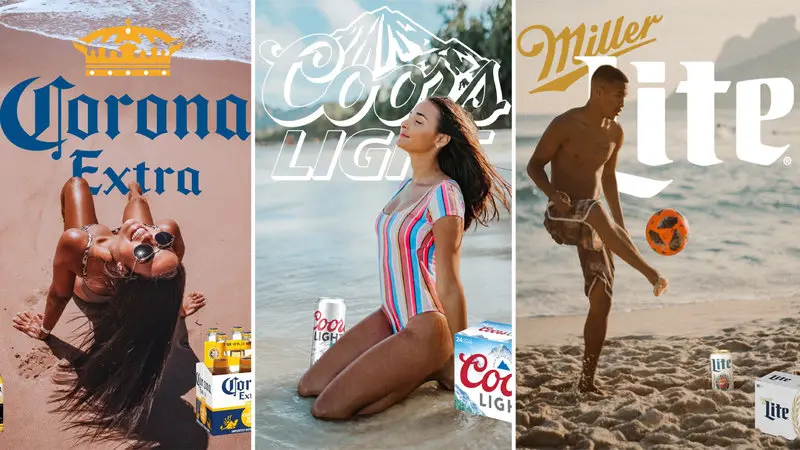
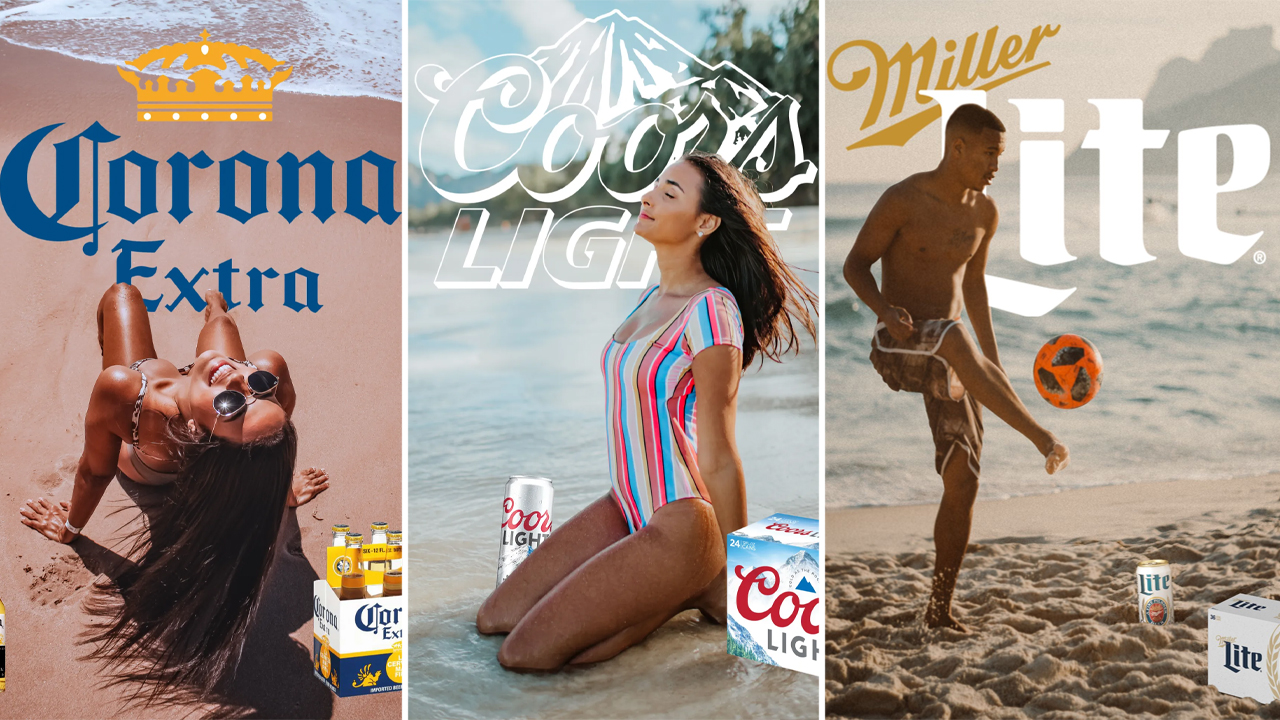
At its core, the trend involves everyday social media users recreating vintage-style print advertisements for major alcoholic beverage brands, such as Budweiser, Corona, Miller Lite, Coors, and Twisted Tea. These mock advertisements typically emulate classic pin-up aesthetics, showcasing creators posing in swimwear or beach attire against nostalgic backdrops, seamlessly blending contemporary self-expression with retro commercial design. What began as a spontaneous creative outlet for capturing aesthetic summer memories has evolved into a recurring multi-platform tradition. Participants frequently print out physical copies of these custom posters to gift to their significant others, while others deploy humor, irony, and—increasingly—artificial intelligence tools to push the boundaries of the format.
This comprehensive report examines the origins, evolution, cultural impact, and long-term trajectory of the Beer Poster Trend, tracing its journey from a localized TikTok challenge to a permanent fixture of internet lore.
Detailed Chronology: From Summer 2021 Origins to Present-Day Evolution
The Genesis: Summer 2021
While the exact catalyst behind the Beer Poster Trend remains obscured by the decentralized nature of internet viral culture, historians of digital memes generally trace its inception to mid-to-late June 2021. As global populations navigated post-lockdown summer months, creators sought inventive ways to capture a nostalgic, carefree aesthetic reminiscent of 20th-century calendar art and beachside billboards.
The earliest widely documented instance of the challenge emerged on TikTok. On June 20th, 2021, user @lizzyfromtheblock99 uploaded a video detailing her creation of custom Budweiser and Corona posters intended as a creative surprise for her boyfriend. The video struck an immediate chord with the platform’s algorithm, ultimately accumulating over 3.8 million views, 450,300 likes, and hundreds of comments over the following years. By demonstrating how easily smartphone editing apps and basic graphic design tools could replicate professional-grade retro advertising layouts, @lizzyfromtheblock99 inadvertently handed a blueprint to thousands of aspiring creators.
Rapid Virality and Mainstream Media Pick-Up
Following this initial breakthrough, the challenge metastasized across short-form video platforms. On June 21st, 2021, TikToker @emily_richey introduced a regional twist to the trend by publishing a Western-themed beer poster variant, which quickly secured over 34,000 likes.
The trend’s visual appeal and DIY accessibility did not go unnoticed by lifestyle publications. By June 22nd, PopSugar published a dedicated guide titled "I Tried the Beer-Poster Trend That’s Taking Over TikTok, and It’s Pretty Easy to Do." Specialized industry outlets followed suit; two days later, The Drink Business reported on the commercial adjacency of the trend, noting how user-generated marketing was inadvertently breathing new life into legacy alcohol brands. On June 26th, Refinery29 cemented the movement’s cultural status with an editorial feature titled "TikTok’s Beer Poster Challenge Is A Whole Summer Mood."
Diversification: Parody and Male Participation
As the trend saturated mainstream consciousness, internet subcultures began subverting its conventions. While the initial wave heavily relied on traditional "thirst trap" imagery—with women posing attractively in bikinis alongside beverage logos—participants quickly introduced humorous parodies.
Men began stepping in front of the camera, sometimes creating posters for themselves or posing with humorous reinterpretations of their favorite brews. On June 24th, 2021, Redditor porkchopsticks13 shared an image to the r/pics subreddit showcasing his wife proudly holding up a physical print of a custom Miller High Life poster featuring his own face, generating widespread engagement. Concurrently, on June 26th, Instagram user mekenzikuhnnn spotlighted a series of tongue-in-cheek Smirnoff Ice editions, demonstrating the community’s appetite for self-deprecation and satire.
Seasonal Resurgences and AI Integration (2022–2026)
Rather than fading into obscurity after its initial summer, the Beer Poster Trend established a seasonal cadence. Each subsequent summer, creators reactivated the hashtag to showcase new destinations, brands, and visual styles.
- July 2022: Instagram user
alli_dickcaptured widespread attention with a Modelo Especial boardwalk edition, blending high-definition photography with vintage typography. - May 2025: TikToker
beerposterbabeheralded a major seasonal comeback, declaring her affection for the format in a viral video that pulled in over 128,000 likes. - August 2025: The popular college-culture Instagram account
fratleaksreposted a viral clip of a fraternity-aged student receiving a professionally printed custom beer poster as a gift, generating over 112,000 likes and proving the trend’s deep entrenchment in Greek life and college culture. - August 2026: Continuing the tradition into late-summer, TikToker
_.mialy._released a Coors Banquet edition that rapidly accrued tens of thousands of likes within its first twenty-four hours online.
Furthermore, the mid-2020s marked a technological shift in how these posters were produced. While early adopters relied on manual photo editing, collage applications, and basic graphic design suites, the maturation of AI art generators and advanced neural network photo editors allowed users to instantly generate hyper-realistic, vintage-grain advertising composites. This lowered the barrier to entry even further, resulting in an explosion of surreal, hyper-stylized, and algorithmically generated beer posters.
Supporting Context & Metrics: Cultural Footprint and Analytics
To fully understand the scale of the Beer Poster Trend, one must analyze the quantitative metrics and psychological drivers behind its enduring popularity.
Engagement Metrics Snapshot
- The Pioneer Post (
@lizzyfromtheblock99): Over 3.8M views, 450.3K likes, and 770+ comments. - Western Variant (
@emily_richey): 34K+ likes within its initial deployment window. - 2025 Comeback Post (
@beerposterbabe): 128.8K+ likes and 730+ comments. - Coors Banquet Edition (
_.mialy._): 30.3K+ likes within 24 hours of posting in August 2026.
Psychological and Cultural Drivers
- Nostalgia Marketing: Modern consumers—particularly Generation Z and Millennials—exhibit a profound psychological attachment to retro aesthetics. The visual language of 1970s, 80s, and 90s print advertisements evokes a sense of comfort, simplicity, and tactile authenticity in an era dominated by hyper-digital ephemera.
- Personalized Gifting Culture: Unlike standard digital selfies, printing out a physical poster transforms a vanity project into a tangible artifact. Gifting a partner a custom-made Budweiser or Corona poster featuring their significant other serves as a playful, customized token of affection that merges modern humor with traditional romance.
- Low Barrier to Entry Meets High Customization: The trend thrives because it requires minimal specialized equipment. A smartphone, a basic editing app (such as Canva or Picsart), and a local print shop are all that is needed to participate. At the same time, the vast array of available beverage brands—ranging from premium imports like Corona and Modelo to domestic staples like Busch Light and Michelob Ultra—allows creators to tailor their submissions to specific regional or personal tastes.
Official Statements and Industry Perspectives
While major beverage conglomerates rarely launch official corporate campaigns directly tied to grassroots internet challenges, marketing analysts and brand strategists have increasingly recognized the immense organic value generated by such trends.
In a 2021 industry commentary following the initial explosion of the challenge, representatives from independent digital marketing firms noted that user-generated viral content provides legacy alcohol brands with invaluable, un-paid consumer advocacy. Unlike traditional broadcast advertising, which can feel sterile or disconnected from younger demographics, the Beer Poster Trend embeds brands into authentic peer-to-peer social interactions.
Speaking anonymously regarding the phenomenon of custom consumer advertising, a brand strategist remarked:
"When consumers voluntarily spend their own time, creativity, and financial resources to frame your corporate logo alongside their personal lives, you have achieved the holy grail of modern marketing: authentic brand integration. It bypasses consumer skepticism because the message is delivered by a peer, not a corporate entity."
Similarly, cultural commentators have praised the trend for its ability to foster community-driven humor. Sociologists specializing in digital communication have pointed out that parodies of the trend—where participants use deliberately unflattering photos or absurd props—demonstrate a healthy self-awareness among social media users, pushing back against the relentless pressure for digital perfection.
Future Outlook: Where Goes the Beer Poster Trend?
As we look toward the latter half of the decade, the Beer Poster Trend shows no signs of permanent exhaustion. Its inherent flexibility ensures that it can continually absorb new cultural tropes and technological advancements.
Predicted Trajectories for the Trend
- Hyper-Realistic AI Integration: As generative artificial intelligence continues to democratize high-end visual effects, future iterations of the challenge will likely feature increasingly complex, cinematic compositions where users seamlessly insert themselves into impossible historical landscapes or fantastical beach scenes alongside heritage brand logos.
- Brand-Sponsored Integration: Given the organic alignment between these consumer creations and corporate branding, there is an open runway for alcohol companies to officially sponsor or encourage the trend—perhaps by releasing official digital templates, blank poster layouts, or hosting user-generated content contests with tangible rewards.
- Permanent Seasonal Status: Much like "Hot Girl Summer" or themed annual photo dumps, the Beer Poster Challenge has cemented its place as an anticipated summer tradition. Each June, algorithms across TikTok and Instagram can reliably be expected to flood with vintage-filtered typography, coastal backdrops, and iconic beverage branding.
Ultimately, the Beer Poster Trend serves as a fascinating case study in modern internet culture: a harmonious blend of nostalgia, peer-to-peer creativity, and digital irony that transforms everyday consumers into the art directors of their own vintage advertisements.